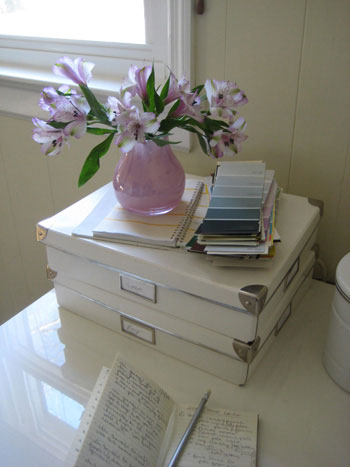
Fresh flowers have a magical ability to make your home feel like you have your life togethereven if your “decor” is mostly phone chargers and one heroic houseplant hanging on for dear life. The problem: flowers can get pricey fast, especially if you’re buying “just because” bouquets every week like you’re starring in a rom-com montage.
The good news? You can enjoy fresh flowers every month on a budget. The trick is to stop paying for “mystery convenience,” learn a few florist-level care moves, and build a simple monthly flower plan that fits your wallet (and your vase situation).
Why Flowers Feel Expensive (And How to Outsmart That)
Flowers are perishable, delicate, and occasionally dramatic. They travel through a supply chain that includes harvesting, cold storage, shipping, and handlingevery step costs money, and every delay shortens vase life. That’s why the real cost isn’t just “bouquet price,” it’s also how many days you get to enjoy it.
So the budget strategy isn’t only “buy cheaper flowers.” It’s:
- Buy smarter (best value sources, fewer fees).
- Make them last longer (more days per dollar).
- Arrange like a pro (so “cheap” looks intentional).
Your 3 Best Budget Routes to Monthly Flowers
Route 1: A Flower Subscription (But Only If the Math Works)
A flower subscription can be a solid deal if you choose the right service and avoid surprise fees. Many U.S. roundups emphasize comparing schedule flexibility, shipping costs, and whether flowers are shipped “farm-fresh” (often longer-lasting) versus assembled locally (often prettier out of the box, but can vary).
How to keep subscriptions affordable:
- Pick monthly (not weekly) unless you’re a bouquet superfan.
- Look for free shipping on subscription plansdelivery fees add up fast.
- Choose flexible plans that let you skip/pause, so you’re not paying for flowers while you’re out of town.
- Time your “nice bouquets” for months you host, celebrate birthdays, or need a mood boost.
Subscription flowers also tend to arrive needing a little arranging. That’s not a downsideit’s an invitation to play florist for 12 minutes and then take credit for having “a curated home aesthetic.”
Route 2: Grocery Stores (The MVP of Everyday Bouquets)
Grocery stores and budget-friendly markets are where many people get the best “look per dollar,” especially if you learn to combine a couple of bunches and add greenery. Price comparisons across major grocers frequently show big differences in stem count and costwarehouse clubs can be strong on volume, while stores like Trader Joe’s often win on mix-and-match value.
Smart grocery bouquet strategy:
- Buy one focal bunch (roses, lilies, tulips) + one texture/filler bunch (alstroemeria, mums, statice).
- Add one cheap greenery bunch (eucalyptus, ruscus, assorted greens) to make it look “full.”
- Split into two smaller arrangementsone for the main room, one for your desk or bathroom.
Route 3: DIY Growing (A Slow Burn That Pays Off)
If you have even a small balcony or sunny windowsill, growing a few “cut-and-come-again” flowers can turn into monthly blooms for pennies. Think zinnias, cosmos, marigolds, or even herbs like rosemary for fragrant greenery. This route is less instant gratification, but it’s the long-term budget champion.
The Biggest Money Saver: Make Your Flowers Last Longer
If your bouquet dies in three days, you didn’t buy flowersyou rented them. Extend vase life and your cost per day drops dramatically.
The “Do This Every Time” Cut-Flower Care Routine
- Start with a clean vase. Bacteria is the silent bouquet assassin.
- Strip leaves below the water line. Submerged foliage rots and clouds water.
- Trim stems at an angle. More surface area = better water uptake.
- Use flower food (or a safe DIY version). It feeds blooms and helps control bacteria.
- Change water regularly. Fresh water slows bacterial growth.
- Keep flowers cool and out of direct sun. Heat dehydrates blooms faster.
Bonus “grown-up” move: when you change the water, re-trim the stems. That fresh cut helps flowers drink again, especially if the ends have sealed.
DIY Flower Food That Actually Makes Sense
Commercial flower food is convenient, but you can make a simple version at home. The basic idea is: sugar (food) + acid (helps water move up the stem) + a tiny disinfectant (reduces bacteria).
Simple DIY mix (per 1 quart of lukewarm water):
- 1 teaspoon sugar
- 1 teaspoon household bleach
- 2 teaspoons lemon or lime juice
Important: “tiny” means tiny. Too much bleach can damage stems. If you’d rather keep it foolproof, use the packet that comes with your bouquet.
Keep Flowers Away From “Speed-Ripening” Fruit
Apples, bananas, and other ripening fruit release ethylene gas, which can speed up aging in many flowers. Translation: don’t place your bouquet next to the fruit bowl unless you’re trying to create “sad petals” as an art concept.
How to Arrange Cheap Flowers So They Look Expensive
Good arranging is basically optical illusion plus a little botany. Two easy rules make a huge difference.
Rule #1: Use the “Focal + Filler + Foliage” Framework
- Focal: the stars (roses, lilies, peonieswhatever looks fancy)
- Filler: the supporting cast (mums, alstroemeria, statice, baby’s breath)
- Foliage: the “designer touch” (eucalyptus, ruscus, ferns, greens)
Rule #2: Try the 3-5-8 Ratio
A popular arranging guideline is the 3-5-8 rule: three stems of “dominant” flowers, five stems of greenery, and eight stems of an accent flower. You don’t have to count like you’re doing bouquet accountingjust use the idea to balance your mix so it looks intentional.
A Monthly Flower Plan Under $25 (With Realistic Examples)
Here are three easy “monthly bouquet budgets.” Pick one based on how floral your lifestyle feels this month.
Plan A: The $10 “One Pretty Thing” Month
- One grocery-store bunch (choose something with strong vase life like alstroemeria or mums)
- Split into two small bud vases to stretch impact
- Use top-tier care: clean vase, fresh cut, change water
Plan B: The $20–$25 “Looks Like a Florist” Month
- One focal bunch + one filler bunch
- Add one inexpensive greenery bunch if you can
- Arrange tall/short for dimension (some stems higher, some tucked in)
Plan C: The $35–$50 “Treat Yourself” Month
- A monthly flower subscription bouquet
- Pick a plan with free shipping or low delivery fees
- Schedule it for your busiest week so you get maximum mood payoff
Extra Tricks to Keep It Cheap (Without Looking Cheap)
- Reuse vases and jars. Pasta sauce jars = modern farmhouse chic (if you say it confidently).
- Buy flowers in bud. They often last longer and open over time.
- Refresh the look mid-week. Re-trim stems, re-arrange, and suddenly it’s “a new bouquet.”
- Dry the leftovers. Hang sturdier blooms upside down for dried arrangements.
- Use greenery like a grown-up. Greens are cheap volume and make everything look intentional.
Conclusion: Fresh Flowers, Same Budget, Better Life
If you want fresh flowers every month without breaking the bank, you don’t need luxury bouquetsyou need a repeatable system: buy from value-friendly sources, avoid delivery-fee traps, extend vase life with good care, and arrange with a simple formula. Do that, and your home gets monthly “I have it together” energy… even if your laundry still lives in a chair.
Bonus: of Real-World Experience (A Budget Bouquet Diary)
I tried a “fresh flowers every month” challenge with one rule: my wallet wasn’t allowed to flinch. The goal wasn’t to live like a celebrityit was to make flowers feel normal, like coffee or streaming subscriptions, except prettier and less likely to ask “Are you still watching?”
Week 1: I started with a warehouse-club-style purchasebig bunch, big optimism. The bouquet looked amazing for the first 24 hours, like it had been styled for a listing photo. Then reality arrived: one giant bouquet is actually five mini-bouquets wearing a trench coat. The winning move was splitting it immediately into two vases, plus a tiny jar arrangement for the bathroom. Suddenly I had “floral design throughout the home,” which is a fancy way of saying I redistributed stems like I was managing a bouquet retirement fund.
Week 2: I went grocery-store hunting and used the focal + filler + foliage formula. I bought one bunch that looked expensive (roses) and one bunch that looked enthusiastic (alstroemeria), then tossed in a greenery bunch like I was casting a movie. The greenery did most of the work: it made the arrangement fuller, hid awkward gaps, and made everything feel purposeful. The bouquet lasted noticeably longer once I got serious about water changes. Turns out flowers, like people, do better when they’re not sitting in questionable water.
Week 3: I tested the “make them last” approach and treated it like a return on investment. I cleaned the vase, stripped leaves below the water line, and re-cut stems every time I changed the water. The difference was dramaticless funky smell, less cloudy water, and blooms that stayed upright instead of collapsing like they’d heard bad news. I also moved the arrangement away from the fruit bowl after learning about ethylene, because apparently bananas are secretly sabotaging your bouquet like a smooth yellow villain.
Week 4: I tried a subscription delivery as a “monthly treat.” The flowers arrived needing a little arranging, which I initially found annoying until I realized it was basically adult arts-and-crafts with a payoff. I played with height, used the 3-5-8 ratio as a loose guide, and ended up with something that looked far more expensive than the actual cost. The best part wasn’t just the bouquetit was the ritual. A scheduled delivery made flowers feel like a normal, budgeted joy instead of an impulse buy.
The takeaway: the cheapest bouquet isn’t always the best deal. The best deal is the one that lasts, looks good, and doesn’t come with hidden fees. Once I treated flower care as part of the purchasenot an optional side questI could enjoy fresh flowers every month on a budget without feeling like I was paying rent to a vase.