If your front door opens straight into a tornado of sneakers, backpacks, dog leashes, umbrellas, mystery mail, and one lonely mitten that has seen things, it may be time for an upgrade. An entryway and mudroom renovation is not just about making your home prettier for guests. It is about making daily life less chaotic, less muddy, and far less likely to begin with someone shouting, “Who moved my keys?”
The best part is that this type of renovation can pull off a rare trick in home design: it looks good and behaves well. A smart entryway creates a warm first impression, while a hard-working mudroom acts like the home’s backstage crew, quietly catching dirt, clutter, wet boots, sports gear, and general family mayhem before any of it marches into the living room. When designed well, this space becomes the household’s unofficial peace treaty.
Whether you have a grand side entrance, a skinny hallway, or a tiny slice of wall by the front door, the same goal applies: create a beautiful, durable, organized transition between outside life and inside life. That means using every inch wisely, choosing finishes that can survive real weather and real humans, and building a layout that reflects how your household actually lives rather than how it poses for Instagram.
Why This Renovation Is Worth It
Entryways and mudrooms are among the most practical square feet in a home, even if they are often treated like an afterthought. Renovating this area improves the flow of everyday routines, reduces visible clutter, protects flooring deeper in the house, and helps everyone store grab-and-go items where they actually belong. In plain English: fewer piles, fewer delays, fewer mud prints, and less low-grade irritation before 8 a.m.
This renovation also punches above its weight visually. Because the entry is often the first space people see, it sets the tone for the rest of the home. A warm wood bench, tailored cabinetry, layered lighting, and a durable but attractive floor can make a practical zone feel intentional instead of accidental. Done right, an entryway or mudroom can be one of the most useful rooms in the house and one of the most charming.
Start with Function Before Finishes
Map the Traffic Pattern
Before choosing paint colors or obsessing over the perfect basket, study the traffic. Which door does everyone actually use? Where do wet shoes land? Where do backpacks get dropped? Does the dog come in from the yard with paws that look like abstract art? Renovation decisions should start with those answers.
A family with school-age kids may need lower hooks, labeled cubbies, and a charging shelf for devices. A couple in a city home may need a slimmer setup with concealed shoe storage, a mirror, and a tray for keys and mail. A household with pets may want a washable rug, a hidden food bin, and a spot for leashes and towels. The layout should serve the real routine, not an imaginary one populated by stylish people who own only one coat.
Create Zones, Not Random Storage
The biggest difference between an organized mudroom and a clutter trap is zoning. A great renovation assigns a home to each category of stuff: shoes, coats, bags, hats, mail, pet gear, sports equipment, umbrellas, and seasonal items. If everything lands in one giant catchall, your renovation has simply produced a more expensive mess.
Good zoning can be simple. Use a bench zone for taking shoes on and off, a hanging zone for outerwear, a cabinet zone for visual calm, and a landing zone for small essentials like keys, wallets, and sunglasses. In family homes, individual cubbies or hook-and-drawer combinations are especially effective. They reduce friction because no one has to guess where their things go. It turns out organization is much more likely to happen when it does not require detective work.
The Best Layout Ideas for Different Spaces
For Small Entryways
If space is tight, think vertically. A floating shelf, row of hooks, narrow bench, shallow shoe cabinet, and mirror can create a mini mudroom without demanding a full room. Wall-mounted storage keeps the floor more open, which matters in narrow entries where every inch counts. A small entry can still feel generous if it is edited well.
One smart small-space strategy is the “faux mudroom” wall: a built-in or semi-built-in arrangement with upper cabinets or shelves, middle hooks, and a bench with drawers below. This creates structure in even a modest footprint. Another option is converting a closet or underused nook into a drop zone. That kind of move is especially useful in older homes where square footage exists, but logic took the day off decades ago.
For Medium-Sized Entry-Mudroom Hybrids
A medium space gives you more freedom to mix open and closed storage. This is ideal because open storage makes everyday items easy to reach, while closed storage hides the ugly-but-necessary stuff: dog shampoo, reusable grocery bags, soccer gear, spare light bulbs, mystery chargers, and the hat your partner refuses to throw away.
In this size range, a classic configuration works beautifully: tall cabinetry or lockers on one wall, a bench in the center, drawers or cubbies below, and upper cabinets or shelves above. Add a durable rug, better lighting, and maybe a message board or compact command center, and suddenly the room starts behaving like the organized adult you promised yourself you would become this year.
For Larger Mudrooms
If you have a dedicated mudroom, you can think beyond basic storage. Consider a laundry combo, a utility sink, a drying rack, extra pantry overflow, or pet washing functionality. Large mudrooms do best when they are divided into clear work zones so they do not become oversized dumping grounds.
In larger layouts, symmetry often helps. Individual lockers or matching cabinet bays can make a busy room feel calmer. A central bench or island can add function, but only if there is still enough circulation space. Oversized furniture in a mudroom is like wearing stilettos to a hiking trail: technically possible, practically confusing.
Storage That Actually Earns Its Keep
The most successful entryway and mudroom renovations rely on layered storage rather than one magic piece. A bench alone is not enough. Hooks alone are not enough. A basket army is not enough. You need a coordinated system.
Built-in benches are renovation gold because they provide seating and storage at the same time. Drawers below are excellent for shoes and seasonal gear. Open cubbies are more casual and easier for kids. Lift-top benches can work too, though they are slightly less convenient when everyone is trying to leave the house at once like a fire drill.
Hooks and cubbies are the workhorses. Hooks are faster than hangers and better for high-turnover items like coats, bags, and hats. Install some at adult height and some at child height. That one move alone makes the room more functional and teaches kids to manage their own stuff. Miracles do happen.
Closed cabinetry keeps a mudroom from looking messy even when life is messy. Use it for visual calm. Bulky gear, pet supplies, extra paper towels, reusable totes, and random utility items should disappear behind doors. Closed storage is the difference between “lovely custom mudroom” and “stylish sporting goods aisle.”
Floating shelves, narrow drawers, and baskets are perfect for small items that otherwise wander. Gloves, sunscreen, lint rollers, chargers, outgoing mail, and umbrella straps all need a home. Labeling helps. So does honesty. If your family will never sort tiny bins with monk-like devotion, keep the system simple.
Materials That Survive Real Life
Flooring
Flooring matters more here than almost anywhere else. Entryways and mudrooms get hit with water, dirt, grit, and heavy traffic. Good choices include porcelain tile, natural-look tile, and waterproof luxury vinyl plank. All three can handle moisture better than delicate surfaces, and they are easier to clean after ugly weather or enthusiastic dogs.
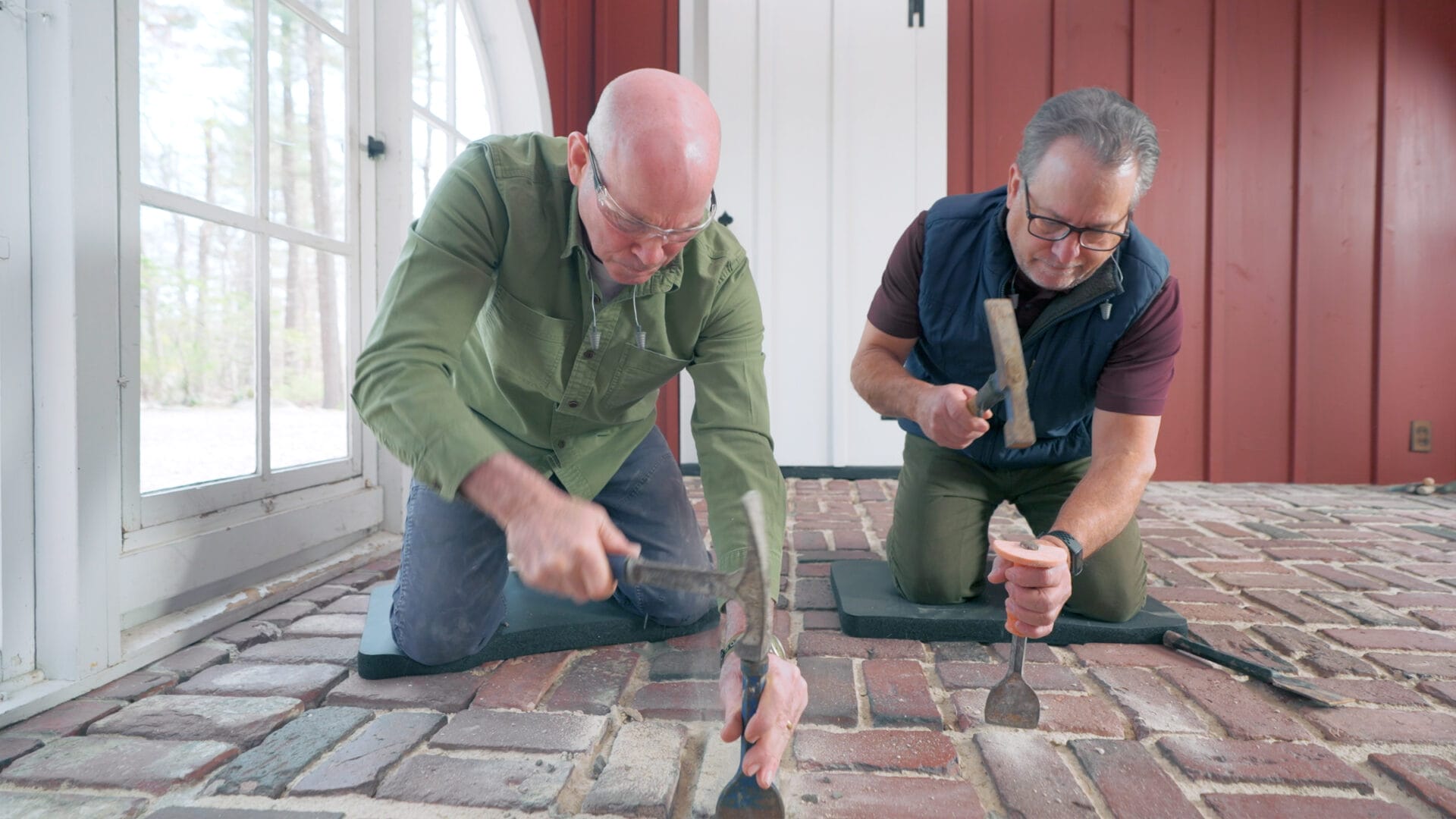
Tile has the edge for classic durability and design flexibility, especially in patterns like checkerboard, brick, or penny tile. It can create a focal point while still being practical. Vinyl plank is a strong contender when budget, comfort, and installation ease matter. It offers warmth underfoot, water resistance, and a forgiving price point compared with many premium hard-surface options.
Walls, Trim, and Cabinetry
Choose finishes that can handle bumps, bags, and moisture. Semi-gloss or satin paint on trim is usually easier to wipe down. Beadboard, board-and-batten, or paneled millwork can add charm while protecting walls from scuffs. Cabinet finishes should be durable and easy to clean, especially around lower drawers where shoes and paws do their worst work.
Rugs and Runners
Use a low-pile or performance rug, not a fluffy one that behaves like a dirt magnet. This is a high-traffic zone, not a luxury cloud farm. Flat-weave, indoor-outdoor, or washable rugs are the smarter pick. They are easier to clean and less likely to show wear or trap debris.
Lighting
Good lighting makes this hardworking zone feel intentional. Overhead fixtures provide visibility, but wall sconces or a decorative pendant can add warmth and personality. If there is room for a mirror, it helps bounce light and makes the space feel larger. It also gives you one last chance to discover that your hair is doing something experimental.
Budget and Cost Expectations
Costs vary widely depending on whether you are refreshing an existing entry, converting nearby square footage, or building a new addition. If you are converting an existing area into a mudroom or entry space, expect a lower cost than starting from scratch. As a broad planning benchmark, converting existing space often falls around $50 to $100 per square foot. A dedicated mudroom addition may run about $6,500 to $18,000, with a commonly cited average near $12,000. A brand-new entryway addition built on a new foundation can cost around $225 to $250 per square foot.
Within those ranges, your choices matter a lot. Custom cabinetry, high-end tile, electrical work, and structural changes can push the number upward quickly. On the other hand, keeping the footprint modest, using stock cabinets creatively, and focusing spending on flooring, storage, and lighting can deliver strong results without sending your wallet into witness protection.
How to Make It Beautiful Without Losing Utility
A common renovation mistake is treating the mudroom like a purely practical box. Another is treating it like a photo shoot with nowhere to put shoes. The sweet spot is somewhere in the middle.
Warm wood, natural textures, painted cabinetry, pretty tile, vintage accents, and thoughtful hardware can make the space feel collected rather than clinical. An antique hall tree, a framed piece of art, or a textured shade can soften the room. A rich paint color can add personality, while crisp whites and pale neutrals keep the area bright. Natural materials like wood, stone, and woven baskets help connect the indoors to the outdoors, which is fitting in a space designed for transition.
The trick is editing. Do not overcrowd the room with decorative objects that steal space from function. A mudroom should feel warm and stylish, but it should not become a shrine to tiny ceramic birds while everyone’s coats live on the floor.
Common Renovation Mistakes to Avoid
1. Not planning for actual clutter. If you renovate for a fantasy version of your household, the room will fail immediately.
2. Using precious materials. High-maintenance finishes in a high-traffic zone are an invitation to regret.
3. Skipping closed storage. Open shelves look lovely until real life happens.
4. Forgetting a landing spot. Keys, mail, wallets, and sunglasses need a dedicated zone.
5. Ignoring kid height and pet needs. If children and dogs use the space, design for them too.
6. Choosing the wrong rug. Thick, fussy rugs do not belong where weather enters the building with confidence.
Conclusion
An entryway and mudroom renovation may not sound as glamorous as a dream kitchen or spa bath, but in real life it can deliver more daily value than either. It helps the house run better. It protects the rooms beyond it. It reduces clutter, smooths routines, and makes even a hectic household feel more under control. That is not just good design. That is survival with better cabinetry.
The smartest renovations blend durable materials, layered storage, and a layout tailored to the people who actually use the space. Whether your project is a compact front-door drop zone or a fully built-out mudroom with laundry and lockers, the winning formula is the same: make it easy to enter, easy to leave, easy to clean, and pleasant to look at. In a world full of complicated home projects, this one has refreshingly simple goals. Keep the mess near the door. Keep the beauty in the room. Keep your sanity mostly intact.
Experiences and Real-Life Lessons from an Entryway & Mudroom Renovation
The most surprising part of an entryway and mudroom renovation is how quickly it changes the mood of a home. Before the remodel, coming in the door can feel like arriving at the scene of a very small disaster. Shoes pile up. Coats migrate. Bags land wherever gravity wins. The room silently accuses everyone, and everyone silently blames the room. After the renovation, that same arrival feels calmer. There is a bench waiting where you need it. There is a hook exactly where your hand reaches. There is a drawer for shoes instead of a mountain range of sneakers. The difference sounds minor on paper, but in daily life it feels enormous.
Many homeowners realize during the process that they were not lacking discipline; they were lacking infrastructure. Once a family has individual cubbies, lower hooks for kids, a tray for keys, and a cabinet for the messier items, routines become easier almost overnight. Children can actually put their backpacks away without needing an adult to perform a TED Talk on responsibility. Wet boots stop wandering through the house. The dog leash no longer vanishes into a mysterious alternate dimension. Life is not suddenly perfect, of course, but it becomes noticeably less ridiculous.
Another common experience is learning that beauty matters more in utility spaces than people expect. A mudroom that feels warm, bright, and thoughtfully designed is easier to keep tidy because people enjoy using it. Homeowners often say that once they added nicer lighting, a cheerful wall color, or a beautiful tile floor, the space stopped feeling like a dumping ground and started feeling like part of the home. That emotional shift matters. When a room feels intentional, people tend to treat it with more respect. Even the family member who swore they “don’t care about design” will suddenly start straightening the baskets.
There are practical lessons too. One is that closed storage is worth every penny if your household has a lot of gear. Another is that washable or easy-clean materials are non-negotiable. A third is that even a tiny renovation can have a big payoff when the layout is smart. Some of the most successful projects are not giant additions at all. They are hallway conversions, closet reworks, or one-wall built-ins that simply solve the right problems. In other words, the magic is not always in square footage. It is in strategy.
And perhaps the most relatable lesson of all: once the space works, the entire home feels easier to live in. The renovation does not just improve one room. It changes the rhythm of mornings, school runs, rainy afternoons, grocery drop-offs, and rushed exits. It saves small bits of time and frustration over and over again. That is why people who finish these projects often sound a little evangelical about them. They started out wanting better storage, and they ended up with a household that feels more composed. Not bad for a room whose main job is handling muddy shoes.