Quick spelling note for humans (and search engines): the designer most people mean here is Erik Höglund (often typed as Eric Hoglund), and “Chandeier” is almost certainly “chandelier.” If you’ve ever watched autocorrect confidently sprint into traffic, you’re in good company.
Now for the good part: Erik Höglund’s chandeliers are the kind of lighting that makes a room feel like it has a backstory. Not a “we bought it in bulk” backstorymore like “a Scandinavian blacksmith and a rebellious glass artist teamed up and dared the ceiling to handle it.” Höglund is best known for Swedish glass, but his chandeliers and hanging candelabra sit at the delicious intersection of ironwork and expressive glass, a mix that feels both medieval and mid-century at the same time.
Who (Exactly) Is Erik Höglund?
Erik Höglund (1932–1998) was a Swedish artist and designer who became a defining figure in postwar Scandinavian glass. While many mid-century pieces lean toward polite minimalism, Höglund’s work often feels more earthy, playful, and intentionally imperfectlike it’s daring you to believe that “flaws” can be a design feature.
He trained at Konstfack (Sweden’s major arts, crafts, and design school) and became strongly associated with Boda/Kosta Boda during the most influential stretch of his career. Over time, he worked across formatsglass, metalwork, sculpture, and lightingbuilding a reputation for a style that was bold, tactile, and unafraid to look a little wild in the best way.
What Makes an Erik Höglund Chandelier So Recognizable?
If you’ve ever seen a Höglund chandelier “in the wild,” you probably remember it. His lighting tends to combine a sturdy wrought-iron frame with decorative glass elements that can be blown, molded, or pressed. The vibe is often a little primitive (in an art-history way), a little folk, and a little mischievouslike the chandelier might start telling stories if you dim the lights.
Signature materials
- Blackened or enameled iron framesoften with curled arms, ring details, and an assertive silhouette.
- Glass “medallions” or pendants that hang like droplets, disks, or plaques.
- Blown glass pieces in clear, smoky, or amber tonessometimes bubbly or textured.
- Candle-style or electrified formats, depending on the model and era.
Motifs you’ll see again and again
Collectors often mention Höglund’s recurring imagery: stylized faces, fish-like shapes, stamped or molded figures, and a kind of graphic-symbol language that feels handcrafted rather than factory-perfect. On some chandeliers, the glass elements look like little talismansart objects that just happen to be dangling from your ceiling (as one casually does).
Chandelier vs. Hanging Candelabra: What’s the Difference Here?
In the Höglund universe, the line between “chandelier” and “hanging candelabra” can get blurryin a charming way. Some pieces are designed to hold candles (or candle sleeves), with arms extending outward like a crown. Others are electrified with sockets and bulbs, but still keep that old-world candle structure. You’ll also see pieces described as “chandelier/candelabra,” especially in resale listings and auction catalogs.
In practical terms, if you’re shopping or writing product copy, look for these clues:
- Candle chandelier: open arms with candle cups; sometimes later electrified (or sold as originally candle-based).
- Electrified chandelier: sockets, wiring paths, and bulb specs listed; often still styled like a candelabra.
- Hybrid/converted: older candle forms that were modified for electricitycommon in vintage lighting generally, and worth noting for authenticity and safety.
How These Chandeliers Were Made (And Why They Don’t Look “Too Perfect”)
Part of the appeal is that Höglund’s chandeliers often feel made, not “manufactured.” Iron frames show hand-work cuescurves, joins, surface texturewhile the glass may include bubbles, thickness variations, or molded reliefs. In a world overflowing with flawless, identical goods, Höglund lighting has that “human fingerprints included” energy.
Many examples are associated with Swedish production partners and workshops tied to ironwork and glassmaking. You’ll sometimes see references to glassworks and ironworks together in auction descriptions, which reinforces that these were collaborative objects: structure + ornament, engineering + art.
Design Styling: Where a Höglund Chandelier Looks Best
A Höglund chandelier is not a “background actor.” It’s a lead. That said, it plays surprisingly well with different interiors if you treat it like a statement sculpture that also happens to light the room.
1) Scandinavian mid-century modern (with a twist)
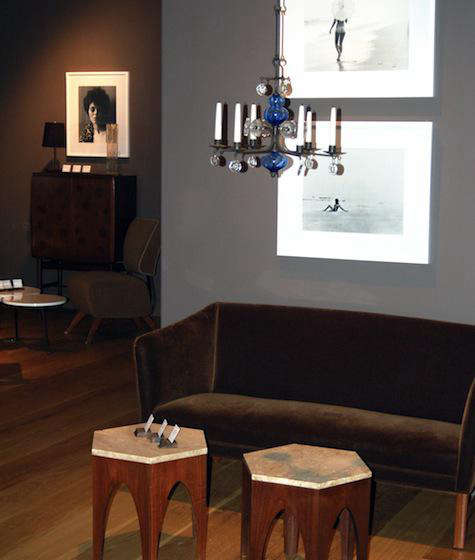
Think teak, clean lines, wool texturesand then add a Höglund chandelier to prevent the space from becoming a museum diorama. The iron adds gravity; the glass adds sparkle without turning into crystal-ballroom territory.
2) Brutalist and industrial spaces
Concrete, brick, steel, and big negative space love Höglund lighting. The iron frame echoes industrial materials, while the glass brings warmth and detail so the room doesn’t feel like a parking garage with better PR.
3) Modern rustic and “collected” homes
Höglund chandeliers look fantastic in homes that mix eras: vintage rugs, pottery, wood beams, and contemporary art. They feel authenticlike they belong in a place where objects have stories and nobody is afraid of patina.
Buying Guide: How to Shop Smart (Without Becoming a Chandelier Detective Full-Time)
Whether you’re collecting, reselling, or sourcing for a client, Höglund chandeliers reward a little homework. Here’s how to avoid the classic vintage-lighting plot twist: “It looked perfect online, and then it arrived… missing three glass pieces and any relationship with electricity.”
Check the structure first
- Frame integrity: look for bent arms, cracked joins, or repairs that change symmetry.
- Surface condition: oxidation and wear are common on iron; decide what’s acceptable for your aesthetic.
- Hanging hardware: chain length, canopy, and ceiling mount details matter more than people think.
Then verify the glass components
- Count the pieces: medallions, droplets, shades, or plaquesconfirm the set is complete.
- Look for chips and cracks: minor edge nicks happen; major cracks can be deal-breakers.
- Color consistency: mixed clear/amber/smoke can be originaljust confirm it matches documented examples.
Electrical safety is not optional
If the chandelier is electrified (or converted), confirm whether it has been rewired and tested. Vintage wiring can be unsafe, and “untested” in listings is often a polite way of saying, “We’re not touching that.” Budget for professional rewiring if you need itespecially for heavy fixtures.
Pricing and Value: What Influences the Market?
Höglund chandeliers show up across auctions and resale platforms with prices that can vary dramatically. That’s normal for vintage lighting: size, rarity, condition, and completeness (especially of glass components) change value fast. Two chandeliers can look similar in a thumbnail and be miles apart in real-world desirability.
In general, these factors tend to move the needle:
- Arm count and scale: more arms and larger diameter typically increase demand.
- Glass motif and complexity: distinctive medallions or face/fish reliefs can boost interest.
- Originality: intact original elements (and documented provenance) help.
- Condition: missing glass pieces, heavy corrosion, or amateur electrical work can reduce value quickly.
Example reality check: Even reputable auctions may list estimates in the thousands for strong examples, while other sales land lower depending on size, dating, and condition. This is why it’s smart to compare multiple comps rather than falling in love with a single price tag from a single listing.
How to Write (or Optimize) Content About “Eric Hoglund Chandelier” for SEO
If this article is headed to the web, your goal is to catch both the correct spelling and the common misspellingswithout making the page read like it was written by a robot who only eats keywords for breakfast.
Primary keyword cluster
- Eric Hoglund chandelier
- Erik Höglund chandelier
- Erik Hoglund lighting
- Kosta Boda Erik Höglund chandelier
LSI / related keywords to weave naturally
- Swedish mid-century chandelier
- wrought iron and glass chandelier
- Boda Nova Glassworks
- Axel Strömberg ironworks
- Scandinavian modern lighting
- vintage glass medallion chandelier
Pro tip: include a short “spelling note” early (like we did). It’s helpful to readers and it quietly captures the typo trafficbecause the internet is fueled by misspellings and iced coffee.
Care and Maintenance: Keep the Drama in the Design, Not in the Dust
Because these chandeliers often mix iron and glass, care is about being gentle but consistent.
Cleaning the glass
- Remove glass pieces if possible and safe to do so; photograph the arrangement first (future you will thank you).
- Use a soft cloth and mild cleaner; avoid harsh abrasives that can scratch or dull the surface.
- Dry thoroughly before rehanging to prevent water spots and hardware corrosion.
Cleaning the iron
- Dust regularly with a dry microfiber cloth.
- For oxidation, consult a professional if you’re unsureover-cleaning can remove desirable patina.
- Avoid soaking or aggressive chemical cleaners that can damage finishes.
Conclusion
An Erik Höglund chandelier is more than a light fixtureit’s functional sculpture, a piece of Swedish design history that refuses to be boring. With iron frames that feel hand-forged and glass elements that lean into texture, motif, and personality, these chandeliers bring mood in a way that mass-produced lighting simply can’t fake. Whether you’re collecting, decorating, or writing about design, Höglund’s work is a reminder that the most memorable interiors usually include at least one object that makes guests say, “Wait… what is that?” (in the best possible way).
Experiences Related to “Eric Hoglund – Chandeier” (Extra 500+ Words)
Owning (or even temporarily living with) an Erik Höglund chandelier tends to be an experience, not just a purchase. People often describe the moment it goes up as a kind of “ceiling ceremony”: the fixture is heavier than expected, the chain is longer than expected, and suddenly everyone in the room is an amateur structural engineer. That’s not a drawbackit’s part of the charm. A Höglund chandelier doesn’t quietly blend in; it arrives with presence.
One of the most common experiences collectors mention is how dramatically the chandelier changes throughout the day. In morning light, the glass can read crisp and architecturalclear or amber elements catching sun like small, controlled flares. At night, especially with warm bulbs or candle-style lighting, the mood shifts. The iron structure becomes more silhouette than object, while the glass turns into glowing punctuation marks. It’s the same fixture, but it performs two different roles: daytime sculpture, nighttime atmosphere machine.
Another surprisingly relatable experience: people learn the value of taking photos before cleaning. Because many Höglund chandeliers feature multiple hanging piecesmedallions, droplets, plaquesremoving them for cleaning can feel like disassembling a wearable art necklace the size of a small dog. Smart owners document the order, spacing, and orientation first. The less prepared learn a valuable life lesson: “I will remember where everything goes” is optimism, not a plan.
Designers and homeowners also talk about how Höglund chandeliers influence the rest of a room. Once the chandelier is installed, it becomes the anchor. Furniture choices often get edited afterward: a room that felt “finished” may suddenly look too polite, too matchy, or too flat. The chandelier pushes the space toward something more layeredmore wood grain, more texture, more objects with visible craft. It’s not unusual for someone to add a rough ceramic vase, a wool throw, or a vintage side table after the chandelier goes up, as if the room wants companions that can keep up.
In open-concept homes, people frequently notice that a Höglund chandelier solves a common problem: big rooms that feel emotionally blank. Modern open spaces can look stunning but sometimes lack a focal point with human energy. A wrought-iron-and-glass chandelier adds that missing “center of gravity.” It creates a visual gathering placeover a dining table, in an entry, or even in a stairwellwhere the architecture finally has a signature moment.
Collectors also swap stories about hunting missing parts. Because condition and completeness matter, some owners keep an informal “spare parts wish list,” watching auctions and resale platforms for matching medallions or replacement glass. It becomes a slow, satisfying scavenger hunt, like finishing a vintage set over time rather than buying perfection in one click. When someone finally finds the right piece, it’s weirdly triumphantlike the chandelier has been “made whole” again.
And then there’s the social experience: Höglund chandeliers are conversation magnets. Guests ask about them. People reach up to examine the glass motifs. Someone inevitably says, “I’ve never seen anything like this,” which is exactly the point. In a world where so many interiors look algorithmically identical, living with a Höglund chandelier is a small act of personality. It’s lighting with a pulseand it makes a home feel less like a catalog and more like a story.