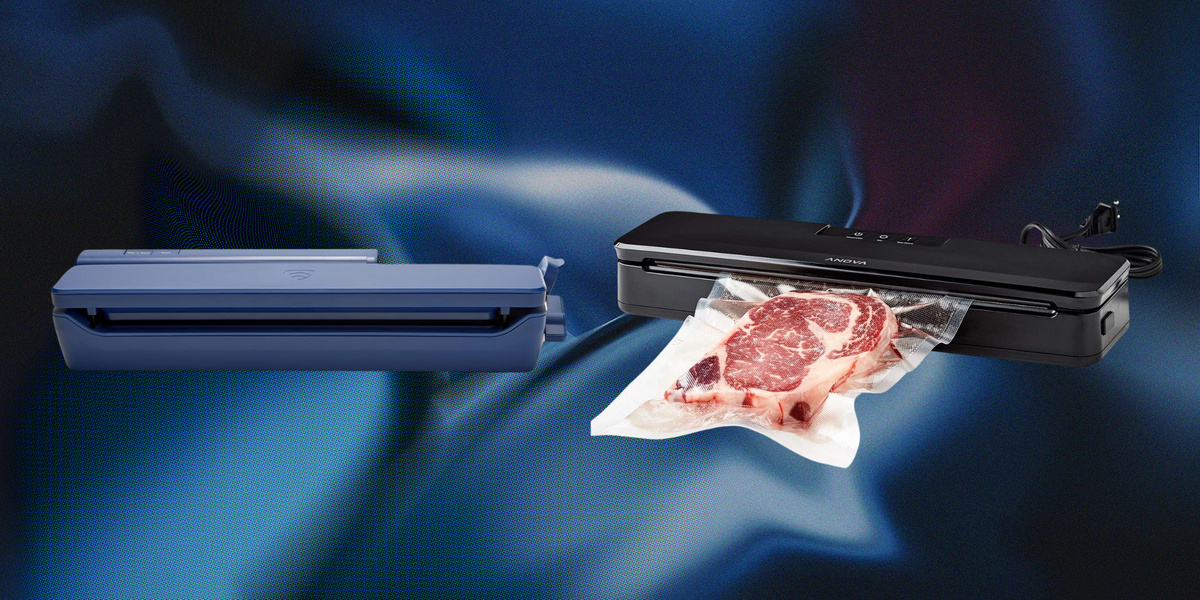
Groceries have become too expensive to treat like disposable confetti. A forgotten pack of chicken, a half-used block of cheddar, or a heroic bundle of farmers market asparagus can turn from “meal prep genius” to “science fair exhibit” surprisingly fast. That is where a top-tested vacuum sealer earns its counter space. By removing air from specially designed bags or containers, a vacuum sealer helps slow oxidation, reduce freezer burn, protect flavor, and keep food organized like your freezer finally hired a tiny project manager.
But vacuum sealers are not magic wands. They do not make food immortal, they do not replace refrigeration or freezing, and they definitely do not excuse mystery leftovers from 2022. The best food vacuum sealers work when you choose the right machine, use proper bags, label everything, and follow basic food safety rules. Done well, vacuum sealing can help stretch grocery dollars, make bulk buying smarter, support sous vide cooking, and reduce the heartbreak of tossing food you fully intended to eat.
What Is a Vacuum Sealer and Why Does It Matter?
A vacuum sealer is a kitchen appliance that removes air from a package and creates a tight heat seal. Less air means less oxygen exposure, which helps slow the processes that make food stale, dry, discolored, or freezer-burned. For home cooks, that translates into longer-lasting frozen meat, neater pantry staples, better-prepped leftovers, and fewer bags of freezer rubble labeled “probably soup.”
Most home vacuum sealers fall into two main categories: external vacuum sealers and chamber vacuum sealers. External models are the familiar countertop machines that pull air out of a textured bag and seal the edge. They are usually smaller, less expensive, and practical for everyday use. Chamber vacuum sealers remove air from the entire chamber, making them stronger with liquids, marinades, soups, and delicate foods. They are often heavier and pricier, but frequent bulk shoppers, hunters, gardeners, and sous vide fans may find them worth the splurge.
How Vacuum Sealers Help Extend Grocery Life
They Reduce Freezer Burn
Freezer burn happens when frozen food loses moisture and is exposed to dry freezer air. It is not usually dangerous, but it can make steak taste like cardboard wearing a winter coat. Vacuum sealing limits air contact, helping frozen meats, vegetables, breads, and prepared meals keep better texture and flavor. It is especially useful for bulk packs of chicken breasts, ground beef, fish fillets, berries, and blanched vegetables.
They Slow Oxidation
Oxygen is useful for breathing, less charming when it turns sliced apples brown or makes nuts taste stale. Vacuum sealing slows oxidation, which helps preserve color, aroma, and flavor in foods such as cheese, nuts, coffee beans, grains, and cooked proteins. For pantry items, vacuum canisters or jar attachments are often better than soft bags because they protect crushable ingredients.
They Make Meal Prep Less Chaotic
Vacuum-sealed portions stack neatly, thaw faster, and make your freezer easier to navigate. Instead of freezing one giant brick of taco meat, you can portion it into dinner-size packs. Instead of letting herbs wilt in the fridge like tiny green drama queens, you can freeze chopped herbs with a little oil and seal them flat. The result is not just longer grocery life; it is calmer weeknight cooking.
Top-Tested Vacuum Sealer Features That Actually Matter
Strong Suction and Reliable Seals
The whole point of a vacuum sealer is to remove air and keep it out. A weak seal can fail in the freezer or during sous vide cooking, which is both messy and deeply annoying. Look for models praised for consistent suction, wide sealing strips, and double-seal options. A double seal is especially helpful for moist foods, long freezer storage, and foods that will be cooked sous vide.
Moist and Dry Settings
Dry foods such as crackers, rice, and firm meats are easy. Moist foods are where cheaper sealers can get dramatic. Juices may get pulled toward the seal bar, preventing a clean seal. A good moist setting adjusts suction or sealing time to handle marinated meats, berries, cooked vegetables, and saucy leftovers. For very wet foods like soup or stew, freeze first in a shallow container, then vacuum seal the frozen block.
Pulse Mode for Delicate Foods
Pulse mode lets you control suction manually. This matters when sealing foods that crush easily, such as berries, muffins, cookies, chips, or flaky fish. Without pulse control, your vacuum sealer may turn a beautiful croissant into a laminated pancake. Delicious? Maybe. Emotionally avoidable? Absolutely.
Built-In Bag Storage and Cutter
A built-in roll holder and cutter are not essential, but they make sealing faster and tidier. If you seal food often, this feature saves time because you can cut custom-size bags directly from the roll. If you only seal occasionally, a compact model without storage may be easier to tuck into a cabinet.
Accessory Port
An accessory port lets you connect hoses for vacuum canisters, jar sealers, wine stoppers, and reusable containers. This is useful for pantry staples, leftovers, coffee, nuts, shredded cheese, and items you open frequently. Bags are great for freezer storage, but containers can be more practical for everyday refrigerator use.
Best Vacuum Sealer Types for Different Households
Best for Most Homes: A Midrange External Vacuum Sealer
For most families, a well-reviewed external vacuum sealer is the sweet spot. It handles meat, poultry, cheese, dry goods, freezer meals, and sous vide bags without demanding half the counter. Look for models with moist/dry settings, pulse mode, a removable drip tray, and a sturdy sealing bar. Many top-tested lists consistently highlight brands such as Nesco, FoodSaver, and Anova because they balance power, usability, and value.
Best for Bulk Shoppers: A Heavy-Duty External Model
If you buy warehouse-club packs of meat, split family-size cheese blocks, or freeze garden produce every summer, choose a more powerful model with a cooling period short enough for batch sealing. Some budget machines need rest time between seals, which can feel like waiting for a printer in 2003. A heavy-duty model should handle repeated sealing without overheating or producing weak seals.
Best for Soups, Marinades, and Serious Cooking: A Chamber Vacuum Sealer
Chamber vacuum sealers are excellent for liquids and high-moisture foods because pressure is equalized inside the chamber. That means less liquid gets sucked toward the seal. They can also compress fruit, quick-marinate proteins, seal soups, and prepare food for sous vide cooking. The tradeoff is size and price. For casual users, a chamber sealer may be overkill. For serious cooks, it can feel like unlocking a bonus level in the kitchen.
Best for Small Kitchens: A Compact Vacuum Sealer
If your kitchen has three drawers and one of them is already full of takeout chopsticks, compact matters. Slim vacuum sealers are easier to store vertically or slide beside cutting boards. They may not have built-in bag storage, but they still handle basic freezer protection and weekly meal prep. Choose one with clear controls and enough suction for meat and vegetables.
Best for Occasional Use: A Handheld Vacuum System
Handheld vacuum sealers work with special zipper bags or containers. They are affordable, small, and handy for cheese, deli meat, snacks, and leftovers. They are not always as airtight as heat-sealed bags for long freezer storage, but they are convenient for foods you open repeatedly. Think of them as the casual weekday option, not the deep-freezer bodyguard.
What Foods Should You Vacuum Seal?
Vacuum sealers are especially helpful for raw meats, poultry, fish, firm vegetables, hard cheeses, grains, nuts, coffee, leftovers, and prepared freezer meals. They are also useful for dividing large packages into recipe-ready portions. For example, you can buy a value pack of chicken thighs, season some for tacos, leave some plain for stir-fry, seal them flat, and freeze them in labeled bags.
For vegetables, blanching before freezing is often the best move. Blanching helps preserve color, flavor, and texture by slowing enzyme activity. After blanching, cool vegetables quickly, dry them well, freeze them on a tray if needed, and then vacuum seal. This works well for green beans, broccoli, carrots, corn, peas, and many garden vegetables.
Dry goods also benefit from vacuum sealing. Rice, flour, oats, dried beans, nuts, and dehydrated fruit can stay fresher when protected from air and moisture. However, powdery foods like flour should not be sucked directly into the machine. Seal them in their original paper bag inside a vacuum bag, or use vacuum containers instead.
Foods That Need Extra Care
Some foods should not be vacuum sealed raw and stored casually in the refrigerator because low-oxygen environments can create food-safety risks. Soft cheeses, raw mushrooms, garlic in oil, and certain fresh vegetables may require special handling. Vacuum sealing does not kill bacteria. It simply removes air, which helps quality but can also create conditions where some dangerous bacteria prefer to grow if food is stored improperly.
Fish deserves special attention. Vacuum-packed fish should be kept frozen or refrigerated according to safety guidance, and it is smart to remove fish from its vacuum packaging before thawing in the refrigerator. This lowers the risk associated with low-oxygen packaging and temperature abuse. In plain English: do not let vacuum-sealed seafood lounge around like it is on vacation.
Vacuum Sealing and Food Safety: The Rules You Should Not Ignore
Vacuum sealing is food storage, not food preservation in the canning sense. Perishable vacuum-sealed foods still need refrigeration or freezing. Raw meat, cooked leftovers, seafood, and prepared meals should not be left at room temperature simply because they are vacuum sealed. The absence of air does not grant food a superhero cape.
Always start with fresh food, clean hands, sanitized surfaces, and food-safe bags. Chill cooked food before sealing so steam does not interfere with the seal or raise refrigerator temperature. Label every package with the food name and date. Use freezer-safe bags for freezer storage, and rotate older packages forward so they get used first.
For sous vide cooking, use bags rated for heat and food contact. After cooking, serve food promptly or chill it quickly in an ice bath before refrigerating. If a bag loses its seal, leaks, smells off, looks swollen, or seems questionable, do not taste-test your way into regret. When in doubt, throw it out.
How to Choose the Best Vacuum Sealer for Your Kitchen
Match the Machine to Your Habits
Before buying, be honest about how you cook. If you freeze bulk meat monthly, invest in a sturdy countertop model. If you mainly save cheese and leftovers, a handheld or compact model may be enough. If you make soups, sauces, marinades, and sous vide meals often, consider a chamber sealer.
Check Bag Compatibility and Cost
Replacement bags are the hidden cost of vacuum sealing. Some machines require textured bags, while chamber sealers often use smoother, less expensive pouches. Rolls let you cut custom sizes, but pre-cut bags are faster. Reusable vacuum bags and containers can reduce waste for short-term storage, though they may not replace heat-sealed bags for long freezer sessions.
Look for Easy Cleaning
Moist foods happen. A removable drip tray is a beautiful thing when marinade tries to escape. Smooth controls, wipeable surfaces, and a clear sealing area also make cleanup easier. If cleaning the machine feels like assembling furniture from a cryptic manual, you will use it less.
Consider Noise and Size
Vacuum sealers are not silent. Some sound like a tiny shop vac having an opinion. If noise bothers you, read testing notes before buying. Also measure your storage space. A powerful machine is less impressive if it lives permanently on the floor because no cabinet will accept it.
Practical Ways to Use a Vacuum Sealer Every Week
Vacuum sealers shine when they become part of your grocery routine. After shopping, divide large packs of meat into meal-size portions. Add simple marinades before freezing, such as lemon-herb chicken, teriyaki pork, or taco-seasoned ground beef. Flatten bags before freezing so they stack neatly and thaw faster.
For leftovers, portion soups, stews, rice, casseroles, and cooked proteins into practical amounts. Freeze wet foods first, then seal. This prevents liquid from entering the sealer and gives you tidy freezer bricks that stack like delicious building blocks. For lunch prep, seal cooked chicken, roasted vegetables, or chili portions so future you can eat well without negotiating with the vending machine.
You can also vacuum seal non-food kitchen items such as emergency matches, recipe cards, or opened yeast packets, but keep food and non-food bags separate. Nobody wants garlic-scented camping supplies unless that is your brand.
Common Vacuum Sealing Mistakes
Overfilling the Bag
Leave enough space at the top of the bag for the seal. Three to four inches is often helpful, especially if you plan to reseal the bag later. If food is too close to the edge, the machine may struggle to create a clean seal.
Sealing Wet Food Without Pre-Freezing
Liquid can get pulled into the vacuum channel and ruin the seal. For juicy foods, use the moist setting, fold a paper towel near the top of the bag as a liquid barrier, or pre-freeze the food. For soups and sauces, freezing first is the cleanest solution.
Forgetting to Label
Vacuum-sealed food can look surprisingly mysterious after a few weeks. Label with the food name, date, and any seasoning. “Chicken, lemon garlic, June 24” beats “pale rectangle of uncertainty.”
Assuming Vacuum Sealed Means Shelf Stable
This is the big one. Vacuum-sealed perishable food must still be refrigerated or frozen. A vacuum bag does not turn cooked chicken into astronaut food. Follow safe storage times and temperatures.
Experience-Based Tips: What Actually Works in a Real Kitchen
After using vacuum sealers in everyday grocery routines, the biggest lesson is that the machine is only as useful as the system around it. The people who get the most value are not necessarily the fanciest cooks. They are the ones who seal food the same day they shop, label everything, and freeze packages flat. That simple habit can turn a chaotic freezer into something that looks almost suspiciously responsible.
One of the best uses is dividing bulk meat immediately. A family pack of ground beef can become four one-pound bags, pressed flat and stacked. Chicken breasts can be sealed individually so you can thaw exactly what you need. Pork chops can be paired with marinades before freezing, which means dinner starts halfway finished. The marinade does not magically penetrate like a culinary laser beam, but it does save prep time and keeps flavors organized.
Another practical win is cheese. Hard and semi-hard cheeses often last longer when vacuum sealed between uses. Cut a large block into smaller chunks, seal the extras, and keep one piece available for daily use. This helps avoid the classic refrigerator tragedy: discovering a beautiful cheddar wearing a fuzzy sweater. For shredded cheese, vacuum containers or gentle suction are better than aggressive sealing, unless you enjoy cheese compacted into a dairy brick.
For produce, vacuum sealing works best with planning. Berries should be frozen on a tray first so they do not crush. Blanched vegetables should be dried well before sealing. Leafy greens are usually better in containers with gentle vacuum than in bags. Herbs can be chopped and frozen with olive oil in small portions, then sealed after solid. This makes soups, sauces, and skillet meals taste brighter with almost no effort later.
Leftovers are where vacuum sealing quietly becomes a weeknight hero. Chili, curry, pasta sauce, pulled pork, cooked rice, and roasted vegetables can all be portioned for future meals. The trick is to cool food safely, freeze messy items first, and seal them once firm. Flat frozen portions thaw faster than bulky containers and take up less room. They also prevent the freezer from becoming a museum of unlabeled bowls.
There are a few annoyances. Bags cost money, and it is easy to use oversized pieces at first. A roll cutter helps reduce waste. Moisture can interfere with sealing, so patience matters. Also, not every food needs vacuum sealing. If you will eat leftovers tomorrow, a regular container is fine. Save the vacuum bags for food that needs real protection: freezer meats, bulk buys, delicate dry goods, and prepped meals.
The best personal rule is simple: vacuum seal with a purpose. Seal by meal, not by ingredient chaos. Label by date, not by optimism. Freeze flat, rotate often, and keep a marker near the machine. A vacuum sealer will not cook dinner for you, but it can make future dinner much easier to find, thaw, and enjoy. In a kitchen where groceries cost more and schedules feel busier, that is a small appliance doing very grown-up work.
Conclusion
A top-tested vacuum sealer is one of the most practical tools for extending the life of your groceries, especially if you buy in bulk, freeze leftovers, cook sous vide, or simply hate wasting food. The best vacuum sealer for your kitchen depends on your habits: compact external models work for most homes, heavy-duty machines suit batch sealing, and chamber sealers are ideal for liquids and serious cooking projects.
The real secret is not just owning the machine. It is using it wisely. Start with fresh food, choose the right bags or containers, keep perishable foods cold, label everything, and remember that vacuum sealing protects quality but does not replace food safety. Do that, and your freezer becomes less of a frozen junk drawer and more of a savings account you can eat.