Labels are the tiny, polite bouncers of your house. They don’t judge what you own (okay, maybe they quietly side-eye your
“miscellaneous cords” bin), but they do keep things in the right placeand they help everyone in the household remember
where “the right place” actually is.
If you’ve ever spent five minutes looking for the scissors while holding a half-open Amazon box like a tragic modern art
sculpture, you already understand the power of a good label. This guide shows you how to find free downloadable storage labels,
print them cleanly, and use them room-by-room so your systems last longer than a single motivated Saturday.
Why labels work (and why some label systems flop)
Labels succeed because they remove decision fatigue. Instead of thinking “Where should this go?” you’re simply matching an item
to a category. They also make organization social: labels teach other people your system without you giving a tour that starts
friendly and ends with “PLEASE STOP PUTTING BATTERIES IN THE SOCK DRAWER.”
What makes labels stick as a habit
- Clear categories: “Snacks” beats “Food Items” because it’s instantly obvious.
- Visible placement: If the label is hidden, your system becomes interpretive dance.
- Consistency: Same font, same placement, same tone (“Baking” and “Baking-ish” shouldn’t be different bins).
- Realistic granularity: Too broad = chaos. Too specific = nobody follows it. Find the Goldilocks zone.
Before you download: choose a label system that fits your home
The best labels are the ones you’ll actually use. A Pinterest-perfect label set is useless if it requires a craft degree and
three hours of “weeding vinyl” every time you buy new cereal.
Pick your label format
- Printable sheet labels: Great for pantry bins, shelves, files, and storage totes. Fast and budget-friendly.
- Label maker tape: Best for curved containers, quick edits, and high-traffic spots (think: kids’ bins, cables).
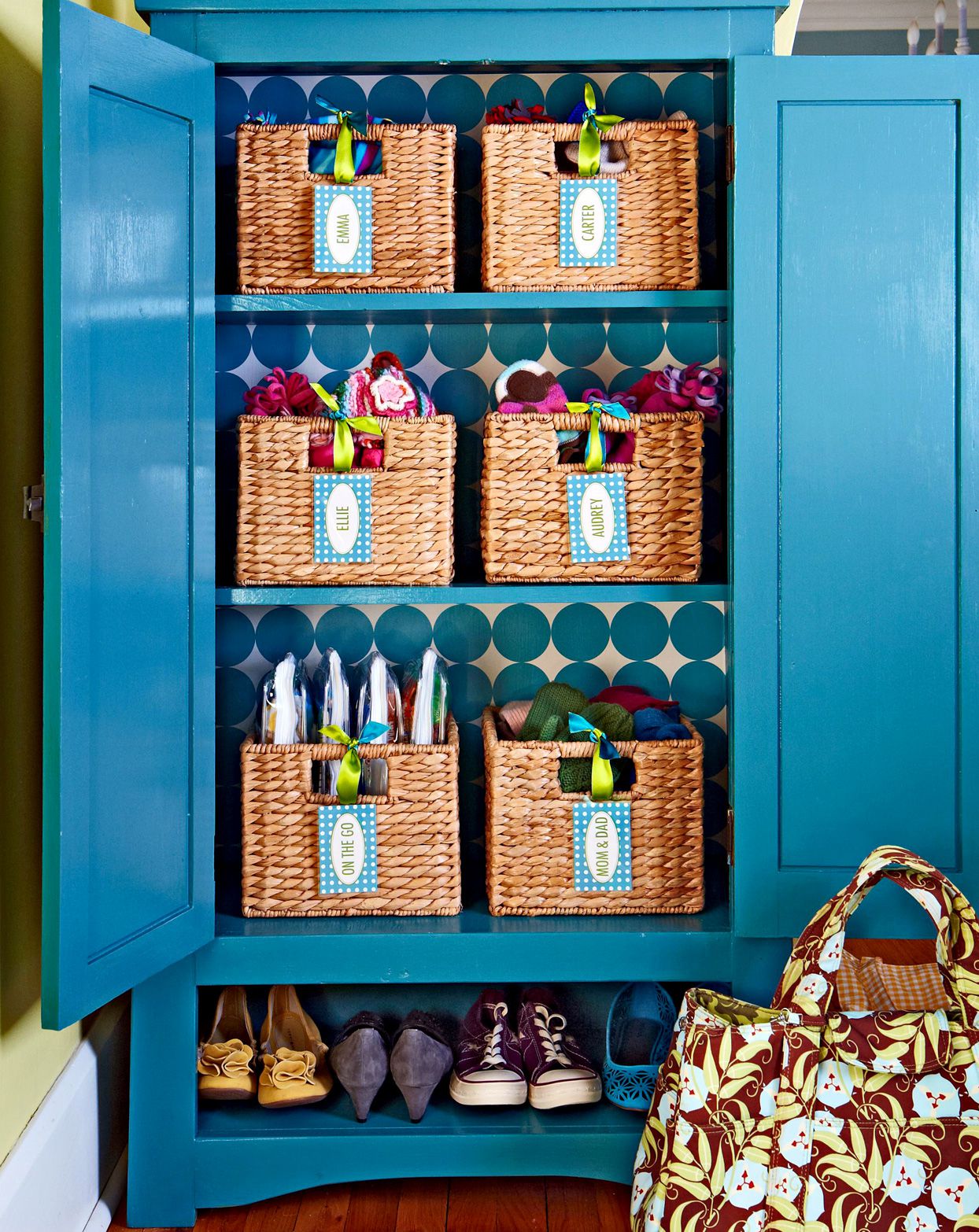
- Hang tags: Perfect for baskets, wire bins, and anything you don’t want adhesive on.
- Clear decals: Nice on glass and acrylic if you want a “minimal” look.
Pick the durability level (a.k.a. “Will the bathroom steam destroy this?”)
- Basic paper labels: Fine for closets, drawers, files, and dry pantry shelves.
- Water-resistant labels: Better for laundry rooms, bathrooms, and kitchens.
- Laminated labels: Best for garages, kid zones, and any bin that gets handled daily.
Pick your label style language
Labels can be “minimal and sleek,” “cute and friendly,” or “I’m labeling this because I love peace.” Choose what matches your home.
If multiple people use the space, consider adding simple icons (trash bag, toothpaste, soccer ball) or a second language line.
Where to find free downloadable storage labels (the legit, not-sketchy options)
“Free downloadable” should mean easy and safe: clean templates, correct sizes, and no weird software surprises.
Here are reliable places to start, plus how to use them without falling into a formatting hole.
1) Free templates from label brands (fastest path to correct sizing)
- Avery templates: Common sheets like address labels and shipping labels; works with Word and online editors.
- OnlineLabels templates: Lots of shapes and free downloads; good if you like full-sheet sticker paper too.
- WorldLabel templates: Handy for standard sizes and blank layouts.
- SheetLabels templates: Free layouts and design tools for many sheet formats.
2) Free templates in Word or Google Docs
If you want simple text labels (and you dosimple is how systems survive), a document template can be your best friend.
Use a label template, type your categories, and print. The key is picking the exact product code/size so things align.
3) Free printable label sets from trusted home-organization sites
Many home sites offer free pantry label PDFs, editable files, and organizing ideas you can copy into your own template.
If you find a set you love, you can still “make it yours” by adjusting category names to match how you shop and store.
How to print storage labels that look good and don’t peel off in a week
Step 1: Use the right print settings
- Select 100% scale (not “fit to page”) unless the template says otherwise.
- Choose best quality or “labels” if your printer offers it.
- Print a test page on plain paper first and hold it behind the label sheet to check alignment.
Step 2: Match adhesive to the surface
- Plastic bins: Clean with a little rubbing alcohol first so oils don’t weaken the stick.
- Fabric bins: Use hang tags or label holders. Adhesives and fabric are frenemies.
- Wire baskets: Tags, clips, or adhesive label pockets work better than trying to stick to air.
Step 3: Make “basic” labels more durable with simple upgrades
- Clear tape laminate: Put clear packing tape over a paper label and trim the edges.
- Self-adhesive laminating sheets: Great for kid bins and garages.
- Label pocket + paper insert: The easiest way to edit categories without reprinting everything.
Room-by-room: free label ideas and copy/paste label packs
Below are practical label sets you can copy into a free template (or into your label maker). Adjust names to fit your household.
If you buy “snack packs,” label that. If you buy “tiny cheese that disappears,” label that too. (It’s always the tiny cheese.)
| Room | What to Label | Best Label Type |
|---|---|---|
| Kitchen & Pantry | Bins, shelves, canisters, backstock | Printable sheet labels |
| Bathroom | Drawers, under-sink bins, medicine storage | Water-resistant labels or tags |
| Laundry | Detergent shelf, stain sprays, “lost socks” | Printable or laminated labels |
| Closets | Shelves, seasonal bins, shoe boxes | Tags or printable labels |
| Kids’ Spaces | Toys, crafts, school supplies | Big labels + icons, laminated |
| Home Office | Files, cords, tech drawers | Label maker tape |
| Garage / Storage | Tools, holiday décor, hardware | Laminated + large text |
Kitchen & Pantry labels (the “make it grocery-store obvious” set)
Pantry labels work best when they reflect how you shop. A popular trick is separating daily use from
backstock so overflow doesn’t crowd your main shelves.
- Baking
- Breakfast
- Snacks
- Pasta & Grains
- Rice
- Canned Goods
- Soups
- Sauces
- Spices
- Oils & Vinegars
- Tea & Coffee
- Kids’ Snacks
- Gluten-Free
- Backstock
- Grab & Go
Fridge & Freezer labels (because mystery containers deserve retirement)
Use labels that can handle moisture. Add dates for leftovers if your fridge tends to become a suspense novel.
- Leftovers (Eat First)
- Meal Prep
- Lunchbox
- Condiments
- Breakfast
- Snacks
- Cheese
- Deli / Proteins
- Produce
- Freezer: Veggies
- Freezer: Meat
- Freezer: Bread
- Freezer: Smoothies
Bathroom labels (small space, big payoff)
Bathrooms stay tidy when you label categories, not individual items. Think “Hair” rather than “Curl cream, 4.2 oz.”
(Unless you love spreadsheetsno shame.)
- First Aid
- Medications
- Hair
- Skincare
- Dental
- Feminine Care
- Travel Toiletries
- Extra Towels
- Guest Supplies
- Cleaning
- Refills
Laundry room labels (where good intentions go to be reborn)
Laundry areas love labels because everything looks similar: bottles, sprays, pods, powders. Labels stop you from grabbing
stain remover when you meant wrinkle release (and then wondering why the shirt smells like “effort”).
- Detergent
- Pods
- Fabric Softener
- Bleach
- Stain Removers
- Delicates
- Dryer Sheets
- Lint Roller
- Sewing Kit
- Lost Socks (Reunion Center)
Bedroom & closet labels (seasonal sanity)
Labeling seasonal bins helps you rotate clothes and linens without opening six boxes and accidentally starting a scarf avalanche.
Use tags if you want to reuse bins for different seasons.
- Winter Sweaters
- Summer Shorts
- Cold Weather Gear
- Beach / Pool
- Extra Bedding
- Guest Linens
- Shoes
- Accessories
- Donation
- Alterations
Kids’ room & toy labels (make cleanup kid-proof)
The secret is big labels placed at kid eye level, plus simple categories. Too many bins = decision overload.
Fewer bins = faster cleanup. Your future self will thank you.
- Blocks
- Cars
- Dolls
- Stuffed Animals
- Art Supplies
- Books
- Puzzles
- Dress-Up
- Legos
- School Supplies
Home office labels (the “cord drawer” truce)
Offices benefit from label maker tape because you’ll tweak categories as technology changes. (RIP to every random cable from 2011.)
- Chargers
- USB Cables
- Adapters
- Headphones
- Batteries
- To File
- Important Documents
- Office Supplies
- Printer Paper
Garage & storage labels (go bigger than you think)
Garage labels should be readable from a few feet away. Use large text and durable protection. This is not the room for dainty script.
- Holiday Decor
- Camping Gear
- Sports Equipment
- Tools
- Hardware
- Paint Supplies
- Car Care
- Light Bulbs
- Extension Cords
- Donation Drop-Off
Entryway / mudroom labels (the “drop zone” that actually works)
A labeled entry area reduces piles. Assign a home for the things that usually land on the nearest surface: shoes, bags, mail, dog gear.
- Keys
- Wallets
- Outgoing Mail
- To Sign
- School Papers
- Shoes
- Hats & Gloves
- Dog Leash
- Sunscreen
- Umbrellas
Labeling rules that keep your home organized longer than a weekend
1) Declutter first (labels don’t fix “too much stuff”)
Labels are not magical. If a shelf is overstuffed, a label is basically a name tag at a crowded party: it helps, but it can’t
create breathing room. Start by removing duplicates and expired items before you label.
2) Create zones, then label the zone
A zone is “all things for one purpose” in one place: baking, school mornings, pet care. Labeling zones makes the system intuitive
and helps other people put things away without guessing.
3) Use “Backstock” to stop overflow from wrecking your shelves
Bulk shopping works best when it has boundaries. A labeled “Backstock” bin prevents the “Where do I put the extra six jars of pasta sauce?”
question from turning into a pantry Jenga situation.
4) Make labels easy to update
If you’re likely to change categories (kids grow, hobbies shift, snack preferences evolve), use label pockets, tags, or a label maker.
Flexibility is the difference between a living system and a museum exhibit.
Troubleshooting: quick fixes for common label problems
- Labels peel off: Clean the surface first, switch to stronger adhesive, or laminate.
- Ink smears: Use “best quality” printing and let labels dry fully before handling.
- People ignore the system: Labels are too vague or too specific. Simplify categories and place labels where items land.
- Too many labels looks cluttered: Label the container, not every individual item.
- Hard to read: Increase font size, use all caps sparingly, and avoid thin script fonts for storage rooms.
Conclusion: small labels, big calm
The goal of free downloadable storage labels isn’t to make your home look like a catalog. It’s to make your home
easier to live in: less searching, less re-buying things you already own, and fewer “where does this go?” debates.
Start with one high-impact zone (pantry, laundry, or the entryway), use a free template that matches your label sheets, and keep categories simple.
Once your system works in one room, you can copy the same approach everywhereand suddenly your whole home feels more “on purpose.”
Real-world experiences: what people learn after labeling a whole house (and what they wish they’d done first)
When people start using free downloadable storage labels, the first surprise is how quickly the tone of a room changes. A pantry
with clear categories feels calmer, even if it isn’t “perfect.” The label acts like a tiny signpost: it tells your brain, “This space is
handled.” And once one space feels handled, you get momentum to tackle the next.
The most common experience is also the most relatable: everyone begins by labeling what’s already there… and then realizes the categories
don’t match real life. For example, “Snacks” turns out to be three different worlds: “Kids’ Snacks,” “Healthy Snacks,” and “I bought this
because I had a long day.” The fix isn’t shameit’s editing. The best systems are revised systems. People who succeed long-term treat labels
like a playlist, not a tattoo.
Another pattern: households that share spaces (roommates, families, busy couples) get the biggest payoff. Labels reduce the “ask the manager”
problemwhere one person becomes the walking instruction manual for the entire house. With labels, anyone can restock paper towels, find the
tape, or put the cereal back without starting a scavenger hunt. The label becomes a quiet agreement: this is where this belongs.
People also discover that durability matters less than they think in some areasand more than they think in others. Closet labels can be simple
paper. Garage labels should be tough. Bathroom labels need moisture resistance. The “best” label material is the one that matches the environment
and how often hands touch the bin. In high-traffic areas, laminated labels or label pockets often feel like a cheat code: they handle friction,
bumps, and quick category changes without looking worn out.
Finally, a lot of people learn a lesson that feels almost unfair: labels work best when you label behavior, not objects. Instead of
labeling a bin “Random Stuff,” label it “Returns,” “To Donate,” or “Fix-It.” Those labels tell you what to do next, not just what something is.
When labels guide actions, clutter moves out faster and stays gone longer. And if your home ever starts drifting back to chaos (because life),
you can reset in ten minutes by straightening the labeled binsno full weekend overhaul required.