If your gums bleed every time you floss, your mouth is not being “dramatic.” It is trying to get your attention. In the world of gum disease, the two big names people hear most often are gingivitis and periodontitis. They sound similar, they are related, and they both involve unhappy gums. But they are not the same thing.
Understanding the difference between gingivitis vs. periodontitis matters because one is usually reversible, while the other can permanently damage the tissues and bone that support your teeth. In plain English: gingivitis is often the warning light on the dashboard; periodontitis is what can happen when that warning light gets ignored for too long.
This guide breaks down the differences, symptoms, causes, diagnosis, and treatments in a way that is easy to follow, medically accurate, and hopefully less painful than a surprise deep cleaning. Let’s get into it.
What Are Gingivitis and Periodontitis?
Gingivitis: The Earlier, Milder Stage
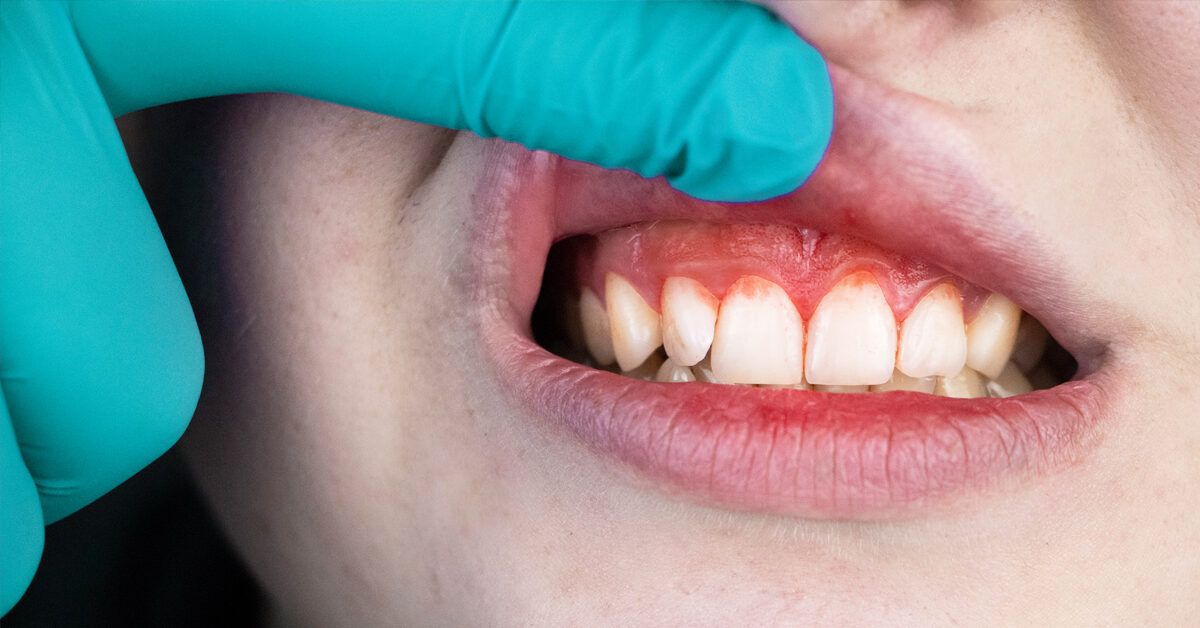
Gingivitis is the earliest stage of gum disease. It happens when plaque, a sticky film of bacteria, builds up on the teeth and around the gumline. That buildup irritates the gums and causes inflammation. The result is usually redness, swelling, tenderness, and bleeding when brushing or flossing.
The good news is that gingivitis usually does not involve bone loss. That is why it is often considered reversible with professional dental care and strong home hygiene habits. Catch it early, and your gums can often bounce back nicely.
Periodontitis: The Deeper, More Serious Problem
Periodontitis develops when gingivitis is not treated or when risk factors make gum disease more aggressive. At this stage, the inflammation extends below the gumline and begins to damage the structures that hold your teeth in place. Gums can pull away from the teeth, forming pockets that collect bacteria, tartar, and debris.
Over time, the body’s inflammatory response and the bacterial infection can lead to loss of connective tissue and bone. Teeth may loosen, shift, feel sensitive, or eventually fall out. That is the major difference: periodontitis is not just irritated gums; it is a disease that can compromise the foundation of your teeth.
Gingivitis vs. Periodontitis at a Glance
| Feature | Gingivitis | Periodontitis |
|---|---|---|
| Stage of disease | Early stage of gum disease | Advanced stage of gum disease |
| Main problem | Inflamed gums | Inflamed gums plus deeper tissue and bone damage |
| Bleeding gums | Common | Common |
| Bone loss | No | Yes |
| Loose teeth | Uncommon | Possible, especially in advanced cases |
| Reversible? | Usually yes | Damage is not fully reversible, but disease can be managed |
| Typical treatment | Professional cleaning and improved home care | Deep cleaning, close monitoring, and sometimes surgery |
Symptoms: How to Tell the Difference
Common Gingivitis Symptoms
- Red or puffy gums
- Bleeding when brushing or flossing
- Tender gums
- Mild bad breath
- Gum irritation with little or no pain
One reason gingivitis is easy to ignore is that it often does not hurt much. A lot of people assume a little pink in the sink is normal. It is not. Your gums should not bleed just because a toothbrush showed up for work.
Common Periodontitis Symptoms
- Persistent bad breath or a bad taste in the mouth
- Gums pulling away from the teeth
- Deeper spaces or “pockets” around teeth
- Pus between the teeth and gums
- Loose, shifting, or separating teeth
- Painful chewing
- Changes in how your bite feels
- Partial dentures that fit differently
In other words, gingivitis symptoms are mostly about inflamed soft tissue, while periodontitis symptoms can include signs that the support system under the gums is being damaged.
Why Gingivitis Turns Into Periodontitis
The usual starting point is plaque buildup. If plaque is not removed well with brushing and cleaning between the teeth, it can harden into tartar. Tartar gives bacteria an even better place to hang out, which is not the kind of hospitality your gums need.
As the irritation continues, the gums stay inflamed. In some people, that inflammation remains at the gingivitis stage. In others, it progresses deeper into the tissues, creating periodontal pockets and destroying the ligaments and bone that anchor the teeth.
Major Risk Factors
- Poor oral hygiene: Plaque gets more time to build up and mature.
- Smoking or tobacco use: This raises gum disease risk and can make healing harder.
- Diabetes: Especially when blood sugar is not well controlled.
- Age: Periodontitis becomes more common as people get older.
- Genetics: Some people are simply more prone to periodontal disease.
- Hormonal changes: Pregnancy, puberty, and menopause can affect gum sensitivity.
- Dry mouth or certain medications: Reduced saliva can make plaque-related problems worse.
- Crooked teeth or faulty dental work: These can create plaque traps that are hard to clean.
A practical example: two people can have similarly average brushing habits, but the person who smokes and has uncontrolled diabetes may develop more severe gum disease faster and respond less well to treatment.
How Dentists Diagnose Gingivitis and Periodontitis
A dentist or periodontist usually diagnoses gum disease through a combination of:
- A visual exam of the gums
- A review of symptoms and medical history
- Measurement of gum pocket depth using a periodontal probe
- Dental X-rays to check for bone loss
Healthy gum pockets are generally shallow. When pockets become deeper, plaque and bacteria can hide below the gumline where routine brushing cannot reach. That is one reason periodontitis often needs more than a standard cleaning.
Your dental professional may also stage and grade periodontitis based on how severe it is, how much tissue has been lost, how fast it may be progressing, and whether risk factors like smoking or diabetes are in the picture.
Gingivitis Treatment: What Usually Works
The main goal of gingivitis treatment is simple: remove the bacterial buildup and calm the inflammation before it progresses.
1. Professional Dental Cleaning
This is usually the first step. Your dentist or hygienist removes plaque and tartar from above and below the gumline. Once the irritants are gone, the gums often begin to heal.
2. Better Home Care
Daily brushing with fluoride toothpaste and cleaning between the teeth are the real long-game tools. If you only floss the day before your dental appointment, your gums already know the truth.
3. Helpful Adjuncts
Some people benefit from an antiseptic or prescription mouth rinse, such as chlorhexidine, for short-term use. These products can help reduce inflammation and bleeding, but they are not a replacement for brushing, flossing, or professional cleanings.
4. Fixing Contributing Dental Issues
Poorly fitting crowns, rough restorations, or crowded teeth can make plaque harder to remove. If those issues are feeding the problem, your dentist may recommend correcting them.
With prompt care, gingivitis often improves within days to weeks. That is why catching it early is such a big win.
Periodontitis Treatment: More Than a Routine Cleaning
Periodontitis treatment is designed to control infection, reduce pocket depth, protect the remaining support structures, and help you keep your teeth for as long as possible.
1. Scaling and Root Planing
This is the standard first-line nonsurgical treatment for many cases. It is often called a deep cleaning. Scaling removes plaque and tartar from below the gumline. Root planing smooths the tooth roots so bacteria are less likely to stick and the gums can reattach more effectively.
Unlike a quick “open wide and rinse” appointment, this procedure goes deeper and may be done with local anesthesia for comfort.
2. Antibiotics or Antimicrobial Therapy
Depending on the case, your dentist may use local antibiotic gels, antimicrobial chips, prescription rinses, or oral antibiotics as an adjunct. These are not always necessary, but they may be useful when infection is more significant or pockets are harder to control.
3. More Frequent Maintenance Visits
After active treatment, many patients need periodontal maintenance more often than the standard twice-a-year cleaning schedule. This is because gum disease can become a chronic condition that needs close follow-up.
4. Surgical Treatment for Advanced Disease
When periodontitis is severe, surgery may be needed. Options can include:
- Pocket reduction or flap surgery: The gums are lifted back so the roots and bone can be cleaned more thoroughly.
- Bone grafting: Helps rebuild areas where bone has been lost.
- Soft tissue grafting: Covers exposed roots or restores lost gum tissue.
- Guided tissue regeneration: Encourages regrowth of bone and supporting tissue in certain cases.
The key thing to know is that periodontitis can be managed, and treatment often slows or stabilizes the disease. But once bone and attachment are lost, the goal is usually control and preservation, not a magical rewind button.
Can Gingivitis and Periodontitis Be Prevented?
In many cases, yes. Prevention is gloriously less expensive and much less annoying than advanced treatment.
Smart Prevention Habits
- Brush your teeth twice a day with fluoride toothpaste.
- Clean between your teeth every day with floss, interdental brushes, picks, or a water flosser if recommended.
- See your dentist regularly for exams and professional cleanings.
- Do not smoke or use tobacco.
- Manage diabetes and other chronic conditions carefully.
- Ask your dentist whether you are at higher risk because of genetics, medications, pregnancy, or dry mouth.
If you are prone to buildup, bleeding gums, or deeper pockets, your dentist may recommend more frequent maintenance. That is not punishment. It is strategy.
When to See a Dentist
Make an appointment if you notice:
- Bleeding gums that keep happening
- Swollen, red, or sore gums
- Receding gums
- Persistent bad breath
- Loose teeth or changes in your bite
- Pus, pain, or obvious infection around the gums
Do not wait for severe pain. Gum disease often progresses quietly, which is part of what makes it so sneaky. Teeth can lose support long before they start making dramatic complaints.
Bottom Line
When comparing gingivitis vs. periodontitis, the biggest difference is depth and damage. Gingivitis is limited to gum inflammation and is often reversible with prompt care. Periodontitis is a more advanced infection that can destroy the bone and tissues supporting the teeth. It requires more intensive treatment and ongoing maintenance.
The upside is that both conditions are treatable, especially when caught early. If your gums bleed, look swollen, smell funky, or seem to be pulling away from your teeth, do not shrug it off. A quick dental visit now can save you from a much bigger problem later.
Real-Life Experiences: What Gum Disease Often Feels Like Day to Day
Many people expect dental problems to hurt immediately and dramatically. Gum disease often does not work that way. One of the most common experiences with gingivitis is confusion. A person notices a little bleeding when flossing, maybe some puffiness near the front teeth, and a mouth that never feels fully fresh. Because there is often little pain, they assume it is minor or temporary. They switch toothpaste, brush harder, or skip flossing because “it always bleeds anyway,” which unfortunately can make the cycle worse.
A typical gingivitis experience often starts with small signs: the gums look darker or redder than usual, the edge of the gumline appears puffy, and brushing leaves pink foam in the sink. Some people notice bad breath that keeps coming back even after mouthwash. Others say their mouth feels “off” without being able to explain why. After a professional cleaning and a couple of weeks of consistent home care, many of these same people are surprised by how quickly their gums improve. Bleeding decreases, breath improves, and the mouth starts to feel cleaner in a way that mouthwash alone never achieved.
The experience of periodontitis is usually more complicated. Some people still have very little pain, which is why the diagnosis can come as a shock. They may notice that teeth look longer because the gums are receding. Food starts getting stuck in places where it never used to. Floss may slide into deeper spaces. There may be a strange taste in the mouth, tenderness when chewing on one side, or the unsettling feeling that a tooth has become slightly loose. Dentures or partials may fit differently. Sometimes the person’s first clue is not pain but movement: “My bite feels weird,” or “My front teeth shifted.”
Treatment experiences are different too. For gingivitis, patients often describe relief after a routine cleaning and a renewed brushing-and-flossing routine. For periodontitis, deep cleaning can feel like a more serious turning point. There may be local anesthesia, multiple visits, tenderness afterward, and a new maintenance schedule. Some people feel discouraged at first because the diagnosis sounds permanent. But many also feel empowered once they understand what is happening and what they can do about it. Knowing that daily habits, smoking cessation, and better control of diabetes can improve outcomes gives people a path forward.
Emotionally, gum disease often comes with a mix of guilt, surprise, and motivation. Patients may blame themselves, even when genetics, dry mouth, smoking history, or medical conditions also played a role. What usually helps most is a practical mindset: understand the stage, follow the treatment plan, and focus on what you can control now. In real life, success often looks less like perfection and more like consistency. Better brushing. Daily cleaning between the teeth. Regular follow-ups. Fewer missed appointments. Less bleeding. Shallower pockets. More stable teeth. Those steady improvements matter, and they are exactly why early action is worth it.
Conclusion
Healthy gums are supposed to be quiet coworkers, not attention-seeking chaos gremlins. If they are bleeding, swelling, receding, or making your bite feel strange, they are trying to tell you something important. Gingivitis is the early warning. Periodontitis is the serious sequel. The sooner you act, the better your odds of protecting your smile, your comfort, and your future dental bills.