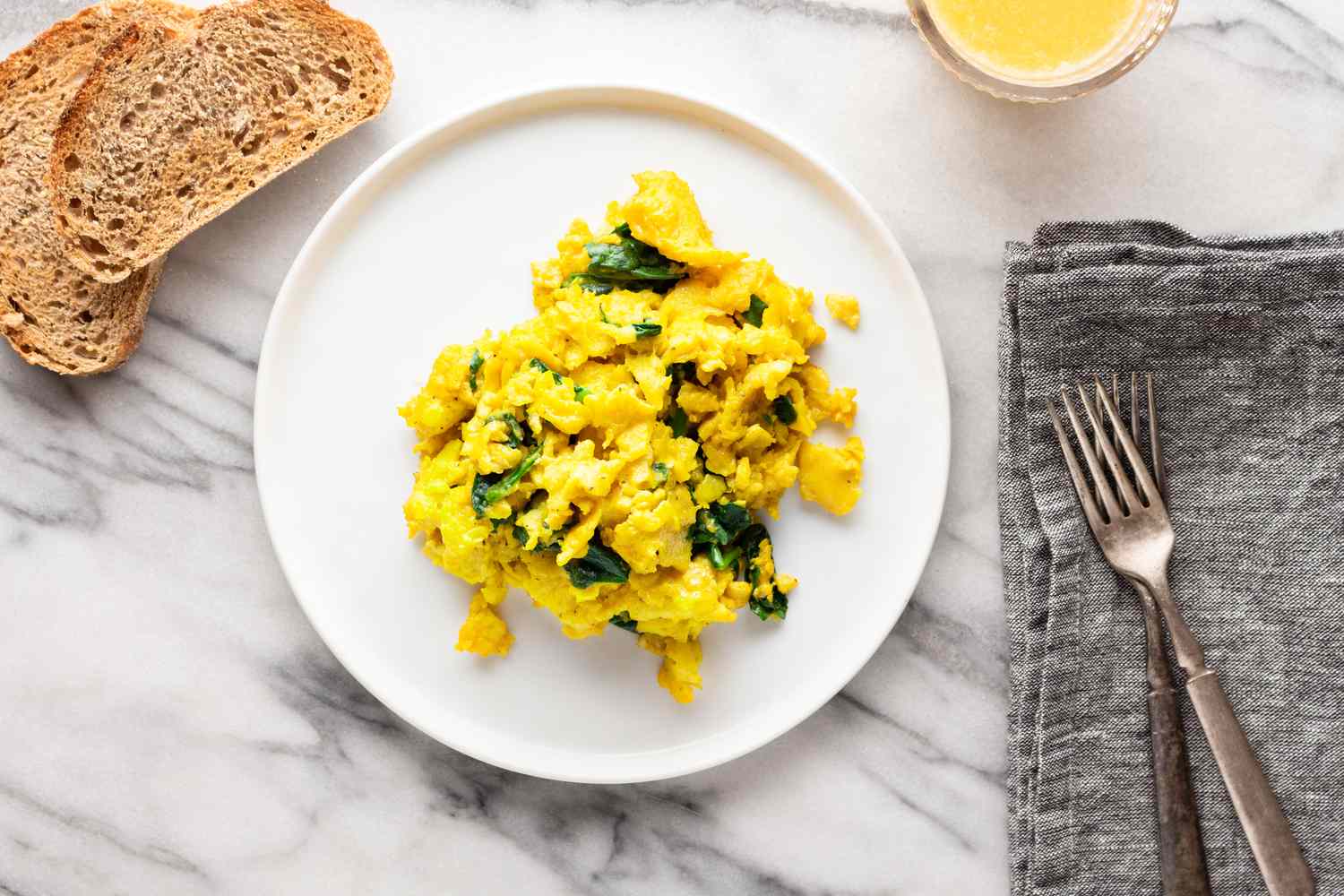
Some breakfasts try way too hard. This one doesn’t. It’s just eggs + spinach + a few smart moves that turn “meh, I ate something” into “wow, I should take a bow.” In about 10 minutes, you get fluffy scrambled eggs, tender spinach, and a meal that feels light but keeps you full.
Even better: this recipe is easy to customizehigher protein, dairy-free, lower sodium, spicier, cheesier (still healthy!), or meal-prep friendly. Let’s make your skillet do the heavy lifting.
Why This Spinach Egg Scramble Counts as “Healthy”
1) High-quality protein without a complicated plan
Eggs are one of the simplest ways to get complete protein at breakfast. Pair them with spinach and you’ve got a nutrient-dense combo that can help with satietyaka fewer “why am I hungry again?” moments before lunch.
2) Spinach brings the “micronutrient magic”
Spinach is low-calorie but rich in nutrients, including vitamin K and folate, plus carotenoids like lutein and zeaxanthin (the ones people love to mention when they’re talking about eye health). It also adds volume and colorbecause green food makes us feel like we have our life together.
3) Heart-health friendly when you watch the add-ons
Egg yolks contain dietary cholesterol, so the “healthiest” version is less about fearing eggs and more about avoiding a breakfast that comes with a side of lots of saturated fat (think: heaps of butter + processed meat every day). Using olive oil or a modest amount of butter, adding veggies, and pairing with fiber-rich sides is a practical approach. If you’ve been told to limit cholesterol or saturated fat for medical reasons, use the swaps below and follow your clinician’s guidance.
Healthy Scrambled Eggs With Spinach: The Recipe
Quick overview
- Time: 10 minutes
- Servings: 1 (big) or 2 (lighter)
- Skill level: If you can stir, you can win
Ingredients
- 4 large eggs
- 2 packed cups fresh baby spinach (or 1 cup chopped regular spinach)
- 1 teaspoon olive oil or 1 teaspoon butter
- 2 tablespoons milk (dairy or unsweetened soy) optional, for fluff
- 1–2 tablespoons plain Greek yogurt optional, for extra protein and creaminess
- 1/8 teaspoon kosher salt (plus more to taste)
- Black pepper, to taste
- Optional flavor boosters: 1 small garlic clove (minced), pinch of red pepper flakes, 1 tablespoon chopped chives, 1 tablespoon feta, 1 tablespoon grated Parmesan
Equipment
- Nonstick skillet (8–10 inches works great)
- Silicone spatula
- Bowl + whisk or fork
Step-by-step instructions
- Whisk like you mean it. Crack eggs into a bowl. Add salt, pepper, and milk (if using). Whisk until the mixture is uniformno streaks of egg white. (This is the tiny step that makes the eggs feel “restaurant-ish.”)
- Prep the spinach. If your spinach is wet from washing, shake it dry. (Extra water can make your scramble weepy. No one asked for sad eggs.)
- Warm the pan gently. Heat a nonstick skillet over medium-low heat. Add olive oil or butter and let it warmdon’t let it smoke.
- Wilt the spinach fast. Add spinach and stir for 30–60 seconds until just wilted. If using garlic or red pepper flakes, add them now for 10–15 seconds so they bloom without burning.
- Lower the heat (yes, again). Turn the heat to low. Pour in the eggs. Let them sit for 10 seconds.
- Stir slowly for tender curds. Use a spatula to gently push eggs from the edges toward the center, making soft folds. Keep moving slowly; you’re aiming for creamy curds, not tiny dry pebbles.
- Use the “carryover finish.” When eggs look almost donestill slightly glossyremove the pan from heat. They’ll finish from residual heat in 30–60 seconds.
- Optional: add Greek yogurt for protein. Off the heat, fold in 1–2 tablespoons Greek yogurt for extra creaminess and a protein bump. (Do it off-heat so it stays smooth.)
- Serve immediately. Top with herbs or a sprinkle of cheese if you want. Enjoy while hot and fluffy.
How to Keep Scrambled Eggs Fluffy (Not Dry): Pro Tips
Low heat is your best friend
Eggs cook quickly. High heat makes them tough faster than you can say “why is breakfast suddenly rubber?” Medium-low to low gives you control and keeps moisture in the curds.
Stop cooking before they look done
Eggs keep cooking after you turn off the heat. Pull them when they’re still a little glossy. By the time you plate, they’ll be perfectly set.
Don’t drown them in liquids
A little milk can help with softness, but too much can make eggs watery. Stick to 1–2 tablespoons for 4 eggs. If you want extra creaminess, Greek yogurt off-heat is usually more reliable than adding lots of milk.
Salt timing: practical and simple
Salting before cooking can help the eggs stay tender and evenly seasoned. If you’re watching sodium, use less salt and lean on pepper, herbs, garlic, lemon zest, or a salt-free seasoning blend for flavor.
Healthy Variations and Smart Swaps
Higher protein (still light)
- Add 1–2 tablespoons Greek yogurt (off heat).
- Mix in 1/4 cup low-fat cottage cheese (off heat) for extra protein and creaminess.
- Use 3 whole eggs + 2 egg whites for more protein with less yolk.
Dairy-free
- Skip milk or use unsweetened soy milk.
- Use olive oil or avocado oil instead of butter.
- Add a spoon of mashed avocado at the end for creaminess.
Mediterranean-style
- Add chopped cherry tomatoes (briefly warmed), feta, oregano, and a squeeze of lemon.
Spicy and energizing
- Add red pepper flakes, hot sauce, or diced jalapeño.
- Top with salsa for big flavor without much added fat.
Extra veggies
Spinach is a great start, but your fridge probably has more to offer. Sauté any of these before adding eggs:
- Mushrooms
- Bell peppers
- Onions or scallions
- Zucchini (pat dry after sautéing)
What to Serve With Spinach Scrambled Eggs
Make it a balanced meal with a fiber-rich side:
- Whole-grain toast with a thin spread of avocado or nut butter
- Fresh fruit (berries, orange slices, or an apple)
- Roasted sweet potato cubes (meal-prep friendly)
- Beans (yes, breakfast beans are a thingand they’re great)
Food Safety and Storage: Keep Breakfast Safe (and Still Tasty)
Cooking safety basics
Eggs should be cooked until set and not runny. If you’re serving someone at higher risk for foodborne illness (very young kids, older adults, pregnant people, or anyone immunocompromised), make sure the scramble is fully cooked.
Egg storage
Keep eggs refrigerated, ideally at 40°F (4°C) or below. For best quality and safety, use eggs within a few weeks of refrigerating them (check your carton dates and storage guidance).
Leftovers
- Cool leftovers quickly and refrigerate in a sealed container.
- Eat within 2–3 days for best texture.
- Reheat gently (microwave at 50% power in short bursts, stirring between). Overheating turns eggs into spongey stress balls.
Common Mistakes (and How to Fix Them)
“My eggs are watery.”
Spinach can release water. Fix it by drying spinach well, wilting it quickly, and avoiding too much milk. If you use frozen spinach, thaw and squeeze it dry thoroughly.
“My eggs are dry.”
Heat is the usual culprit. Cook low and slow, and pull the pan early. Also, consider adding Greek yogurt or a tiny pat of butter off-heat for moisture.
“My eggs taste bland.”
Don’t just add more saltadd contrast. Try lemon zest, chopped herbs, salsa, pepper, garlic, or a pinch of smoked paprika.
Estimated Nutrition (Per Serving)
Approximate values for 1 of 2 servings (made with 4 eggs, 2 cups spinach, 1 tsp olive oil, no cheese):
- Calories: ~200–240
- Protein: ~12–15g
- Carbs: ~2–4g
- Fat: ~15–18g
- Fiber: ~1–2g
Add-ins change the numbers: cheese raises calories/saturated fat, Greek yogurt boosts protein, and serving with toast or sweet potato increases carbs and fiber.
Real-Life Kitchen Experiences: Making This Recipe Feel Effortless (500+ Words)
This recipe has a funny way of becoming your “default breakfast”not because it’s flashy, but because it’s dependable. The first time people try spinach scrambled eggs, there’s usually a tiny moment of skepticism. You drop a huge handful of spinach into the pan and think, That’s… a lot of leaves. Am I making breakfast or landscaping? Then it wilts down into practically nothing, and you realize leafy greens are basically the world’s most dramatic shrinking act.
In real kitchens, the biggest win is how this meal adapts to your mood and your schedule. On calm mornings, you might whisk the eggs properly, cook low and slow, and treat yourself like a five-star brunch guest. You’ll notice the curds turn out soft, and the spinach tastes sweet and mellow instead of bitter. Those are the mornings where you sprinkle chives on top and feel like a responsible adult who definitely remembers to drink water.
On chaotic morningswhen you’re running late, your phone is at 2% battery, and the universe is testing youthis scramble still shows up for you. You can skip the fancy extras, toss spinach in a pan, scramble, and eat. It’s forgiving like that. The main thing you learn with repetition is that eggs don’t need intensity; they need patience. High heat feels productive, but low heat is what actually gets you that creamy, fluffy texture that makes the meal feel special.
People also tend to discover their “signature version.” Some become Team Salsa: they keep a jar in the fridge and spoon it on top every time. It’s fast, it adds acidity, and it makes plain eggs taste like a planned decision instead of a last-minute scramble. Others become Team Cheeseusually feta or Parmesanbecause a small sprinkle brings a lot of flavor without turning breakfast into a calorie party. And then there’s the adventurous crowd who adds leftover vegetables, making the scramble a tiny clean-out-the-fridge celebration. Yesterday’s roasted peppers? Into the pan. A handful of mushrooms that are one day away from becoming science? Sauté first and save them from their destiny.
Another common “aha” moment: spinach and eggs are a great base for building a balanced plate. If you eat the scramble alone, it’s satisfying. But if you add a piece of whole-grain toast or fruit, it feels completelike you’re setting yourself up for steady energy instead of a mid-morning snack hunt. This is especially helpful if you’re trying to eat more protein at breakfast without relying on processed meats. The eggs do the heavy lifting, the spinach adds volume and nutrients, and the side dish brings fiber and carbs that help you feel fueled.
And let’s talk about leftovers, because real life loves leftovers. Scrambled eggs aren’t famous for reheating perfectly, but you can get surprisingly decent results if you reheat gently. Many people learn the hard way: blast eggs on high power and you’ll end up chewing something with the personality of a kitchen sponge. But warm them slowly, stir once or twice, and they stay tender enough to enjoyespecially if you turn them into a breakfast wrap with a little avocado or a spoon of yogurt for moisture.
Ultimately, the experience that makes this recipe stick is how it feels: quick, warm, and quietly healthy without being smug about it. It’s the kind of breakfast that doesn’t lecture youit just helps you start the day with something tasty, nourishing, and doable. And honestly, “doable” is an underrated superpower.
Conclusion
Healthy scrambled eggs with spinach are proof that a nutritious breakfast doesn’t need a complicated ingredient list or a weekend schedule. Cook low, pull the pan early, season smart, and you’ll get fluffy eggs, tender greens, and a meal you can repeat all week without getting bored. Once you find your favorite variationsalsa, feta, extra veggies, or Greek yogurtyou’ll have a reliable breakfast that tastes like effort, even when you didn’t have much to spare.