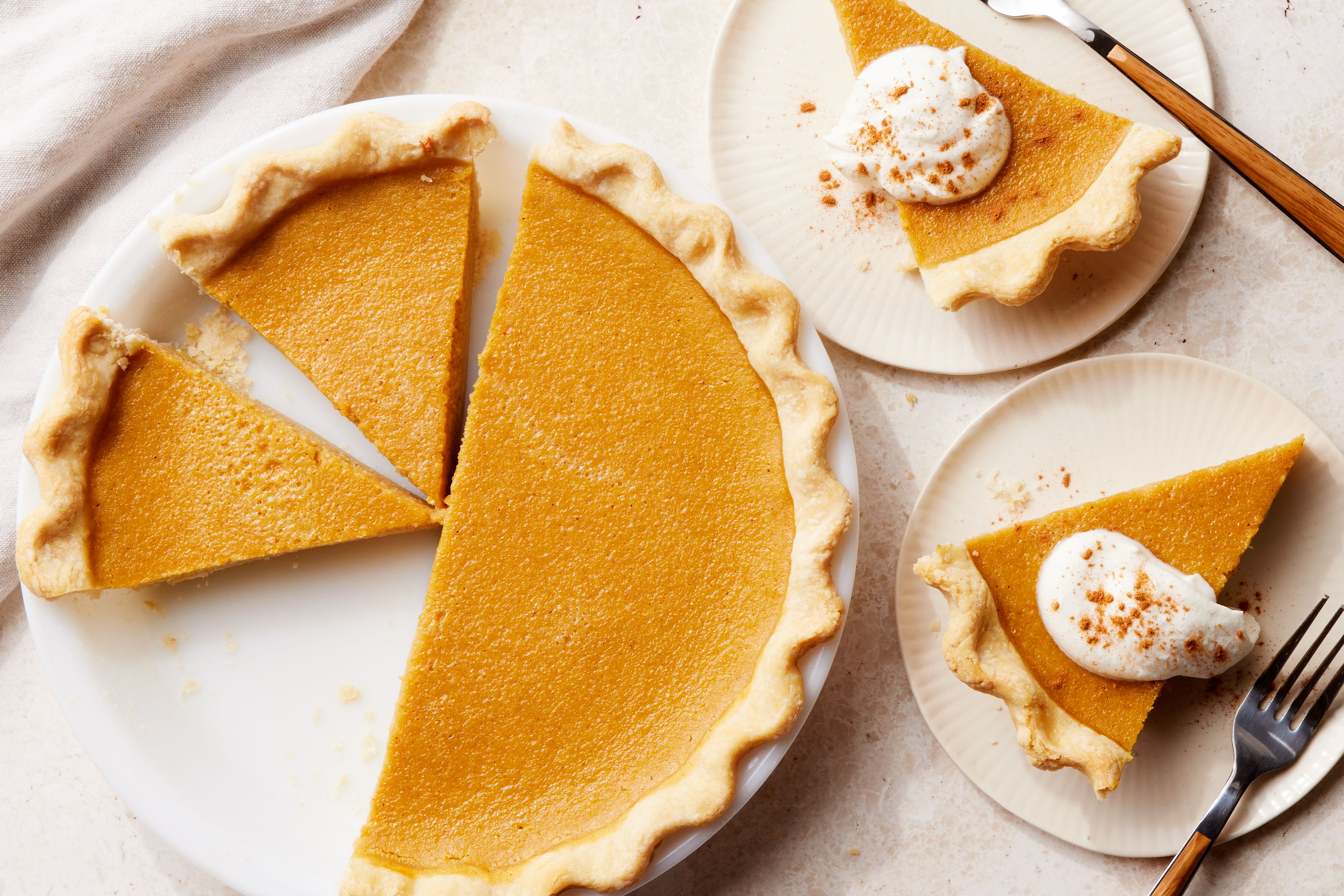
If your ideal fall day involves sweatpants, a cozy sweater, and something in the oven that makes the whole house smell smugly amazing, this homemade fresh pumpkin pie is your dessert. We’re skipping the can, roasting real pumpkins, building a flaky butter crust, and baking a custard that’s silky, sliceable, and beautifully spiced without being a sugar bomb. This is the pumpkin pie that quietly outshines the store-bought version on every holiday table.
Why Choose Fresh Pumpkin for Your Pie?
Using fresh pumpkin (specifically small, sweet pie pumpkins) gives you a deeper, cleaner flavor and a custard that doesn’t taste like “generic fall candle.” Fresh pumpkin puree is naturally slightly sweet, earthy, and velvety when properly drained. It also delivers beta-carotene, fiber, and vitamins A and Cso yes, this is technically dessert with benefits. You’re welcome.
A quick note: avoid giant carving pumpkins. They’re watery, bland, and better at scaring trick-or-treaters than impressing your dinner guests.
Ingredients for the Best Homemade Fresh Pumpkin Pie
For the Flaky Butter Pie Crust (9-inch)
- 1 1/4 cups all-purpose flour
- 1 tablespoon granulated sugar
- 1/2 teaspoon fine sea salt
- 1/2 cup (1 stick) unsalted butter, very cold, cut into small cubes
- 3 to 4 tablespoons ice water
For the Fresh Pumpkin Puree
- 1 medium pie pumpkin (about 2 1/2 to 3 pounds) to yield about 2 cups puree
- 1 to 2 teaspoons neutral oil (optional, for roasting)
- Pinch of salt
For the Silky Pumpkin Pie Filling
- 2 cups well-drained fresh pumpkin puree
- 3 large eggs, at room temperature
- 3/4 cup packed light brown sugar
- 1/4 cup granulated sugar
- 1 cup heavy cream (or 3/4 cup heavy cream + 1/4 cup evaporated milk)
- 1 teaspoon pure vanilla extract
- 1 1/2 teaspoons ground cinnamon
- 1/2 teaspoon ground ginger
- 1/4 teaspoon ground nutmeg
- 1/4 teaspoon ground cloves
- 1/8 teaspoon allspice (optional, but lovely)
- 1/4 teaspoon fine sea salt
- Small pinch of finely ground black pepper (optional secret bakery move)
Step-by-Step: How to Make Homemade Fresh Pumpkin Pie
1. Make the Fresh Pumpkin Puree
- Preheat your oven to 400°F (204°C).
- Slice the pie pumpkin in half from stem to base. Scoop out seeds and stringy bits (save the seeds for roasting if you’re an overachiever).
- Place halves cut-side down on a parchment-lined baking sheet. Brush skins lightly with oil if desired.
- Roast for about 35 to 45 minutes, until the flesh is very tender when pierced.
- Cool slightly, scoop out the flesh, and puree in a food processor until completely smooth.
- Important: transfer the puree to a fine mesh strainer or cheesecloth-lined sieve and let it drain 20 to 30 minutes. You want thick, spoonable puree, not soup. This step is the difference between “custard slice” and “pumpkin puddle.”
2. Make the Flaky Butter Crust
- In a bowl, whisk together flour, sugar, and salt.
- Cut in the cold butter using a pastry cutter or your fingertips until the mixture looks like coarse crumbs with some pea-sized bits of butter.
- Sprinkle in ice water, 1 tablespoon at a time, tossing gently until the dough just comes together when pressed. Do not overwork it.
- Shape into a disk, wrap, and chill for at least 45 minutes (up to 2 days).
- On a lightly floured surface, roll the dough into a 12-inch circle. Fit into a 9-inch pie dish, trim excess, and crimp the edges.
- Freeze the lined pie shell for 15 minutes. This helps prevent shrinking.
3. Blind-Bake the Crust (No Soggy Bottom Zone)
- Preheat oven to 375°F (190°C).
- Line the chilled crust with parchment or foil and fill with pie weights or dried beans.
- Bake for 15 minutes. Carefully remove weights and lining.
- Bake uncovered for another 5 to 8 minutes, until the bottom looks dry and just lightly golden.
- Cool slightly while you prepare the filling.
4. Whisk the Pumpkin Custard Filling
- In a large bowl, whisk the eggs until smooth.
- Add brown sugar and granulated sugar; whisk until glossy and combined.
- Whisk in pumpkin puree, vanilla, salt, and all the spices.
- Slowly whisk in the heavy cream until the mixture is smooth. Try not to whip in too much air; gentle and confident is the vibe.
5. Fill, Bake, and Test for Doneness
- Reduce oven temperature to 350°F (175°C).
- Pour the filling into the warm, blind-baked crust.
- Bake for about 45 to 60 minutes, depending on your oven. The edges should be set, and the center should wobble slightly like Jell-O, not like soup.
- For precision: the internal temperature at the center should reach about 175°F to 180°F. This sets the custard safely without scrambling the eggs.
- If the crust edges brown too quickly, shield them with foil or a pie ring.
6. Cool Completely (Yes, Really)
- Cool the pie on a wire rack at room temperature for at least 2 hours. This is when the custard fully sets.
- Serve slightly warm or chilled. Refrigerate leftovers; they’ll keep for up to 3 days.
- Top with softly whipped cream, a sprinkle of cinnamon, or candied pecans if you’re feeling fancy.
Pro Tips for a Bakery-Quality Fresh Pumpkin Pie
- Choose the right pumpkin: Look for “pie pumpkin,” “sugar pumpkin,” or similar labels. Heavy-for-size, deeply colored, blemish-free.
- Drain your puree: Fresh pumpkin is often wetter than canned. Removing excess moisture keeps your custard smooth and your crust crisp.
- Balance the spices: Don’t let cloves or nutmeg hijack the show. Cinnamon and ginger take the lead; everything else is backup vocals.
- No cracks: Overbaking is the villain. Take the pie out while the center still has a gentle wobble. It will continue to set as it cools.
- Blind bake = crisp crust: Especially vital with custard pies. This is how you avoid the dreaded pale, doughy base.
- Rest before slicing: Cutting too early leads to soft slices. Let it cool and firm up for clean, confident wedges.
Make-Ahead, Storage, and Easy Variations
- Make-ahead: Bake the pie 1 day in advance, chill, then bring to room temperature for 20 to 30 minutes before serving.
- Freezing: Cool completely, wrap tightly, and freeze up to 1 month. Thaw in the fridge overnight.
- Maple twist: Swap 1/4 cup of sugar for pure maple syrup for deeper flavor.
- Brown butter upgrade: Brown part of the butter for the crust or whisk 1 to 2 tablespoons melted brown butter into the filling for a nutty note.
- Dairy tweaks: For a slightly lighter version, use half-and-half instead of full heavy cream; just keep the total liquid similar.
Is Pumpkin Pie (Sort of) Good for You?
Let’s not pretend this isn’t dessertbut fresh pumpkin does bring real nutrition: fiber, beta-carotene (which converts to vitamin A), and supportive micronutrients. Paired with reasonable sugar and a real-food ingredient list, a slice of homemade fresh pumpkin pie is a smarter seasonal indulgence than many ultra-processed sweets. Call it balanced living with whipped cream on top.
Conclusion: The Pie That Earns Its Place at the Table
This homemade fresh pumpkin pie recipe gives you everything you want: a crisp, golden crust, a velvety custard that slices cleanly, spices that taste warmnot aggressiveand the quiet satisfaction of making it all from scratch. Whether it’s Thanksgiving, Friendsgiving, or a random Tuesday where you’ve decided to be iconic, this is the version that has people asking, “Wait, you made this?”
Pumpkin Pie SEO Essentials
sapo: Skip the canned shortcut and bake a homemade fresh pumpkin pie that actually tastes like fall. This in-depth guide walks you through picking the right pie pumpkin, roasting and draining your own puree, blind-baking a flaky all-butter crust, and whisking a custard that sets perfectly without cracks or soggy bottoms. With practical pro tips, make-ahead options, and smart flavor upgrades, this from-scratch pumpkin pie recipe is built to impress guests, convert skeptics, and become your new holiday (or anytime) signature dessert.
Real-World Pumpkin Pie Lessons: of Cozy Wisdom
The first time many home bakers try using fresh pumpkin instead of canned, there’s a tiny moment of panic: the puree looks different, the color is paler, and suddenly you’re questioning every life choice that led you here. That’s normal. Fresh pumpkin pie is less about copying the canned version and more about letting the natural sweetness and gentle earthiness of real squash shine throughwith a little strategic intervention from you.
Start with the pumpkin itself. Pie pumpkins are surprisingly forgiving, but they’re not identical. One year your pumpkin might be sweeter and drier; another year it might be a bit watery. That’s why the draining step matters so much. Think of it as editing. You’re concentrating flavor and ensuring the custard sets like a dream. Skipping that step is the number-one “why is my pie kind of sloshy?” regret.
Next big lesson: your oven is a chaotic neutral. Every “bake 50 minutes” instruction is really “start checking at 40 and do not wander off to scroll your phone.” Pumpkin pie, like any custard, is all about the finish. Pull it when the outer two inches are set but the center still shimmies slightly. If you wait until the whole surface is firm, it cools into a dry, cracked situation that no amount of whipped cream therapy can fully fix. Learning to trust the wobble is a rite of passage.
Then there’s the crust. Many bakers secretly fear pie crust more than their tax return. But once you see what cold butter, minimal handling, and proper chilling can do, it stops being scary and starts being addictive. Blind-baking for a pumpkin pie is one of those “pro-only” steps that instantly graduates your dessert into bakery territory. The moment you slice into your first fresh pumpkin pie and hear the gentle whisper of a crisp bottom crust instead of a soft thud, you’ll never go back.
Spice is where your personality shows up. Some families want a bold spice profile that practically slaps them with cinnamon and clove. Others like it softer, letting the pumpkin come through. Use this base recipe as your anchor, then adjust by a quarter teaspoon at a time in future bakes. Write down what you changedfuture you will forget, and future you will be annoyed.
Finally, there’s the emotional part. A homemade fresh pumpkin pie is rarely just dessert. It’s the thing cooling on the counter while people hover “just checking.” It’s the recipe your kids or friends text you for later. It’s the pie that travels in the backseat under an absurd number of seatbelts because everyone knows it matters. Once you’ve roasted your own pumpkin, whisked your own custard, and pulled a perfect, gently jiggling pie from the oven, you’re not just following a recipe anymoreyou’re building a tradition.