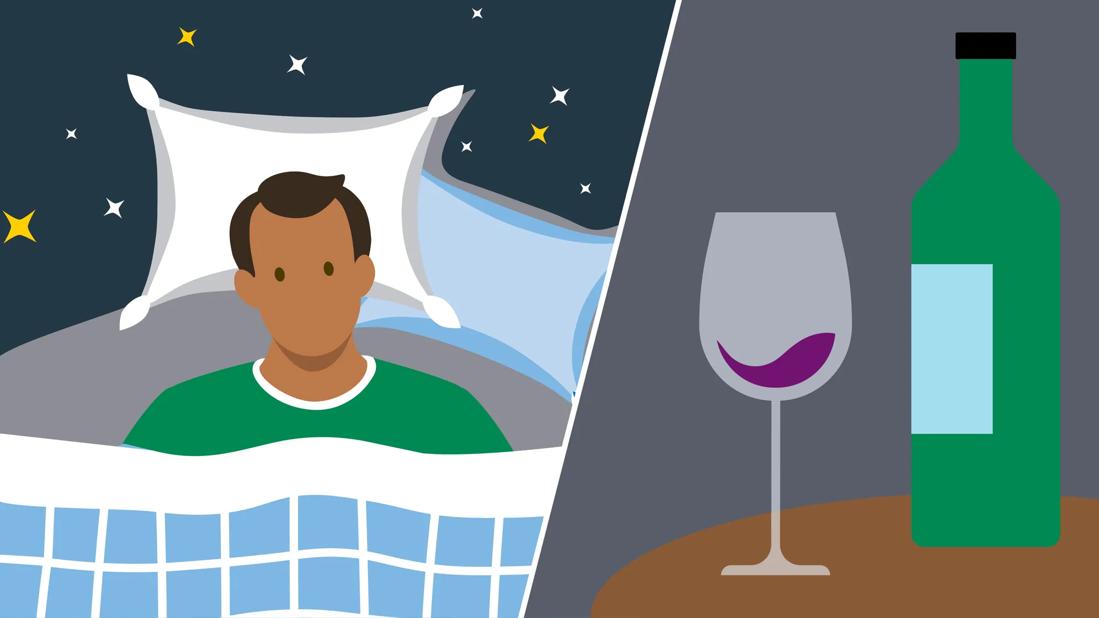
If you’ve ever had a “nightcap” and thought, Wow, I fell asleep in record timeyou’re not imagining it.
Alcohol can make you drowsy and help you doze off faster. The twist ending is that it often wrecks the second half
of your night, which is when sleep is supposed to get especially restorative. In other words: alcohol can knock you
out… and still leave you tired. It’s the sleep equivalent of getting “free” shipping that costs $19.99.
The quick answer (for busy, sleepy humans)
- Alcohol may shorten the time it takes to fall asleep (especially at low-to-moderate doses).
- Sleep quality usually drops as alcohol wears offmore awakenings, lighter sleep, more fragmented nights.
- REM sleep often gets suppressed early, followed by a rebound later that can feel like vivid dreams or restless sleep.
- Snoring and sleep apnea can worsen because alcohol relaxes the muscles of the throat.
- Bathroom trips, reflux, sweating, and a racing heart can also become surprise “features” at 2–4 a.m.
First, a mini sleep lesson: why “passed out” isn’t the same as “slept well”
A typical night cycles through stages of non-REM sleep (including deep, slow-wave sleep) and REM sleep. These stages
aren’t just decorativeeach one does specific work: physical restoration, immune support, learning and memory
consolidation, emotional processing, and more. Your brain runs this system on a schedule, and it likes that schedule
about as much as your phone likes getting drenched.
Alcohol’s signature move: better first half, worse second half
Research in healthy adults consistently shows a pattern: alcohol can make the first part of sleep seem more
“consolidated” (fewer awakenings) and shorten sleep-onset latency (time to fall asleep), but later it increases
wakefulness and sleep disruption. That late-night disruption is a big reason people wake up feeling unrefreshed even
if they logged “enough” hours.
REM sleep changes: suppression now, rebound later
REM sleep (often associated with dreaming and memory/emotional processing) tends to get suppressed after drinking,
especially early in the nightthen rebounds later as the alcohol level falls. That rebound can mean vivid dreams,
more awakenings, and sleep that feels jumpy rather than smooth.
Deep sleep isn’t guaranteed to improve
Some people report “sleeping like a rock” after drinking, and early-night sedation can feel like deeper sleep. But
sedation isn’t the same as healthy sleep architecture. Even if you conk out, alcohol can still reduce restorative
quality by disrupting the normal rhythm of stages and increasing fragmentation later.
What alcohol is doing in your body while you’re trying to sleep
1) Brain chemistry: sleepy signals with a boomerang effect
Alcohol affects neurotransmitters involved in arousal and relaxation. It can increase inhibitory signaling (think:
“calm down” messages) and may boost sleepiness partly through pathways related to adenosine (a chemical that builds
sleep pressure). The problem: these effects don’t stay stable. As alcohol is metabolized, your nervous system can
swing toward more arousalright when you want the opposite.
2) Metabolism timing: your liver is working the night shift
Alcohol is processed over time, and that timing matters. When the sedating effect fades, “rebound” wakefulness can
show up in the middle of the night. People often describe a classic pattern: fall asleep fast, wake up at 3 a.m.
feeling oddly alert, then struggle to get comfortable again.
3) Breathing and airway muscles: hello, snoring (and sometimes worse)
Alcohol relaxes muscles in the mouth and throat, which can increase snoring. For people with obstructive sleep apnea
(diagnosed or not), this relaxation can make breathing disturbances more likely or more severe. Even if you don’t
have sleep apnea, alcohol can make “quiet breathing” less quiet.
4) Bathroom trips: the “nocturia” subplot nobody asked for
Alcohol can increase urination and irritate the bladder in some people. Combine that with drinking liquids late,
and you may wake up to peesometimes more than oncebreaking sleep continuity. Each awakening makes it harder to
stack enough uninterrupted time in deeper stages.
5) Heart rate, temperature, and reflux: the midnight chaos combo
Alcohol can influence heart rate and the autonomic nervous system, and some people experience sweating, a warm
flushed feeling, or a “wired” sensation later in the night. It may also worsen acid reflux in susceptible people,
which can trigger micro-awakenings or full wake-ups (and make you regret spicy pizza even more than usual).
How much alcohol and what time you drink changes the outcome
Standard drink reality check (U.S.)
In the United States, one “standard drink” contains about 14 grams of pure alcoholroughly a
12-oz beer (5% ABV), 5-oz wine (12% ABV), or 1.5-oz shot of spirits (40% ABV). Mixed drinks and big pours can easily
equal 2+ standard drinks without looking dramatic.
Dose-response: more alcohol usually means more disruption
The more you drink (and the closer to bedtime), the more likely you are to see stronger REM suppression, more
wakefulness later, and poorer sleep quality overall. “Just one” might still affect sensitive sleepers, but heavier
intake more reliably triggers fragmented sleep and next-day fatigue.
Timing: the “nightcap” is the worst placement for sleep quality
Drinking right before bed is like scheduling a leaf blower in your own bedroom. Many sleep experts recommend
stopping alcohol at least a few hours before bedtime so your body can metabolize some of it before you try to cycle
through deeper stages. Practically, moving alcohol earlier (with dinner rather than after) tends to reduce damage.
Why it hits some people harder
Sensitivity varies based on body size, sex, age, genetics, medications, and health conditions. As people get older,
sleep tends to become lighter and more fragmented alreadyso alcohol can stack on top of that. If you have anxiety,
insomnia, reflux, or breathing issues, alcohol often makes the “night problems” louder.
Alcohol + sleep problems: when the combo gets risky
Snoring and obstructive sleep apnea
If you snore, wake up gasping, feel unrefreshed after 7–9 hours, or have daytime sleepiness, alcohol may be
amplifying an underlying breathing issue. Alcohol’s muscle-relaxing effect can worsen airway collapse during sleep.
If you use a CPAP, alcohol can also make the night feel harder (more leaks, more arousals).
Insomnia
Alcohol is a classic “seems helpful, becomes harmful” insomnia strategy. People may use it to fall asleep faster,
but the rebound arousal later can increase middle-of-the-night wake-ups. Over time, this can train your brain to
associate bedtime with broken sleepplus it can nudge you toward needing more alcohol for the same drowsy effect.
Parasomnias and weird nights
Some people report more sleep talking, sleepwalking, vivid dreams, or unusual behaviors after drinkingespecially
with inconsistent, heavier intake. If you’ve ever woken up and thought, “Why is there a sandwich on my nightstand?”
alcohol may be part of the story.
What you feel the next day (and why it matters)
Poor sleep after alcohol isn’t just “tired.” It can show up as brain fog, lower patience, worse focus, slower
reaction time, and moodiness. REM disruptions may affect emotional regulation and memory. Add dehydration or
inflammation from a hangover, and you can feel like your body updated overnight and forgot to restart properly.
How to reduce the sleep damage (without pretending you’re a monk)
If you drink, harm reduction is realand it’s often more sustainable than perfection. Here are practical ways to
protect your sleep:
- Move the last drink earlier (aim for at least 3–4 hours before bed if you can).
- Keep it light: fewer standard drinks usually means less fragmentation later.
- Eat with alcohol (food slows absorption; late-night drinking on an empty stomach tends to hit harder).
- Alternate with water to slow pace (but don’t chug right before bedbathroom trips count).
- Avoid alcohol if you snore loudly or suspect sleep apneait can worsen breathing disturbances.
- Watch reflux triggers: alcohol + heavy/fatty/spicy late meals can be a reflux recipe.
- Don’t mix with sedatives (sleep meds, opioids, some anxiety meds) unless a clinician says it’s safe.
- Keep your sleep window protected: consistent bedtime/wake time helps your circadian rhythm.
- Use a wind-down routine that doesn’t rely on alcohol (warm shower, book, calming music, breathing drills).
- If insomnia is frequent, ask about CBT-I (cognitive behavioral therapy for insomnia), a top evidence-based approach.
When it’s time to talk to a professional
Consider checking in with a clinician if you have frequent insomnia, loud snoring, witnessed pauses in breathing,
morning headaches, excessive daytime sleepiness, or you find yourself regularly using alcohol to fall asleep.
Sleep and alcohol can form a tight loopgetting help can break it in a safer way than “just powering through.”
Common experiences people report (about )
People’s nights with alcohol tend to follow a few recognizable storylines. Not everyone experiences every effect,
but these “sleep tales” are common enough that many folks nod along the moment you describe them.
The “I fell asleep instantly, so it must be good” illusion
A lot of people notice the fast knock-out effect: they brush their teeth, hit the pillow, and the next thing they
remember is the alarm. It feels like a winuntil they realize they’re dragging the next day. Many describe it as a
mismatch between hours slept and how restored they feel. That’s often because the early sedation didn’t translate
into smooth cycles later, and the brain didn’t spend enough continuous time in the stages that make sleep feel
“effective.”
The 3 a.m. wake-up club
This is the greatest hit: a person drinks late, falls asleep quickly, then wakes up around the middle of the night
with a surprisingly alert brain. Some people say their heart feels slightly faster, their body feels warm, or their
thoughts suddenly get chattylike their mind scheduled a meeting with itself at 3:07 a.m. They may drift in and out,
check the clock repeatedly, or have restless dreams. Even if they fall back asleep, the night feels “broken.”
The “why am I so thirsty?” + bathroom tour
Another frequent report is waking with a dry mouth and a strong sense of thirst, sometimes paired with one or more
bathroom trips. People often assume it’s only dehydration, but sleep fragmentation itself can make sensations feel
louder. The cycle becomes: wake up thirsty, drink water, wake up to pee, then have trouble falling back asleep.
The result is less continuous deep sleep and a groggy morning that coffee tries (and sometimes fails) to negotiate.
The snore surprise (a.k.a. “my partner filed a complaint”)
Some people don’t notice anything about their breathinguntil they drink. Then the next morning they hear, “You
were snoring like a lawnmower.” Partners often report louder snoring and more restless movement on drinking nights.
For someone with undiagnosed sleep apnea, alcohol nights may be the ones where they wake up gasping, wake with a
headache, or feel unusually tired despite a full night in bed. That’s often a sign to take sleep-disordered
breathing seriously rather than blaming “just getting older.”
The weekend pattern: “social fun, sleepy Monday”
Many people notice their sleep is fine on weekdays and mysteriously awful on weekends. Often it’s not just the
alcoholit’s the combination of later meals, later screens, later bedtime, and then alcohol on top. The body clock
gets pushed later, REM-rich morning sleep gets squeezed, and Monday arrives like an unpaid invoice. People who shift
drinking earlier, cut the final drink, or keep bedtime more consistent often report a surprisingly big improvement
not necessarily perfect sleep, but fewer “why am I awake?” moments.
Conclusion
Alcohol can make you sleepy, but it often makes your sleep worseespecially later in the night. The most consistent
pattern is faster sleep onset followed by fragmented sleep, disrupted REM timing, and more awakenings. If you snore,
suspect sleep apnea, struggle with insomnia, or wake up at 3 a.m. after drinking, alcohol may be a bigger part of
the puzzle than you think. The good news: small changesdrinking earlier, drinking less, and protecting your bedtime
routinecan meaningfully improve how you sleep and how you feel the next day.