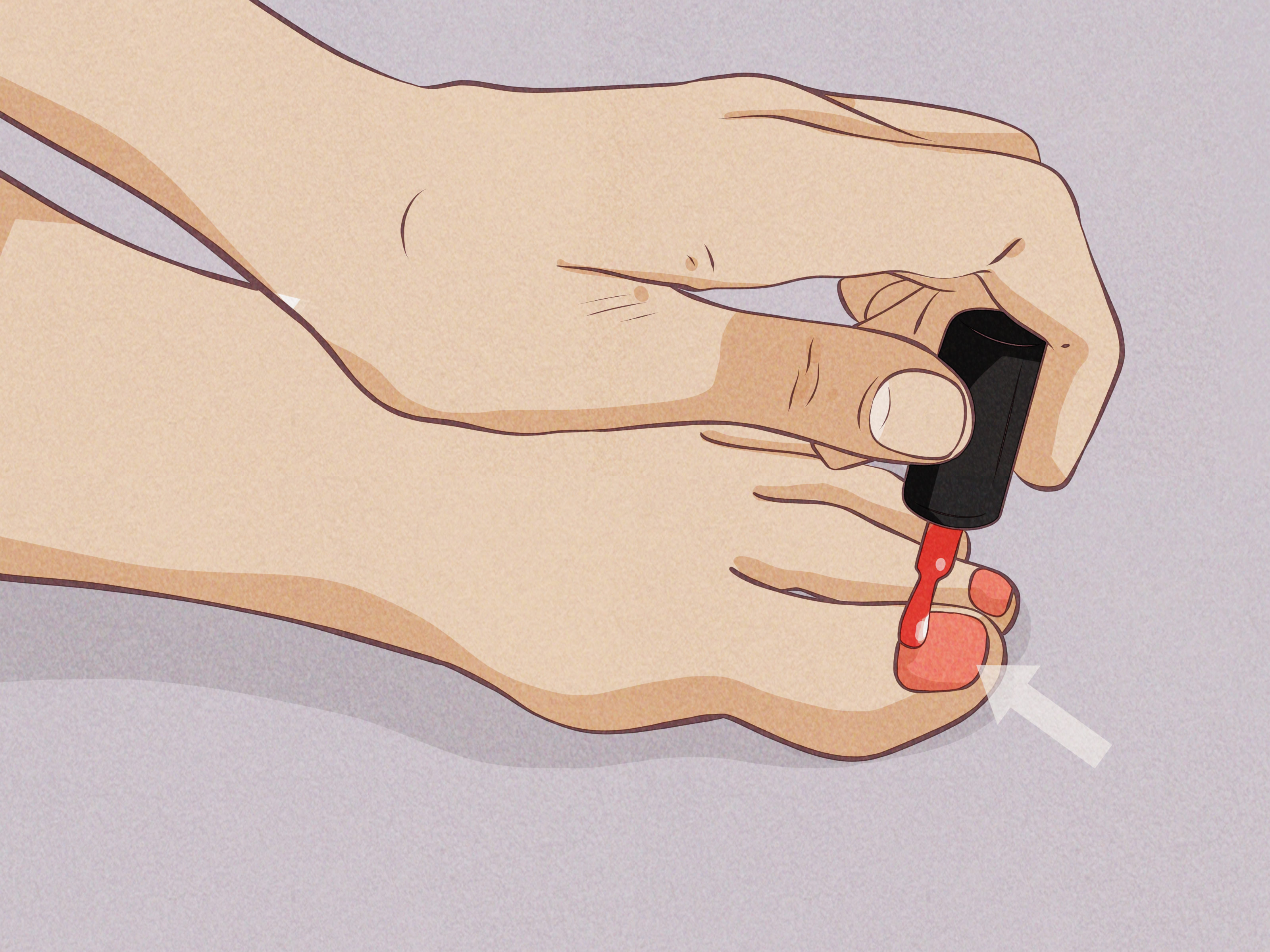
Pedicures are one part self-care, one part hygiene upgrade, and one part “why did I wait this long?” relief.
But if you’ve ever stared at your calendar wondering whether you’re due for a pedicureor just due for better socksyou’re not alone.
The truth is: there’s no one perfect pedicure schedule for every set of feet. Your lifestyle, skin type, shoes, and even the season all get a vote.
In this guide, we’ll break down a realistic pedicure frequency (without turning your toes into a subscription service),
plus the four most common signs you need a pedicure. We’ll also cover how to choose a safe salon, what to do between appointments,
and when a “regular pedicure” should politely step aside for a medical professional.
So… How Often Should You Get a Pedicure?
For many people, a solid, low-drama routine is a pedicure about every 4–6 weeks. That window tends to line up with how quickly
toenails grow, polish wears down, and calluses start auditioning for a role as protective footwear.
If you’re very active (running, hiking, sports), or your heels get dry and rough quickly, you may feel best with an appointment closer to
every 2–4 weeks. On the other hand, if you mostly wear open or breathable shoes, keep up basic foot care at home, and your skin
doesn’t build thick calluses, stretching to 6–8 weeks can be totally reasonable.
Think of pedicure frequency like haircuts: some people can go two months and look “effortlessly put-together,” while others wake up one day and
realize their body has quietly started building a new civilization on their heels.
What Changes Your Pedicure Schedule?
The best pedicure schedule isn’t based on a beauty ruleit’s based on what your feet are actually doing all day.
Here are the biggest factors that affect how often you’ll benefit from a pedicure:
1) Your lifestyle (aka: what your feet endure)
- Athletes / walkers / people on their feet all day: faster callus buildup, more friction, more nail stress.
- Desk life: often slower callus buildup, but dry skin can still happenespecially in winter.
- Pool / gym regulars: higher exposure to damp environments where fungus likes to throw parties.
2) Your skin type and climate
Dry climates, cold weather, and indoor heating can turn heels into cracked, flaky chaos.
Humid climates can mean more sweat and moisture, which can also create issues if feet stay damp in shoes.
3) Your shoes
Tight toe boxes can encourage irritation and ingrown nails. Non-breathable shoes can trap moisture.
Flip-flops can let heels dry out and crack faster. Your shoes are basically your pedicure schedule’s secret manager.
4) Your health (especially circulation and sensation)
If you have diabetes, neuropathy, circulation problems, or immune concerns, foot care needs extra caution.
A standard salon pedicure may not be the safest option unless you’ve checked with your clinician and chosen a salon with strict hygiene practices.
In some situations, a podiatrist or medical-grade foot care is the better plan.
4 Signs You Need a Pedicure
Sign #1: Your heels are rough, thick, or cracking
If your heels feel like sandpaper, snag your socks, or show visible cracks, that’s a classic “time for foot maintenance” signal.
Thick calluses build up from pressure and frictionstanding, walking, running, certain shoesthen dry skin stacks on top.
A good pedicure can help gently reduce that buildup and rehydrate the skin, so your feet feel comfortable again.
What to watch for: pain, bleeding, deep fissures, redness, swelling, or warmth. Those can indicate irritation or infection risk,
and it’s smarter to seek medical advice than to scrub harder.
Pro tip: The goal isn’t “remove every speck of skin” (your body will just rebuild it). The goal is “reduce the thick stuff,
then keep the skin moisturized so it doesn’t crack.”
Sign #2: Your toenails are overgrown, jagged, or starting to curve into the skin
When toenails get too long, they’re more likely to catch on socks, press into shoes, and grow in ways that invite discomfort.
Jagged edges can snag and tear; corners can irritate the skinespecially if the nail is cut too short or rounded too aggressively.
A quality pedicure includes careful trimming, shaping, and smoothingexactly the kind of boring-but-important work that prevents the “why does my toe hate me?”
situation later.
Better nail shape: Toenails generally do best cut straight across with edges gently filedrather than rounded into a curve
which can reduce ingrown nail risk.
Sign #3: Your cuticles look stressed, and the skin around your nails is dry or peeling
Cuticles are like the bouncers of the nail world: their job is to help protect the area where the nail grows.
When the skin around your nails is dry, peeling, or “hangnail-prone,” it can be uncomfortable and may create tiny openings where irritation can start.
A pedicure can help by soaking, gently pushing back cuticles (not aggressively cutting them), and restoring moisture.
If your salon is eager to cut everything that moves, it’s okay to say, “Let’s keep the cuticles intact, thanks.”
Between appointments: A little moisturizer on feet and a dab of cuticle oil can go a long way. Consistency beats intensity.
Sign #4: You notice persistent foot odor, sweaty feet, or itchy/flaky skin between toes
If your feet smell like they’ve been running a marathon inside a closed gym bag, it may be a sign you need a reset:
better daily washing, thorough drying (especially between toes), fresh socks, and breathable footwear.
A pedicure can help with grooming and exfoliationbut it’s not a treatment for fungal infections.
If you have itching, burning, or cracked/scaly skin between toes: that can be consistent with athlete’s foot.
Over-the-counter antifungal treatments often help, and if symptoms don’t improve, it’s time to check in with a clinician.
Bottom line: if the issue is cosmetic roughness, a pedicure helps. If the issue is infection, a pedicure should not be your first stop.
Salon Pedicure Safety: Your “Don’t Get a Side of Germs” Checklist
A pedicure should leave you relaxed, not anxious. The safest salons treat cleaning like a religion and disinfect foot spa equipment the right way.
If a place looks questionable, trust your instincts. Your feet deserve standards.
Quick safety checks before you sit down
- Tools: Look for individually packaged tools or clearly disinfected metal tools. Don’t be shy about asking.
- Foot baths: They should be cleaned and disinfected properly between clients, including the parts you can’t see.
- Skin protection: Avoid aggressive callus removal tools that can nick skin (tiny cuts = big risk).
- Timing: Skip shaving your legs right before a pedicurefresh micro-cuts can make it easier for germs to get in.
- Don’t go if you’re already dealing with a rash, open cuts, or suspected infection: reschedule and treat the issue first.
Bonus: if a salon is offended by a basic hygiene question, that’s your cue to walk out like a confident celebrity who just remembered another appointment.
Your Simple Between-Pedicures Foot Routine
You don’t need a full spa setup at home. A few small habits can keep your pedicure results lasting longer and reduce how often you feel “due.”
Weekly (10 minutes, tops)
- Soak feet in warm water for a few minutes.
- Gently smooth rough areas with a pumice stone or foot fileno aggressive scraping.
- Moisturize (heels and soles especially). If you’re very dry, apply at night and wear socks.
Daily (30 seconds of responsibility)
- Wash and dry feet well, especially between toes.
- Change socks regularly and choose breathable shoes when possible.
- Keep toenails clean and trimmed; file sharp edges.
Mini FAQ: The Questions Everyone Asks (Usually While Staring at Their Toenails)
Does a pedicure treat toenail fungus?
No. A pedicure can improve appearance temporarily, but fungal infections need proper treatment. If you notice discoloration, thickening, lifting, or odor,
it’s better to seek medical advice than to cover it with polish.
Is it okay to get pedicures if you have diabetes?
Many people with diabetes need extra caution because small cuts can become serious.
Talk with your healthcare team about what’s safe for you, and consider podiatry-based or medical-grade foot care if recommended.
Should cuticles be cut?
Generally, it’s safer to keep cuticle work gentle. You can request that cuticles be pushed back rather than aggressively cut.
What if I just want a pedicure for stress relief?
Completely valid. Self-care is a health strategy when it helps you feel more comfortable in your bodyjust keep hygiene and safety standards high.