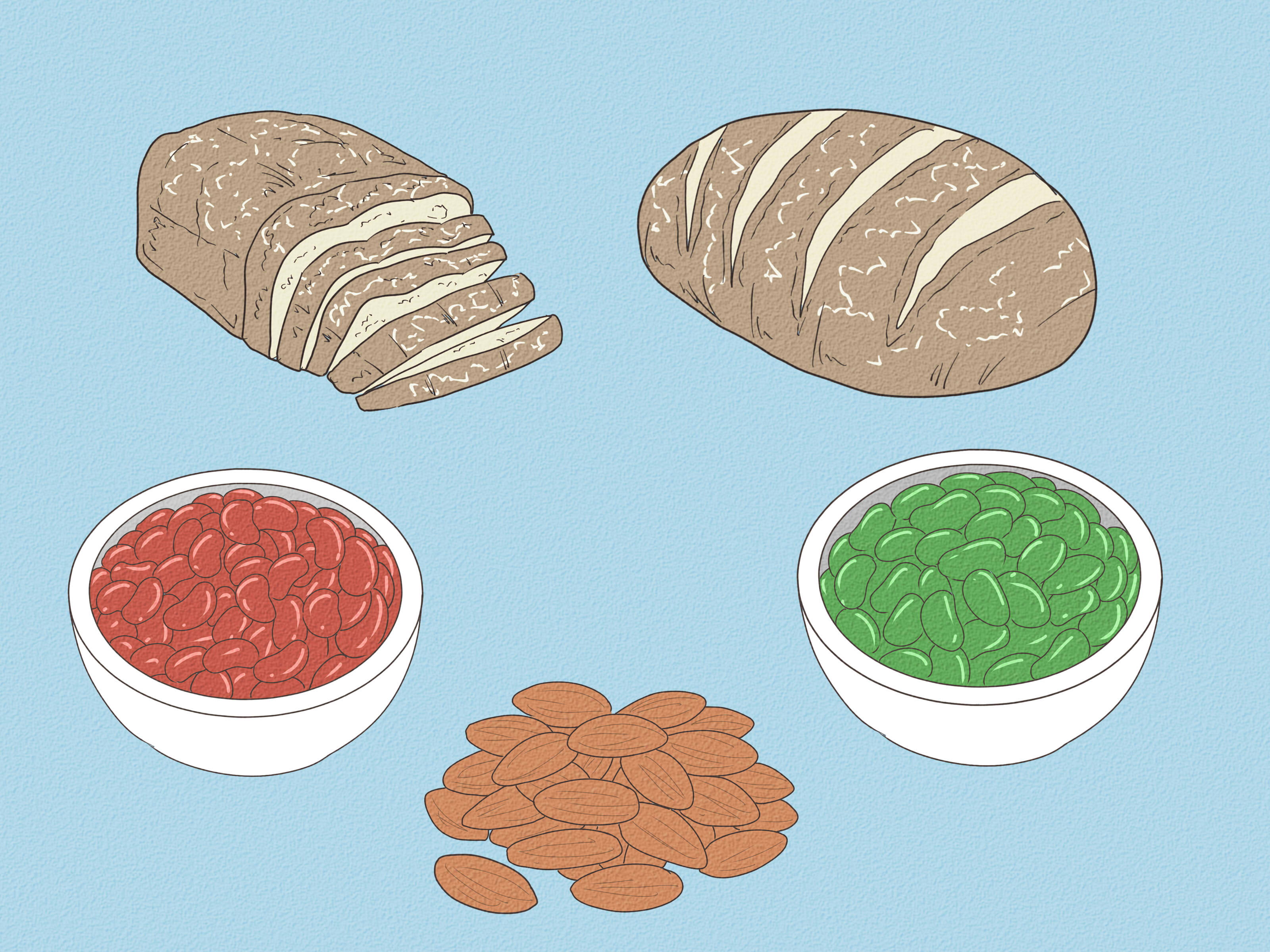
If your dog’s bathroom schedule has become a little too exciting lately, fiber may be the missing piece. One day the poop is too hard, the next day it is suspiciously soft, and suddenly you are having intense emotional reactions to a walk around the block. Welcome to dog ownership: where love is unconditional and stool quality becomes a personality trait.
The good news is that adding fiber to a dog’s diet can be simple, safe, and surprisingly effective when done the right way. The trick is knowing which foods work, how to introduce them, and when “just a little pumpkin” turns into “why is my dog farting like a brass section?”
In this guide, we will break down how fiber works, the best high-fiber foods for dogs, smart ways to serve them, and a few mistakes to avoid. Whether you are trying to support digestion, firm up stool, help with mild constipation, or make your dog feel fuller on a weight-loss plan, this article gives you a practical, vet-informed starting point.
Why Fiber Matters in a Dog’s Diet
Fiber is the part of plant foods that is not fully digested the way protein, fat, or simple carbohydrates are. Instead, it helps regulate movement through the digestive tract, supports the gut microbiome, and can improve stool quality. In plain English, fiber helps things move along without turning your backyard into a crime scene.
Soluble Fiber vs. Insoluble Fiber
Not all fiber does the same job. Soluble fiber absorbs water and can form a gel-like texture in the gut. This is useful for dogs with loose stool because it can help normalize watery bowel movements. It also feeds beneficial gut bacteria, which is one reason fiber gets so much credit for digestive health.
Insoluble fiber adds bulk to stool and helps promote movement through the intestines. That makes it helpful for some dogs with mild constipation or sluggish digestion. Many fiber-rich foods contain a mix of both, which is why whole-food options are often practical for everyday use.
Signs Your Dog May Benefit From More Fiber
Fiber is not a magic wand, and it is definitely not a substitute for veterinary care when something serious is going on. Still, some dogs do better when their meals include a little more fiber. Common situations include:
- Mild constipation or straining with hard stool
- Loose stool that needs better consistency
- Frequent anal gland issues linked to poor stool bulk
- Weight management, because fiber can help a dog feel full
- Senior dogs with slower digestion
- Dogs transitioning to a new food and needing digestive support
If your dog has repeated vomiting, blood in the stool, severe straining, obvious pain, lethargy, appetite loss, or symptoms that keep coming back, skip the kitchen experiments and call your veterinarian. Fiber helps with mild digestive management, but persistent GI problems deserve a real diagnosis.
How to Add Fiber Safely
The best way to add fiber to a dog’s diet is slowly. Very slowly. Think “gentle nudge,” not “vegetable avalanche.” Sudden changes can cause gas, bloating, and new digestive drama, which defeats the whole point.
Smart Rules Before You Start
- Introduce one new fiber source at a time.
- Start with a small amount mixed into your dog’s normal food.
- Increase gradually over several days if your dog tolerates it well.
- Make sure fresh water is always available, because fiber works best with hydration.
- Keep added foods plain, unseasoned, and simple.
- Use extras to support a balanced dog food, not replace it.
If your dog has diabetes, chronic GI disease, pancreatitis, food allergies, kidney disease, or a history of bowel obstruction, talk to your vet before adding high-fiber foods or supplements. “Healthy” foods are still diet changes, and some dogs need a more tailored plan.
The Best Foods to Add Fiber to a Dog’s Diet
Now for the part your dog would like to hear more about: food. These are some of the best fiber-rich options for dogs when served properly.
1. Plain Canned Pumpkin
Pumpkin is the celebrity of the dog-fiber world, and honestly, it earned the reputation. Plain canned pumpkin is easy to find, easy to mix into meals, and generally well tolerated by many dogs. It contains fiber and moisture-friendly bulk, making it a common go-to for mild constipation or soft stool.
The key word here is plain. Not pumpkin pie filling. Not pumpkin spice. Not your holiday dessert leftovers. Pie filling may contain sugar, spices, and other ingredients that do not belong in your dog’s bowl.
Best use: Mix a small spoonful into regular food and watch stool quality over a few days.
Why owners love it: It is convenient, affordable, and dogs often enjoy the taste.
2. Green Beans
Green beans are a great choice when you want a fiber-rich food that is also low in calories. They work especially well for dogs on a weight-management plan because they add volume to a meal without turning dinner into a calorie festival.
Fresh, frozen, canned, or steamed green beans can all work, but they should be plain. No butter, no garlic, no onion powder, and no salty casserole behavior. If using canned green beans, choose a no-salt version when possible.
Best use: Chop and mix a small portion into food, or use as a snack instead of richer treats.
Why owners love them: Crunchy, easy, filling, and less messy than pumpkin.
3. Carrots
Carrots bring fiber, crunch, and a little natural sweetness. Many dogs enjoy them raw, but cooked carrots can be easier to chew and digest, especially for older dogs or enthusiastic gulpers who think chewing is optional.
Because carrots can be a choking hazard when served in large chunks, cut them into bite-size pieces. They are great as treats, meal toppers, or part of a rotation of dog-safe vegetables.
Best use: Finely chopped cooked carrots mixed into meals, or small raw slices for dogs who chew well.
Why owners love them: Cheap, portable, and way less suspicious-looking than pure orange mush.
4. Cooked Sweet Potato
Sweet potatoes are another dog-safe source of fiber and are often included in commercial dog foods. They should be fully cooked and served plain. Skip butter, brown sugar, marshmallows, salt, and every other ingredient that turns a vegetable into dessert.
Sweet potato is more calorie-dense than green beans, so moderation matters, especially for dogs who gain weight by simply looking at a snack.
Best use: Mash a small amount into meals for dogs that like a softer texture.
Why owners love it: Tastes good, mixes easily, and works well for picky eaters.
5. Apples
Apples can be a nice high-fiber treat for dogs when served correctly. They also add crunch and moisture, which many dogs enjoy. But this one comes with prep rules: remove the core, seeds, and stem first. The fruit is the treat, not the whole science project.
Because apples contain natural sugar, they are best as a modest snack rather than a free-for-all buffet. Thin slices or small cubes are usually easiest.
Best use: Small peeled or unpeeled slices as a treat, or chopped finely into food for dogs who like fruit.
Why owners love them: Fresh, simple, and a good option for dogs who want something crisp.
6. Plain Oatmeal
Plain cooked oatmeal can offer fiber and a soft texture that blends well with dog food. This is not an excuse to hand over sugary instant packets with maple-brown-something-supreme flavoring. Think plain, fully cooked oats with no added sweeteners.
Oatmeal is not the first choice for every dog, but it can be a useful rotation item in small amounts for dogs that tolerate grains well.
Best use: A small spoonful mixed into food as an occasional topper.
Why owners love it: Pantry-friendly and easy to prepare.
7. Psyllium Husk
Psyllium is a fiber supplement rather than a whole food, but it often comes up in discussions about dog digestion because it contains both soluble and insoluble fiber. That said, this is the point where kitchen confidence should meet veterinary common sense. Supplements can be very useful, but they are also easier to overdo.
Best use: Only with your veterinarian’s guidance, especially for dogs with recurring constipation, chronic diarrhea, or special medical needs.
Why owners use it: It is concentrated and effective, but it is not a casual sprinkle-and-hope situation.
8. High-Fiber Commercial Dog Food
Sometimes the best answer is not adding a topper at all. If your dog regularly needs more fiber, a better long-term solution may be a complete and balanced dog food formulated with the right fiber profile. Some over-the-counter diets contain helpful fiber sources, and some dogs do best on a veterinarian-recommended therapeutic diet.
This can be especially useful for dogs with ongoing bowel issues, weight concerns, or anal gland problems. Instead of constantly tweaking meals, you start with a food built for the job.
Foods to Avoid When Adding Fiber
Some fiber-rich foods are not good choices for dogs, and some dog-safe foods become bad ideas the second humans start “improving” them.
- Pumpkin pie filling
- Vegetables cooked with garlic, onions, butter, or heavy seasoning
- Fruit with seeds, pits, or cores still attached
- Grapes and raisins
- Highly processed sugary snacks marketed as “healthy”
- Large amounts of bran or supplements without vet guidance
The goal is digestive support, not culinary chaos.
How Long Does It Take to See Results?
For mild issues, some dogs show changes in stool quality within a day or two. Others need several days of gradual adjustment. If you are adding fiber for weight management or better meal satisfaction, the benefits are usually more subtle and build over time.
Keep an eye on stool shape, frequency, effort, gas, appetite, and water intake. If things get worse instead of better, stop the new addition and check with your vet. More fiber is not always better. Sometimes the problem is too little water, the wrong food, too much food, stress, parasites, or an underlying condition that fiber alone cannot fix.
A Simple Way to Start
If you are not sure where to begin, start with the most practical option: plain canned pumpkin or plain green beans. Use a small amount, mix it into your dog’s regular food, and keep everything else the same for a few days. That makes it easier to tell whether the new fiber source is helping.
If your dog does well, you can continue or rotate in other dog-safe fiber foods like carrots, apples, or cooked sweet potato. If your dog needs more than occasional help, talk to your veterinarian about whether a high-fiber commercial food would make more sense.
Final Thoughts
Adding fiber to a dog’s diet is one of those simple changes that can make a surprisingly big difference when done with a little patience. The best foods are plain, dog-safe, and easy to digest: pumpkin, green beans, carrots, cooked sweet potato, apples, oatmeal, and in some cases, vet-approved fiber supplements or higher-fiber dog foods.
The biggest secret is that fiber works best when it is introduced gradually and paired with hydration, consistency, and common sense. Your dog does not need a wellness trend. Your dog needs a balanced meal, a calmer digestive tract, and probably fewer experimental leftovers from your dinner plate.
So yes, fiber can help. Just remember that the correct serving style is “a little plain pumpkin,” not “Chef’s Fall Harvest Biscuit Casserole with cinnamon drizzle.” Your dog’s stomach would like to thank you in advance.
Real-Life Experiences With Adding Fiber to a Dog’s Diet
In real homes, the story usually starts the same way: a loving dog owner notices something is off. Maybe the dog is straining on walks. Maybe the stool is too soft to pick up without a moment of quiet regret. Maybe the dog seems hungry all the time and acts like dinner was a rumor. That is often when people start learning about fiber for dogs.
One of the most common experiences is with plain canned pumpkin. Owners like it because it feels easy and low-drama. You open a can, add a small spoonful, and suddenly you feel like the sort of organized adult who labels things. Many people say pumpkin is the first thing that helped their dog’s stool become more predictable. Not glamorous, but in dog care, predictable poop is practically a luxury product.
Green beans show up often in weight-management stories. Owners of food-motivated dogs, especially Labs, Beagles, and “mystery mixed breeds with the soul of a vacuum cleaner,” often say green beans helped stretch mealtime emotionally. The bowl looked fuller, the dog felt less cheated, and the household survived another evening without dramatic countertop surveillance. It is not that green beans replace a balanced diet. It is that they can support a smarter one.
Carrots tend to win over the treat crowd. People like them because they are crunchy, cheap, and easy to carry. Dogs like them because they are food, and that is usually enough. Some owners discover pretty quickly that raw carrots are great for one dog and too challenging for another, so they switch to steamed or chopped carrots and get better results. That trial-and-adjust process is very normal.
Sweet potato stories often come from picky eaters. Dogs who ignore green beans with visible moral disappointment may happily accept a little mashed sweet potato mixed into dinner. Owners describe it as the “fine, I will eat this” fiber option. Apples are similar. Some dogs love the crisp texture, especially when slices are cold from the fridge. Others stare at apples like they are being handed a tax document.
A pattern you hear again and again is that slow changes work better than dramatic ones. The owners who have the smoothest experience usually start small, watch closely, and resist the urge to turn every meal into a salad bar. The owners who run into trouble are often the ones who say, “My dog liked pumpkin, so I gave him a lot of pumpkin,” which is a sentence usually followed by a long night and several paper towels.
Another common experience is learning that fiber is helpful, but not magical. Sometimes a dog improves with a simple topper. Other times, the dog needs better hydration, a different complete food, a fecal exam, or a veterinary plan for a recurring issue. That lesson is valuable too. Fiber is a tool, not a superhero cape.
Still, when owners find the right fiber source for their dog, daily life often gets easier. Walks feel less stressful. Meals feel more satisfying. Anal gland problems may calm down. And perhaps most importantly, the human in the relationship stops doing that worried squint at every bowel movement. Honestly, that alone deserves a small celebration.