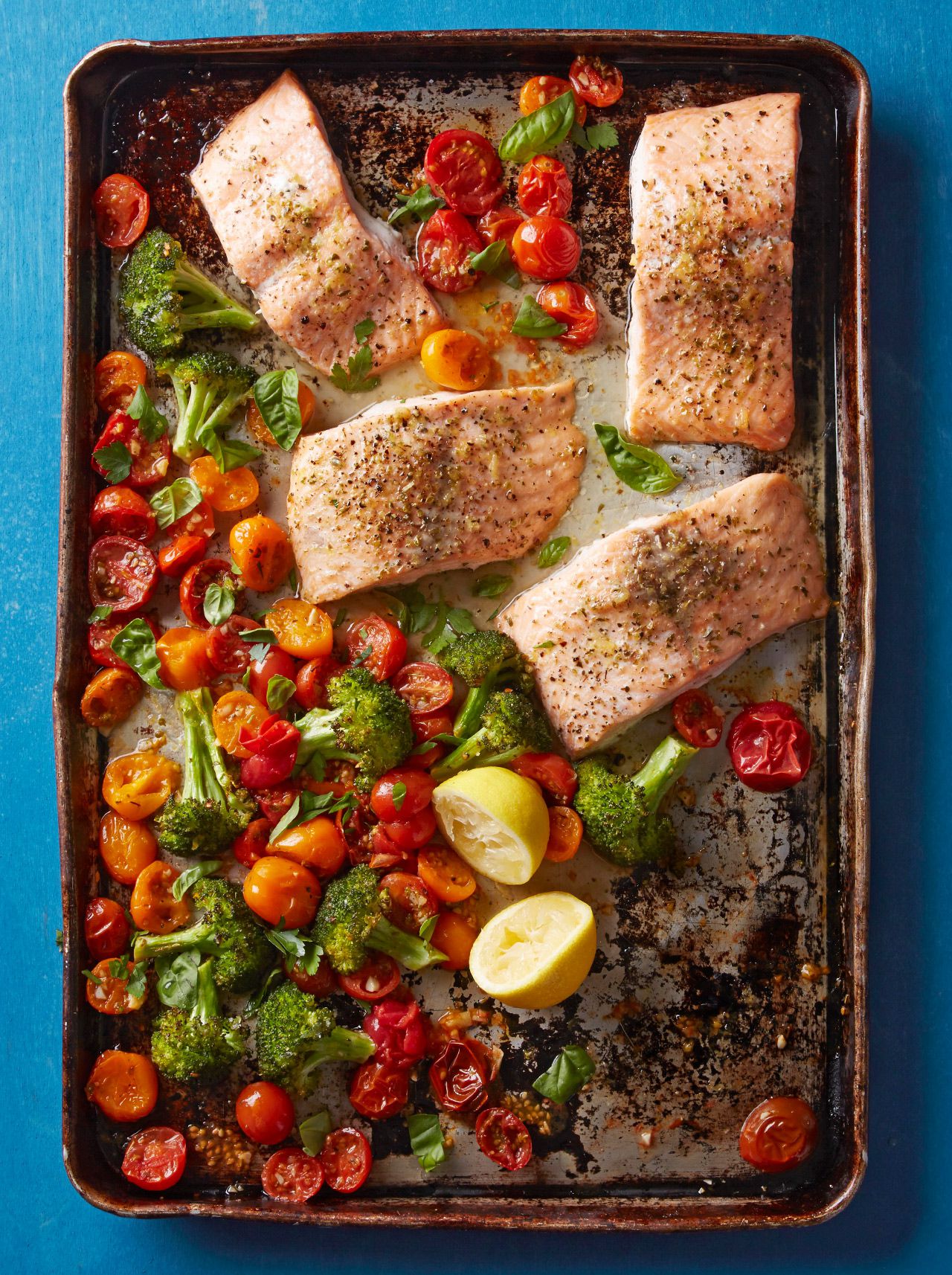
Salmon is the rare dinner that can pull off three jobs at once: it tastes like you tried, it’s good for you, and it’s fast enough to make on a Tuesday when your brain is running on vibes and iced coffee. Baking salmon is especially clutch because the oven does the heavy lifting while you do important thingslike finding your clean fork, locating your cutting board, and pretending you meant to make a “minimalist” dinner.
This guide is built for real life: quick prep, reliable oven temps, easy flavor upgrades, and a foolproof way to check doneness so you don’t accidentally create Salmon Jerky: The Musical. If your goal is a delicious, healthy meal in under 20 minutes, you’re in the right kitchen.
Why baked salmon is the weeknight superhero
Baking salmon hits the sweet spot between “healthy dinner” and “I’d happily pay $28 for this at a restaurant.” Salmon is a high-protein fish and a well-known source of omega-3 fats (EPA and DHA), which major health organizations often highlight for heart-health benefits. That’s the nutrition flex. The practical flex? Salmon cooks quickly, pairs with almost anything in your fridge, and bakes beautifully on a sheet pan with minimal mess.
Even better, you can make baked salmon taste wildly different from week to weeklemon-herb one night, maple-mustard the next, miso-ish the night after. Same fish, new personality. Like a sitcom character who gets a better haircut in season two.
The two-minute salmon shopping guide
Pick a cut that bakes evenly
For quick baked salmon, look for fillets that are similar in thickness from end to end. A skinny tail piece and a thick center piece will cook at different speeds, which is a polite way of saying one will be perfect while the other becomes a cautionary tale.
Fresh vs. frozen: both can win
Frozen salmon is often frozen soon after harvest, and it can be excellentespecially for weeknights. If you buy frozen, aim to thaw overnight in the fridge for the most even results. If you’re baking from frozen, plan for a slightly longer cook time and use a thermometer (more on that below).
Skin-on or skinless?
Skin-on fillets are more forgiving in the oven: the skin acts like a built-in barrier between the fish and the hot pan. If you like crispy skin, you can finish with a quick broil. If you don’t love skin, it’s still helpful during cookingyou can slide it off after baking.
A quick note on sustainability
If you want your dinner to feel good in every sense, consider checking a U.S.-based sustainability recommendation guide (Seafood Watch is a popular one) when choosing salmon. It’s an easy way to learn which sources are considered better environmental choices.
Set yourself up: tiny prep steps that save your dinner
Preheat like you mean it
Salmon is quick-cooking, which means a half-warm oven can mess with timing fast. Preheat fully so the bake time you’re counting on is the bake time you actually get.
Use parchment (or foil) for speed and sanity
Parchment paper helps prevent sticking and makes cleanup laughably easy. Foil works too, and it’s perfect if you’re making packets (a.k.a. the “I refuse to wash dishes” method).
Pat it dry for better texture
Moisture on the surface = steaming instead of roasting. A quick paper-towel pat helps seasoning stick and encourages a nicer finish on top.
The core method: bake salmon perfectly every time
Here’s the reliable, repeatable approach. Once you’ve done it twice, you’ll feel like you unlocked a life hackexcept the hack is just “basic cooking competence,” which is still extremely exciting.
Step 1: Heat the oven and prep the pan
- Heat oven to 400°F to 425°F for fast weeknight baking.
- Line a sheet pan with parchment (or lightly oil foil).
- Place salmon on the pan, preferably with space around each piece.
Step 2: Season simply (or go big)
At minimum: salt, pepper, and a little oil. That’s already good. From there, add lemon slices, garlic, herbs, or a quick sauce. If you’re using a sugary glaze (maple, honey, brown sugar), keep an eye on browning at higher temps.
Step 3: Bake using thickness as your compass
Salmon isn’t a “set it and forget it” casserole. Time depends on thickness and your oven temp. Use this as a practical starting point:
| Oven Temp | Typical Fillet Thickness | Estimated Bake Time | Texture Vibe |
|---|---|---|---|
| 400°F | About 1 inch | 10–15 minutes | Moist, classic baked salmon |
| 425°F | About 1 inch | 12–14 minutes | Juicy with a more roasted top |
| 350°F | Thicker cuts | Longer (often 15–25 minutes) | Gentler, harder to overcook |
If you’re making a sheet-pan dinner with veggies, start the longer-cooking vegetables first (like potatoes or carrots), then add salmon later so it finishes at the same time. That’s the sheet-pan cheat code.
Step 4: Check doneness without guesswork
The best tool here is an instant-read thermometer. For food-safety guidance, U.S. regulators commonly reference 145°F as a safe internal temperature for fin fish. If you prefer salmon more medium and tender, many cooks pull it earlier (around the mid-120s to mid-130s °F) and let carryover heat finish the jobjust understand that is a preference choice, not the most conservative safety target.
No thermometer? Look for flesh that turns opaque and flakes easily with a fork. Pro tip: stop checking by aggressively shredding the fillet like you’re searching for hidden treasure. Use a gentle fork twist near the thickest part.
Flavor in fast-forward: 6 easy ways to make baked salmon taste expensive
1) Lemon + herb = timeless for a reason
Add lemon zest, a squeeze of juice, dill (or parsley), and a drizzle of olive oil. It’s bright, fresh, and makes your kitchen smell like you have your life together.
2) Maple-mustard glaze
Mix maple syrup, Dijon, a little garlic, and pepper. Brush on in the last few minutes so it glazes instead of burning its dreams.
3) Miso-ish weeknight magic
Stir miso with a little honey (or brown sugar), rice vinegar or lemon, and oil. It turns salmon savory-sweet and deeply satisfying with almost no effort.
4) “Crispy top” mayo trick
A thin swipe of mayonnaise on top helps seasoning cling and encourages browning under high heat or a quick broil. It doesn’t taste like mayo; it tastes like “wow, how did you do that?”
5) Cajun or blackened-style rub (oven edition)
Mix paprika, garlic powder, onion powder, a pinch of cayenne, salt, and pepper. Roast hot (or finish with broil) for bold flavor without pan smoke.
6) Pesto or chimichurri after baking
Add fresh sauces after cooking for maximum pop. The heat of the fish blooms the flavor without turning herbs into sad green confetti.
Sheet-pan salmon dinners: one pan, zero drama
If you want “healthy meal in a snap,” sheet-pan salmon is your best friend. Pair salmon with quick vegetables (asparagus, broccoli, green beans, cherry tomatoes, zucchini) and a fast carb (microwaved rice, quinoa, or roasted potatoes you started earlier).
Timing blueprint: salmon + asparagus
- Heat oven to 400°F.
- Toss asparagus with oil, salt, pepper; spread on sheet pan.
- Add salmon after a quick season, then bake until salmon reaches your preferred doneness.
- Finish with lemon, herbs, or a quick sauce.
Bonus: If your veggies finish early, pull them and keep warm. Salmon hates waiting; vegetables are emotionally resilient.
Foil or parchment packets: the “I deserve fewer dishes” method
Baking salmon in foil or parchment (often called “en papillote”) is basically a steam-roast hybrid. You add salmon plus aromatics (lemon, garlic, herbs) and quick-cooking vegetables (thin zucchini, cherry tomatoes, spinach). The packet puffs up, the fish stays moist, and cleanup ishow do we say thisdelightfully nonexistent.
Simple packet combo
- Salmon + lemon slices + cherry tomatoes + a splash of olive oil
- Salmon + thin asparagus + garlic + butter
- Salmon + bok choy + orange/soy-style sauce for a sweet-savory vibe
Packet tip: Don’t overload. A packed packet steams everything into one texture: “hot and damp.” Keep it light so flavors stay distinct.
Common baked salmon mistakes (and how to dodge them)
Mistake: Overcooking “just to be sure”
Salmon goes from luscious to chalky fast. Use a thermometer if you can. If you can’t, start checking early and remember it keeps cooking a bit after you pull it out.
Mistake: Skipping rest time
Let salmon rest 2–5 minutes. This helps carryover cooking finish gently and keeps juices from running off like they’re late for a meeting.
Mistake: Crowding the pan
If pieces touch, they steam each other. Give them space so heat circulates and the surface can roast.
Mistake: Starting with wet fish
A quick pat-dry helps seasoning stick and improves texture, especially if you want a nicer top or crispier skin.
Meal prep and leftovers: keep it tasty, not tragic
How to store baked salmon
Cool leftovers quickly, then refrigerate in a shallow airtight container. For best quality, enjoy within a few days (and don’t let it hang out at room temp like it’s waiting for a bus).
How to reheat without drying it out
- Oven: Cover with foil and warm at about 350°F until heated through.
- Stovetop: Gentle heat with a splash of water or broth and a lid.
- Microwave: Lowest power, short bursts, and accept that microwaves are chaos machines.
Leftover ideas that feel like a new meal
- Flake into a salad with cucumbers, herbs, and a lemony vinaigrette.
- Make a rice bowl with avocado, quick pickles, and spicy mayo.
- Toss with pasta, olive oil, garlic, and spinach for a 12-minute “I’m thriving” dinner.
- Stir into scrambled eggs for a brunch flex (yes, it works).
Quick FAQ
Can I bake salmon from frozen?
Yes, but expect it to take longer and bake a little less evenly than thawed salmon. For best results, thaw in the fridge overnight. If baking from frozen, cover early (to prevent drying), then uncover near the end for color, and use a thermometer to confirm doneness.
Is 400°F or 425°F better?
Both are great. 400°F is forgiving and reliable; 425°F is faster and can give a more roasted finish. Choose based on your fillet thickness and how quickly you need dinner to happen.
How do I keep salmon from sticking?
Parchment paper is the easiest fix. A lightly oiled pan also helps. If you’re going skin-on, start skin-side down so the skin protects the flesh.
of real-world experience: what actually makes baked salmon “easy”
The first time I baked salmon, I treated the oven like a magical pink-fish vending machine: insert salmon, press “cook,” receive perfection. What I got instead was a fillet with the personality of a pencil eraser. That night taught me the most important baked salmon lesson: salmon is fast, so your margin for error is… also fast.
The next time, I went to the other extremehovering in front of the oven window like a concerned parent at a middle-school dance. I opened the door repeatedly (which cools the oven), prodded the fish too soon (which makes it fall apart), and somehow still overcooked it. Ironically, the “watch it constantly” strategy is what creates the problem you’re trying to avoid. Salmon doesn’t need surveillance. It needs a plan.
Here’s what made it click for me: pick one temperature and stick with it, then let thickness dictate timing. Once I started thinking in “one-inch fillet” language, everything got easier. I also learned that the oven is not your therapistdon’t bring all your uncertainty to it. Use a thermometer once or twice, and you’ll build the confidence to eyeball it later without panicking.
Another real-life game changer is accepting that “seasoning” doesn’t have to mean “marinate for 12 hours in a bowl you don’t own.” The best weeknight salmon flavors are built from pantry shortcuts: Dijon + maple, soy sauce + honey, store-bought pesto, jarred chili crisp, or even a bottled salad dressing as a quick glaze. The goal isn’t culinary purity; it’s dinner that tastes great and happens on time.
I’ve also learned that baked salmon is secretly a logistics exercise. If you want a full meal, start the slow stuff first. Potatoes need a head start. Broccoli is usually fine with salmon. Asparagus is basically salmon’s best friend because it cooks on the same schedule. Once you treat your sheet pan like a timelinenot just a surfaceyou stop having “salmon is done but the sides are raw” moments.
Finally, the most underrated trick: plan for leftovers on purpose. Bake an extra fillet, then use it cold the next day in a rice bowl or salad. Cold salmon (with lemon, herbs, and something crunchy) is genuinely goodand it makes you feel like a person who meal preps, even if you did it accidentally while looking for the salt.
Conclusion: your fastest path to great salmon
If you remember nothing else, remember this: preheat the oven, pat the fish dry, bake at 400–425°F, and stop cooking based on fear. Use thickness and a thermometer (or gentle flake tests) to hit your ideal doneness. Add one bold flavor movemiso, mustard-maple, lemon-herb, or the mayo browning trickand suddenly “healthy dinner” feels like a treat.