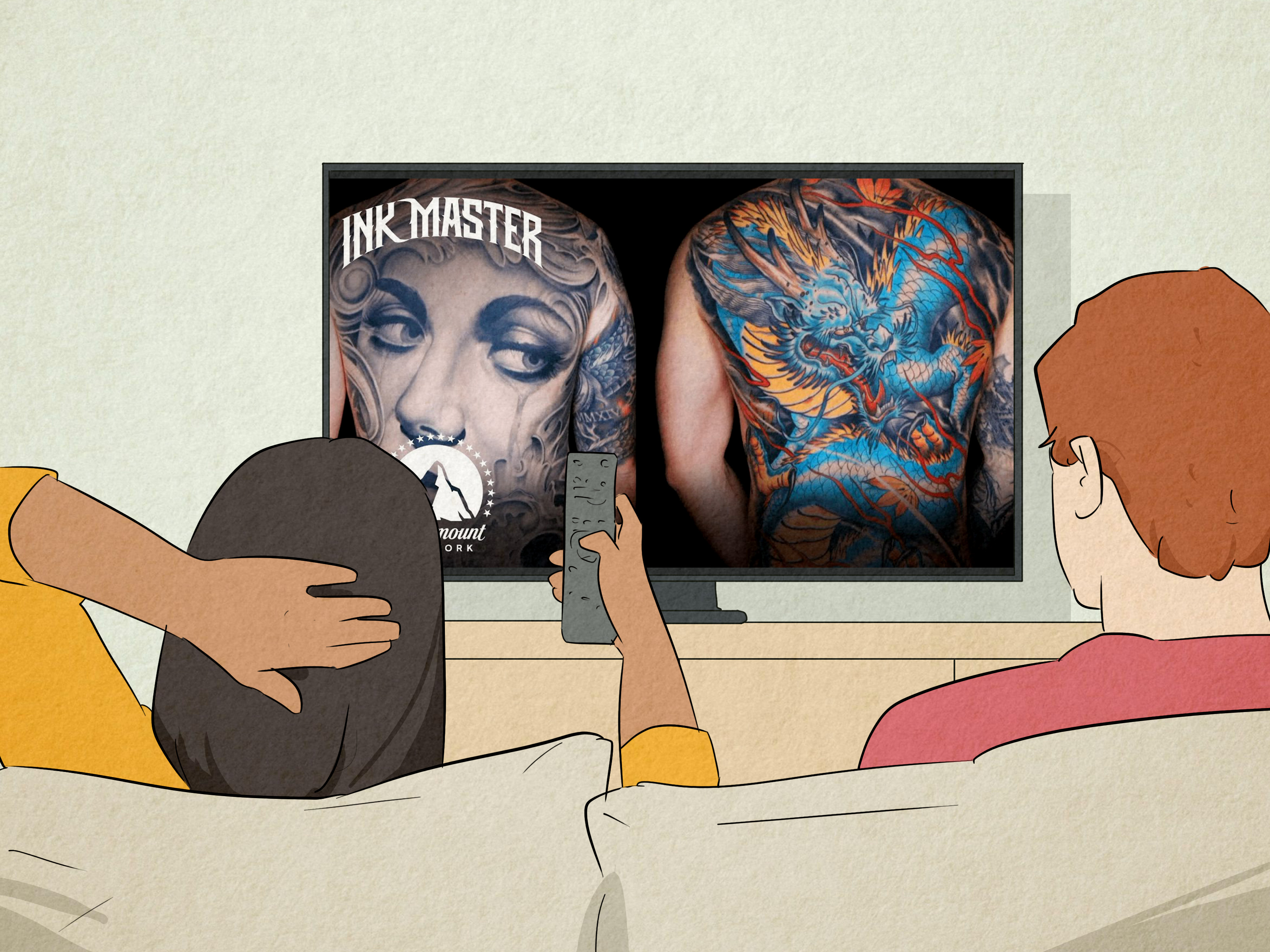
Some people run marathons. Some people climb mountains. And some brave souls look at a reality tattoo competition and say,
“Yes, I would like to be a permanent group project on national TV.” If that’s you, welcome: you’re trying to become an
Ink Master human canvas.
Being a human canvas is part audition, part adventure, and part “I hope my pain tolerance didn’t peak in middle school when
I got braces tightened.” You’re not just volunteering for a free tattooyou’re volunteering for a tattoo under time limits,
cameras, bright lights, producer logistics, and the mild chaos that happens when art meets competition.
This guide breaks down the Ink Master human canvas application process, what casting teams look for, what paperwork
usually shows up, and how to set yourself up for the best possible experiencebefore, during, and after the needle starts
singing.
What a “Human Canvas” Actually Signs Up For (Spoiler: It’s Not a Spa Day)
On Ink Master, artists compete by tattooing real peoplehuman canvasesunder specific challenge rules. That means your tattoo
might be tied to a style (traditional, realism, Japanese, etc.), a theme, a technique, or a placement requirement. The stakes
are high because, unlike a burnt soufflé, a tattoo is meant to stick around.
Human canvases also add unpredictability. Some people are flexible and chill; others arrive with an ultra-specific vision and
the negotiation energy of a lawyer on espresso. Some have sensitive skin. Some struggle with the pain and need breaks. That
human element is part of what makes the show workand part of what makes casting careful.
Eligibility Basics: Who Usually Gets Considered
Age requirements
Most seasons require adult participants. Depending on the season and filming location, you may see minimum ages such as
18+ or 21+. Translation: if you’re not legally old enough to be tattooed and sign reality TV paperwork,
you won’t be cast. (Also: even if you are old enough, your mom texting the casting team “PLEASE DON’T” is… not a strategy.)
Location and availability
Casting often prioritizes people who can reasonably get to the filming location and be available during the production window.
Older casting notices have required applicants to live in a specific region and be available during certain months. The key
takeaway: the show casts for logistics as much as it casts for personality.
Comfort with the format
A human canvas typically needs to be open-minded about creative constraints. You may have input on concept and meaning, but the
final design can be shaped by time limits, challenge rules, and what the artist can execute in one session. If you need total
control, your best bet is a regular tattoo appointmentnot a competition show.
Health and safety considerations
Tattoos can involve risks (infection, allergic reactions, delayed healing). Casting may ask about medical issues for safety and
practical reasons. If you have concernsespecially immune, skin, or healing issuestalk with a qualified clinician before you
ever apply. Reality TV is not the place to discover you’re allergic to optimism and red ink.
Where to Apply: Finding the Official Ink Master Human Canvas Application
Ink Master casting has historically used official online forms for human canvases. The application process can change by season,
so your best move is to locate the current, official human canvas casting page and follow the instructions there.
Typical application steps include:
- Completing an online form with contact info and basic background
- Confirming you meet age and eligibility requirements
- Submitting clear photos (often required to be considered complete)
- Describing the tattoo idea you want (and how flexible you are)
- Answering questions about your tattoo history and sitting tolerance
Pro tip: if the application doesn’t let you save progress, draft your answers in a separate document first. You’ll avoid the
uniquely modern tragedy of writing your life story… and then losing it to a browser refresh.
How to Fill Out the Application Like You Want to Get Cast
Casting teams read applications the way tattoo artists read skin: quickly, professionally, and with a deep desire to avoid
surprises. Your goal is to help them understand three things:
(1) what you want, (2) how workable you are, and (3) whether production can rely on you.
1) Describe your tattoo idea with meaning + visuals
“I want something cool” is not an idea. It’s a cry for help. Instead, give a simple concept with a clear visual direction:
- Meaning: Why this tattoo matters (a person, a milestone, a belief, a memory)
- Imagery: What should be in it (objects, animals, symbols, scenery)
- Style vibe: What you’re drawn to (bold traditional, fine-line, black-and-grey realism, illustrative, etc.)
- Non-negotiables: One or two “must-haves” at most
- Flex points: Where you’re open to change (colors, background elements, exact composition)
Casting loves claritybut it also loves flexibility. The sweet spot is “I know what this tattoo means to me” plus “I understand
this is a competition with constraints.”
2) Placement: be realistic, not fearless
Your preferred placement matters for two reasons: (1) some challenges need specific body areas, and (2) pain and time are real.
A design that’s gorgeous on paper might be brutal or impractical in a limited session depending on size, detail, and location.
One real human canvas described adjusting placement after discussing pain and time limits with the assigned artistmoving from a
more painful area to a more manageable one so the tattoo could be completed well within the session window. That’s the mindset
that helps you get a better result: you’re not “giving up,” you’re optimizing.
3) Photos: treat this like casting, not like vibes
Submit photos that are sharp, well-lit, and recent. If you’re offering a specific placement, include an image of that area
(tastefully framed). If you have existing tattoos, include clear shots of them tooespecially if the new tattoo needs to work
around old ink.
The goal is simple: make it easy for casting to visualize you on the show, and make it easy for production to understand what
can and can’t be tattooed.
4) Your “sit” stats matter more than you think
Applications often ask about your tattoo history: how many tattoos you have, the longest session you’ve sat through, and how
you handled it. This isn’t a toughness contestit’s a practical predictor. If you’ve never sat longer than 45 minutes, a
multi-hour competition tattoo might hit you like a plot twist.
Be honest. Casting would rather pick a calm, realistic person than someone who claims they “never feel pain” (which, medically,
is either untrue or a superhero origin story).
What Happens After You Apply: The Casting Timeline (and the Waiting Game)
After submission, a few things can happen:
- No response. High volume applications often mean not everyone hears back.
- Follow-up questions. Casting may request more details or better photos.
- A phone/video interview. You may be asked about your tattoo concept, flexibility, availability, and comfort on camera.
- Paperwork and confirmations. If you’re moving forward, expect releases and detailed scheduling.
Reality TV casting can also be slow. Some applicants have reported waiting years between applying and getting selected. That’s
not personalit’s logistics, season timing, location needs, and the show’s constantly shifting puzzle pieces.
How Casting Chooses Human Canvases (Yes, There’s Strategy)
Casting isn’t random, and it’s not just “who wants a free tattoo.” Producers cast from a large pool and consider:
1) Episode needs
Some episodes require certain placements (back pieces, sleeves, chest, legs). Some challenges require canvases who are open to
a specific style or theme. Your application is stronger if it clearly signals what you can offer.
2) Flexibility under pressure
Producers know artists have to work fast. A canvas who can collaboratewithout bulldozing the artist or melting down when a line
changes directionis valuable. The show thrives on unpredictability, but production still wants tattoos that can be completed.
3) The “human element”
Human canvases are part of the storytelling. That doesn’t mean you need a tragic backstory delivered in slow motion. It means
you should be a real person with a real reason, willing to communicate on camera like a functional adult.
Paperwork You’ll Probably See: Releases, Rights, and Reality TV Fine Print
If you move forward, expect some combination of:
- Appearance releases (permission to film you, use your voice and likeness)
- Medical and safety acknowledgments (because tattooing breaks the skin and carries risks)
- Materials and publicity rights (permission to use your submitted photos and application materials)
- Compensation/travel terms (some seasons note no pay and no reimbursement for travel or lodging)
- No-guarantee language (applying does not guarantee participation)
Read what you sign. If you don’t understand something, askpolitely and early. The best time to clarify terms is before you’ve
booked travel, not after you’ve become a meme.
Safety and Aftercare: The Unsexy Stuff That Protects Your Skin (and Your Tattoo)
Tattoos are common, but they’re still a procedure that punctures the skinmeaning infections and reactions can happen. Public
health and medical sources consistently note that infection risk increases when the skin barrier is broken, especially if ink or
equipment is contaminated or if aftercare is poor.
Before the tattoo
- Sleep and eat beforehand (your body handles stress better when you’re not running on vibes and caffeine)
- Hydrate, and avoid anything that makes you lightheaded
- Disclose relevant health conditions honestly if asked
Aftercare basics (general guidance)
- Follow the artist’s and production’s aftercare instructions carefully
- Keep the area clean and avoid picking or scratching
- Watch for signs of infection or unusual reactions and seek medical care promptly if symptoms appear
Bottom line: the coolest souvenir from Ink Master is a tattoo you lovenot a story that begins, “So I ignored the aftercare
sheet because I thought I was built different.”
How to Be a Great Human Canvas on Set
The best human canvases make the artist’s job easier without disappearing from the process. Here’s how:
Communicate clearly (but don’t micromanage)
Say what matters most: meaning, key elements, and what you absolutely don’t want. Then let the artist do what you came for:
create.
Be flexible about adjustments
Smart adjustmentssize, placement, color balancecan save a tattoo under time constraints. Collaboration isn’t settling; it’s
problem-solving.
Keep your expectations adult-sized
You’re getting tattooed in a competition environment. Most people walk away thrilled, but there are no perfect guarantees.
Your best protection is preparation, communication, and choosing flexibility over fantasy.
Real Human Canvas Experiences: What It Can Feel Like (Plus What People Wish They Knew)
Let’s talk about the part everyone wonders: What is it actually like? Former human canvases have described the experience
as noticeably less “constant screaming and dramatic music” than the edited TV version. On set, it’s often a busy production
environmentorganized, bright, and full of people doing jobs with clipboards and headsets. The tension you feel can come from
the stakes (permanent art!) and the atmosphere (cameras everywhere), but that doesn’t automatically translate to chaos.
One canvas described applying multiple times over years, answering detailed questions about style, placement, tattoo history,
and longest sitting timethen eventually getting contacted much later and doing a call with showrunners about the design.
That same person reported that they weren’t told everything in advanceonly key logistics like where to show up and the general
nature of the challenge. In other words: you may get enough information to prepare, but not enough to “pre-live” the episode in
your head for a month (which is probably healthier anyway).
On the day of filming, canvases may spend time waiting in a designated area before being matched with an artist. The “match”
can feel like speed dating with higher stakes: you’re meeting someone whose style and personality you don’t fully know, and you
need to quickly decide whether you can collaborate. That’s why your application flexibility matters so much. If your concept is
rigid, the match becomes harder. If your concept has a clear heart but flexible limbs, collaboration gets easier fast.
A big theme in firsthand accounts is that artist-canvas communication can improve the outcome. One canvas shared
that the tattoo changed location after an honest discussion about pain and what could be completed well in the allotted time.
That’s a small decision that can have a huge impact: better line quality, better shading, less rushing, and a canvas who can sit
through the session without tapping out. If you want a tattoo you’ll still love years later, these “boring” choices matter.
Another common point: the artists are often more supportive of each other in person than the show’s competitive edit suggests.
People have described moments where artists admired each other’s work and the vibe felt surprisingly wholesome. Production is
still production, of course, but it’s not automatically the emotional Thunderdome your TV screen sometimes implies.
Logistics vary by season, but some former canvases have also mentioned practical perks like limited hotel accommodations tied to
filmingagain, not guaranteed, not universal, and not a reason to apply by itself, but a reminder that reality TV is a machine
with schedules, call times, and real-world planning behind the scenes.
What people often wish they knew sooner
- Be ready for waiting. Casting and filming involve downtime. Bring patience, not just excitement.
- Bring a “collaboration mindset.” Your tattoo can still be meaningful even if the exact pose of the lion changes.
- Placement is strategy. “I can handle it” is less useful than “I want a tattoo that heals well and looks great.”
- Aftercare is the real finale. The camera stops, but your skin keeps working.
- Apply once, apply well. Clear photos and thoughtful answers beat frantic over-explaining every time.
If you walk into the process understanding the trade-offsfree tattoo, but competition constraints; exciting experience, but
paperwork and unpredictabilityyou’ll be ahead of most applicants. And if you can stay calm, communicate clearly, and treat the
artist like a professional (not a magical ink genie), you’ll maximize the odds of leaving with a tattoo you’re proud to wear for
the long haul.