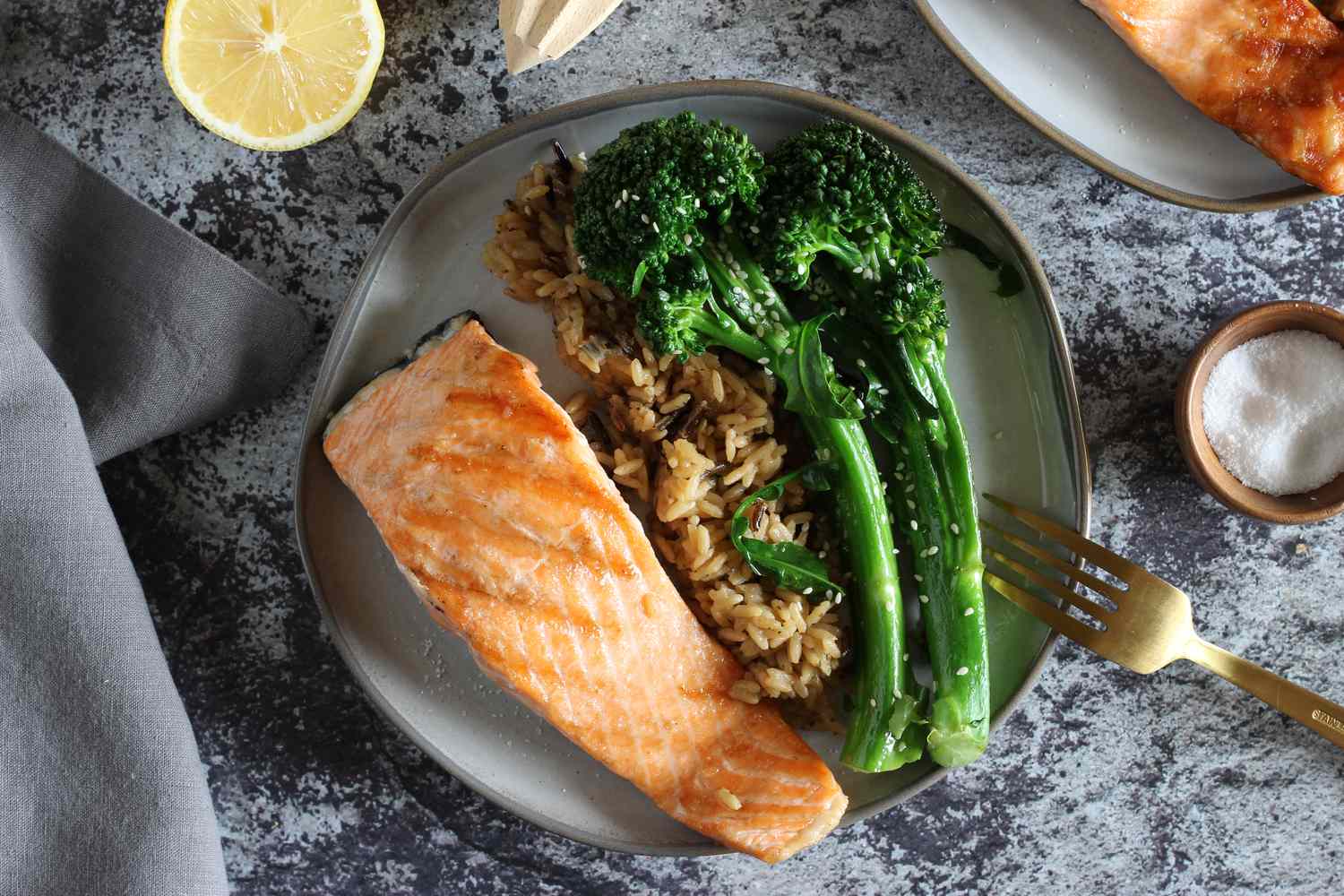
If you’ve ever turned a beautiful fillet of salmon into dry fish jerky, you are very much not alone. Fish can feel intimidating: the labels are confusing, it cooks fast, and there’s a fine line between “succulent” and “I need a glass of water immediately.” The good news? Once you understand a few simple rules about buying and cooking fish, you can get restaurant-level results in your home kitchen on a Tuesday night.
This guide walks you through how to choose the best fish at the store, handle it safely, and cook it perfectly every single timewhether you’re pan-searing, baking, grilling, or air-frying.
Step 1: Choose the Right Fish for the Job
Perfect results start long before you turn on the stove. Picking the right fishand good-quality fishmakes cooking easier and more forgiving.
Know the Basic Fish Types
Think about fish in two big groups:
- Lean, firm fish: cod, haddock, halibut, pollock, sea bass, many white fish. These are great for baking, poaching, steaming, and frying.
- Fatty fish: salmon, trout, mackerel, bluefish, tuna. These are perfect for pan-searing, roasting, grilling, and air-frying because their natural fat helps keep them moist.
If you’re new to cooking fish, start with forgiving choices like salmon or cod. They’re widely available, mild-tasting, and work with almost any cooking method.
Fresh vs. Frozen: Which Is Better?
Here’s a secret chefs and seafood experts talk about all the time: “Fresh” isn’t always better. High-quality frozen fish is often fresher than what’s been sitting in a display case for a few days. Fish is frequently flash-frozen shortly after it’s caught, locking in flavor and texture for months when stored properly in a home freezer.
Choose fresh fish when:
- You have a trusted fishmonger or grocery store with high turnover.
- The fish looks vibrant, smells clean, and is displayed on plenty of ice.
Choose frozen fish when:
- You live far from the coast or don’t have a great seafood counter nearby.
- You want to keep fish on hand for quick weeknight meals.
- You see individually vacuum-sealed portions with clear labels and minimal ice crystals.
How to Buy Fresh Fish Like a Pro
Whether you’re at a farmers market, a dedicated fish market, or the seafood counter at a big-box store, use your senses and a few simple rules to spot great fish.
What Fresh Fillets Should Look Like
- Color: The flesh should look moist and vibrant, not dull, dried out, or brown around the edges. Salmon should have a rich pink to deep orange color; white fish should look translucent, not chalky.
- Texture: The flesh should be firm and spring back when you press it lightly. If your finger leaves a dent, it’s past its prime.
- Moisture: A slight sheen is great; puddles of cloudy liquid are not. Excess liquid can mean the fish has been previously frozen and thawed or has been sitting for too long.
What Whole Fish Should Look Like
- Eyes: Clear and bright, not sunken, cloudy, or gray.
- Gills: Bright red or pinkish, not brown or slimy.
- Skin: Shiny with tight, intact scales.
- Smell: Clean, like the ocean or a fresh breezenever strongly “fishy” or sour.
Ask QuestionsThat’s What the Fishmonger Is For
Don’t be shy. Ask:
- “When did this come in?” (You want the most recent shipment.)
- “Has this fish been previously frozen?” (Nothing wrong with that, but you don’t want to refreeze it at home.)
- “What cut works best for pan-searing or grilling?” (They know which fillets will hold together.)
If the staff seems impatient or can’t answer basic questions, that’s a hint to buy from another store next time.
How to Buy Great Frozen Fish
Frozen fish can be a budget-friendly, high-quality option that gives you “perfect fish night” on demand. Just keep a few rules in mind:
- Choose vacuum-sealed portions: These protect against freezer burn and off flavors.
- Avoid heavy ice crystals or frost: That can signal the fish has partially thawed and refrozen.
- Check dates: Use within a few months for best flavor and texture, even if it’s technically safe longer.
At home, keep fish in the coldest part of your freezer (not on the door) and keep packages tightly sealed.
Storing and Thawing Fish Safely
Fish is delicate, so how you handle and thaw it matters for both safety and texture.
How to Store Fresh Fish
- Refrigerate seafood promptly, ideally within 2 hours of buying (or within 1 hour if it’s very warm outside).
- Keep it at or below 40°F (4°C) in the fridge.
- Use fresh fish within 1–2 days for best quality.
To mimic a fishmonger’s case at home, set the fish (wrapped) on a plate of ice in the fridge. Drain and refresh the ice as needed. It’s a small effort that can noticeably improve freshness.
How to Thaw Frozen Fish (Without Wrecking It)
Skip the “leave it on the counter” method. It invites bacterial growth and can ruin texture. Use one of these safer options instead:
- Overnight in the fridge: Place the fish (still wrapped) on a plate and thaw for 8–24 hours. This is the safest and most texture-friendly method.
- Cold water bath: If you’re short on time, submerge the sealed fish in a bowl of cold water. Change the water every 20–30 minutes until thawed. Don’t use warm or hot water, which can create a mushy outer layer while the inside is still icy.
- Cook from frozen (when appropriate): Some methods, like baking or air-frying, work well from frozen. Just add a few extra minutes and check for doneness.
Once fish has thawed, avoid refreezing raw seafood; both food-safety experts and quality-focused cooks agree it can harm texture and increase risk if not handled carefully.
The Golden Rule: Don’t Overcook the Fish
If you remember only one thing, remember this: perfect fish is gently cooked fish.
Internal Temperature and Visual Signs
- Safe temperature: Many food safety authorities recommend cooking fish to an internal temperature of about 145°F (63°C) and letting it rest briefly.
- Visual cues: The flesh should turn opaque and flake easily with a fork. Press the thickest part gentlyif the layers separate into moist flakes, you’re there.
Because fish continues to cook after you remove it from heat, a lot of experienced cooks pull it a bit earlier (around the low 130s–140s°F, depending on the type) and let carryover heat finish the job. This keeps the center juicy instead of chalky.
Thickness, Not Time, Is What Matters
Cooking times in recipes are helpful, but they’re just estimates. A 1-inch salmon fillet and a thin tilapia fillet won’t cook at the same speed, even in the same pan.
- Thin fillets: often 3–6 minutes total on the stovetop, or 8–12 minutes in the oven.
- Thicker pieces or whole fish: may need 15–25 minutes in the oven or a bit longer on the grill.
Use the “flake test” and, whenever possible, a quick-read thermometer. Once you learn what perfectly cooked fish looks and feels like, you’ll rely less on the clock and more on your senses.
Match Cooking Method to the Fish
Different fish shine with different cooking methods. Matching the right technique to the fish type makes “perfect results” much easier.
Pan-Searing for Crispy, Golden Fillets
Pan-searing is ideal for salmon, trout, snapper, and other fillets with skin. To get crisp skin and tender flesh:
- Pat the fish completely dry with paper towels, especially the skin.
- Season with salt and pepper right before cooking.
- Heat a heavy skillet over medium to medium-high and add a thin layer of oil.
- Lay the fish in skin-side down and press gently with a spatula for the first 20–30 seconds to keep it flat.
- Let it cook mostly on the skin side until the fish is nearly done, then flip briefly to finish.
You’ll get crackling skin, moist flesh, and serious “I made this?!” energy.
Baking and Roasting for Fuss-Free Dinners
Baking is the weeknight hero: minimal effort, easy clean-up, and very consistent results.
- For fillets: Bake at about 375–400°F on a lightly oiled or parchment-lined pan. Add a drizzle of oil, some lemon, herbs, and a pinch of salt. Most fillets will cook in 10–15 minutes, depending on thickness.
- For whole fish: Stuff the cavity with herbs, citrus slices, and garlic, then roast. Use a thermometer or check that the flesh flakes easily and the fins pull off with gentle tugging.
If you’re nervous about overcooking, consider slow-roasting at a lower temperature like 300°F. The fish cooks more gently and stays tender, even if you overshoot the time slightly.
Grilling for Smoky Flavor
Grilling adds char and smokiness that work beautifully with both whole fish and firm fillets like salmon, swordfish, or tuna.
- Make sure your grates are clean and well-oiled to reduce sticking.
- For whole fish, oil the skin, stuff with aromatics, and grill over medium heat, turning gently once.
- For fillets, you can grill directly on the grates if they’re firm, or use a grill basket or foil if the fish is delicate.
As with other methods, grill until the flesh is opaque and flakes, or your thermometer reads around the mid-130s to mid-140s°F, then rest briefly before serving.
Gentle Methods: Poaching, Steaming, and En Papillote
Lean, delicate fish loves gentle heat. Poaching in broth, steaming, or cooking “en papillote” (in a parchment packet) keeps moisture in and minimizes risk of drying out.
- Poaching: Simmer seasoned broth, wine, or coconut milk, then add the fish and cook at a bare simmer until just opaque.
- Steaming: Set the fish in a steamer basket over simmering water with aromatics like ginger, scallions, or herbs.
- En papillote: Wrap fish with vegetables, herbs, and a splash of liquid in parchment paper and bake. The packet traps steam and creates its own flavorful sauce.
Flavor Basics: How to Season Fish So It Never Tastes Bland
Once you’ve nailed buying and cooking, flavor becomes the fun part. Fish is incredibly versatile and pairs well with bright, fresh ingredients.
Use the “Fat + Acid + Fresh” Formula
For a simple but reliable approach, think in three parts:
- Fat: olive oil, butter, mayo, or a rich sauce.
- Acid: lemon or lime juice, vinegar, or a tangy yogurt sauce.
- Fresh: herbs (dill, parsley, cilantro, basil), scallions, or fresh chiles.
Example combos:
- Salmon with lemon, garlic butter, and dill.
- Cod with olive oil, cherry tomatoes, capers, and parsley.
- Grilled fish tacos with lime crema, cabbage slaw, and cilantro.
Troubleshooting: Fixing Common Fish Mistakes
“My Fish Is Dry”
- Lower your cooking temperature a bit.
- Check for doneness earlier and rely on flaking and a thermometer.
- Add a sauce or finish with an herby butter or olive oil drizzle.
“My Fish Sticks to the Pan”
- Dry the fish really well before cooking.
- Preheat the pan and oil thoroughly.
- Don’t move the fish too soononce the skin is crisp, it naturally releases.
“My House Smells Fishy”
- Start with the freshest possible fish.
- Cook with good ventilation (hood fan, open window).
- Clean the pan promptly and take trash out soon after cooking.
Extra Real-World Tips for Perfect Fish Every Time
Beyond rules and charts, experience is what makes cooking fish feel natural. Here are some lived-in, practical lessons many home cooks learn over time.
Start Simple and Repeat What Works
Instead of bouncing between ten complicated recipes, choose one basic methodlike pan-seared salmon or baked codand make it several times. Each time, tweak one variable: the heat level, the cooking time, or the amount of fat. You’ll quickly get a feel for how fish responds in your specific pan, on your specific stove or in your particular oven.
For example, you might notice your oven runs a bit hot, so “400°F for 12 minutes” from a recipe really means “375°F for 10 minutes” in your kitchen. That kind of knowledge turns you from recipe-follower into confident cook.
Get Comfortable with “Slightly Underdone”
Many of us were raised on overcooked proteins in the name of safety. With fish, that instinct can ruin texture. A better approach is to aim for just-done and let carryover heat finish the job. When you think, “It looks almost ready,” that’s often exactly when you should remove it from the heat and let it rest for a few minutes.
Try this experiment: cook two identical pieces of salmonone pulled as soon as it flakes easily, and one cooked a few extra minutes “for safety.” Taste them side by side. The contrast alone will convince you that gentler cooking is worth trusting.
Embrace Frozen Fish for Weeknights
A lot of home cooks get stuck thinking fish is a “special occasion” ingredient that requires a fresh-from-the-market purchase. In reality, keeping frozen fillets or vacuum-sealed portions in your freezer turns fish into the fastest, easiest protein you own. You can come home at 6:30 p.m., thaw a portion quickly in cold water, and have dinner on the table in under 30 minutes.
This also reduces wasteno more sad, forgotten fillets in the back of the fridgeand makes it realistic to eat seafood regularly without an extra grocery run.
Build a Few “House Sauces” You Love
One of the best ways to feel confident cooking fish is to have two or three go-to sauces that work with almost anything:
- A quick lemon-herb butter: butter, garlic, lemon, and chopped parsley or dill.
- A yogurt sauce: Greek yogurt, lemon juice, garlic, herbs, a drizzle of olive oil.
- A simple salsa or relish: diced tomatoes or cucumbers, onion, herbs, and citrus.
Once you know you can fix any mildly bland fish with a fantastic sauce, you’ll be much more relaxed about the cooking process itself.
Use Fish as a Canvas, Not the Whole Painting
Fish doesn’t have to carry the entire meal on its fins. If you’re nervous about overcooking, build meals where the fish is just one component: think tacos, grain bowls, or hearty salads. A slightly overcooked fillet flaked into a big salad with crunchy vegetables, herbs, and a zippy dressing is still delicious and satisfying.
These “mixed” dishes are also a great way to use leftover fish the next daytoss cold salmon into a pasta salad, or pile leftover cod into tortillas with slaw and hot sauce.
Pay Attention to How You Feel After Eating
Fish can be rich and filling or light and energizing, depending on what you choose. Notice how different types and cooking methods sit with you. Some people love oily fish like salmon or mackerel several times a week; others feel best alternating lighter white fish with plant-based meals. Over time, you’ll create your own rhythm that fits your taste, budget, and energy levels.
Turn “Fish Night” into a Ritual, Not a Gamble
When fish becomes a regular part of your routinesay, every Tuesdayyou’ll have more chances to practice, more opportunities to refine your techniques, and far fewer nerves. Choose a store you trust, get to know the staff, stock your pantry with lemon, olive oil, herbs, and a couple of favorite sauces, and treat fish night like a pleasant ritual rather than a risky experiment.
With the right buying habits, smart storage, and gentle cooking methods, “How do I cook fish without ruining it?” becomes “Which delicious fish dinner do I want this week?” And that’s when you know you’ve truly nailed it.
Conclusion
Buying and cooking fish for perfect results every time is less about memorizing complicated recipes and more about mastering a few simple principles: choose good-quality fresh or frozen fish, handle it safely, cook it gently, and layer on bright, fresh flavors. Once you get those basics down, fish becomes one of the easiest, fastest, and most rewarding proteins you can make at home.
sapo: Nervous about overcooking fish or choosing the wrong fillet at the store? This in-depth guide walks you step by step through how to buy fresh or frozen fish, store and thaw it safely, and cook it using foolproof methodsfrom pan-searing and baking to grilling and gentle poaching. With practical tips, flavor ideas, and real-world cooking lessons, you’ll turn “fish night anxiety” into confident, delicious seafood dinners every time.