If a feather duster and a pom-pom had a baby, you’d get a Silkie chicken. These pint-sized, fluffy birds are some of the most charming backyard pets you can ownfriendly, gentle, and just strange enough to make your neighbors ask questions. But that fluffy “fur” (it’s really soft feathers) also means Silkies need a little extra care compared with standard chickens.
This in-depth guide walks you through everything you need to know about how to care for Silkie chickensfrom choosing chicks and setting up the coop to grooming, feeding, and keeping them healthy. We’ll also highlight ideas for photos you can take at each step, so your “with pictures” gallery basically creates itself.
Meet the Silkie: What Makes This Breed So Special?
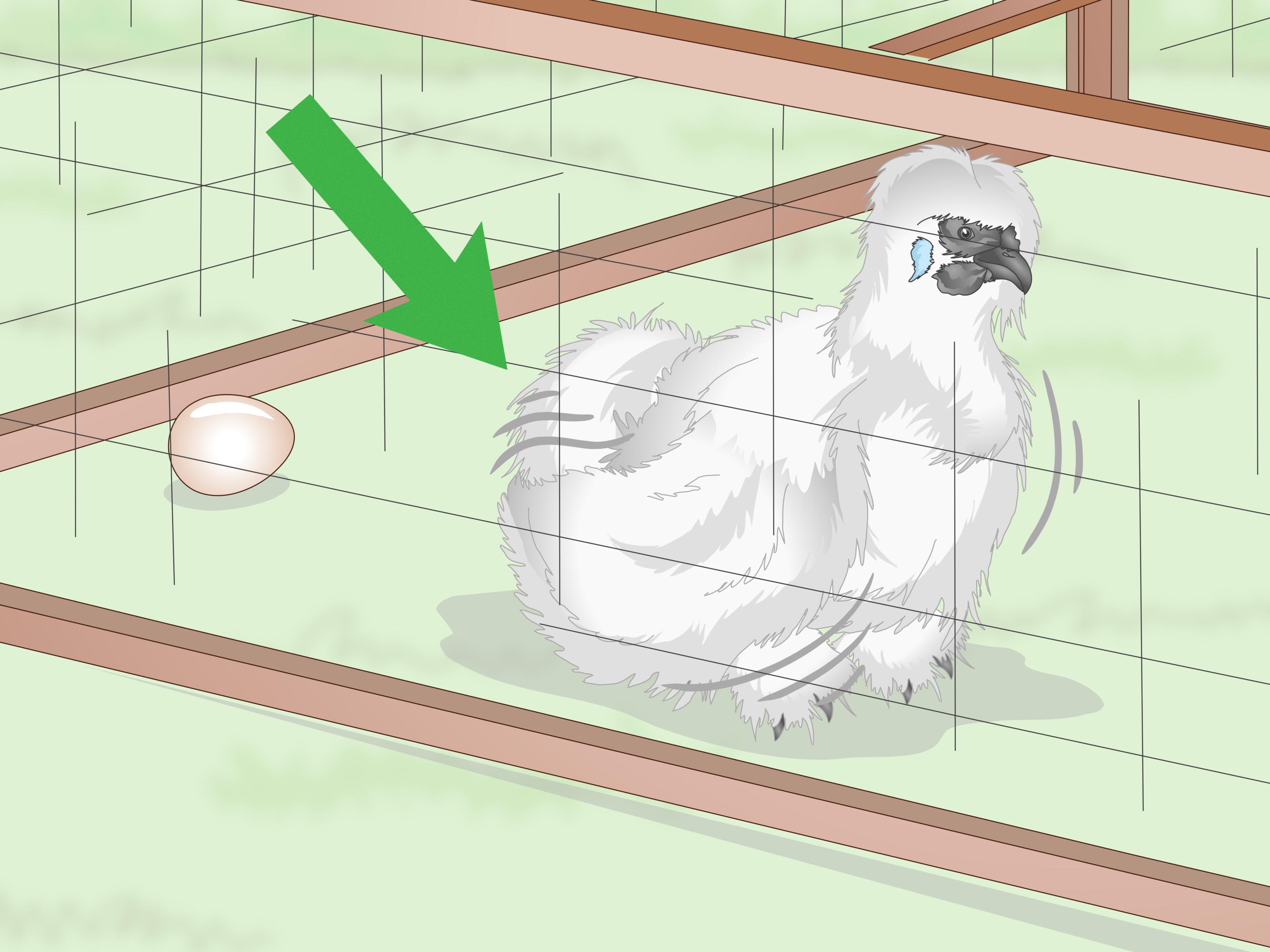
Silkies are a bantam (small) chicken breed known for their ultra-soft plumage, crest of feathers on the head, feathered legs, black skin, and extra toesusually five instead of the standard four. They’re typically calm, docile, and famously broody, meaning Silkie hens love to sit on eggs and make devoted moms.
Key Silkie traits at a glance
- Size: Bantam-sized; usually 2–3 lbs as adults.
- Temperament: Gentle, friendly, easy to tamegreat for kids.
- Eggs: Small cream or tinted eggs; 100–150 per year is typical, so think “pet” more than “egg factory.”
- Feathers: Fluffy, hair-like feathers that aren’t waterproof and can get soaked easily.
- Colors: Commonly white, buff, black, blue, partridge, and splash.
Photo idea: Take a close-up of your Silkie’s goofy pom-pom crest and fuzzy feet to show kids (or skeptical adults) why this isn’t your average chicken.
Setting Up the Perfect Silkie Coop and Run
Think of Silkies as chickens with “delicate princess” feathers. They don’t need a palace, but they do need a clean, dry, draft-free home with extra protection from wet and mud. Just like other chickens, they’re vulnerable to predators, temperature extremes, and poor ventilation.
Space requirements
- Indoor coop space: Aim for at least 3–4 square feet per Silkie inside the coop.
- Outdoor run space: At least 8–10 square feet per bird in the run so they can scratch, dust bathe, and roam without crowding.
Because Silkies are small and often bullied by larger, more assertive breeds, it’s best either to keep them in a Silkie-only flock or to let them live with other gentle breeds.
Coop design tips for Silkies
- Dry, raised floor: Use pine shavings or straw and keep things dry. Damp bedding can lead to respiratory issues and dirty feathered feet.
- Secure hardware cloth: Cover windows and run walls with ½-inch hardware cloth (not flimsy chicken wire) to keep out raccoons, rats, and other predators.
- Low roost bars: Silkies don’t fly well and often prefer to sleep in a pile on the floor. If you use roosts, keep them low (6–12 inches) to protect those fluffy heads from hard landings.
- Spacious nesting boxes: Provide nesting boxes roughly 12 × 12 inches in a quiet, draft-free area. Silkies love sitting on eggs, so you may find one permanently moved in.
Photo idea: Snap a wide shot of your Silkie coop and run, then a close-up of the bedding and roost height. These visuals are incredibly helpful for new keepers.
Silkie Chick Care: From Puffball to Mini Chicken
Silkie chicks look like tiny cotton balls on legsand they need the same basic brooder setup as other chicks, with a few careful tweaks.
Brooder setup and temperature
- Heat: Start chicks at about 95°F (35°C) in the first week and reduce by about 5°F each week until they’re fully feathered or the ambient temperature matches their needs.
- How to “read” chicks:
- Huddled together under the heat and chirping loudly = too cold.
- Spread far away from the heat source, panting = too hot.
- Moving around, exploring, eating, and sleeping = just right.
- Bedding: Use paper towels for the first couple of days (for traction and cleanliness), then switch to pine shavings. Avoid slippery surfaces like newspaper.
- Time in brooder: Many Silkie chicks need supplemental heat for 4–5 weeks, sometimes longer if it’s cold or damp.
Chick feed and water
- Feed: A high-quality chick starter with about 18–20% protein supports healthy growth.
- Water: Provide shallow chick waterers to prevent drowning, and refresh water daily.
- Placement: For the first days, scatter a bit of feed on a paper towel so chicks easily recognize it as food, then transition to proper feeders.
Photo idea: Document each stagefirst brooder setup, day-old chicks under the heat lamp, then their “tween” phase with partially developed feathers.
Feeding Adult Silkie Chickens
Silkies might look like boutique chickens, but their diet isn’t complicated. They thrive on the same base nutrition as other layers, with a few tweaks to support feathers and health.
Daily diet basics
- Layer feed: Once they start laying (around 6–8 months), switch hens to a complete layer feed formulated with enough calcium for eggshells and around 16–18% protein.
- Silkie protein needs: Some keepers prefer slightly higher protein (18–20%) to support heavy feathering, especially during molting.
- Chicks & non-layers: Keep younger birds and non-laying roosters on grower or all-flock feed with an appropriate protein level, and offer calcium separately if needed for layers.
Treats and extras
- Healthy treats: Small portions of leafy greens, veggies, herbs, and mealworms are finebut keep treats to under 10% of the diet so birds still eat their balanced feed.
- Grit: If you’re feeding anything besides commercial crumble or pellets, offer insoluble grit so Silkies can grind food in their gizzards.
- Fresh water: Clean, cool water should always be available. In winter, consider heated waterers to prevent freezing.
Photo idea: Show a Silkie flock at the feeder and a detail shot of appropriate crumble or pellets in a clean feeder.
Grooming: Keeping Fluffy Birds Clean and Comfortable
This is where Silkie care really differs from standard chickens. Because their feathers lack the hooks that “zip” together like normal plumage, Silkies can’t shed water properly and get dirty more easily. A bit of maintenance keeps fluff from turning into dreadlocks.
Routine grooming
- Dry coop and run: First line of defense is keeping their environment dry and relatively mud-free. Wet, muddy runs equal dirty, chilled Silkies.
- Crest trimming: If head feathers block their vision, carefully trim around the eyes. Better visibility reduces bullying, accidents, and missed food.
- Foot feather checks: Examine feathered feet for mud balls, ice, or packed droppings. Gently soak and remove debris if needed.
Baths (yes, really)
Most Silkies don’t need full baths often, but if they get caked in mud or droppings, a gentle wash can literally save their fluff.
- Use a basin of warm (not hot) water and a mild, unscented baby shampoo or poultry-safe cleanser.
- Support the bird’s body, keep its head above water, and avoid getting water into nostrils or eyes.
- Rinse thoroughly, then dry with towels and, if needed, a hairdryer on low and warmnever hot. Make sure the bird is completely dry before going back outside.
Photo idea: Before-and-after bathing shots, plus a close-up of a trimmed crest, make fantastic how-to images.
Health, Safety, and Common Silkie Issues
Silkies aren’t fragile, but their unique feathers and docile nature can put them at a disadvantage in harsh environments or mixed flocks. A little proactive care goes a long way.
Common health concerns
- Respiratory infections: Often linked to damp, poorly ventilated coops. Keep bedding dry, provide good airflow without drafts, and remove ammonia build-up from droppings.
- Vision problems: Overgrown crest feathers can limit sight, making birds more fearful or prone to accidents.
- External parasites: Like other chickens, Silkies are vulnerable to mites and lice. Check skin (especially under wings and around vent) and use dust baths with sand and a bit of wood ash or diatomaceous earth as recommended.
- Broody exhaustion: Silkie hens are legendary for broodiness. If a hen stays broody too long without hatching chicks, she may lose weight and condition. It’s wise to either give her fertile eggs or “break” broodiness by moving her to a wire-bottom crate with food and water for a few days.
Weather and climate considerations
- Cold: Silkies can handle cold fairly well as long as they’re dry and sheltered from wind. Their fluff acts like insulation.
- Wet: Moisture is a bigger enemy than cold. Always give them a dry, covered run or sheltered area where they can escape rain, snow, and mud.
- Heat: In hot climates, provide shade, cool water, and good airflow. Watch for panting and droopy wingssigns they may be overheated.
Photo idea: Capture seasonal careSilkies playing in a dry winter run or lounging in shaded dust baths during summer.
Handling, Training, and Family-Friendly Fun
Silkies are often described as “lap chickens.” Their calm, cuddly nature makes them ideal for small children, therapy animals, or anyone who secretly wanted a tiny dinosaur that likes snuggles.
How to tame a Silkie
- Start young, handling chicks gently every day.
- Offer small treats from your handlike mealworms or bits of fruitso they associate you with good things.
- Move slowly and speak softly; Silkies with limited vision (due to fluffy crests) can be startled by quick movements.
Many owners train their Silkies to come when called, hop into laps, or even pose for photos. They’re natural hams once they feel safe.
Photo idea: Try a family portrait with kids gently holding a Silkie, or a “glamour shot” of a Silkie perched on a stump looking noble (in a poofy sort of way).
Eggs, Broodiness, and Breeding Silkies
Silkies won’t replace a high-production laying breed, but they shine as broody hens and attentive mothers. Some people even use them to hatch eggs from other breeds or species.
Egg production basics
- Typical laying rate: Around 2–3 eggs per week in peak season, with breaks during molting or broodiness.
- Encouraging consistent laying: Provide 14–16 hours of daylight in winter (with safe supplemental lighting if needed), a quality layer feed, fresh water, and stress-free housing.
Managing broodiness
When a Silkie decides she’s broody, she’ll puff up, growl at your hand, and insist on sitting in the nest all day. You have two options:
- Let her hatch chicks: Give her 6–8 fertile eggs and a quiet, secure nesting area. She’ll incubate them for about 21 days and then raise the chicks herself.
- Break the broodiness: If you don’t want chicks, use a separate “broody breaker” crate with a wire bottom so cool air circulates underneath. Provide food and water. Most hens give up within a few days.
Photo idea: Capture a broody Silkie puffed up in her nest, and later, a sweet shot of her with her newly hatched chicks tucked under her wings.
Ideas for “With Pictures”: What to Photograph
To truly make “How to Care For Silkie Chickens (with Pictures)” come alive, plan your photos around each care step:
- Day-old Silkie chicks in a warm brooder with a visible thermometer.
- Close-up of feed, waterers, and grit dishes.
- Before-and-after crest trimming photos to show improved visibility.
- Detailed shots of feathered feet, showing clean vs. mud-caked feathers.
- Coop interior with low roosts and clean nesting boxes.
- Seasonal scenesSilkies enjoying a dry winter run or summer shade.
Alt text on each image (for accessibility and SEO) should be descriptive, like “white Silkie chicken with fluffy crest standing on green grass” rather than simply “chicken.”
Real-Life Experiences: What It’s Really Like to Care for Silkies
Textbook care guides are great, but living with Silkies quickly teaches you a few “pro tips” you won’t always see in a chart. Here are some experience-based insights that can help you avoid common surprises.
Your coop will never be drama-free again (in a good way)
Silkies tend to be at the bottom of the pecking order in a mixed flock. Experienced keepers often report that when they first introduce Silkies to larger breedslike Rhode Island Reds or Plymouth Rocksthe big girls immediately decide the fluffballs are pushovers. You may see your Silkies getting bullied away from feeders or prime roost spots.
One practical solution is to place feeders in more than one location and create “fluffy only” zones by using small pop doors or low entrances that bigger birds ignore. Another trick: give Silkies an early breakfast in a separate pen before letting the rest of the flock out. Once you’ve seen a determined Silkie sprint for her private breakfast buffet, you’ll understand why this is a favorite hack among backyard keepers.
You’ll become a part-time chicken hairdresser
The first time a Silkie walks straight into a wall because it literally cannot see around its own pom-pom, you’ll realize crest trimming is not just cosmetic. Many owners develop a routineevery few weeks, scoop up each bird, gently part the crest, and snip a small “window” of feathers around the eyes.
It’s a two-person job at first: one to hold and one to trim. Over time, most Silkies become so used to the process that they sit calmly in your lap, enjoying the attention. You may even find yourself comparing “hairstyles” between birdsone with bangs, one with a layered look, and one with what can only be described as a bad ’80s perm.
Rain + Silkie = Emergency blow-dry session
Ask any long-time Silkie owner and they’ll have at least one story that starts with, “So, it started raining and…” Because their feathers aren’t waterproof, Silkies can get soaked to the skin very quickly. They don’t always have the sense to head inside at the first drop, either.
Many keepers keep old towels and a hairdryer in a designated “chicken kit.” When a sudden storm rolls through and you find soggy Silkies standing around like miserable cotton balls, you can scoop them up, bring them into a sheltered area, and gently dry them off before hypothermia becomes a concern. It’s messy, sometimes chaotic, and almost always hilariousespecially when a freshly blown-out Silkie emerges looking twice as fluffy as before.
Broody Silkies are adorably stubborn
If you’ve never owned a broody Silkie, imagine a very tiny dragon guarding invisible treasure. When a Silkie decides it’s hatching time, she’ll flatten herself in the nest, growl when you reach for eggs, and puff up to appear twice her size. Some hens are so dedicated that they barely leave the nest to eat or drink.
Experienced owners quickly learn to either commit to giving broodies fertile eggs or to break the cycle early. A common real-world strategy is to mark the eggs you want her to hatch and collect any extras other hens lay in the same nest. Otherwise, your Silkie may sit far longer than 21 days as new eggs keep appearing, and her health will suffer. It’s both funny and impressive to see such a small bird so determinedbut it’s also your job to protect her from her own enthusiasm.
Kids + Silkies = instant backyard obsession
Silkies are one of the most kid-friendly poultry breeds. Their soft feathers, calm nature, and manageable size make them feel more like a cross between a rabbit and a bird than a traditional chicken. Parents often share that once Silkies arrive, kids who were hesitant around “regular” chickens suddenly want to help with feeding, cleaning, and egg collection.
One family might notice that their shy child opens up while talking to “their” Silkie, or that daily coop chores become an easy way to teach responsibility. Because Silkies are so gentle, they’re also popular choices for 4-H projects, therapy programs, and educational visits to schools or nursing homes.
They’re not “just chickens”they’re personalities
Spend a few months with Silkies and you’ll start giving them nicknames based on personality: the one who always sneaks out of the run, the one who insists on sleeping in the nesting box, the one who follows you like a fluffy shadow. You’ll quickly figure out that good Silkie care isn’t just about feed ratios and coop dimensionsit’s about noticing changes in behavior, mood, and appearance.
When a normally chatty Silkie suddenly hangs back from the flock, or when a usually confident rooster gets quiet, experienced keepers know to check for illness, injury, or bullying. That attentiveness is what really elevates basic care into excellent care. And honestly, once you’ve fallen for these “ground clouds” with feet, it’s hard not to care that much.
Conclusion: Fluffy Work, Fluffy Rewards
Learning how to care for Silkie chickens is a bit like learning to care for any other chickenjust with more grooming, more photos, and more “aww” moments. Give them a dry, secure coop, a balanced diet, gentle handling, and a little extra attention to feathers and broodiness, and they’ll reward you with years of companionship, adorable chicks, and endless entertainment.
With thoughtful housing, proper feeding, regular health checks, and plenty of love, your Silkie flock can thrive in even a small backyard. Add in clear step-by-step photos at each stagefrom brooder setup to bath dayand your “with pictures” Silkie guide will be as useful as it is irresistibly cute.