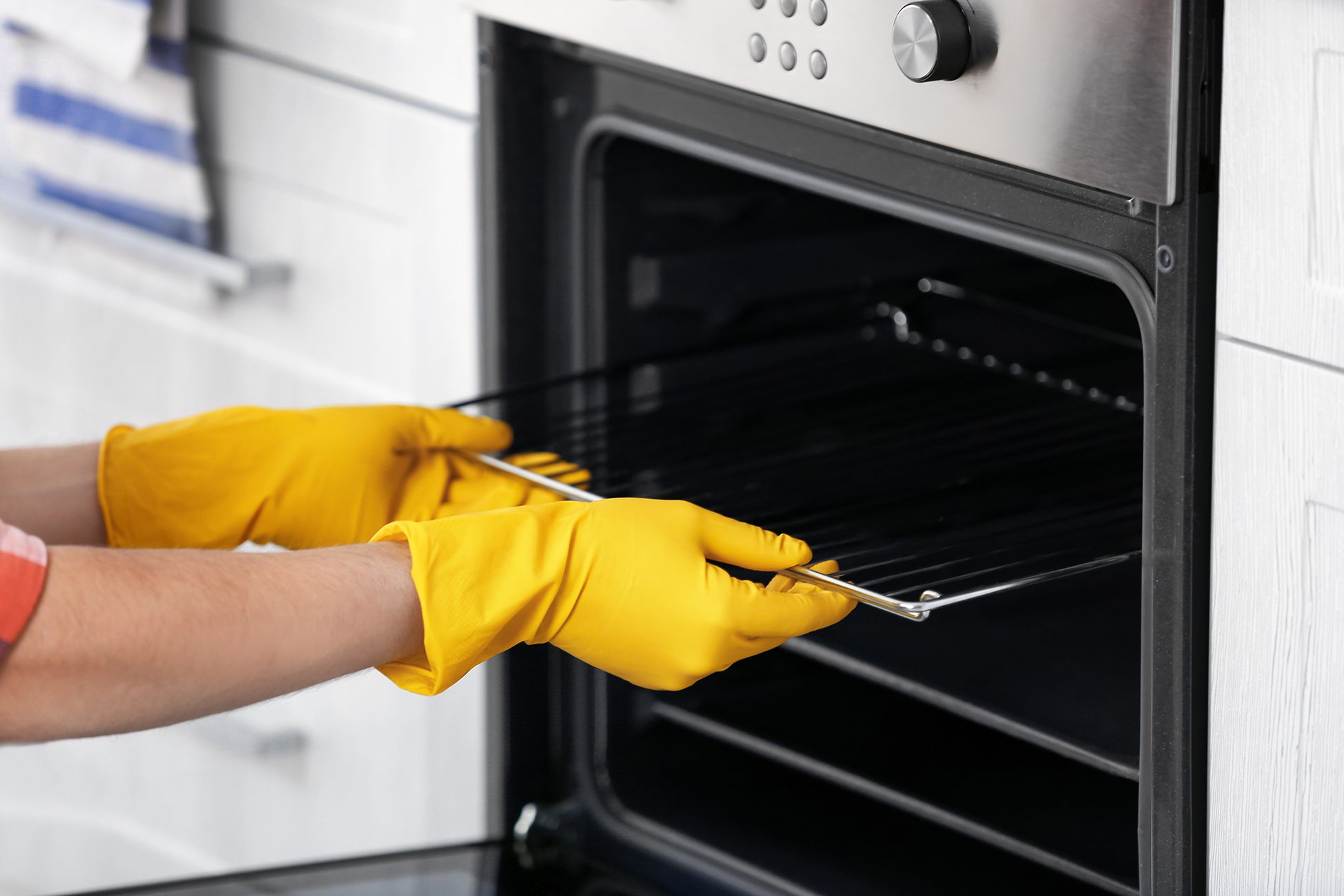
Ovens are like the backstage crew of your kitchen: they do the hard work, get zero applause, and somehow end up covered in mysterious black gunk that looks like it could have its own ZIP code. The good news? You don’t need a hazmat suit (or a spiritual awakening) to get your oven clean again.
In this guide, you’ll learn practical, safe, real-life ways to clean an ovenwhether you want a quick refresh, a deep clean using pantry staples, or you’re debating the self-clean cycle like it’s a season finale cliffhanger. We’ll also cover oven racks, the glass door, stubborn baked-on grease, and how to keep your oven sparkling longer so you don’t have to do this again next week.
What You’ll Need (Pick Based on Your Method)
You don’t need every item on this listchoose what matches the approach you’re using.
- Rubber gloves (your hands deserve joy)
- Microfiber cloths or paper towels
- Non-scratch sponge or soft scrub pad
- Plastic scraper or old spatula (no metal blades on delicate surfaces)
- Baking soda
- Dish soap
- White vinegar (optional, used strategically)
- Large bowl, tub, or bathtub for racks
- Trash bag (optional for certain rack-cleaning methods)
- Commercial oven cleaner (optionaluse carefully and follow the label)
Before You Start: Quick Safety + Prep (Don’t Skip This)
1) Make sure the oven is off and fully cool
This should be obvious, but ovens have tricked good people before. If the oven was used recently, let it cool completely.
2) Ventilation is your best friend
Open a window, run the range hood, and give your kitchen some airflowespecially if you’re using the self-clean cycle or any strong cleaner.
3) Remove racks, thermometers, pizza stones, and anything living in there
Most experts recommend removing racks before deep cleaning and especially before using a self-clean cycle because extreme heat can discolor or warp them and make them harder to slide later.
4) Scoop out loose crumbs first
Use a damp paper towel or a small handheld vacuum (carefully) to remove loose food bits. This makes every method easier and less “muddy.”
Choose Your Oven-Cleaning Method
There isn’t one “best” way to clean an oven. The best method is the one you’ll actually dowithout swearing off cooking forever.
Here are three reliable options, from gentle to heavy-duty.
Method 1: The Baking Soda Deep Clean (The Classic, Low-Fume Favorite)
This is the go-to method for many cleaning pros and home-care sites because it’s effective, affordable, and doesn’t turn your kitchen into a chemistry lab (as long as you use it wisely).
Step 1: Make a baking soda paste
In a bowl, mix about 1/2 cup baking soda with a few tablespoons of water until it’s spreadablelike frosting you wouldn’t eat.
For extra grease-cutting power, you can mix in a small squirt of dish soap.
Step 2: Spread paste inside the oven (avoid heating elements and vents)
Use a sponge or gloved hands to coat the oven floor, sides, and back panel. Avoid coating heating elements, burner ports, or fan vents.
Focus on the greasy zones where splatters live rent-free.
Step 3: Let it sit
Let the paste sit at least 1 hour. For heavy buildup, leave it overnight. This dwell time is where the magic happens.
Step 4: Wipe it out (and use a plastic scraper for stubborn spots)
Wipe away the dried paste with a damp cloth. For stuck-on patches, use a plastic scraper gently.
Rinse your cloth frequentlyotherwise you’re basically painting your oven with yesterday’s grime.
Step 5: Use vinegar the smart way (optional)
A light mist of vinegar can help lift remaining residue and cut greasy streaks.
Tip: Rather than mixing vinegar and baking soda together in a bowl (which neutralizes the cleaning power fast), use them in sequencepaste first, vinegar after.
Step 6: Final rinse + dry
Wipe everything down with clean water until no residue remains, then dry with a clean cloth.
If you see a white haze later, that’s usually leftover baking sodawipe again with warm water.
Method 2: Steam-First “Loosen and Lift” Clean (Great for Maintenance)
Steam cleaning is a solid option when your oven isn’t apocalypticjust a little grimy. Many ovens have a built-in steam-clean feature,
but you can also use a DIY steam step to loosen baked-on mess before wiping.
Option A: Use your oven’s Steam Clean setting (if available)
- Remove racks and accessories.
- Wipe or scrape loose debris from the oven bottom.
- Add the recommended amount of water to the oven bottom (check your manual).
- Run the steam-clean cycle and wipe the softened soil after it cools.
Option B: DIY steam with a water (or water + vinegar) bowl
- Place an oven-safe bowl or baking dish with water on a rack.
- Heat the oven to a moderate-to-high temp for about 30–60 minutes.
- Turn off the oven and let it cool completely before wiping the interior.
After steaming, you can wipe with warm soapy water for a quick refreshor follow with the baking soda paste for a deeper clean with less scrubbing.
Method 3: Self-Clean Cycle (Use Carefully and Strategically)
The self-clean setting can be convenient, but it’s also the most controversial optionlike pineapple on pizza, except it can produce smoke.
High-heat self-clean cycles can reach extremely high temperatures and may create strong odors or smoke depending on how dirty the oven is.
Some appliance experts and lifestyle outlets recommend limiting how often you use it to reduce wear and tear.
Best practices if you choose self-clean
- Remove racks (many manufacturers and cleaning experts recommend this).
- Wipe out loose crumbs first to reduce smoke.
- Ventilate well (windows open + hood fan).
- Keep kids and pets away and don’t leave the oven unattended if your model is prone to heavy smoke.
- Never use commercial oven cleaner during self-clean unless your manual explicitly says it’s allowed.
- Let the oven cool completely before wiping out the ash.
After the cycle, wipe out the ash with a damp cloth. If your oven still has stubborn residue, finish with a gentle manual clean
(baking soda paste or a manufacturer-approved nonabrasive cleaner).
How to Clean Oven Racks (Without Losing Your Will to Live)
Oven racks get gross because they’re basically the “splash zone” at a kitchen theme park. Soaking is the secretscrubbing should be the backup plan.
Method A: Soak racks in the bathtub (the easiest space-wise)
- Line the tub with old towels to prevent scratches.
- Place racks flat and fill with hot water to cover.
- Add dish soap (or a bit of laundry detergent) and let soak at least 2 hoursovernight for heavy grime.
- Scrub with a non-scratch pad or brush, rinse, and dry completely.
- Clean the tub afterward (you deserve a non-greasy bathtub, too).
Method B: Baking soda + vinegar soak (good for stubborn greasy film)
Place racks in a large container, sprinkle with baking soda, then spritz vinegar and let it foam.
Add hot water and let the racks soak (often overnight), then scrub and rinse.
Rack pro tip: Don’t put racks through high-heat self-clean unless your manual says it’s OK
Some racks discolor, warp, or lose their smooth glide after repeated exposure to self-clean temperatures.
How to Clean the Oven Door Glass (So You Can See Your Food Again)
Oven glass collects a foggy mix of grease and baked-on splatter that makes checking cookies feel like peering through a haunted window.
Here’s the gentle way.
Glass cleaning steps
- Make a paste: baking soda + a little water (spreadable consistency).
- Spread it on the glass and let sit 15–20 minutes.
- Wipe with a damp cloth. Use a plastic scraper carefully for stuck spots.
- Finish with a clean damp wipe and dry with microfiber.
Avoid abrasive powders or metal scrapers that can scratch glass. If you use a commercial glass cleaner, keep it on the outside surface only unless your manual approves interior glass cleaners.
Stubborn Baked-On Grease: What Actually Works
1) Give cleaners time to work
Dwell time beats elbow grease. If the mess is thick, leave baking soda paste longer or repeat the process.
2) Use a plastic scraper instead of going full “medieval”
A plastic scraper lifts softened gunk without scratching enamel the way metal tools can.
3) Consider manufacturer-approved nonabrasive cleaners
If residue persists, some manufacturers recommend nonabrasive cleaners applied with a sponge or clothalways rinse thoroughly afterward.
How Often Should You Clean Your Oven?
A realistic schedule depends on how you cook:
- Heavy use (roasting, casseroles, lots of broiling): wipe spills weekly, deep clean every 1–3 months.
- Moderate use: wipe monthly, deep clean every 3–6 months.
- Light use: seasonal deep cleaning may be enough.
If you notice smoke, burnt smells, or your oven sets off the smoke alarm every time you bake, that’s your oven’s way of texting: “Please help.”
Keep Your Oven Sparkling Longer (Prevention That Actually Feels Doable)
- Wipe fresh spills once the oven is cool (fresh mess is easier than fossilized mess).
- Use a sheet pan on the rack below when baking bubbly pies or casseroles (skip foil on the oven bottom unless your manual allows it).
- Cover splatter-prone dishes with a lid or loose foil tent.
- Do a 5-minute “oven reset” every couple of weeks: quick wipe of the door glass and obvious drips.
Common Mistakes to Avoid
- Using abrasives on enamel (scratches can make future cleaning harder).
- Blocking vents or coating heating elements with paste or cleaner.
- Running self-clean with racks inside (unless your manual says it’s safe).
- Combining strong chemicals (never mix ammonia with bleach; don’t freestyle chemical cocktails).
- Stopping a self-clean cycle midstream if your manual warns against it (some doors remain locked until temps drop).
Extra: of Real-World Experience (Because Oven Cleaning Is a Lifestyle)
The first time I tried to clean an oven “properly,” I made the classic mistake: I underestimated the grime and overestimated my patience. I figured a quick wipe with soapy water would do it. Ten minutes later, I was staring at a stubborn black crust that laughed quietly while my sponge disintegrated in my hand. That’s when I learned the most important oven-cleaning truth: this job is 80% waiting and 20% wiping. If you rush, you scrub. If you wait, you win.
The biggest game-changer I’ve seen (and repeated many times since) is the overnight baking soda paste. It feels almost too easy: spread it on, close the door, walk away. But when you come back the next day, the mess that used to require Olympic-level elbow grease often wipes away like softened clay. The first time this worked, I had a brief moment of trust in humanity again. Not a long momentjust a momentbut still.
Oven racks are their own chapter of drama. I used to try cleaning them in the kitchen sink, which is basically like trying to wash a bike in a cereal bowl. Water everywhere, grease splattered onto the counter, and somehow I still missed half the grime. Moving the job to the bathtub (with towels underneath) was one of those “why didn’t I do this years ago?” upgrades. There’s space to soak, space to scrub, and the mess stays contained. The only catch is you have to clean the tub afterwardbecause nothing says “relaxing bath” like a faint aroma of roasted chicken residue.
I’ve also learned that steam is a great “effort reducer,” especially when the oven isn’t horrificjust annoying. Running a steam-clean cycle (or doing the DIY steam bowl trick) loosens the top layer of grease so you can wipe instead of scrape. It’s not always enough for deep, baked-on carbon spots, but it’s perfect as a maintenance move. Think of it like brushing your teeth: it won’t replace a dentist visit forever, but it prevents a lot of regret.
The self-clean cycle is the method I treat like a special occasion. Yes, it can be convenient, but it’s also loud, hot, and occasionally dramatic. The smell alone can make you question your life choices. If you do use it, ventilation makes a huge difference, and removing racks is non-negotiable in my book. I’ve seen racks come out discolored and rough-sliding after a self-clean run, which turns “quick cleanup” into “why does my rack sound like it’s grinding gears?”
The most useful habit I picked up is the tiny clean: wiping up fresh spills once the oven cools. It takes two minutes, and it saves you from the next deep-clean becoming a weekend project. Because the real goal isn’t a perfect oven that could star in a kitchen showroomit’s an oven that doesn’t smoke every time you bake, and a cleaning routine that doesn’t feel like a punishment for enjoying lasagna.
Conclusion
A sparkling oven isn’t about perfectionit’s about consistency and choosing a method you’ll actually repeat. For most people, the baking soda paste deep clean is the sweet spot: effective, low-fume, and budget-friendly. Add steam for easier wipe-outs, treat self-clean like an occasional tool (not a weekly habit), and give your racks a long soak instead of a wrestling match.
Do the small wipe-downs when spills happen, deep clean on a schedule that matches your cooking life, and your oven will stay cleaner, work better, and smell less like last month’s pizza night.