Cornstarch has a very respectable day job in the kitchen, but it also has a surprisingly successful side hustle in the cleaning closet. This plain white powder is inexpensive, easy to keep on hand, and far more useful than its modest little box suggests. When used the right way, cornstarch can help absorb grease, freshen fabrics, polish certain surfaces, and make glass look a lot less like it survived a toddler parade.
The trick is knowing what cornstarch actually does well. It is not magic. It is not a disinfectant. It is not the answer to every household mess ever created by humankind. But as a gentle abrasive, moisture absorber, and odor-fighting helper, it punches above its weight. If you want a simple, budget-friendly way to clean everyday messes without turning your home into a chemistry lab, cornstarch deserves a spot on the bench.
Why Cornstarch Works as a Cleaner
The reason cornstarch works is refreshingly simple. Its fine texture helps it behave like a mild scrubber on some surfaces, while its dry, powdery structure makes it great at soaking up oil, moisture, and residue. That makes it especially useful for grease stains, damp shoes, carpets, and fabrics that need a little refresh instead of a full dramatic intervention.
It also plays well in certain homemade cleaning mixtures. In glass cleaners, for example, cornstarch can help loosen buildup and reduce streaks when paired with ingredients like water, vinegar, or rubbing alcohol. Think of it as the quiet team player that does the polishing while the liquid ingredients help dissolve the grime.
Still, cornstarch is best treated like a smart assistant, not the boss of all cleaning. It shines in routine household cleaning, spot treatment, and gentle polishing. For sanitizing, mold, heavy mineral deposits, or serious pet accidents, you need a different plan.
Before You Start Cleaning with Cornstarch
Before you go tossing cornstarch around the house like confetti at a very eco-friendly parade, keep a few ground rules in mind. First, always test a small hidden area if you are cleaning fabric, metal, or a specialty surface. Second, vacuum or wipe away residue thoroughly. Cornstarch is helpful, but nobody wants a mysterious white dust haunting the living room.
Also, be careful with what you mix into it. A vinegar-and-cornstarch cleaner can be excellent for glass, but vinegar is not safe for every surface. Skip vinegar-based mixtures on natural stone such as marble, granite, limestone, and travertine. Avoid mixing vinegar with bleach under any circumstances. That is not a cleaning hack. That is a terrible idea wearing a DIY costume.
Finally, check care labels on upholstery, delicate clothing, suede, and specialty cookware. Cornstarch is gentle, but “gentle” is not the same as “universal.”
Best Ways to Clean with Cornstarch
1. Clean Windows, Mirrors, and Other Glass Surfaces
This is one of the most popular and dependable ways to clean with cornstarch. If your mirrors look streaky no matter what you do, cornstarch may be the missing ingredient. A common homemade mix is 1 tablespoon of cornstarch, 1 tablespoon of white vinegar, and 2 cups of water in a spray bottle. Some versions also include rubbing alcohol for faster drying.
Shake the bottle well before each use because cornstarch settles quickly. Spray lightly onto glass, then wipe with a lint-free cloth or microfiber cloth. The result is usually a cleaner, clearer finish with fewer streaks than many people expect from a pantry ingredient. It is particularly handy for bathroom mirrors, glass tabletops, and windows that seem determined to advertise every fingerprint in the house.
Do not use this type of cleaner on electronic screens, and keep vinegar-based solutions away from natural stone trim or counters nearby.
2. Remove Grease Stains from Clothing
Cornstarch is excellent at handling oil and grease on fabric because it absorbs the oily mess before it has a chance to settle in and get comfortable. If you splash salad dressing on a shirt, drip butter on a napkin, or wear your lunch on your lap like a badge of honor, act fast.
Blot the stain gently first. Do not rub it deeper into the fabric like you are trying to help it settle down for a nap. Sprinkle cornstarch generously over the spot and let it sit for several hours, or overnight for tougher stains. Shake or brush off the powder, then wash the item according to the care label.
This method works best on fresh greasy stains, but it can also help with older marks. On delicate or dry-clean-only items, test first or leave it to a professional cleaner.
3. Freshen Rugs and Carpets
Cornstarch can help with both odor and oily spots on carpet and rugs. For fresh spills, blot up as much liquid as possible first. Then sprinkle cornstarch over the affected area and let it sit for about 20 to 30 minutes. After that, vacuum thoroughly.
For greasy carpet stains, the same basic method applies: blot, sprinkle, wait, and vacuum. The cornstarch absorbs oil and helps lift the mess before it becomes a permanent feature of the room. For general freshening, a light dusting followed by a short wait and a thorough vacuum can help revive tired-looking areas.
The key word here is light. Do not dump half a box into a plush carpet and expect your vacuum to celebrate. Use a thin layer and remove it completely.
4. Deodorize Shoes
If your shoes smell like they just finished a marathon through a swamp, cornstarch can help. Sprinkle a small amount inside the shoes and leave it overnight. By morning, it will have absorbed some of the moisture and odor that build up through everyday wear.
Shake the shoes out well before wearing them again, or vacuum the inside if needed. This works especially well for sneakers, canvas shoes, and casual everyday pairs. It is a quick, low-effort trick that can make your entryway smell less like a locker room and more like a place where functioning adults live.
5. Polish Silver
Tarnished silver can often benefit from a simple cornstarch paste. Mix cornstarch with a little water until it forms a spreadable paste, then apply it to silver with a soft cloth. Rub gently, let it dry if needed, rinse carefully, and buff with a clean dry cloth.
The fine texture of cornstarch gives it mild polishing power without being overly harsh. This makes it useful for bringing back shine on silver serving pieces, flatware, and decorative items. If you are dealing with delicate antiques, silver plate, or anything high-value, test a tiny area first and use a very soft touch. The goal is shine, not an accidental family heirloom crisis.
6. Scrub Sinks, Pots, and Pans
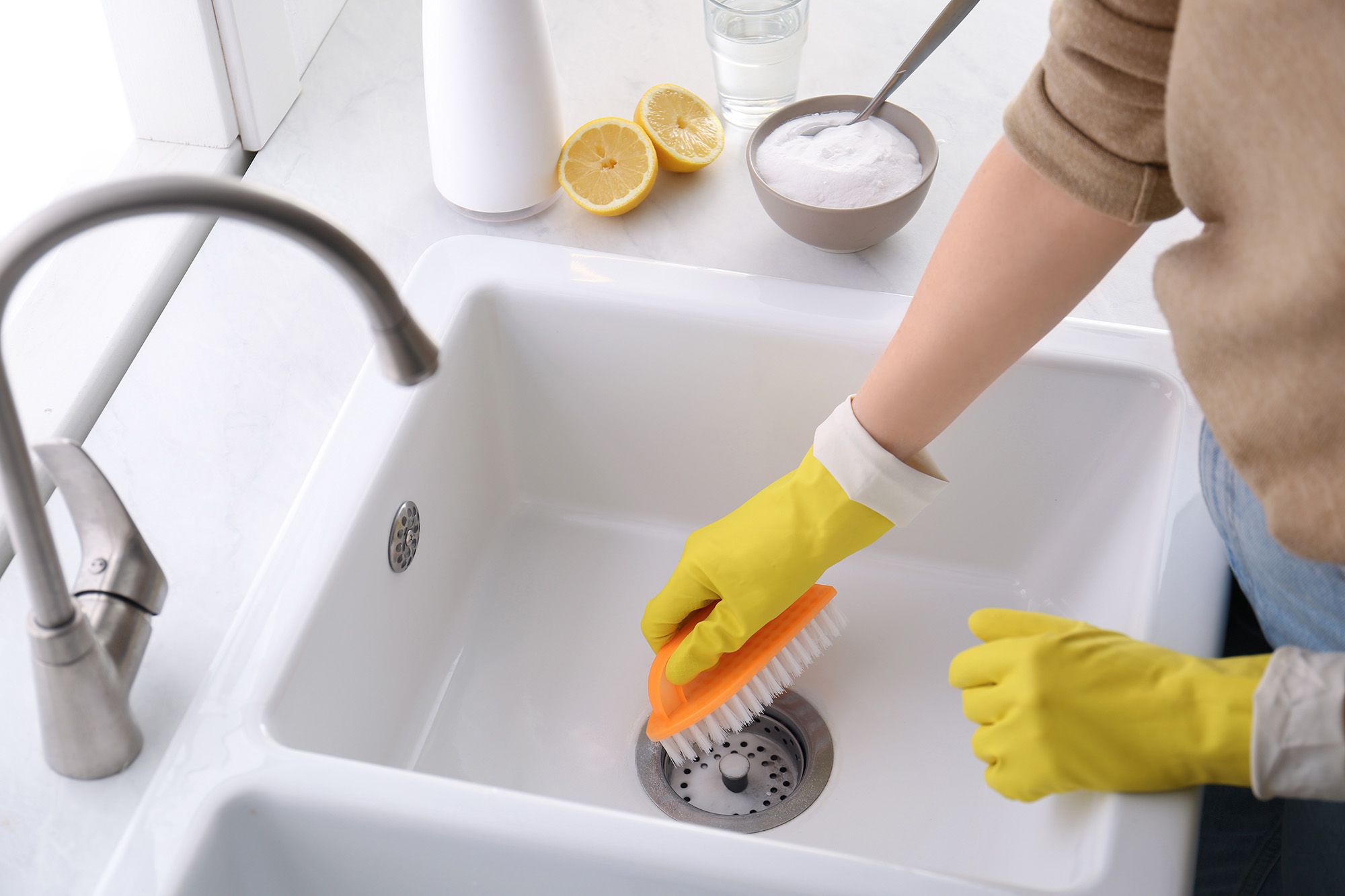
For light grime on kitchen sinks, cookware, porcelain, and ceramic, cornstarch can work as a gentle scrub. A reliable formula is 2 parts cornstarch to 1 part water. Stir it into a paste, apply it to the dirty area, then scrub with a soft cloth or sponge.
This method can help with dull buildup, light stains, soap scum, and minor stuck-on residue. It is especially useful when you want scrubbing power without going straight to a harsh abrasive. After cleaning, rinse thoroughly and dry the surface well to prevent residue or water spots.
On stainless steel, stick to gentle pressure and rinse well. On cast iron or specialty finishes, follow the manufacturer’s care guidance instead of improvising with full confidence and limited information.
7. Refresh Stuffed Animals and Non-Washable Soft Items
Some stuffed animals are machine washable. Others look like they would survive approximately seven seconds in a washing machine before becoming a cautionary tale. For toys and soft items that cannot be washed easily, cornstarch can help freshen them up.
Sprinkle the toy lightly with cornstarch, or place it in a large bag with a small amount of the powder. Let it sit overnight so the cornstarch can absorb oils and odors. The next day, shake it out and vacuum it gently with a brush attachment.
This trick is useful for plush toys, fabric decor, and other soft items that need a refresh but not a soaking.
8. Tackle Light Bathroom and Kitchen Grime
Because cornstarch acts as a mild abrasive, it can also help with light grime in bathrooms and kitchens. A damp cloth plus a sprinkle of cornstarch can sometimes lift soap scum or dull buildup from ceramic and porcelain surfaces. On some stainless steel sinks, a light rub with dampened cornstarch can help restore shine.
This is best for everyday maintenance rather than heavy-duty rescue missions. If the grime has been there long enough to pay rent, you may need a stronger cleaner. Still, for weekly touch-ups, cornstarch gives you a simple and surprisingly effective option.
What Cornstarch Does Not Do Well
Now for the reality check. Cornstarch is useful, but it has limits. It is not a disinfectant, so do not rely on it when you need to sanitize high-touch surfaces. It is not the best choice for mold removal, hard-water scale, or heavy mineral deposits. It is also not the right answer for pet urine odors or deep biological messes, which usually need enzyme-based cleaners.
It also should not be treated like a one-size-fits-all product. A vinegar-and-cornstarch spray may be excellent for glass, but not for natural stone. A dry sprinkle may help fabric, but not every fabric. A paste may help cookware, but not every finish. Cornstarch works best when the job matches the method.
Common Mistakes to Avoid
One of the biggest mistakes people make is using too much. More powder does not automatically mean more cleaning power. It usually means more cleanup. Another common mistake is skipping the blotting step before applying cornstarch to grease or liquid stains. If you do not remove the excess mess first, the powder has to fight uphill.
People also forget to shake homemade glass cleaner before spraying it. Since cornstarch settles, an unshaken bottle gives you watery disappointment followed by a weird sludge finale. Another mistake is rubbing aggressively. Cornstarch is supposed to help gently lift grime, not serve as an excuse to attack your surfaces like a villain in a mop commercial.
And yes, it is worth repeating: never mix vinegar with bleach, and never use vinegar-based cornstarch mixes on natural stone.
Everyday Experiences with Cleaning Using Cornstarch
In real homes, cleaning with cornstarch tends to win people over for one simple reason: it feels low-risk and high-reward. You are not opening a bottle with a warning label that reads like a legal thriller. You are grabbing something from the pantry and using it in a practical, controlled way. That makes the whole process feel less intimidating, especially for routine messes that do not justify an expensive specialty cleaner.
A very common experience is surprise at how well cornstarch works on glass. Plenty of people try a homemade spray expecting a cloudy mess and end up staring at a mirror that looks suspiciously professional. The secret is patience. Shake the bottle, spray lightly, and wipe with a clean cloth. If the cloth is dirty, the glass will tell on you immediately. Cornstarch is helpful, but it does not perform miracles for a grimy rag.
Another familiar experience is the “I should have done this sooner” moment with grease stains. Cornstarch is one of those cleaners that rewards fast action. Someone spills oil on a shirt, sprinkles cornstarch over it, leaves it alone for a while, then realizes the stain did not become a permanent fashion statement. That kind of small win builds confidence quickly. It also teaches a useful lesson: for oily messes, rubbing first is usually the enemy.
On carpets and rugs, the experience is a little more mixed, mostly because technique matters. A thin layer works nicely. A snowstorm does not. People who get the best results usually blot first, use a modest amount, wait, and vacuum slowly. People who go full dramatic excess often end up wrestling with powder residue and blaming the cornstarch for crimes they committed themselves.
Shoes are another place where cornstarch quietly earns respect. It is not flashy. Nobody throws a party because their sneakers smell less alarming. But in everyday life, that small improvement matters. A light sprinkle overnight can make a mudroom, closet, or hallway noticeably fresher. That is the kind of low-cost habit that sticks because it asks so little and gives back more than expected.
Perhaps the most useful long-term experience with cornstarch is learning where it belongs in a cleaning routine. It is not the star of every scene. It is the reliable supporting actor. It handles odors, grease, gentle polishing, and light scrubbing very well. Once people understand that, they stop expecting it to clean everything from grout to outer space and start using it where it truly shines. That is when cornstarch becomes less of a quirky hack and more of a genuinely smart household tool.
Final Thoughts
If you want an easy, affordable, and versatile way to handle common household messes, cornstarch is a smart addition to your cleaning routine. It can help you clean glass, absorb grease, freshen carpets, deodorize shoes, polish silver, and gently scrub certain kitchen and bathroom surfaces without much fuss.
The best part is that it encourages a more thoughtful way of cleaning. Instead of throwing a harsh product at every problem, you use the right tool for the right mess. Cornstarch is not here to replace everything under your sink, but it absolutely earns its spot among the useful basics. For a simple box of powder, that is a pretty impressive résumé.