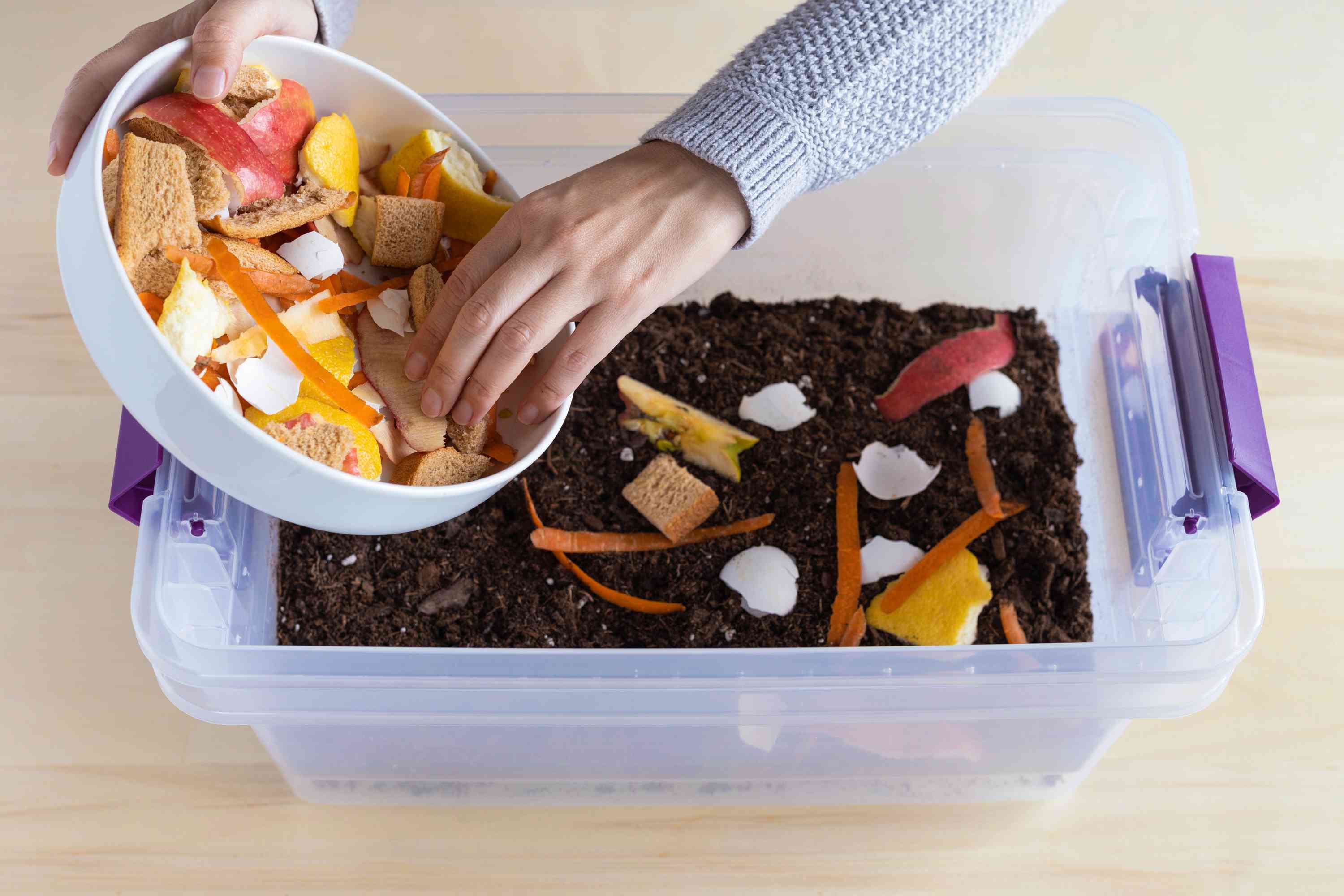
Think composting is only for people with giant backyards, raised beds, and a
flock of judgmental chickens? Good news: even in a studio apartment with a
sink that doubles as counter space, you can absolutely turn food scraps into
something useful instead of sending them to the landfill. You just need the
right method, a small bin, and a basic understanding of what makes compost
happy.
This guide walks you through how to compost in an apartment step by step:
choosing the best system, setting it up, keeping smells under control, and
using or donating the finished compost. We’ll also look at real-life
experiences so you know what it actually feels like to live with an indoor
compost setup (spoiler: less “trash heap,” more “tiny eco-lab”).
Why Composting in an Apartment Is Totally Doable
Food scraps are heavy, wet, and surprisingly powerful. When they go to the
landfill, they break down without oxygen and create methane, a potent
greenhouse gas. When they’re composted, they turn into a soil-like material
that helps plants grow, holds moisture, and returns nutrients back to the
earth instead of locking them up in a dump.
Apartment composting offers a few big perks:
- Less trash – Fewer drippy garbage bags and fewer trips to the chute.
- Lower climate impact – You’re cutting methane emissions every time you save your scraps.
- Free plant food – Houseplants, balcony containers, and neighborhood gardens all benefit.
- Future-proofing – Many cities are rolling out compost mandates; being ahead of the curve is never a bad move.
Step 1: Pick the Apartment Composting Method That Matches Your Life
There’s no single “best” way to compost in an apartment. The right setup
depends on your space, tolerance for mess, and how hands-on you want to be.
Here are the main options and who they’re best for.
1. Scrap Bin + Community or City Drop-Off
If you want zero worms, no buckets of fermenting scraps, and
absolutely no soil curing in your closet, this might be your favorite
option. You collect food scraps in a small kitchen bin, then regularly drop
them off at a local site.
Where the scraps might go:
- Municipal food-scrap drop-off bins in your city.
- Community gardens or urban farms that accept kitchen scraps.
- Private services that collect buckets from apartment residents.
Many U.S. cities now offer food-scrap drop-off specifically for people in
condos and apartments, often placing locked green bins in busy areas. Check
your city’s waste or sustainability department to see what’s near you, or
use neighborhood groups and community-garden websites to find local options.
Best for: People who want to compost with almost no in-home processing. You just store scraps for a few days at a time and then hand them off.
2. Indoor Worm Composting (Vermicomposting)
Don’t picture a writhing horror movie bin. A well-run worm bin looks like a
box of moist shredded paper and soil. The worms (usually red wigglers)
quietly tuck themselves in and turn your food scraps into rich “worm
castings,” a velvety soil amendment that plants love.
Basic idea:
- You keep a ventilated bin filled with damp bedding (like shredded paper).
- You add worms and small amounts of food scraps on a regular schedule.
- The worms eat the scraps, and after a few months you harvest the compost.
A correctly managed worm bin smells like damp forest soil. The key is not
overfeeding, keeping the bin moist but not soggy, and staying within a
comfortable temperature range (roughly mid-50s to mid-70s °F). That makes
spaces like under the sink, in a closet, or on a protected balcony ideal.
Best for: Plant lovers who want high-quality compost for houseplants or balcony gardens and don’t mind a little weekly bin maintenance.
3. Bokashi: Fermented Food Scraps in a Bucket
Bokashi is like pickling your food waste. You layer kitchen scraps in a
sealed bucket, sprinkle on a special bran inoculated with beneficial
microbes, and let it ferment without oxygen. The bucket doesn’t smell like
a trash can; it smells more like sauerkraut or vinegar.
Most bokashi systems are compact, designed to slide under a counter or into
a corner. They can handle things normal composting systems struggle with,
like meat, dairy, and oily foods, which is a big bonus for apartment
dwellers who cook a lot.
After the bucket is full and has fermented for a couple of weeks, you have
“pre-compost”: partially broken-down scraps that need a second step. If you
don’t have soil, you can:
- Mix the contents into a large planter or tote of potting soil for a month or two.
- Hand it off to a community garden willing to finish the process.
- Combine it with a worm bin: worms love pre-fermented bokashi scraps when added gradually.
Best for: Small kitchens, people who want low-odor composting, and households that generate lots of varied food scraps (including meat and cheese).
4. Electric Composters and Food-Scrap Dryers
Countertop electric composters don’t really “compost” in the traditional
sense. They dehydrate and grind scraps into a dry, soil-like material in a
few hours. That material can be mixed into potting soil or added to outdoor
compost piles to finish breaking down.
These machines are convenient but pricey, and they use electricity. If you
have the budget and want something very low-effort, they can be a practical
solution, especially when paired with container gardening or a local drop-off
site.
Best for: People who want a plug-and-play option and don’t mind paying for convenience.
Step 2: Set Up Your Indoor Compost System
Choose the Right Bin
No matter which method you choose, a good bin is half the battle. Look for:
- A tight-fitting lid to keep smells in and fruit flies out.
- Comfortable size for your household and kitchen layout.
- Odor control features like charcoal filters if the bin lives on your counter.
- Easy cleaning – liners or removable inner buckets make life simpler.
Find the Best Spot in Your Apartment
Think cool, convenient, and out of the way. Common locations include under
the kitchen sink, in a pantry, by the trash can, or on a shaded balcony.
For worm bins in particular, avoid spots that get too hot or too cold
(right next to the oven or directly on a drafty floor).
Gather Your Compost “Ingredients”
Most composting methods rely on a mix of “greens” (nitrogen-rich) and
“browns” (carbon-rich) to stay balanced.
Typical greens:
- Vegetable and fruit scraps
- Coffee grounds and paper filters
- Tea leaves and paper tea bags (no plastic mesh)
- Fresh plant trimmings
Typical browns:
- Shredded paper or uncoated cardboard
- Dry leaves
- Paper egg cartons
- Paper towels or napkins that only touched food
For worm bins and traditional composting, you’ll usually add a layer of
browns every time you add food scraps. Bokashi is different: you’ll sprinkle
bokashi bran instead. Electric units handle the ratio internally but still
benefit from chopped scraps.
Step 3: What You Can and Can’t Compost Indoors
The rules change slightly depending on your method, but this quick guide
covers the basics.
Generally Safe to Add
- Fruit and vegetable scraps
- Coffee grounds and filters
- Tea leaves and paper tea bags
- Plain rice, pasta, and bread in small amounts
- Crushed eggshells (great for calcium)
- Shredded paper and cardboard
Be Careful or Avoid
- Meat, fish, and dairy: Best for bokashi or electric units; avoid in worm bins and traditional indoor piles.
- Oily, greasy foods: Can create odors and slow breakdown; keep portions small.
- Large bones and shells: Take a very long time to break down.
- Glossy or plastic-coated paper: Not compostable at home.
- Pet waste: Skip it in indoor systems for health reasons.
Step 4: Keeping Odors and Pests Under Control
If your compost smells like a trash can, something is off. The fix is almost
always simple.
-
Problem: Funky, rotten smell.
Likely causes: Too much wet food, not enough browns, or poor air
flow (except in bokashi, which is intentionally airtight).
Fix: Add dry bedding (shredded paper, cardboard), stir your bin
if it’s an aerobic system, and cut back on very wet foods. -
Problem: Fruit flies or gnats.
Fix: Always bury fresh scraps under bedding or bran, keep the lid
closed, and wipe the rim of the bin regularly. A small layer of dry
shredded paper on top works like an insect “do not enter” sign. -
Problem: Worms escaping.
Fix: Check for extremes: Is the bin too hot, too cold, too wet,
or too acidic (lots of citrus or spicy food)? Adjust and add fresh
bedding; they should move back into the comfortable zone.
Step 5: What to Do With Finished Compost When You Don’t Have a Yard
You’ve collected scraps, managed your bin, and now you have a bucket of
gorgeous compost. Congratulations, you made fancy dirt. Here’s where it can
go:
- Houseplants: Mix 10–20% compost into potting mix, or add a thin layer on top.
- Balcony containers: Blend compost into soil each season to refresh nutrients.
- Friends and neighbors: Gardeners are oddly thrilled when someone offers them free compost.
- Community gardens: Many gladly accept finished or near-finished compost.
- City drop-off sites: Some programs welcome home-made compost or worm castings as part of their soil-building projects.
If storage is tight, you can let compost cure in a lidded tote on a balcony
or in a closet. It will continue to mellow and break down, becoming more
stable and less “active” over time.
Common Apartment Composting Problems (and Easy Fixes)
-
“My bin is too wet.”
Add shredded cardboard, paper, or dry leaves. Check that you’re draining
liquid from worm or bokashi systems as recommended. -
“Nothing seems to be happening.”
Chop scraps smaller, add a bit more “green” material, and make sure your
bin is warm enough. In worm bins, the population may need time to grow. -
“I’m overwhelmed by the amount of food waste.”
Start by composting only plant-based scraps. As you get comfortable,
expand to more items or add a second method, like combining a worm bin
with periodic city drop-offs.
Real-Life Experiences: What Apartment Composting Actually Feels Like
The idea of composting in an apartment often sounds harder than the reality.
In practice, it feels more like adding one small habit to your kitchen
routine than taking on a whole new hobby.
Picture a typical week with a countertop scrap caddy and city drop-off. You
keep a small, lidded bin on the counter or in the fridge. Every time you
cook, peels and stems go into the bin instead of the trash. You might toss
in coffee grounds in the morning and vegetable trimmings at dinner. After a
few days, you grab the bin on your way out, empty it into a community
container, rinse it, and you’re done. The “work” is about as demanding as
taking recycling to the right dumpster.
A worm bin adds a bit more interaction, but also more payoff. Once you’ve
set up the bin with bedding and worms, your main job is feeding them small
amounts of food two or three times a week. That often looks like:
- Lift a section of bedding.
- Add a handful of chopped scraps.
- Cover it back up with paper or cardboard.
Many apartment composters describe the worms as oddly calming. It’s
satisfying seeing yesterday’s salad trimmings vanish into a system that
actually benefits your plants. Over time, you’ll notice the bedding turning
darker and more crumbly. Harvesting the finished castings a few months in
can feel like unearthing treasure for your houseplants.
Bokashi fans often appreciate how tidy the process feels. You keep a sealed
bucket under the sink, add food scraps as you cook, sprinkle bokashi bran,
press everything down, and snap the lid back on. About once a week, you
drain off a small amount of liquid (often called bokashi “tea”), dilute it,
and use it as fertilizer for outdoor plants or pour it down the drain to
help keep pipes fresh. When the bucket is full, you let it sit and ferment,
then transfer the contents into soil or pass it on to someone who can.
There are, of course, a few learning-curve moments. Almost everyone
overfeeds their worm bin once, forgets to add enough browns, or discovers
what happens when you leave watermelon rinds uncovered in summer (fruit
flies throw a party). The good news is that these issues are fixable. Adding
extra bedding, freezing scraps before feeding, or moving the bin to a more
stable spot usually solves the problem.
The bigger shift is mental. Once you start composting, you see food scraps
differently. Instead of “trash,” you see potential: nutrients your soil
could use, material a community garden would love, or just one less bag of
garbage headed to the curb. For many apartment dwellers, that sense of
doing something tangible for the environmentwith just a tiny bin and a
new habitends up being the best part of the whole process.
The Bottom Line
Learning how to compost in an apartment isn’t about perfection. It’s about
picking a method that fits your lifestylewhether that’s a simple scrap bin
and weekly drop-off, a quietly humming worm bin, a bokashi bucket under the
sink, or a high-tech electric composter on the counterand committing to a
small, repeatable routine.
Start with one system, give yourself a month to adjust, and tweak as you go.
With a bit of practice, you’ll be turning food scraps into a resource
instead of wasteno backyard required.