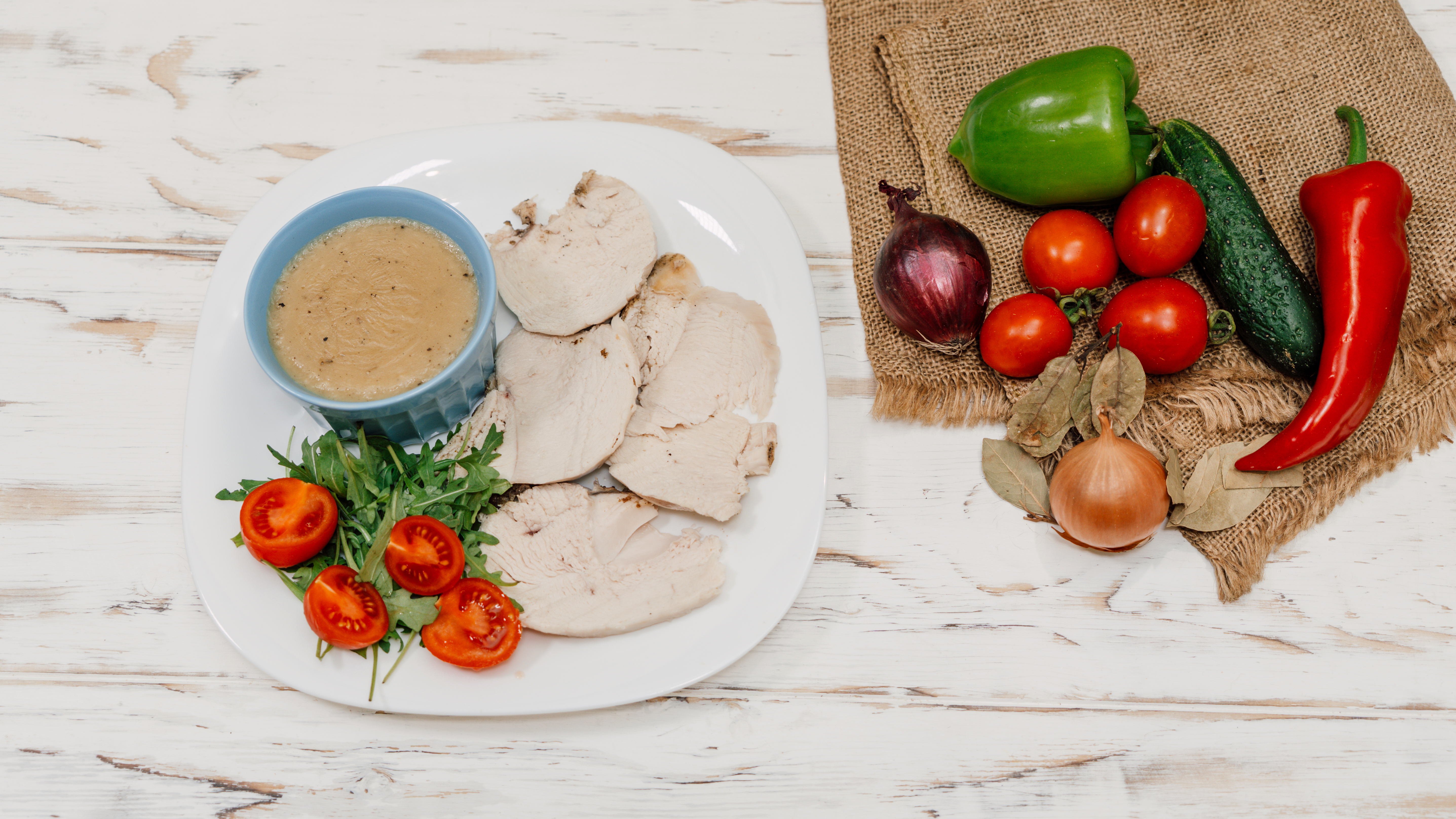
Turkey breast has a reputation: dry, fussy, and somehow both undercooked and overcooked at the same time. Enter the crock pot (a.k.a. your slow cooker), the humble countertop hero that quietly turns a turkey breast into something you’d actually brag about. No oven juggling. No panic basting. No “why is it still pink?” group chat.
This guide walks you through a simple, reliable method to make a juicy crock pot turkey breastwith a clear 10-step plan, real-world timing guidance, and the little details that separate “fine” turkey from “wait… you made this in a slow cooker?”
Why Turkey Breast in a Slow Cooker Works (Even If You’ve Been Burned Before)
Turkey breast is lean, which means it dries out fast if you overshoot the finish line. A slow cooker gives you gentler heat, a moist cooking environment, and a wider “not ruined” windowespecially if you use a thermometer and pull it right on time. It’s also a smart move when you want turkey flavor without committing your entire day (and your entire oven) to a full bird.
What You’ll Need
Ingredients
- Turkey breast (boneless 3–4 lb OR bone-in 5–7 lb), preferably skin-on for best flavor
- 2–4 tbsp butter (or olive oil), softened
- 1–2 tsp kosher salt (adjust if your turkey is pre-brined)
- 1 tsp black pepper
- 1–2 tsp garlic powder (or 3–5 fresh cloves, minced)
- 1–2 tsp dried herbs (thyme, rosemary, sage) or 1–2 tbsp fresh, chopped
- 1 onion, thickly sliced (acts like a “rack” and adds flavor)
- 3/4–1 cup low-sodium broth (chicken or turkey) or water
- Optional: paprika for color, lemon slices for brightness, a spoon of Dijon for savory depth
Tools
- 6–8 quart slow cooker
- Instant-read meat thermometer (this is the difference between juicy and tragic)
- Foil
- Cutting board + sharp knife
- Optional: sheet pan + broiler for crispy skin
Before You Start: Pick the Right Turkey Breast
Bone-in vs. Boneless
Boneless turkey breast cooks a bit faster and is super easy to slice. Many come tied or netted into a roast shapekeep the netting on while it cooks so it holds together, then snip it off after resting.
Bone-in turkey breast tends to be more flavorful and forgiving, and it’s more “holiday centerpiece” if you want that vibe without the full bird. It usually takes longer and needs a little more attention when checking temperature (avoid the bone when probing).
Fresh or Frozen (and How to Thaw Safely)
If your turkey is frozen, thaw it safelyeither in the refrigerator (plan ahead) or using the cold-water method (faster, but hands-on). Skip counter thawing. That’s how you invite bacteria to the party.
- Fridge thaw: plan roughly a day per several pounds, depending on size.
- Cold-water thaw: sealed turkey in cold water, change the water regularly, and budget about 30 minutes per pound.
Flavor Strategy: Butter Rub + “A Little Liquid” (Not a Soup Bath)
Here’s the goal: season the turkey aggressively on the outside, keep moisture in with fat (butter/oil), and add just enough liquid to create a steamy environment and flavorful drippingswithout turning your turkey into a boiled sadness sponge. Setting the breast on a bed of onion slices helps keep it elevated so it roasts gently instead of braising.
How to Cook a Turkey Breast in the Crock Pot: 10 Steps
-
Step 1: Thaw and prep safely
Thaw completely if possible. Remove packaging. If your turkey has a gravy packet or extras, set them aside. Pat the turkey breast dry with paper towels (yes, even for slow cookingdry surface helps seasoning stick). If it’s boneless and netted, leave the netting on during cooking.
-
Step 2: Build a simple “rack” in the slow cooker
Scatter thick onion slices (and optional garlic cloves, herbs, or lemon) in the bottom. Pour in 3/4–1 cup broth (or water). You want steam and drippings, not a swimming pool.
-
Step 3: Mix a quick herb-butter rub
In a small bowl, mash together softened butter, salt, pepper, garlic powder (or minced garlic), and herbs. Optional but delightful: a pinch of paprika for color or a dab of Dijon for savory depth.
-
Step 4: Season the turkey like you mean it
Rub the butter mixture all over the turkey. If it’s skin-on, gently loosen the skin and push some of the butter underneath (this is basically self-basting, minus the basting). If your turkey is labeled “pre-brined” or “enhanced,” reduce added salt so you don’t create a salt lick with wings.
-
Step 5: Position turkey breast-side up
Place the turkey breast on top of the onions, breast-side up (skin-side up if it has skin). Keep it centered and as elevated as possible. Lid on.
-
Step 6: Cook on LOW (then start checking early)
Cook on LOW for best texture. Begin checking earlier than you think, because slow cookers vary. As a starting point:
- Boneless 3–4 lb: about 4–5 hours on LOW (or ~2–3 hours on HIGH)
- Bone-in 5–7 lb: about 5–6+ hours on LOW (often longer; start checking at 5 hours)
Resist lifting the lid every 20 minutes “just to look.” Each peek lets heat out and adds time.
-
Step 7: Check temperature the right way
Use an instant-read thermometer and probe the thickest part of the breast. Avoid touching bone (it can give a false reading). Check at least two spots if the breast is large.
-
Step 8: Pull at 165°Fthen rest
Turkey is considered safe when the breast reaches 165°F. Once it hits that number, transfer it to a cutting board and loosely tent with foil. Rest 10–20 minutes so juices redistribute instead of flooding your cutting board like a tiny, delicious tragedy.
-
Step 9: Optional but gloriouscrisp the skin
If your turkey has skin and you want that golden top: place the breast on a sheet pan and broil for 3–6 minutes, watching closely. Broilers turn “perfectly browned” into “smoke detector solo” fast. Let it cool for a couple minutes after broiling before slicing.
-
Step 10: Slice, serve, and (bonus) make quick gravy
Slice against the grain for tenderness. For gravy: strain the slow cooker drippings into a saucepan. Simmer to concentrate flavor. Thicken with a cornstarch slurry (1 tbsp cornstarch + 1 tbsp water, whisked in slowly), then season to taste. If it’s too salty, add a splash of unsalted broth; if it’s flat, a tiny squeeze of lemon helps.
Cook Time Cheat Sheet (Use as Guidance, Not Gospel)
Slow cookers aren’t all identical, turkey shapes vary, and some breasts are tighter/denser than others. Use time ranges to plan your day, but let the thermometer make the final call.
| Turkey Breast Size | LOW | HIGH | What to Do |
|---|---|---|---|
| Boneless 2.5–3 lb | 3.5–4.5 hrs | 2–2.5 hrs | Start checking at 3 hrs LOW / 1.75 hrs HIGH |
| Boneless 3–4 lb | 4–5 hrs | 2–3 hrs | Start checking at 4 hrs LOW / 2 hrs HIGH |
| Bone-in 5–7 lb | 5–7+ hrs | 3–4.5 hrs | Start checking at 5 hrs LOW / 3 hrs HIGH |
Common Mistakes (a.k.a. “Why Is My Turkey Breast Dry?”)
1) Cooking by time instead of temperature
The most common turkey breast mistake is letting it cruise past 165°F “just to be sure.” Ironically, that’s how you make it less enjoyable and more like lean deli meat from a sad timeline.
2) Too much liquid
If the turkey is half-submerged, you’re braising it. Braising is great for tough cutsturkey breast is not that. Keep liquid modest and use onions/aromatics as a lift.
3) Too many lid-lifts
A slow cooker is a heat-and-steam ecosystem. When you open the lid repeatedly, you reset the climate like a confused weather god. Check once near the end, then only as needed.
4) Skipping the rest
Resting isn’t a suggestion; it’s the part where juices settle down and rejoin the group project. Slice too early and the juices leave the building.
Easy Flavor Variations (Same Method, Different Vibes)
Classic Herb Thanksgiving
Butter + thyme + sage + rosemary + garlic. Add onion and broth. Done.
Garlic Butter + Lemon
Add lemon zest to the butter and a few lemon slices underneath. Bright, cozy, and great for sandwiches.
Cajun-Style
Swap herbs for Cajun seasoning (watch the salt), add paprika, and serve with dirty rice or roasted sweet potatoes.
BBQ Turkey Breast
Use a simple rub (smoked paprika, garlic, pepper, brown sugar). After cooking, brush with BBQ sauce and broil briefly to set. It’s turkey, but it thinks it’s at a cookout.
Leftovers: Storage and Reheating Without Sadness
Storage
- Refrigerate within 2 hours of cooking (sooner if your kitchen is hot).
- Slice turkey before chilling so it cools faster and stores easier.
- Eat refrigerated leftovers within 3–4 days, or freeze for longer storage (best quality within a few months).
Reheating
The best move is “add moisture + cover.” Put slices in a baking dish, splash with broth or gravy, cover with foil, and warm in a 325°F oven until heated through. If microwaving, use lower power and shorter bursts with a little broth.
FAQ
Do I need to sear the turkey breast first?
Not required. Searing adds flavor and color, but the slow cooker method is built for convenience. If you want a browned exterior, broiling at the end is the easiest win.
Can I cook turkey breast from frozen in the slow cooker?
It’s safer and more consistent to thaw first. A partially frozen breast may cook unevenly, and you’ll have a harder time predicting timing. If you’re in a pinch, you can sometimes proceedbut you must verify it reaches 165°F in the thickest parts and be prepared for extra cook time. When quality matters, thaw first.
Why does my turkey breast look pale after slow cooking?
Slow cookers don’t brown like ovens. Pale doesn’t mean undercooked; temperature does. If you want that golden top, broil for a few minutes at the end.
How much turkey breast per person?
A safe planning number is about 1/2 lb per person (more if you want leftovers). Bone-in breasts have less edible meat per pound than boneless.
of Real-Life Crock Pot Turkey Breast Experiences (So You Don’t Learn the Hard Way)
The first time I cooked a turkey breast in a slow cooker, I treated it like a magical cauldron: toss in turkey, walk away, return to greatness. I also believed (incorrectly) that “LOW for 6 hours” was a sacred instruction handed down by the Turkey Gods. Reader, that turkey was technically edible and emotionally disappointing.
What I learned fast is that slow cookers have personalities. Some run hot. Some run polite. Some are basically tiny volcanoes disguised as countertop appliances. If you’ve ever made chili that looked like it had been simmering for two days after four hours on LOW, you already understand the issue. That’s why the thermometer isn’t optionalit’s your translator for whatever weird dialect your slow cooker speaks.
The second lesson was about liquid. I used to add a ton of broth because, in my mind, more liquid meant more moisture. What it actually meant was I was gently poaching a very expensive piece of poultry. The meat was moist, surebut the texture was more “holiday deli tray” than “Sunday dinner centerpiece.” The fix was simple: less liquid, more fat on the surface, and an onion “rack” so the turkey steams and roasts instead of taking a bath.
Then there’s the lid problem. It’s weirdly tempting to open the slow cooker like it’s a treasure chest and you’re checking if the gold is done yet. But every time you lift the lid, you drop heat and lose steam. One Thanksgiving, I did the classic “quick peek every 30 minutes” move. The turkey still cookedbut it finished later than planned, and dinner became more of a “late afternoon snack situation.” Now I set a timer to start checking near the end, and until then I leave it alone like a cat that’s finally sleeping.
My favorite “level up” moment was discovering the broiler finish. Slow-cooked turkey skin looks… politely beige. But a few minutes under the broiler transforms it into something you’d expect from an oven roast. The first time I did it, I felt like I’d unlocked a secret menu item. The only catch: you must watch it. Broilers do not negotiate. They do not “just give you a minute.” They go from “golden” to “call the fire department” with shocking confidence.
Finally, the rest. I used to slice immediately because the smell was amazing and patience is hard. But resting is where the turkey goes from “juicy enough” to “why is this so tender?” Ten to twenty minutes under loose foil is usually all it takes. You can use that time to whip up a quick gravy from the drippings, or to accept compliments in advance. Either way, you win.
Conclusion
Cooking a turkey breast in the crock pot is the rare kitchen move that’s both easy and legitimately impressive. Keep the liquid modest, season with confidence, cook on LOW when you can, and pull the turkey when it reaches 165°F. Rest it, slice it right, and if you want the “wow” factor, hit it with a quick broil at the end. Congratulations: you just made turkey breast that people will voluntarily eat even when there’s pie nearby.