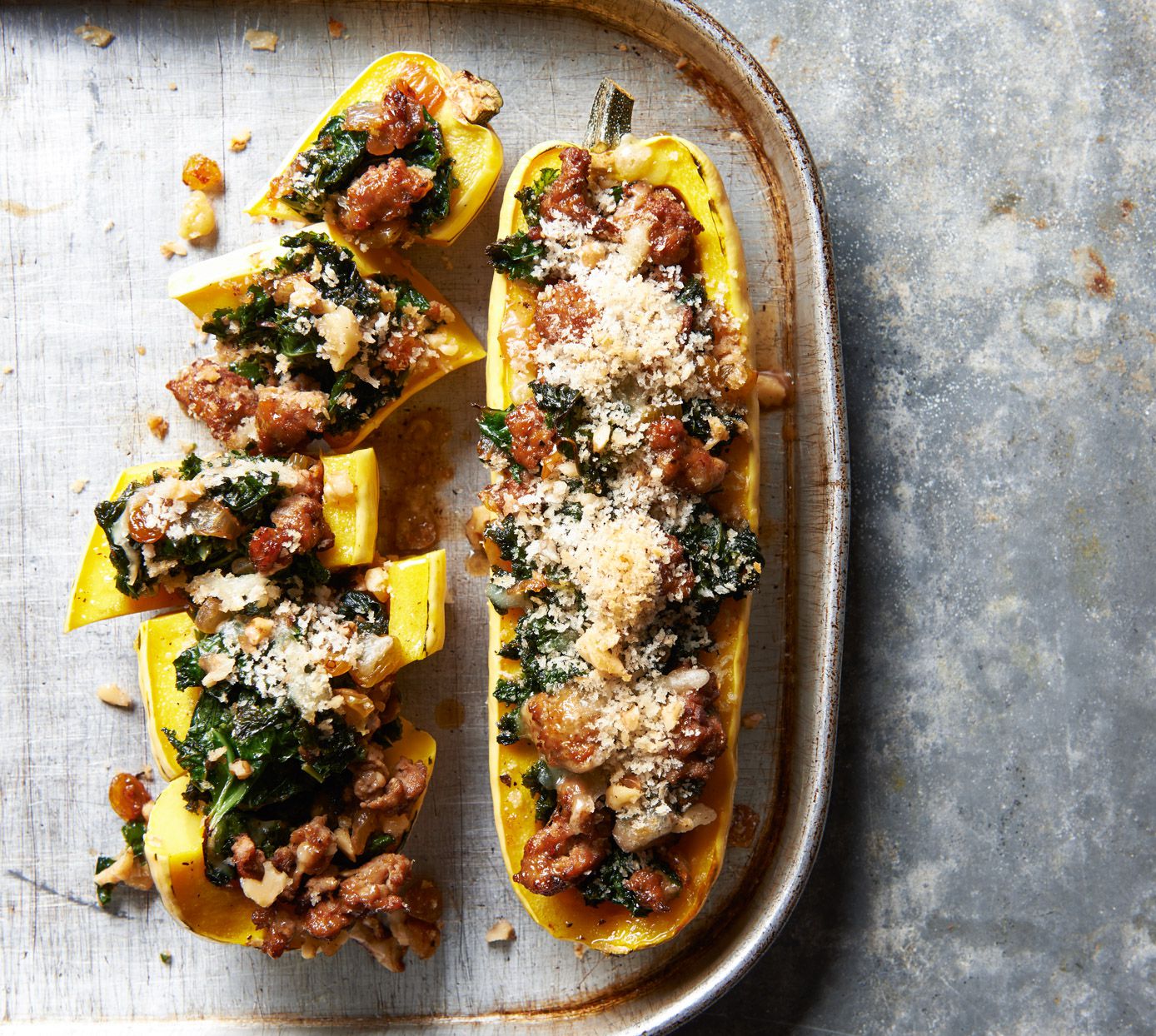
Delicata squash is the overachiever of the winter squash world. It looks fancy enough to earn a spot in a fall centerpiece, tastes sweet and nutty enough to feel special, andbest of alldoes not demand the full upper-body workout that some other squash varieties require. No wrestling match, no scary peeling session, no dramatic monologue before the first cut. Just a tender squash with edible skin, gorgeous striped looks, and enough versatility to go from weeknight side dish to holiday show-off without breaking a sweat.
In our test kitchen-style approach, we tried the methods that actually make sense for real cooks: roasting slices, baking halves, sautéing on the stovetop, and turning delicata into a stuffed main. The verdict? High-heat roasting is the champion if you want caramelized edges and deep flavor. But delicata is so cooperative that it performs well in almost any kitchen setup, even on a busy Tuesday when your grand culinary ambition is “make vegetable, but tasty.”
This guide walks through exactly how to prep delicata squash, the best cooking methods to use, how long each one takes, what flavors pair best, and the mistakes that can turn your beautiful squash into a soggy disappointment. Let us save dinnerand maybe your patienceone striped squash at a time.
Why Delicata Squash Is Worth Cooking
Delicata squash is often described as sweet, buttery, and a little nutty, with a texture that turns creamy and tender when cooked. The flavor lands somewhere between sweet potato, corn, and classic winter squash. What makes it especially appealing is the skin: unlike many hard-skinned winter squashes, delicata skin softens enough during cooking that you can eat it. That means less prep, less waste, and one less excuse to order takeout.
It is also naturally portion-friendly. Most delicata squash are small to medium, which makes them easier to handle than a giant butternut. One squash can feed one very enthusiastic eater or two polite adults as a side dish. The shape also gives you options. Slice it into rings for crispy-edged rounds, cut it into half-moons for easy sheet-pan roasting, or roast the halves and use them like edible bowls for grains, sausage, mushrooms, or cheese.
How to Pick and Prep Delicata Squash
What to look for at the store
Choose squash that feel firm and heavy for their size, with creamy yellow skin and green or orange striping. Avoid squash with soft spots, deep cuts, shriveled ends, or a generally tired expression. Delicata is not the marathon runner of the squash bin; it tends to have a shorter storage life than thick-skinned winter squash, so buy it with a plan to cook it reasonably soon.
How to cut delicata squash
First, wash the squash well. Since the skin is edible, you want it clean. Trim off both ends with a sharp chef’s knife so the squash sits flat and does not roll around like it is auditioning for a stunt scene. Cut it in half lengthwise, then use a spoon to scoop out the seeds and stringy center. From there, decide which shape fits the method:
For rings: Slice crosswise into round pieces before or after removing the seeds, depending on what feels easier. Rings look great and roast beautifully.
For half-moons: Cut the seeded halves crosswise into slices about 1/2 inch thick. This is the most practical shape for everyday cooking.
For stuffed squash: Leave the halves intact and roast them as edible vessels.
Do not toss the seeds. Cleaned and dried squash seeds can be roasted for a crunchy snack or salad topper. It is the culinary equivalent of getting bonus fries at the bottom of the bag.
Our Test Kitchen’s Best Method: Roast Delicata Squash Slices
If you ask our imaginary but highly opinionated test kitchen for the best all-around method, roasting wins. It gives you everything you want: sweet flavor, browned edges, tender centers, and a texture that feels a little luxurious for something that started life as a vegetable. High heat is the secret. A hot oven encourages caramelization instead of steam, which means more flavor and less mush.
How to roast delicata squash
Preheat the oven to 425°F. Slice the squash into 1/2-inch half-moons or rings, then toss with olive oil, kosher salt, and black pepper. Spread the pieces on a parchment-lined or lightly oiled sheet pan in a single layer. Give them breathing room. If the slices are crowded, they steam instead of brown, and nobody writes love letters to steamed squash.
Roast for 20 to 30 minutes, turning once about halfway through. The squash is ready when it is fork-tender and golden brown in spots. Some pieces may brown more quickly than others depending on thickness and placement, which is why uniform slicing matters. If you want especially crisp edges, keep the slices toward the outer edge of the pan and make sure the flat sides are in contact with the pan.
Best seasonings for roasted delicata squash
Plain olive oil, salt, and pepper are enough to let delicata shine, but this squash also plays well with bold flavors. Try one of these combinations:
Maple and chili: Add a light drizzle of maple syrup and a pinch of chili powder or cayenne for sweet heat.
Brown butter and sage: Finish roasted slices with browned butter, crispy sage, and flaky salt.
Hot honey: Roast simply, then drizzle with hot honey for a side dish that disappears suspiciously fast.
Parmesan and herbs: Add grated Parmesan, thyme, or rosemary in the last few minutes.
Miso-garlic butter: Toss the hot squash with a little butter, garlic, and white miso for savory depth.
Method Two: Roast Delicata Squash Halves
Roasting halves is the method to use when presentation matters or when you want a softer, creamier interior. This approach is excellent for serving delicata as a side dish or turning it into a stuffed main course later.
How to bake delicata squash halves
Heat the oven to 375°F to 400°F. Brush the cut sides and cavity lightly with oil or melted butter, then season with salt and pepper. Place the halves cut-side down on a baking sheet to encourage steaming and tenderness, or cut-side up if you want to glaze and baste during cooking.
Roast for about 25 to 35 minutes, depending on size, until the flesh is tender when pierced with a fork. For extra color, flip the halves cut-side up near the end and broil briefly. This method produces silky squash that is ideal for butter, maple, citrus, or a spoonful of grain salad.
When this method is best
Choose roasted halves when you want a softer texture, a more elegant look, or a base for stuffing. It is slightly less crisp than sliced roasting, but more dramatic on the plate. Delicata halves filled with sausage, wild rice, mushrooms, lentils, or goat cheese can absolutely pass for a main dish and will make everyone think you planned dinner much further in advance than you actually did.
Method Three: Cook Delicata Squash on the Stovetop
No oven space? Welcome to the holiday side-dish Olympics. Stovetop delicata is a smart backup plan and, in some cases, a better choice if you want the squash to stay especially moist.
Sautéed delicata squash
Slice the squash into thin half-moons. Heat a large skillet over medium heat with olive oil or butter. Add the squash in a single layer if possible, season with salt and pepper, and cook for about 8 to 10 minutes, stirring occasionally, until tender and lightly browned. A pinch of nutmeg, smoked paprika, or garlic works well here.
This method creates tender squash with lightly crisped edges and is especially good when you want a fast side dish for chicken, pork, or grain bowls.
Poached or shallow-braised delicata squash
For a softer, more delicate result, add bite-size squash pieces to a skillet with about 1 cup of broth, water, cider, or even apple juice. Bring the liquid to a simmer, cover, and cook until just tender, then uncover and let any remaining liquid reduce. This technique keeps the flesh moist and subtly flavored, which is great when you plan to finish with butter, herbs, or a splash of acid.
Method Four: Stuffed Delicata Squash
If roasted slices are the weeknight hero, stuffed delicata is the dinner-party charmer. The squash halves become built-in serving bowls, which is both practical and slightly smug in the best possible way.
How to make stuffed delicata squash
Start by roasting the halves until almost tender, usually 25 to 30 minutes. Meanwhile, prepare your filling. Good options include:
Sausage, onion, and breadcrumbs for a savory, classic fall dinner.
Brown rice, mushrooms, cranberries, and pecans for a vegetarian option with texture and sweetness.
Quinoa, chickpeas, spinach, and feta for something hearty but not heavy.
Fill the partially roasted halves and return them to the oven for another 10 to 15 minutes, until the filling is hot and the squash is fully tender. A little cheese on top never hurts unless your goal is somehow to have leftovers.
The Best Flavors to Pair With Delicata Squash
Delicata squash is sweet enough to handle warm spices and rich enough to welcome savory ingredients. That makes it one of the easiest vegetables to season without overthinking it. A few reliable flavor families include:
Sweet and spicy: maple, honey, brown sugar, chili flakes, harissa
Herby and savory: sage, thyme, rosemary, garlic, Parmesan
Bright and acidic: lemon, lime, balsamic vinegar, apple cider vinegar
Rich and nutty: brown butter, tahini, pecans, walnuts, hazelnuts
Creamy and tangy: goat cheese, feta, yogurt sauce, labneh
One of the smartest ways to build a delicata dish is to balance sweetness with salt and acid. A squeeze of lemon, a spoonful of yogurt, or a few crumbles of feta can keep roasted squash from tasting one-note.
Common Mistakes to Avoid
Cutting uneven slices
If some pieces are paper-thin and others are chunky enough to build a small fence, they will not cook evenly. Aim for slices around 1/2 inch thick.
Crowding the pan
This is the classic roasted-vegetable betrayal. Too many slices on one pan create steam, which prevents browning. Use two pans if necessary.
Under-seasoning
Delicata is naturally flavorful, but it still needs salt. Season before cooking, then taste and adjust after roasting.
Using too low an oven temperature for slices
If you want caramelization, high heat matters. Around 425°F is the sweet spot for roasted slices.
Forgetting the texture goal
Choose the method based on the result you want. Roast slices for browning, roast halves for creaminess, and stovetop-cook for speed and moisture.
How to Store and Reheat Delicata Squash
Whole delicata squash is best kept in a cool, dry place and used sooner rather than later. Once cut, wrap it well and refrigerate it. Cooked delicata squash keeps well in the refrigerator for several days, making it excellent for meal prep.
To reheat roasted delicata, use a hot oven, toaster oven, or air fryer so the edges revive instead of going limp. The microwave works in a pinch, but it softens the texture. That is fine for mashed potatoes, less ideal for a squash that worked hard to become crisp and golden.
Easy Serving Ideas
Roasted delicata squash can do much more than sit politely beside roast chicken. Tuck it into grain bowls with farro and arugula. Add it to salads with kale, apples, and toasted nuts. Layer it onto pizza with ricotta and sage. Fold it into warm pasta with brown butter. Serve it under a fried egg. Pile it onto a holiday platter with pomegranate seeds and herbs. Or eat half the tray straight from the pan while standing in the kitchen “just checking for seasoning.” This is a respected tradition.
Final Verdict: What Is the Best Way to Cook Delicata Squash?
If your goal is the most flavorful, versatile, and broadly crowd-pleasing result, roast delicata squash slices at 425°F. That method gives you caramelized edges, tender centers, easy seasoning options, and the kind of texture that makes people reach for seconds before pretending they are still deciding.
That said, there is no single wrong answer here. Roasted halves are better for stuffing. Stovetop cooking is better when oven space is tight. And if you are cooking for one, delicata is such a manageable squash that any of these methods can feel wonderfully low-effort for a high-reward ingredient.
In other words, delicata squash is not high-maintenance. It is the rare seasonal vegetable that shows up looking dramatic, tastes fantastic, cooks quickly, and does not ask you to peel it. Frankly, we should all be so helpful.
Extra Kitchen Experience: What We Learned After Cooking Delicata Squash Again and Again
After multiple rounds of testing, one thing became clear almost immediately: delicata squash rewards confidence. The first time many cooks handle winter squash, they approach it like it might file a complaint. Delicata changes that relationship. Because it is smaller, easier to cut, and forgiving across several cooking methods, it is the squash that makes people feel competent fast. That matters more than recipe writers sometimes admit. A vegetable that is easy to prep tends to get cooked more often, and a vegetable that gets cooked more often has a much better chance of becoming part of your real-life dinner rotation.
We also noticed that delicata is one of those ingredients that can feel totally different depending on how you slice it. Rings roast up with a dramatic look and beautifully browned edges, making them ideal for holiday platters or dinner guests. Half-moons are the workhorse shape: quick to prep, easy to flip, and perfect for sheet-pan dinners. Halves feel more substantial and almost luxurious, especially when topped with butter, cheese, or a grain filling. Same squash, three completely different moods.
Another practical lesson: delicata does not need much help. It is easy to overcomplicate fall vegetables with too many spices, too many glazes, and enough garnishes to qualify as landscaping. But the batches that got the best reactions were often the simplest. Olive oil, salt, pepper, hot oven. Then maybe a finish of lemon juice, flaky salt, or a drizzle of maple. Delicata has enough natural sweetness that it really shines when you balance it instead of burying it.
Texture turned out to be the biggest dividing line. People who said they “weren’t sure about squash” almost always preferred the higher-heat roasted slices, because those had crisp edges and concentrated flavor. The softer baked halves appealed more to diners who wanted a comfort-food vibe. That is useful information if you are cooking for a mixed crowd. When in doubt, go with slices. They are the gateway squash.
Finally, delicata proved itself to be a quiet meal-prep hero. Leftover slices held up well in grain bowls, salads, and pasta, and they reheated better in a toaster oven than expected. A tray roasted on Sunday can become Monday lunch, Tuesday side dish, and Wednesday “I am putting this on toast and calling it innovation.” Not every vegetable can pull that off. Delicata can. And with that kind of versatility, it earns a permanent seat at the cool-weather table.