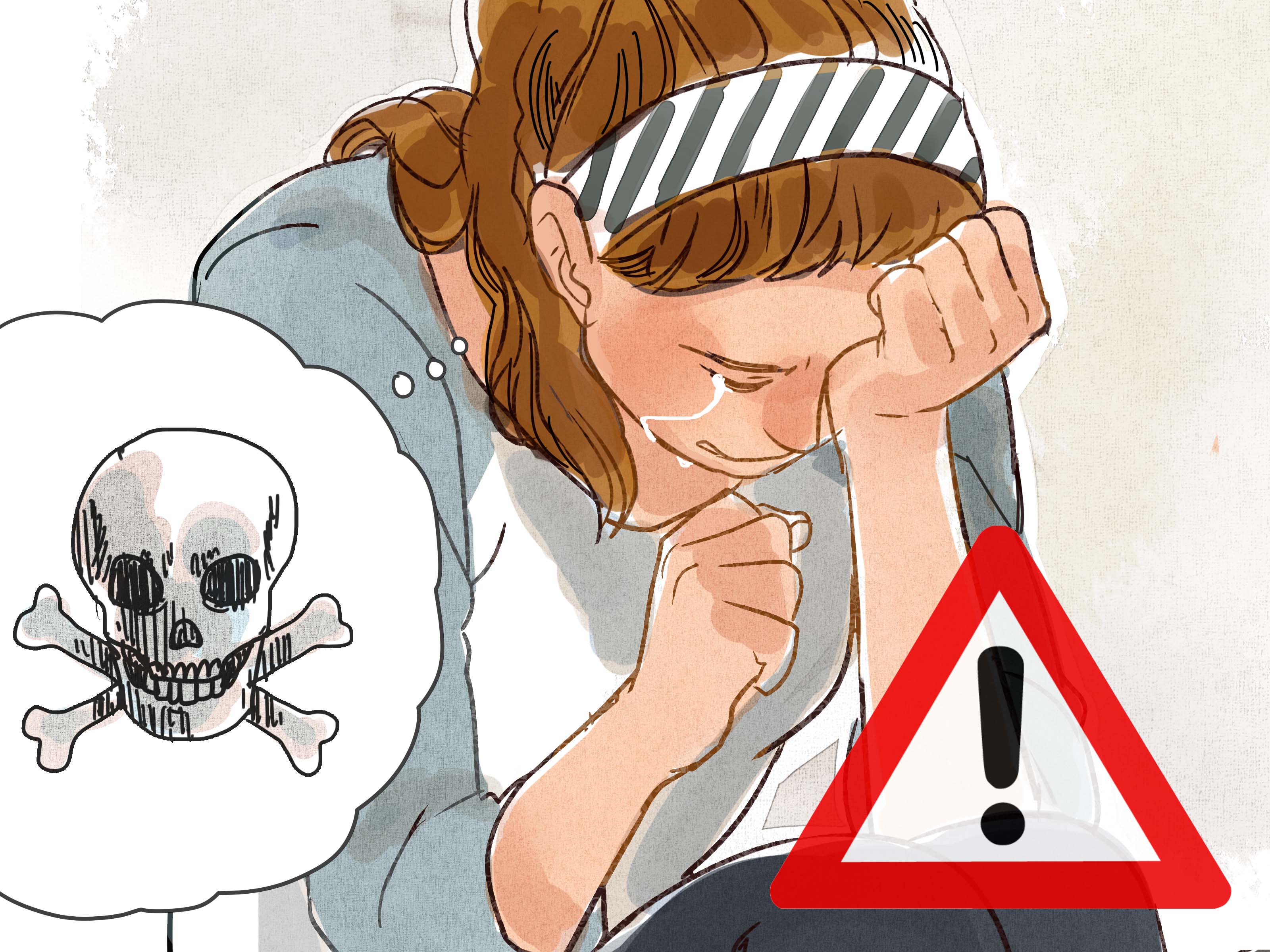
Loving someone with bipolar disorder can feel like sharing a group chat with the weather: sunny, stormy, gorgeous, confusing
sometimes all before lunch. The good news: bipolar disorder is treatable, and relationships can absolutely be steady, warm, and
fun. The tricky part is learning what’s “the person” and what’s “the episode,” and then responding in a way that helps instead
of accidentally pouring espresso into a hurricane.
This guide gives you practical, real-life strategies for supporting a partner, friend, coworker, or family member with bipolar disorderwithout
becoming their therapist, their parole officer, or their human emotional shock absorber. We’ll talk communication, boundaries,
early warning signs, crisis planning, and how to keep your own brain from melting.
First: Understand What Bipolar Disorder Actually Is (And Isn’t)
It’s not “moodiness.” It’s mood episodes.
Bipolar disorder involves distinct mood episodesperiods of time where mood, energy, sleep, thinking, and behavior shift in a way
that can seriously affect functioning. These episodes can look like:
- Mania: very elevated or irritable mood, increased energy, reduced need for sleep, racing thoughts, impulsive or risky behavior.
- Hypomania: a milder form of mania (still noticeable, still risky, but not as severe as full mania).
- Depression: persistent low mood, low energy, loss of interest, changes in sleep/appetite, slowed thinking, hopelessness.
There are different “flavors” of bipolar disorder.
You may hear “Bipolar I” (manic episodes) and “Bipolar II” (hypomanic episodes plus major depression). Labels matter for treatment,
but for you as a support person, the practical question is: “What do their episodes look like, and what helps them stay stable?”
It’s treatable, but treatment is usually a long game.
Many people do best with a combination of medication, psychotherapy, routine/sleep stability, and support systems. Your role is not
to prescribe, diagnose, or argue someone into wellnessyour role is to support a path that professionals guide, and to protect the
relationship from the chaos that episodes can create.
The Golden Rule: Don’t Debate the Episode
When someone is in a manic, hypomanic, mixed, or severe depressive episode, logic is often not the main character. You can’t “win”
an argument against brain chemistry. If you’ve ever tried to reason with a toddler who skipped their nap, you already understand the
conceptexcept here the stakes are adult-level.
What to do instead
- Validate feelings without validating risky actions. “I can see you’re feeling unstoppable right now.” (Not: “Yes, buy the motorcycle.”)
- Keep language simple and concrete. Short sentences. One topic at a time. No courtroom speeches.
- Delay big decisions. “Let’s sleep on it for 48 hours” is a relationship-saving sentence.
- Focus on safety and support. “How can we make tonight calmer?” beats “You’re being irrational.”
How to Talk to Someone with Bipolar Disorder (Without Starting a Fire)
Pick the right time: talk during stability
The best conversations about triggers, boundaries, and treatment happen when the person is relatively stablenot mid-episode.
If you’re waiting for “perfect,” you’ll be waiting forever; aim for “calm enough to hear each other.”
Use “I” statements like you’re getting graded on them
Try:
“I felt scared when you didn’t sleep for two nights and spent a lot of money. I want us to have a plan for that.”
Instead of:
“You’re out of control and ruining everything.”
Ask about their specific early warning signs
Episodes often have patterns. Some people notice changes in sleep first; others notice rapid speech, irritability, grand plans,
skipping meals, or withdrawing. Make it a team project:
- “What are your top 3 early signs that things are shifting?”
- “What do you want me to do if I notice them?”
- “What should I never do, even if I’m worried?”
Have one “reset phrase” for tense moments
Pick a short phrase you both agree on that means: pause, we’re escalating, let’s switch gears.
Examples: “Yellow light.” “Time-out.” “We’re in the weeds.” It sounds silly until it saves you at 11:47 PM.
Supporting Treatment Without Becoming the Treatment
Encourage professional care (and reduce friction around it)
Many people do better with consistent medical and therapy support. You can help by making treatment easier to follow through on:
- Offer a ride to appointments or help with scheduling if they want it.
- Ask what kind of reminders are welcome (and what feels controlling).
- Celebrate consistency, not perfection. “You kept your routine this week” matters.
Be careful with “medication policing”
Medication adherence can be complicatedside effects, denial during hypomania/mania, or the temptation to stop when feeling better.
But turning into the Medication Detective can backfire fast. Collaborate:
- Good: “Do you want a system that makes it easier to remember?”
- Risky: “I’m counting your pills now.”
Support healthy routines (because sleep is not optional for brains)
Regular sleep and daily rhythms can be a stability anchor. You can gently support routines by making them social:
evening walks, consistent meal times, wind-down rituals, minimizing late-night conflict, and planning stimulating activities earlier in the day.
Think of it as “protecting sleep like it’s your favorite expensive houseplant.”
How to Handle a Manic or Hypomanic Episode
Mania/hypomania can feel amazing to the person experiencing ithigh energy, confidence, productivity, big ideas. That’s part of the
danger: it may not feel like a problem to them.
Do: prioritize safety, sleep, and slowing down
- Reduce stimulation: quieter environments, fewer crowds, fewer late nights.
- Encourage sleep: calm bedtime routine, avoid alcohol/drugs, reduce caffeine.
- Gently limit risky access: offer to hold credit cards temporarily, delay major purchases, avoid driving if unsafe.
- Loop in the treatment plan: if they have a clinician-approved plan for early mania, follow it.
Don’t: match their speed
If they’re talking like a podcast on 2x speed, your job is to become the “soothing audiobook version” of yourself. Slow tone, calm posture,
fewer words. You’re trying to de-escalate the nervous system, not win a debate tournament.
A specific example: the “big purchase” moment
Scenario: your loved one wants to spend $3,000 on a “life-changing business opportunity” they discovered 14 minutes ago.
- Try: “I love that you’re feeling inspired. Let’s write down the idea and review it together tomorrow. Big purchases are 24-hour decisions.”
- Avoid: “This is stupid, you’re manic.” (Even if true, it often escalates.)
- If needed: “I’m not comfortable funding this. I’m stepping out of this decision.” (Boundary, not argument.)
How to Handle a Depressive Episode
Do: show up small and steady
Depression often makes everything feel heavy, pointless, or unreachable. Your support works best in bite-sized, low-pressure pieces:
a text that says “thinking of you,” bringing food, a short walk, sitting quietly, helping with one manageable task.
Don’t: push pep talks like they’re protein shakes
“Just be positive” tends to land like “just grow wings.” Instead:
- “I’m here. You don’t have to perform happiness for me.”
- “What feels even 5% easier right now?”
- “Do you want company, distraction, or quiet support?”
Watch for suicide risk and take it seriously
If they talk about wanting to die, feeling like a burden, or you notice major warning signs (giving away possessions, saying goodbye, sudden calm after despair),
treat it as urgent. If you believe there is immediate danger, call emergency services. In the U.S., you can also call/text/chat 988 for crisis support.
Set Boundaries That Protect the Relationship (Not Punish the Person)
Boundaries are not threats. They’re the guardrails that keep love from driving into a ditch. And yes, you can be compassionate and firm at the same time.
That’s called “adulting,” and it’s rude that nobody warned us.
Examples of healthy boundaries
- Money: “I won’t co-sign loans or share credit cards. We can budget together when things are stable.”
- Communication: “If yelling starts, I’m taking a 20-minute break. I’ll come back when we’re both calmer.”
- Substances: “I can’t be around drug use. If that’s happening, I’m leaving for the night.”
- Safety: “If you’re not sleeping and you’re driving recklessly, I’m calling for help.”
What boundaries are not
- “Prove you love me by doing what I say.”
- “You’re broken, so you don’t get choices.”
- Rules that change daily based on your mood.
Create a Simple Crisis Plan (Before You Need It)
A crisis plan is basically a fire drill for mental health. You’re not “being dramatic.” You’re being prepared.
Build it together during a stable period and keep it somewhere easy to find.
What to include
- Early warning signs (their specific ones).
- What helps (sleep routine, reduced stimulation, calling a clinician, specific coping tools).
- What makes it worse (certain arguments, alcohol, all-nighters, overstimulation).
- Medication and clinician contact info (if they consent to sharing).
- Preferred hospital/urgent care options, if applicable.
- Emergency steps: who to call, and when to call 988 or 911.
Important: If someone is at imminent risk of harming themselves or others, treat it as an emergency. In the U.S., call/text 988 for immediate crisis support,
and call 911 for life-threatening emergencies.
Take Care of Yourself, Too (Yes, This Is Mandatory)
Supporting someone with bipolar disorder can be deeply meaningfuland also exhausting. If you burn out, you don’t become a better helper;
you become a crispy version of yourself with less patience and more resentment.
Caregiver self-care that actually counts
- Get your own support: therapy, peer groups, trusted friends, family education programs.
- Learn the basics: psychoeducation helps you respond with skill instead of panic.
- Protect your sleep: you can’t be steady if you’re running on fumes.
- Keep your life: hobbies, exercise, joy, and rest are not “optional upgrades.”
Consider support groups
Many people find it easier to cope when they’re not doing it alone. Family and peer support groups can offer practical tips and emotional reliefespecially from people
who’ve already lived through the “Wait, is this normal?” moments.
Common Mistakes to Avoid (So You Don’t Accidentally Make It Worse)
- Taking episode behavior personally (even though it feels personal).
- Trying to be their sole support system (that’s a two-person job for a whole village).
- Threatening boundaries you won’t keep (it erodes trust fast).
- Ignoring your own fear or anger until it explodes.
- Letting stigma drive decisions (silence and shame are not treatment).
Frequently Asked Questions
Should I tell them they’re “manic”?
Sometimes naming patterns can helpif you’ve agreed on language ahead of time. In the moment, blunt labels can escalate. A safer route is describing observations:
“You’ve slept 3 hours total this week and you’re talking really fast. I’m worried.”
What if they refuse treatment?
You can’t force insight. You can encourage care, share concerns, and set boundaries to protect safety. If there’s immediate danger, involve emergency services.
Otherwise, focus on what you control: your responses, your limits, and your own support network.
Can a relationship be healthy with bipolar disorder?
Yes. Many relationships thrive when there’s consistent treatment, open communication, a plan for episodes, and strong boundaries. The diagnosis doesn’t doom the relationship;
unmanaged episodes and lack of support systems are what usually do the damage.
Conclusion
Dealing with someone who has bipolar disorder isn’t about “fixing” themit’s about understanding mood episodes, supporting evidence-based treatment, communicating in a way
that reduces conflict, and building guardrails that protect both of you. When you plan ahead, watch for early warning signs, and take crises seriously, you create the conditions
where stability is more likelyand where love doesn’t have to feel like a full-time emergency.
And remember: you’re allowed to be compassionate and have boundaries. You’re allowed to support them and have your own needs. That balance is not selfish.
It’s how relationships surviveand sometimes even get stronger.
Real-World Experiences: What Actually Helps ()
People who support a loved one with bipolar disorder often describe a learning curve that feels like assembling furniture without the instructionsuntil you realize the instructions
exist, they’re just called “routine,” “boundaries,” and “professional care.” A common experience is the moment you stop arguing about the episode and start managing the environment
around it. Not controlling the personcontrolling the chaos.
One pattern many families report is that sleep is the first domino. Someone starts staying up later, waking up earlier, getting “creative” at 2:00 a.m., and suddenly
the house is buzzing with big plans and no brakes. The most helpful partners don’t try to “talk them down” with sarcasm or panic. They reduce stimulation: fewer late-night conversations,
dimmer lights, calmer activities, and a gentle push toward a wind-down routine. Sometimes it’s as simple as, “Let’s do a low-key night. Shower, comfy clothes, boring TV, phone away.”
Glamorous? No. Effective? Weirdly, yes.
Another common story: the impulse project. During hypomania, someone may decide they’re launching a business, writing a novel, remodeling the kitchen, and becoming a triathlete
before Thursday. Supporters who fare best don’t mock the ideasthey help slow the timeline. They say things like, “I love how motivated you feel. Let’s capture the plan in writing and review it
in two days.” That “two-day rule” shows up again and again because it protects the person from decisions made at a sprint when life requires a marathon pace.
In depressive episodes, people often describe that the most meaningful support is quiet presence, not motivational speeches. Friends who drop off food, sit on the couch,
or send steady texts without demanding replies (“No need to respondjust reminding you you’re not alone”) tend to be remembered as lifesavers. The smallness is the point: depression shrinks the
world, so support needs to fit inside that smaller world. “Want to take a five-minute walk?” can work when “Let’s turn your life around!” absolutely won’t.
Boundaries are another “learn it the hard way” experience. Many caregivers describe trying to be endlessly flexibleuntil they’re exhausted, resentful, and one spilled coffee away from a meltdown.
The shift happens when they realize boundaries are kindness with structure. “I won’t stay in a conversation where I’m being yelled at, but I will come back in 20 minutes.” “I’m not able to loan
money, but I can help you call your bank to set safeguards.” The best boundaries are specific, calm, and kept consistently. The moment you start enforcing them, the relationship often gets less dramatic,
not morebecause unpredictability feeds stress, and stress feeds episodes.
Finally, many people say the biggest improvement came when they stopped doing it alone. Family education classes, support groups, therapy, and even a trusted “backup person” to call during a rough week
can turn a scary situation into a manageable one. The lived experience lesson is simple: bipolar disorder may be a long-term condition, but support doesn’t have to be a solo sport. Build the team, write
the plan, protect sleep, keep your boundaries, and keep your sense of humorbecause sometimes laughter is the only thing that makes a hard day feel survivable.