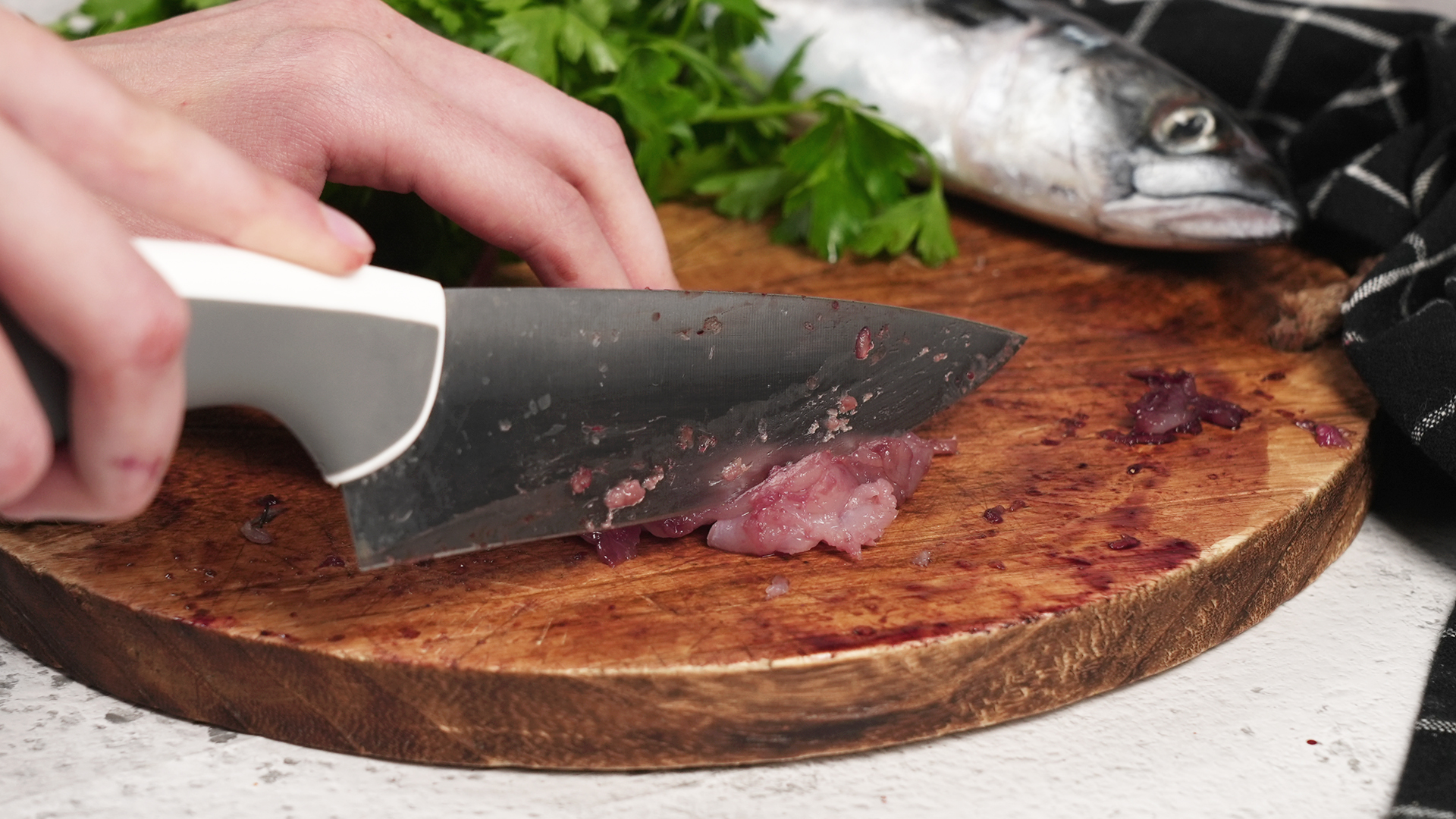
Filleting a fish is one of those kitchen skills that looks like wizardry… right up until you realize it’s mostly
sharp knife + calm hands + letting the bones be your roadmap. The payoff is big: you get fresher-tasting
fillets, save money versus buying pre-cut portions, and you can use the whole fish (hello, quick stock from the bones).
This guide breaks filleting down into simple, repeatable steps you can use on most finfish, with quick notes for
round fish (salmon, snapper, trout) and flatfish (flounder, sole, halibut). You’ll also get pro tricks for pin bones,
skin removal, and food safetybecause nothing ruins a proud fillet like leaving it warm on the counter while you take
celebratory photos.
What You Need (Tools That Actually Help)
Must-haves
- Flexible fillet knife (sharp enough to glide, not saw)
- Stable cutting board (add a damp towel underneath to prevent skating)
- Paper towels (for grip and to keep things tidy)
Nice-to-haves
- Fish tweezers or clean needle-nose pliers (for pin bones)
- Kitchen shears (for fins, belly trim, quick snips)
- Fish scaler (if your fish isn’t pre-scaled)
- Disposable gloves (optional, but helpful if you’re squeamish)
One pro note: most “filleting disasters” are actually “dull-knife tragedies.” A sharp blade gives you control and
cleaner cuts, and it’s often safer than forcing a dull edge through slippery skin.
Before You Cut: Buy, Chill, and Set Up Like a Pro
1) Pick a fish that’s easier to learn on
If you’re brand-new, choose a mid-size, firm-fleshed fish: trout, snapper, sea bass, or salmon. Tiny fish can be fiddly,
and huge fish can be physically awkward. (Your cutting board does not want to wrestle a monster.)
2) Keep it cold (seriously)
Cold fish is easier to fillet because the flesh is firmer and less likely to tear. It’s also safer.
Store seafood at 40°F or below and use it within about 1–2 days (or freeze it if you can’t).
If you’re working slowly, set the fish (or finished fillets) over a tray of ice to keep temperatures down.
3) Don’t cross-contaminate your kitchen
Use a dedicated cutting board for raw seafood (or wash thoroughly), keep towels handy, and clean surfaces and tools as you go.
If you can, use one board for raw proteins and another for produce.
The Main Event: Fillet a Round Fish (Step-by-Step)
“Round fish” are the classic torpedo-shaped swimmerssalmon, trout, snapper, branzino, bass, mackerel. The basic method is the
same: you cut behind the head, ride the backbone, and let the rib cage tell you where not to slice.
Step 1: Check scales, then rinse and pat dry
Many market fish are pre-scaled, but don’t assume. Run your fingers from tail to head; if it feels sandpapery, it needs scaling.
Pat the fish dry so you can grip it.
Step 2: Remove fins (optional, but helpful)
Fins can be prickly and get in the way. Use kitchen shears to snip the dorsal and side fins close to the body.
This doesn’t change flavorit just reduces the “surprise stabbing” factor.
Step 3: Make the first cut behind the gill plate
Lay the fish on its side. Find the gill plate (the hard flap behind the head). Angle your knife down just behind it
and cut until you feel the backbone. You’re basically opening a “door” to the skeleton.
Step 4: Turn the blade and follow the backbone to the tail
With the knife tip close to the bones, slide the blade from the head end toward the tail in long, smooth strokes.
Think: skimming the spine, not “digging for treasure.” The goal is to keep the edge kissing the bones so you
leave as little meat behind as possible.
Step 5: Lift the fillet as you cut
Use your free hand (or a clean towel for grip) to gently lift the loosening fillet. Lift-and-slice helps you see where the
meat ends and the bones begin. Keep the knife angle shallow, especially near the belly.
Step 6: Work around the rib cage (don’t bulldoze through it)
When you hit rib bones, you’ll feel resistance. Instead of forcing the knife straight down, slide the blade along the ribs.
You can remove rib bones later with a trimming cut; right now, focus on separating the main fillet cleanly.
Step 7: Repeat on the other side
Flip the fish and do the same sequence: behind the gills to the backbone, then ride the spine to the tail.
With practice, your second side will look better than your firstlike handwriting on the second page of an exam.
Pin Bones, Rib Bones, and Skin: Finishing Like You Meant It
How to remove pin bones (the “surprise toothpicks”)
Many fishespecially salmonhave a line of thin pin bones running through the thickest part of the fillet.
To find them, run your fingertips gently against the grain. Use tweezers or clean pliers to pull each bone out
in the direction it’s pointing to reduce tearing.
How to remove the rib cage (if it came with the fillet)
Lay the fillet skin-side down. Look for the curved line of rib bones near the belly. Make a shallow cut just above them,
then slide the knife under the rib bones to lift them away in one piece. Keep the blade nearly parallel to the boardthis saves meat.
Skin on or off?
Skin-on fillets are great for crisping and protecting delicate flesh. Skin-off is convenient for stews, kebabs, or anyone
who treats fish skin like it personally offended them. If you keep skin on, make sure it’s scaled and dry before cooking for best texture.
How to remove skin (cleanly, without shredding dinner)
- Place the fillet skin-side down with the tail end toward your knife hand.
- At the tail, make a small cut through the flesh to the skin to create a “tab” you can hold.
- Grip the skin firmly with a paper towel.
- Angle the knife slightly toward the skin and slide it forward while you pull the skin backward.
The motion is a gentle tug-of-war: the skin moves one way, the knife moves the other, and the flesh stays mostly intactlike magic, but with friction.
Quick Guide: Filleting Flatfish (Flounder, Sole, Halibut)
Flatfish are the “two eyes on one side” crowd. They yield four fillets: two from the top side and two from the bottom.
The great news? Their bones are flatter and easier to follow once you understand the layout.
Flatfish method (simple version)
- Identify the center line (backbone) running lengthwise down the fish.
- Make a cut along that center line from head to tail, just deep enough to reach the bones.
- From that center cut, slide your knife outward toward the fin edge, keeping the blade flat to the bones.
- Repeat to create two fillets on that side, then flip the fish and repeat for the other two.
For larger flatfish like halibut, yields can vary by skill and trim preference; as a rough ballpark, skilled filleting can produce
about half (or a bit more) of the whole fish as usable fillet depending on what’s kept skin-on and how it’s trimmed.
Common Mistakes (and How to Fix Them Fast)
Mistake 1: You’re cutting too deep, too soon
If you’re hacking chunks out, slow down and go shallower. Filleting is more “guided slicing” than “wood chopping.”
Let the bones be the stop sign.
Mistake 2: The knife is tearing the flesh
That’s usually a dull blade or a sawing motion. Use longer strokes and sharpen your knife. Also, keep fish cold and pat dry for better control.
Mistake 3: You’re losing a lot of meat on the frame
Aim the blade slightly toward the bones, not the fillet. You can always scrape extra meat for fish cakes or chowder, but good technique
gets you clean fillets and a frame still useful for stock.
Food Safety and Storage (Because Fillets Are Not Houseplants)
- Keep fish cold: refrigerate at 40°F or below, ideally on ice in the fridge.
- Use within 1–2 days or freeze tightly wrapped to prevent drying.
- Don’t leave seafood out more than about 2 hours (or 1 hour if it’s very hot).
- Separate raw and ready-to-eat foods and clean boards/utensils between tasks.
Mini FAQ: The Questions Everyone Asks Mid-Fillet
Do I have to gut the fish first?
If you’re filleting a whole fish at home, yesat minimum you’ll want the cavity cleaned. Many markets will scale and gut for you,
which makes home filleting far less intimidating (and far less… aromatic).
Do I need a “fish tweezers” tool, specifically?
Tweezers are convenient, but clean needle-nose pliers can work well too. The key is a firm grip and pulling pin bones in the right direction
to avoid tearing.
What should I do with the head and bones?
Freeze them for stock. Fish stock is fast: rinse the frame, simmer gently with aromatics, and keep it short so it stays clean and sweet.
Using the whole fish is one of the biggest advantages of learning to fillet.
Extended “Real Life” Experiences: What Filleting Actually Feels Like (500+ Words)
Here’s the part nobody tells you when you watch a calm fishmonger on video: your first fillet will not look like theirs. It will look like
a perfectly normal fillet… if you squint, tilt your head, and pretend the ragged edges are “rustic.” And that’s fine. Filleting is one of those
skills where improvement is basically guaranteed as long as you repeat it. The fish teaches you. Sometimes politely. Sometimes by making you
chase a slippery body around your cutting board like it’s auditioning for an action movie.
A common first-time experience goes like this: you place the fish down, feel confident for exactly four seconds, then realize you’re not sure
where the gills end and the “oops” begins. You make the first cut, meet the backbone sooner than expected, and suddenly understand why chefs talk
about letting bones guide you. The skeleton is not your enemyit’s the built-in map. Once you start thinking of bones as guardrails, the whole
process gets calmer. Your cuts get shallower. Your strokes get longer. You stop trying to “separate meat from fish” and start separating meat
from the structure holding it.
Another very real moment: pin bones. You’ll run your fingers along the fillet and think, “That can’t be rightwhy does this fish have tiny
internal toothpicks?” Then you’ll discover the oddly satisfying rhythm of tweezing them out one by one. It’s like popping bubble wrap, except
more expensive and with dinner on the line. The trick most people learn quickly is to pull pin bones in the direction they naturally lean. When
you do, the bones slide out cleanly and the fillet stays pretty. When you don’t, you create tiny craters that make your fish look like it survived
a meteor shower. (Still edible. Just less photogenic.)
If you keep skin on, you’ll probably have the “crispy skin dream” at least once: you imagine a shatteringly crisp, golden skin like a restaurant
plate, then you cook it and the skin sticks, tears, and clings to the pan like it pays rent there. That experience usually teaches two lessons:
(1) dry skin matters, and (2) patience matters even more. People who get good at fish tend to handle it gently and move it less. Filleting is the
same vibe: fewer frantic motions, more deliberate ones. Calm hands make clean cuts.
There’s also the market confidence experience. The first time you buy whole fish, you might feel like you’re borrowing someone else’s hobby.
But once you’ve filleted a fish successfullyeven onceyou start asking better questions: “Can you scale it?” “Can you gut it?” “Would this fish
be better skin-on?” You notice freshness clues more quickly. And you appreciate what “sharp” really means. Many home cooks report that learning
to fillet ends up improving their general knife skills, because it forces you to pay attention to angle, pressure, and the shape of what you’re
cutting rather than brute force. It’s a practical skill, but it also changes how you move in the kitchen.
Finally, there’s the win that feels surprisingly good: the leftover frame. The first time you turn bones and trimmings into stock, you realize
filleting isn’t just about getting two neat pieces of fishit’s about getting more value, more flavor, and more control. You’re not “doing extra work.”
You’re upgrading your dinner like a pro, one clean slice at a time.
Conclusion: Your “Next Fillet” Will Be Better Than Your Last
If you remember only three things, make them these: keep the fish cold, use a sharp knife, and
let the bones guide your blade. Start with a forgiving fish, go slowly, and treat each fillet like practice (because it is).
With a few rounds of repetition, you’ll waste less, portion more cleanly, and feel comfortable handling whole fishlike the kind of person who
casually says “I’ll just fillet it” and actually means it.