If you’ve ever heard a suspicious tap-tap-scamper above your ceiling at 6:03 a.m., congratulations: you may have acquired an attic roommate who pays rent in “chewed wiring” and “insulation confetti.” Squirrels are cute outside. Inside, they’re basically tiny contractors with zero permits and a passion for demolition.
The good news: you can get squirrels out of your attic without turning your home into a wildlife-themed escape room. The best results come from one simple strategy: remove the squirrels, then prevent re-entry. This guide walks you through humane, effective steps that work in real houses with real rooflines, real vents, and real “how did it even get in there?” moments.
First: Are You Sure It’s Squirrels?
Before you launch Operation Attic Eviction, make sure you’re dealing with squirrelsnot mice, rats, raccoons, or a ghost with a treadmill. Here are common squirrel clues:
- Timing: Noise is loudest at dawn and daytime (squirrels are typically active during daylight).
- Sound: Fast running, rolling “acorn bowling,” scratching, and occasional chewing.
- Smells: A musky, earthy odor (especially if nesting materials and droppings build up).
- Evidence: Shredded insulation, leaves/twigs, gnaw marks on wood, and droppings.
- Outside hints: Torn soffits, damaged roofline edges, chewed vent areas, or gaps near eaves.
If you’re unsure, don’t guessconfirm. A wildlife removal pro can identify the species quickly, and that matters because the best removal methods (and legal rules) can vary by animal.
Why Squirrels in the Attic Are a Problem (Beyond the Annoying 6 a.m. Cardio)
Squirrels don’t move into attics to be evil. They move in because it’s warm, dry, and predator-freelike a luxury condo with free insulation. But once inside, the risks add up:
1) Damage to insulation and wood
Nesting squirrels shred insulation to make cozy beds, leaving you with cold rooms, higher energy bills, and an attic that looks like it hosted a pillow fight.
2) Chewed wires and fire risk
Squirrels are rodents, and rodents chew. That can include electrical wiring and cable lines. Damaged wiring isn’t just “oops”it can become a serious hazard. If you see chewed wires or exposed conductors, treat it as urgent and call an electrician.
3) Health and cleanup concerns
Any animal waste in a closed space can create health risks, especially when droppings and urine dry out and become dust. You’ll want to handle cleanup carefully and avoid stirring particles into the air.
Safety First: What Not To Do
When people are stressed, they do desperate things. Like sealing a hole while squirrels are still inside. Or trying to “smoke them out.” Or turning the attic into a DIY chemistry lab. Let’s skip the regret.
- Don’t seal entry points until you’re sure squirrels are out. Trapped squirrels can panic and cause more damage trying to escape.
- Don’t handle squirrels. Cornered wildlife can bite or scratch. Keep a safe distance.
- Don’t use poisons. It’s inhumane, can be illegal, risks pets/other wildlife, and can leave you with a dead animal in an inaccessible space (plus odor).
- Don’t rely on “miracle repellents.” Many scent-based tricks work for about 12 minutesright up until the squirrel decides your attic is still worth it.
The Humane, Effective Plan: Evict, Exclude, Repair
Think of this like getting glitter out of carpet. Step one isn’t “vacuum harder.” Step one is “stop adding glitter.” With squirrels, that means get them out, then block every way back in.
Step 1: Identify how they’re getting in (and why)
Squirrels commonly enter through roofline gaps, soffits, vents, loose flashing, chimney openings, and areas where wood is soft or already damaged. Your mission is to find the primary entry point plus any potential “backup doors.”
Quick inspection checklist (outside + attic):
- Roof edges and eaves (look for gaps, rot, chew marks)
- Soffit panels and fascia boards
- Gable vents, roof vents, and attic fans
- Chimney area (missing or damaged cap/screen)
- Utility line entry points (cable, conduit, pipes)
- Tree limbs close to the roof (easy launch ramps)
If you’re not comfortable on ladders or the roofline is steep, outsource the inspection. A short visit from a wildlife control operator is cheaper than a trip to the ER and a new roof vent you “tested” with your elbow.
Step 2: Check for babies (timing matters)
One of the biggest reasons attic squirrel situations turn into a saga is babies. Many tree squirrels have two litters a year, and attic nesting often spikes around those seasons. If you remove the mother while babies are still dependent, you can end up with crying juveniles in the attic (and no one wins).
Signs babies may be present: persistent chittering, lighter “thumping,” and activity that stays concentrated in one spot (a nest). If it’s a high-likelihood baby season in your area, consider hiring a pro who can use humane “reunite” approaches and confirm the nest status.
Step 3: Give them a clean exit (exclusion, not chaos)
The most reliable humane approach is exclusionletting squirrels leave and preventing them from coming back in. In practice, that usually means:
- Pre-seal all secondary openings with chew-resistant materials (metal flashing or hardware cloth), leaving only the primary exit.
- Install a one-way exit device (often called a one-way door) over the main entry point so squirrels can exit but not re-enter.
- Monitor for a few days to confirm activity stops.
- Remove the device and permanently repair the opening with durable, chew-resistant materials.
If the phrase “install a one-way door over the main entry point” makes your eye twitch, that’s normal. Exclusion work is very doable, but it needs to be done correctly. Incorrect placement can leave you with squirrels inside, or squirrels re-entering through a gap you didn’t notice.
Step 4: Seal and squirrel-proof (this is the part that actually ends the problem)
Once you are confident the attic is empty, it’s time for permanent repairs. The rule is simple: If a squirrel can get its face in there, it will negotiate the rest with its teeth.
Best materials for squirrel-proofing:
- Hardware cloth (metal mesh) for vents and openings
- Metal flashing for roofline edges, gaps, and wood corners
- Chew-resistant vent covers designed for wildlife exclusion
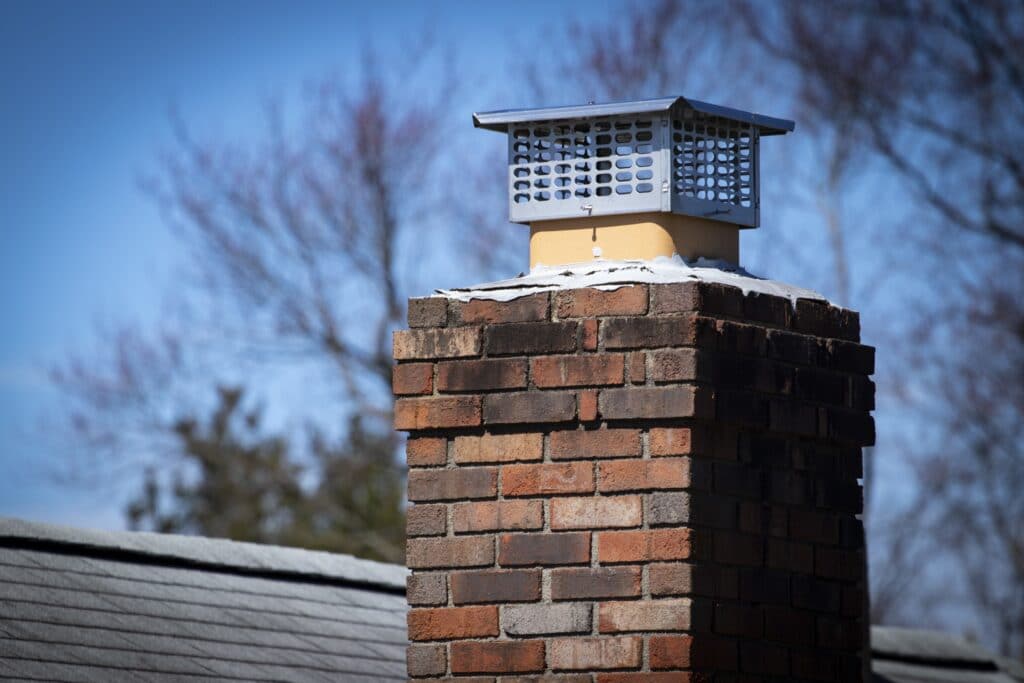
- Chimney caps or screened caps that allow airflow but block entry
Common repair zones (where squirrels love to “subscribe” to your attic):
- Attic/roof vents: Reinforce with properly sized metal mesh from the inside where possible.
- Soffits and fascia: Replace rotten wood and reinforce vulnerable edges with metal flashing.
- Roof returns and eaves: Repair gaps and add flashing where wood meets roofline.
- Chimney: Cap it (and check for gaps around flashing).
- Utility penetrations: Seal around pipes/wires using chew-resistant methods (not just foam alone).
Step 5: Remove “welcome signs” (food and easy access)
Exclusion works best when your yard isn’t basically a squirrel buffet with a rooftop trampoline. Reduce incentives:
- Trim branches away from the roof so squirrels can’t leap onto your house as easily.
- Move bird feeders away from the homeor use squirrel-resistant setups and clean up spilled seed.
- Secure trash in lidded bins.
- Don’t leave pet food outside.
When to Call a Professional (No Shame, Just Strategy)
DIY can work, but there are times when calling a licensed wildlife removal operator is the smartest move:
- You suspect babies are present and want a humane outcome.
- The entry point is on a steep roof, high peak, or tricky dormer.
- You hear multiple animals or ongoing activity after “repairs.”
- You see extensive damage: chewed wires, heavy nesting, or contaminated insulation.
- You want the attic cleaned, disinfected, and restored safely.
A reputable pro will focus on exclusion + repairs, not just “remove the animal and wish you luck.” Removal without sealing is like bailing water without patching the boat.
How to Clean and Restore the Attic After Squirrels
Once squirrels are gone, cleanup mattersnot just for smell, but for safety and future prevention. The key principle: avoid dry sweeping or vacuuming droppings/nesting debris, which can kick particles into the air.
Safer cleanup basics
- Ventilate the space before working if it’s been closed up for a while.
- Wear protection: gloves at minimum; consider a properly fitted mask if dust/debris is present.
- Use wet methods: lightly wet droppings and nesting areas with disinfectant so you’re wiping, not aerosolizing.
- Bag waste securely and dispose according to local rules.
Insulation: keep, replace, or remove?
If insulation is lightly disturbed, you might be able to spot-clean and re-fluff it. But if large areas are contaminated with droppings/urine or shredded into nests, replacement is often the best call. Many wildlife pros and insulation contractors offer “attic restoration,” which can include removal, sanitizing, and re-insulating.
Check wiring and ventilation
Look for gnaw marks on electrical lines, cable wires, and ductwork. If anything looks damaged, call an electrician. Also confirm that vent screens and covers don’t reduce airflow below what your home requires ventilation is important for moisture control and roof health.
Prevention: Keep Squirrels From Coming Back (and Writing a Sequel)
The best squirrel removal is the one you only have to do once. Aim for a once-a-year “attic and roofline check,” especially after storms. Here’s a simple prevention routine:
Seasonal squirrel-proofing checklist
- Inspect roof edges, soffits, and vents for gaps or soft wood.
- Confirm chimney cap is secure and intact.
- Replace loose vent covers with chew-resistant options.
- Seal new cracks around pipes and cables using durable materials.
- Trim branches back from the roofline.
- Listen for new noises earlysmall problems are cheaper than big ones.
Frequently Asked Questions
Will bright lights or loud music make squirrels leave?
Sometimes it can encourage a squirrel to relocate temporarily, especially if the attic is otherwise quiet. But it’s unreliable as a permanent solution. Without sealing entry points, they may returnor a new squirrel may move in. Think of it like leaving a “No Vacancy” sign in a city with zero hotels. Someone will still try the door.
Can I trap and relocate squirrels?
Laws vary widely by state and locality, and relocation can be restricted or regulated. Even where it’s legal, relocation is often stressful for wildlife and may not solve the root issue if entry points remain open. Exclusion and repair is usually the most effective long-term approach.
How long does exclusion take?
Often just a few days of monitoring once the one-way exit is in placeif all secondary openings were properly sealed and you’re not dealing with babies that aren’t ready to leave yet. Complex homes with multiple entry points can take longer.
Real-World Experiences: What Homeowners Learn the Hard Way (So You Don’t Have To)
Most attic squirrel stories start the same way: “We thought it was the house settling.” Then the “settling” begins sprinting, body-slamming the rafters, and aggressively redecorating your insulation. If you want to avoid the greatest hits of squirrel drama, here are the patterns that show up again and again in real homes.
Experience #1: The “We sealed the hole… and the problem got worse” moment
This is the classic mistake: someone finds a gap near the soffit, patches it with enthusiasm, and celebrates. Within hours, the attic sounds like a tiny construction crew staging a protest. Why? Because sealing an entry point before confirming the attic is empty can trap squirrels inside. Trapped squirrels don’t calmly accept eviction. They chew. They scratch. They look for daylightand if daylight is behind your drywall, guess what’s next.
Homeowners who’ve lived through this usually say the same thing afterward: “I wish we had done it in the right order.” The right order is boring but effective: confirm activity, create a safe exit, verify they’re gone, then seal for good.
Experience #2: The “It’s quiet… so we’re done, right?” trap
Another common story: the noises stop for a day or two, so repairs get delayed. Then the noises come back, sometimes louder, because squirrels can returnor another squirrel can discover the same entry point. Quiet isn’t always victory. Quiet can be “they’re sleeping,” “they moved to a different attic corner,” or “they found a new route you didn’t notice.”
People who succeed long-term tend to do one extra thing: they monitor. They watch the entry area at dawn or early morning. They look for fresh chewing, new debris, or repeat tracks. They don’t just listenthey verify.
Experience #3: Baby season surprises
Homeowners often discover the baby issue accidentallybecause the sounds change. Instead of one big animal sprinting, there’s lighter movement, squeaky chattering, and activity focused in one nest area. That’s when panic Googling begins at midnight: “Do squirrels have babies in attics?”
The people who get the best outcome (for both the house and the animals) typically pause and switch strategies: they confirm whether young are present, then use a humane approach that prevents orphaning. Many learn that waiting a short timeor hiring a pro who can reunite mother and youngbeats a long, miserable cleanup later.
Experience #4: The “repellent roulette” phase
It’s very normal for homeowners to try quick fixes first: bright lights, strong smells, ultrasonic gadgets, or a playlist labeled “Squirrel Eviction Bangers.” Sometimes it creates a temporary relocation. Often it does not. The consistent lesson is this: deterrents don’t replace exclusion.
People who stop the cycle usually pivot from “make it unpleasant” to “make it impossible.” Once entry points are reinforced with chew-resistant materials and vents are properly screened, the attic stops being an optionno negotiation required.
Experience #5: The cleanup is bigger than expected
A surprising number of attic squirrel experiences end with: “We thought it would be a simple removal, and then we opened the attic hatch.” Nesting can be extensive, and insulation damage can spread farther than you’d expect. Some homeowners discover chewed ducting, contaminated insulation, or wiring that needs professional attention.
The most helpful mindset is to treat this as a two-part project: (1) wildlife exclusion and (2) attic restoration. Even if you DIY the exclusion, it can be worth pricing out professional cleanup and insulation replacement, especially if dust and droppings are widespread.
Experience #6: The victory lapwhat “fixed” actually looks like
When homeowners truly solve the problem, they describe a specific kind of relief: not just quiet, but confidence. They’ve sealed the roofline gaps. The vents are reinforced. The chimney is capped. Branches are trimmed back. And they can finally sleep without wondering if the attic is hosting the Olympics.
If you take only one lesson from other people’s squirrel sagas, make it this: removal is a moment; exclusion is the solution. Do the unglamorous repair work once, and you won’t be writing your own sequel next season.
Conclusion
Getting rid of squirrels in the attic isn’t about winning a battle of wills with a determined fluff-tailed acrobat. It’s about a simple, proven formula: confirm the entry point, evict humanely, then exclude permanently. Do thatand your attic goes back to being what it was always meant to be: a dusty place you forget exists until holiday decorations show up.