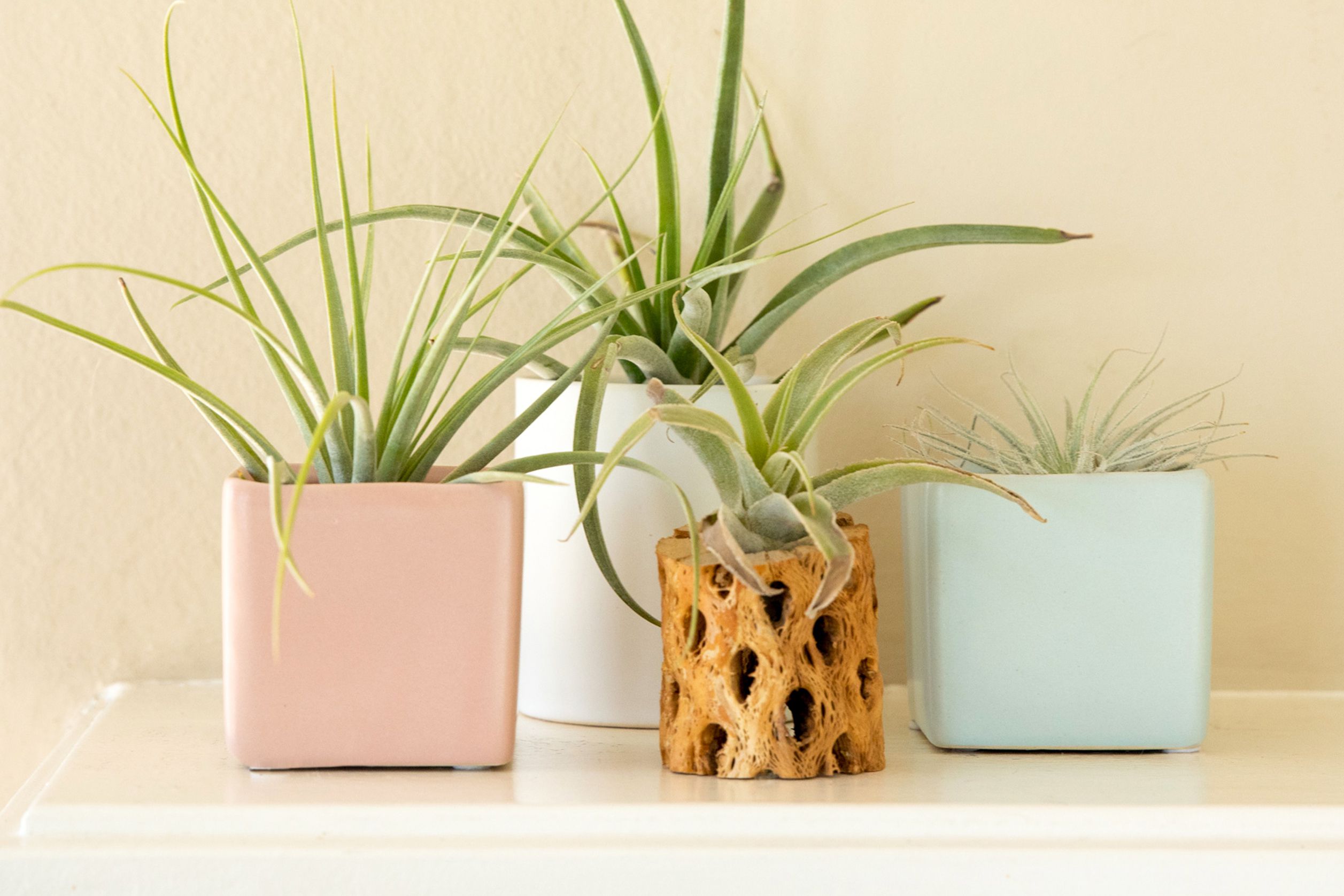
Air plants are the ultimate “low-drama” houseplantsno potting soil, no muddy spills, no mystery fungus gnat civilization forming in the corner of your living room. They just… exist. Suspended on driftwood. Perched on a rock. Sitting in a bowl like a tiny botanical sculpture that somehow stays alive.
But let’s get one thing straight: “No soil” does not mean “no care.” Air plants (mostly Tillandsia) still need water, light, and airflow. Give them those three things and they’ll reward you with curly leaves, weirdly beautiful blooms, and baby offsets (called “pups”) like they’re running a tiny plant daycare.
Meet the Soil-Free Overachievers: What Air Plants Actually Are
They’re epiphytes, not parasites
Most air plants are epiphytes, meaning they naturally grow on trees, rocks, and other surfaces for supportwithout stealing nutrients from the host. Their roots are basically plant seatbelts: they help the plant attach, not “eat.”
How they “drink” without soil: trichomes do the heavy lifting
Air plants absorb moisture and nutrients through specialized leaf structures often described as tiny scales or “leaf hairs” (trichomes). If your plant looks silvery or fuzzy, that’s not dustit’s built-in survival gear. Those trichomes help capture water from humidity and rainfall, and they can also reflect light to reduce heat stress.
Pick the Right Air Plant for Your Space (So You Don’t Accidentally Adopt a Diva)
Xeric vs. mesic: the “silver” and the “green” personalities
A useful rule of thumb: silvery-gray, fuzzier air plants often come from drier environments and tend to be more forgiving if you miss a watering. Greener, smoother-leaved types usually come from more humid habitats and want more consistent moisture. You don’t need a PhD in ecology to use this trickjust eyeballs.
Beginner-friendly choices
If you’re new to growing air plants indoors, start with common, resilient varieties like Tillandsia ionantha (small and cheerful), Tillandsia xerographica (larger and curly like a botanical firework), or even Spanish moss (Tillandsia usneoides) if you like the “haunted porch aesthetic.”
The Big Three: Light, Airflow, and Water
Light: bright, filtered, and close to a window
Most air plants thrive in bright, indirect light. Near a south, east, or west window is often idealjust don’t bake them in harsh midday sun behind glass. East and west exposures are great for steady light; south windows can be excellent in cooler months but may get too intense in summer. If your air plant is deep in a room “for decor,” it may look cute while it slowly plots its own demise.
Airflow: your plant needs to dry, not marinate
Air plants love humidity, but they hate staying wet. The goal after watering is a plant that dries out relatively quickly. Good air circulation helps prevent rot and leaf disease. If water sits in the center (“crown”) too long, you’re basically hosting a rot partyand nobody wants to be invited to that.
Watering methods: soaking, rinsing, and misting (the honest breakdown)
There are three popular ways to water air plants. Which one works best depends on your home’s humidity, the species, and how consistent you are.
- Soaking: A classic approach is soaking your air plant in room-temperature water roughly weekly for about 20–30 minutes (some growers go longer). After soaking, gently shake out excess water and set the plant upside down or tilted so water drains out of the base.
- Rinsing: Rinsing under lukewarm water a couple times per week can be simple and effectiveespecially if you don’t want to drag out a bowl every time.
- Misting: Misting can work, but it’s easy to under-water with a quick spritz. If you mist, do it thoroughly (to runoff) and make sure the plant still dries out. In very dry homes, misting alone can be like handing someone a thimble of water and calling it hydration.
How to tell if you’re watering correctly
Air plants give pretty clear signals. Curled or rolled leaves often mean dehydration. Dull color and crispy brown tips can also point to underwatering (or water quality issues). On the flip side, mushy bases, blackening near the crown, and leaves that pull out too easily are classic signs of rot from staying wet too long.
Water quality: make it easy on the trichomes
Many extension resources recommend using room-temperature water and letting tap water sit overnight to dissipate chlorine, which can contribute to brown leaf tips. If your water is extremely hard or heavily treated, consider filtered water or collected rainwater. Whatever you use, the big win is consistency plus proper drying.
A Simple, Realistic Care Schedule (No Spreadsheet Required)
Weekly
- Soak most indoor air plants about once a week for ~20–30 minutes, then shake and drain upside down.
- If your home is cool/dim or humidity is decent, you may stretch to every 2 weeks.
- If your home is dry (winter heat, strong AC), you may need more frequent watering or supplemental misting/rinsing.
Monthly
- Fertilize lightly (details below). Think “snack,” not “buffet.”
- Check the plant’s base and leaf axils for trapped water after wateringespecially for bulbous or cupped species.
Seasonally
- In brighter, warmer months, plants often use water faster. In cooler/darker months, reduce frequency.
- If you move plants outdoors, keep them in bright shade and protect from hot afternoon sun and cold nights.
Feeding Air Plants: Fertilizer Without the Drama
Air plants can survive without fertilizer, but they typically grow more vigorously with light feeding. Multiple extension sources suggest monthly fertilizing using a diluted liquid fertilizeroften a bromeliad-specific formula or a balanced, water-soluble houseplant fertilizer at quarter strength (sometimes half strength, depending on guidance and frequency).
The safest approach: add diluted fertilizer to your soak water once a month or every third/fourth watering. Keep it gentle. Over-fertilizing can stress plants and leave mineral residue on leaves (which is the botanical equivalent of “my pores are clogged and I’m furious”).
Mounting and Display Ideas That Won’t Quietly Murder Your Plant
Best surfaces: dry fast, drain well
Air plants can be displayed on cork, bark, driftwood, rocks, shells, or set on dry pebbles in a shallow dish. The golden rule: avoid materials or setups that hold water against the plant. If it stays damp, rot isn’t a possibilityit’s a calendar event.
Glass globes and terrariums: open is okay; sealed is sketchy
Open glass displays can look great, but closed terrariums often trap moisture and reduce airflow. If you use glass, treat it like a display stand, not a sealed ecosystem. Water your plant outside the container, let it dry thoroughly, then put it back like the art piece it believes it is.
Mounting methods: glue, wire, and common sense
You can attach air plants to mounts with wire, fishing line, or adhesive (including hot glue applied carefully once slightly cooled). Whatever method you choose, make sure the plant can be removed or at least positioned so it can be watered and fully dried afterward.
Blooms and Pups: The Life Cycle That Confuses Everyone the First Time
Yes, the mother plant dies after flowering (but it’s not a tragedy)
Many Tillandsia are monocarpic: they bloom once, then gradually decline. Before the mother plant is done, it typically produces offsets (“pups”) at the base. This is not your plant giving upthis is your plant leaving a legacy.
When to separate pups
You can leave pups attached to form a clump, or separate them once they reach about one-third the size of the mother plant. Separation is usually a gentle twist-and-pull situationno need for dramatic tools or a plant exorcism.
How to encourage blooming
Consistent bright, indirect light, proper watering, good airflow, and light fertilizing can improve your odds of blooms. Some species bloom more readily than others, and indoor blooming can be sporadic. Patience is part of the dealair plants do not respond well to being yelled at.
Common Problems (and the Fixes That Actually Work)
Problem: Leaves curling like they’re trying to roll themselves into a burrito
Usually dehydration. Increase soak frequency slightly, or supplement with thorough rinsing/misting between soaks. Also check light and temperaturehotter, brighter conditions can increase water needs.
Problem: Brown leaf tips
This can be underwatering, mineral buildup, or chlorine exposure. Try letting tap water sit overnight, switching to filtered water, or giving the plant an occasional longer soakthen draining and drying properly.
Problem: Rot (mushy base, dark center, leaves falling out)
Rot is typically caused by water trapped in the crown or poor airflow. Shorten soaking time, increase drying time, and make sure your plant dries within a few hours after watering. For cupped or bulbous species, shake extra well and avoid leaving them upright while wet.
Problem: “It looks fine… but it’s not growing”
Air plants are not speed runners. Slow growth is normal, especially in low light. Move the plant closer to bright indirect light, improve watering consistency, and consider monthly diluted fertilizer.
Can You Grow Air Plants Outdoors in the U.S.?
In many parts of the U.S., air plants can spend warm months outside as long as they’re protected from harsh direct sun and cold temperatures. In colder climates, you can move them outdoors after frost danger passes and bring them back in before nights drop below freezing. Outdoors, bright shade under trees or a covered patio often works well.
If you live in a mild climate, some Tillandsia species can grow outdoors longer-termbut choose species suited to your region and avoid wild collecting. In places like Florida, native bromeliads face pressure from collection and pests, so buy responsibly grown plants.
Responsible Air-Plant Ownership: Don’t Poach the Wild Ones
Air plants are popular, and that popularity can cause real harm when people harvest them from the wild. Some extension guidance specifically warns against taking air plants from natural areas; collecting from state or federal parks without a permit can be illegal. The easiest ethical rule: if you didn’t buy it from a reputable seller, don’t take it.
Conclusion: Your Air Plant Success Recipe
If you remember nothing else, remember this: water thoroughly, dry quickly, light brightly (but indirectly). Air plants don’t need soil, but they do need a routine. Once you get the rhythm, they’re some of the most forgiving, conversation-starting plants you can growlike a tiny green pet that doesn’t require walks or emotional validation.
Grower Experiences: Lessons People Learn the Hard Way (So You Don’t Have To)
Air plants have a funny way of teaching confidence and humility in the same week. New growers often start out wildly optimistic“No soil? Amazing. I can’t mess this up!”and then discover the first air-plant paradox: the easiest plant to display is sometimes the easiest plant to accidentally dehydrate. People love placing air plants on a coffee table or a shelf across the room because it looks stylish. Then, two weeks later, the plant looks like a crispy spider and everyone acts shocked, as if the laws of photosynthesis just changed overnight.
Another common experience is the “misting misunderstanding.” Many folks begin with a quick spritz once a week, the way you’d freshen a shirt with a wrinkle-release spray. The plant might survive for a while, especially if it’s a silvery xeric type, but greener types often start curling and dulling. Growers eventually realize misting works only when it’s thorough and frequent enoughand even then, it’s usually easier to do a proper soak or rinse. The upgrade moment is when someone says, “Okay, fine, you’re getting a bath,” and suddenly the plant perks up like it just got eight hours of sleep.
Then there’s the great “glass globe phase.” Air plants in glass look incredible in photos, so people do what humans do best: copy the photo. The real-world version often goes like this: the plant gets watered, goes back into the globe while still damp, and airflow drops to basically zero. A week later, the base is soft and suspicious. Many growers report that their best results come from using glass as an open display, not a sealed habitatwatering the plant outside the container, letting it dry fully, then returning it once it’s no longer dripping like it just ran a marathon.
Water quality surprises a lot of people, too. Some tap water is totally fine, but in homes with heavily treated or very hard water, growers often notice brown tips that don’t improve until they switch to letting water sit overnight, using filtered water, or alternating with collected rainwater. The “aha” moment is realizing air plants absorb through leavesso whatever’s in the water is literally touching the plant’s main intake system. It’s like making soup with salty ocean water and blaming the pot for the flavor.
One of the most encouraging experiences is the first time a plant produces pups. People panic at first when the mother plant looks a bit tired after blooming“Did I kill it?”and then notice tiny offsets forming at the base. That’s when air plants stop being a decoration and start feeling like a tiny living cycle you’re participating in. Some growers keep pups attached because they love the clustered look; others separate them when they’re bigger and start gifting them like botanical party favors. Either way, pups are the air plant’s way of saying, “Relax. I’ve got a plan.”
Over time, growers develop a personal routine that’s less about rigid rules and more about reading the plant. They learn that a bright bathroom can be fantastic if there’s airflow; that winter heating can dry plants fast; that a fan nearby after watering can be a lifesaver; and that “soak, shake, dry” is the simplest mantra for long-term success. The best part? Once you’ve kept a few alive for a year, you start recognizing the vibe: the thirsty curl, the happy plump leaves, the “please move me closer to the window” sulk. And suddenly you’re the person casually saying, “Oh, those? They don’t need soil,” like it’s the most normal thing in the world.