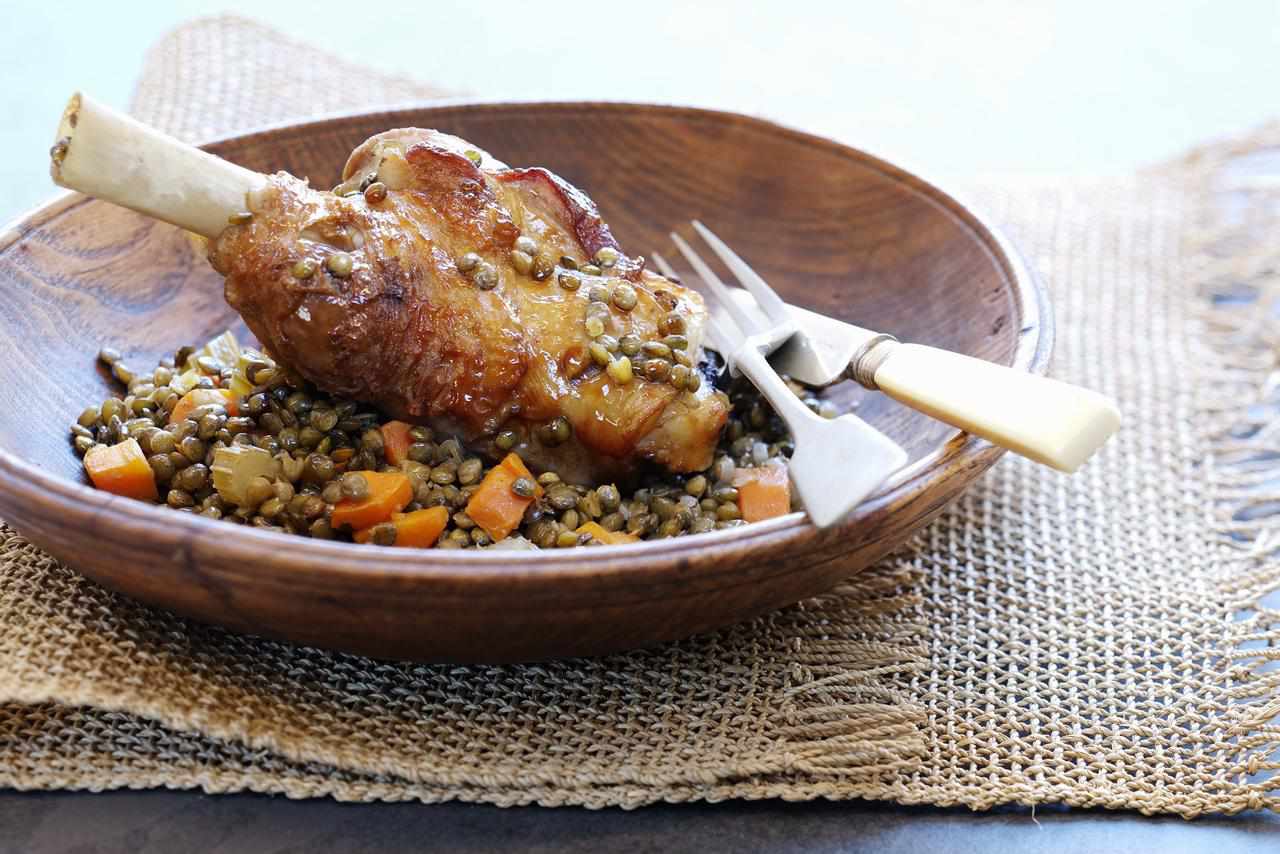
You’re standing at the meat counter, staring at a package that looks like a tiny medieval club with a bone handle, and you think: “Is this a lamb shank… or am I about to accidentally buy something that belongs in a totally different recipe?” Good news: once you know what to look for, lamb shank is actually one of the easiest cuts to spot.
In this guide, you’ll learn exactly how to identify lamb shank by shape, label, bone structure, fat pattern, and freshness signsplus how to avoid common mix-ups at the store. We’ll also cover the difference between foreshank and hind shank, what “moist heat” clues tell you, and how to buy the right piece for braising. (Because lamb shank is glorious when cooked properly, and heartbreakingly chewy when it’s not.)
What Is a Lamb Shank, Exactly?
A lamb shank is the lower leg section of the lamb. It can come from the front leg (foreshank) or the back leg (hind shank). This is a hardworking muscle, so it contains a lot of connective tissue and collagen. That’s why it’s not a “quick grill and done” cutit shines when cooked low and slow, usually by braising.
In plain English: lamb shank is the cut that looks tough in the package, then turns into fork-tender magic after a long simmer. If you’re shopping for a roast-worthy, dramatic, bone-in braise, this is your cut.
Why the Cut Matters for Identification
Knowing how it cooks helps you identify it. Retail meat identification guides often classify lamb shank under a “moist” cookery method, which is your clue that you’re looking at a collagen-rich cut rather than a tender steak or chop. So if the package or store signage suggests braising, stew, or moist heat, that’s a strong signal you’re in lamb shank territory.
Quick Visual Checklist: How to Spot Lamb Shank Fast
If you only remember one section from this article, make it this one. At the meat case, use this quick checklist:
- Shape: Long, tapered lower-leg cut (often club-shaped).
- Bone: Prominent central bone, often extending from one end.
- Size: Smaller than beef shank; usually sold individually or in pairs.
- Meat texture: Dense muscle with visible connective tissue/sinew.
- Fat level: Usually modest external fat compared with shoulder cuts.
- Label clues: “Lamb Shank,” “Foreshank,” “Hind Shank,” or sometimes “shank” under lamb.
- Cooking clues: Braise, stew, slow roast, or moist heat instructions.
If the cut looks like it belongs in a cozy winter braise and could double as a caveman microphone, you’re probably looking at a lamb shank.
Look at the Label First (It’s the Fastest, Smartest Move)
Before you play meat detective with your eyeballs, read the package label. In the U.S., standardized retail labeling conventions help consumers identify the species and cut more consistently. A meat label commonly tells you the kind of meat first (such as lamb), then the cut/primal information, and then the retail cut name.
Label Terms That Usually Mean Lamb Shank
- Lamb Shank
- Lamb Foreshank
- Lamb Hind Shank
- Lamb Shank (bone-in)
- Lamb shank for braising (store-specific wording)
Some stores keep the wording simple and use just “Lamb Shank.” Others may use more detailed names based on retail meat identity standards. If you see “lamb” + “shank,” you’re donecase closed.
Other Helpful Package Clues
- Net weight: Lamb shanks are often sold as random-weight packages.
- Handling statement: You may see “Keep Refrigerated” or “Keep Frozen.”
- Safe handling instructions: Raw lamb packages commonly include a safe-handling panel.
- Inspection legend/plant info: Standard package information that indicates regulated labeling.
These details don’t identify the cut by themselves, but they help you confirm you’re looking at a properly labeled raw meat product and not a marinated mystery packet with a vague name like “Chef’s Special.”
How Lamb Shank Looks in the Package
Lamb shank has a very distinctive appearance once you know what to look for. It usually looks like a short lower leg segment with a thicker meaty end and a narrower end where the bone may protrude. The meat is wrapped around the bone, not spread flat like a steak.
Whole Shank vs. Cross-Cut Pieces
Most grocery stores sell lamb shank as a whole shank piece (one bone running through the cut). Some butchers may also sell shank in cross-cut pieces for braising-style preparations. In cross-cut form, the cut appears as thick rounds with a bone in the center rather than a long tapered piece.
If you’re unsure, ask the butcher whether it’s a whole shank or cross-cut shank. Both are still lamb shankjust prepped differently for different cooking styles.
Foreshank vs. Hind Shank
Both come from the lower leg, but they may differ in shape and meat yield. In general, hind shanks can be a bit meatier and more uniform, while foreshanks may look slightly smaller or differently tapered. For everyday home cooking, both are excellent for braising, so don’t overthink it unless your recipe specifies one.
Texture and Fat Clues That Help You Identify Lamb Shank
Lamb shank is not a heavily marbled steak cut. It’s leaner on the surface than some lamb shoulder pieces, but it has plenty of connective tissue, membranes, and collagen. That connective tissue is the whole pointit melts during slow cooking and creates rich texture and body in the sauce.
Here’s what to expect:
- Visible connective tissue/sinew: Normal and expected.
- Thin fat layer: Often present, but not usually a thick cap like some roasts.
- Dense muscle structure: It looks “tight” and hardworking, not delicate.
- Bone presence: A defining feature in most retail lamb shank cuts.
If the cut looks ultra-lean, boneless, and uniform like a mini roast, it may be from the legnot the shank. If it looks like a bone-in lower leg with serious braising potential, you’re on the right track.
Freshness Signs: Don’t Judge Lamb Shank by Color Alone
Color mattersbut not in the simplistic “bright red = good, darker = bad” way people often assume. Meat color can change depending on oxygen exposure and packaging style. Vacuum-packaged meat, for example, may look darker or more purplish until it’s exposed to air and blooms.
What to Check Instead of Relying on Color Only
- Packaging integrity: No leaks, tears, or excessive trapped air.
- Liquid in package: A little purge can be normal; excessive liquid is less ideal.
- Surface condition: Avoid cuts that look dried out, slimy, or mishandled.
- Odor: If buying from a butcher case, fresh lamb should not smell sour or “off.”
- Date and storage: Check sell-by/use-by dates and whether the package was kept properly chilled.
Bottom line: color is one clue, not the whole story. A properly stored lamb shank in good packaging beats a “pretty” package with poor handling every time.
How Not to Confuse Lamb Shank with Other Lamb Cuts
This is where most shoppers get tripped up. Here’s how lamb shank differs from common lookalikes:
Lamb Shank vs. Lamb Leg Roast
- Shank: Lower leg, tougher, bone-forward, best for braising.
- Leg roast: Larger, meatier roast cut, often more uniform, used for roasting.
Lamb Shank vs. Lamb Shoulder
- Shank: Narrow/tapered lower leg appearance with a prominent long bone.
- Shoulder: More irregular, broader, fattier, and often sold as chops or roast portions.
Lamb Shank vs. Chops
- Shank: One big lower-leg section, lots of connective tissue.
- Chops: Small individual portions, more tender, quick-cooking.
Lamb Shank vs. Beef Shank
- Lamb shank: Smaller, more delicate size, milder lamb-specific labeling.
- Beef shank: Larger, heavier, often thicker cross-cut rounds.
When in doubt, trust the species name on the label first and the shape second. Guessing by size alone can lead to accidental beef shank, and that changes cook time and portion planning.
Butcher Counter Questions That Instantly Solve the Problem
If you’re buying from a butcher counter (or the packaging is vague), use one of these questions:
- “Is this lamb shank, and is it from the front or hind leg?”
- “Is this a whole shank or cross-cut shank?”
- “Is this best for braising?”
- “About how much meat yield should I expect per shank?”
- “Can you trim or tie it for braising?”
A good butcher will answer in 10 seconds and probably give you a cooking tip you’ll pretend you already knew. Accept this gift.
How Cooking Method Helps Confirm You Bought the Right Cut
One final confirmation trick: check the recommended cooking method. Lamb shank is a classic moist-heat cut. If recipes or store notes suggest braising, stewing, or slow roasting until fork-tender, that lines up with shank. If the package suggests quick searing like a chop, you may be holding the wrong cut.
Safe Cooking Basics (Quick Reminder)
For food safety, use a thermometer rather than guesswork. U.S. food safety guidance lists lamb steaks, chops, and roasts at a safe minimum internal temperature of 145°F (63°C) with a 3-minute rest, and ground lamb at 160°F (71°C). Since shanks are usually braised well beyond that point for tenderness, texturenot just temperaturebecomes your practical doneness cue.
Translation: it’s safe before it’s tender. Keep cooking until the connective tissue melts and the meat relaxes.
Storage Tips After You Buy Lamb Shank
If you’ve correctly identified your lamb shank and brought it home, store it safely. General U.S. cold-storage guidance for fresh lamb (grouped with fresh beef, veal, and pork steaks/chops/roasts) typically recommends short refrigerator storage windows and longer freezer storage for quality. If you won’t cook it soon, freezing is your friend.
Keep it cold, keep it wrapped, and label the date. Future-you will be very grateful when “mystery freezer package” turns out to be clearly marked “LAMB SHANKBRAISE ME.”
Common Mistakes When Identifying Lamb Shank
- Buying by recipe photo only. Real retail cuts vary in trim and shape.
- Ignoring the label. The label is usually the easiest answer.
- Assuming darker color means spoilage. Packaging and oxygen exposure affect appearance.
- Confusing shank with leg roast pieces. Shank has that lower-leg shape and prominent bone.
- Expecting a tender “steak” cut. Shank is a braising cutembrace the long cook.
Final Takeaway: The 10-Second Lamb Shank ID Test
Here’s the easiest way to identify lamb shank in real life: Read the label for “lamb” + “shank,” then confirm the cut looks like a bone-in lower leg with a tapered shape and lots of braising potential.
If it checks those boxes, congratulationsyou’ve found one of the most flavorful cuts in the meat case. Now go braise it like you meant to buy it all along.
Real-World Experiences Identifying Lamb Shank (Practical Shopping Stories)
The first time I tried to buy lamb shank, I made the classic beginner mistake: I walked into the store with a recipe screenshot and a dangerous amount of confidence. I spotted something bone-in, vaguely lamb-shaped, and tossed it into my cart like I had just won a reality cooking show. At home, I realized I’d bought lamb shoulder chops. Delicious? Yes. Lamb shank? Absolutely not. The lesson was immediate: shape alone can trick you, especially when cuts are packed tightly and labels are tiny. Since then, I always start with the label first, then use the visual cues as confirmation.
Another time, I found lamb shanks in vacuum packaging that looked darker than I expectedmore deep red-purple than “pretty butcher counter red.” My first instinct was to put them back. But the package was tight, cold, and clean, with no leaks, and the date was fine. After opening them at home and letting them sit briefly, the color changed as they bloomed. That experience taught me not to panic over color alone. Packaging style changes appearance, and a smart check of storage, package integrity, and odor is much more useful than making snap decisions based on color.
I also learned a lot by simply asking the butcher better questions. Instead of saying, “Is this good?” (which is how you end up in a five-minute conversation about someone’s cousin’s Easter recipe), I started asking: “Is this lamb shank, and is it whole or cross-cut?” The answers were fast, specific, and incredibly helpful. One butcher showed me the difference between a whole shank and a cross-cut braising piece in under a minute. Once you see both side by side, identification becomes much easier. It’s one of those kitchen skills that feels fancy but is actually just pattern recognition plus label reading.
The most useful experience, though, came from a failed cooking attempt. I once bought a beautiful lamb shank, identified it correctly, browned it nicely, and then rushed the cooking time because I was hungry. Technically, the meat was cooked. Practically, it chewed like a gym membership. That moment cemented the final piece of lamb shank identification in my brain: if a cut looks like a hardworking lower leg, it needs a hardworking cooking method. Now I treat identification and cooking as a pairspot the shank, then commit to braising. It has saved me money, improved results, and dramatically reduced my chances of serving “rustic” meat that requires a backup jaw.
If you’re new to lamb, don’t stress. The first trip can feel like a pop quiz you didn’t study for. But after you identify lamb shank once or twice using label + shape + bone + braising cues, it becomes easy. And honestly, there’s something satisfying about walking past the meat case, spotting the shanks instantly, and feeling like you’ve unlocked a secret level of grocery shopping. It’s the kind of kitchen confidence that starts small and pays off every time you cook.