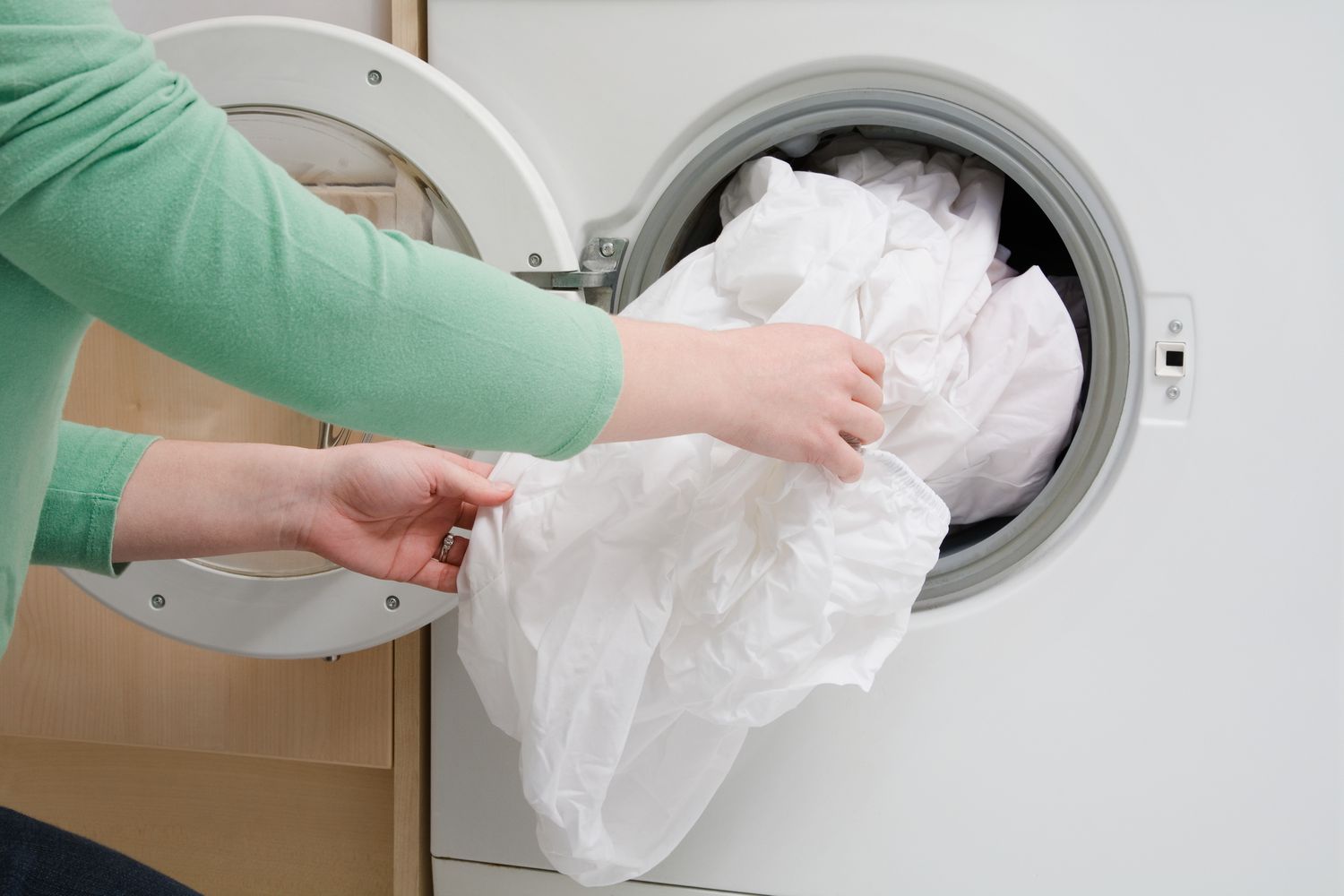
If you’ve ever pulled what looks like a giant, damp fabric burrito out of the dryer, you’re not alone. Sheets balling up in the dryer is one of the most common laundry complaints. The outside feels hot and crispy, the inside is a soggy mess, and suddenly you’re running the dryer again (and again) just to finish one load. It wastes time, energy, and frankly, your patience.
The good news: you don’t need a fancy new washer or some secret celebrity hack. Laundry experts say a few small tweaks to how you wash and dry your sheets can stop them from tangling, twisting, and forming that dreaded sheet sausage. Below, we’ll walk through exactly why sheets ball up in the dryer and the six expert-backed tips that actually work to keep your bed linens drying evenly.
Why Do Sheets Ball Up in the Dryer?
Before we fix the problem, it helps to know what’s really going on inside that dryer drum. When you toss a set of sheets in, you’re dealing with:
- Large, flat pieces of fabric: Sheets are basically giant rectangles. As the drum spins, those big surfaces wrap around themselves and everything else.
- Static and friction: Heat and motion create static electricity, which makes fabric cling. Once sheets cling together, they trap moisture in the middle.
- Imbalance in load size: When sheets are mixed with small items (like T-shirts and socks), those pieces get trapped in the “sheet ball,” making the bundle even heavier and harder to dry.
All of this adds up to the same frustrating result: a tight ball of fabric with wet pockets in the center. Luckily, a few smart dryer habits can break that pattern and help your sheets dry flat, soft, and evenly.
6 Expert Tips to Keep Sheets From Balling Up in the Dryer
1. Don’t Overload the Washer or Dryer
The first step to keeping sheets from balling up in the dryer actually starts in the washer. Overloading either machine sets you up for twisted, wrinkled, and tangled bedding.
When the drum is packed full, there isn’t enough space for water and air to circulate. That means sheets twist around themselves and around other items, forming tight ropes of fabric that stay that way in the dryer. Laundry pros generally recommend washing no more than one full sheet set per loadespecially if you have a smaller-capacity machine.
Try this:
- Wash one fitted sheet, one flat sheet, and pillowcases together as a single load.
- If you have a king-size or extra-thick sheets, consider washing the flat and fitted sheets separately for better movement.
More space = more movement = fewer chances for your sheets to ball up later.
2. Shake Out Sheets Before You Put Them in the Dryer
Yes, it adds about 45 seconds to your laundry routinebut that quick shake can make a big difference. When the spin cycle finishes, sheets are usually twisted into ropes or wrapped around other items. If you just scoop them up and toss them in the dryer, they’ll start tumbling already half-tangled.
Instead, pull each sheet out of the washer one at a time, untwist it, and give it a good snap or shake to unfold the fabric. Smooth out the worst of the wrinkles and then place it loosely in the dryer drum.
This simple step helps your sheets start the drying cycle “flat,” which makes it much harder for them to wrap around themselves into a tight ball.
3. Dry Sheets Separately From Heavy or Small Items
We all love a good “everything in one load” moment, but mixing sheets with jeans, towels, or a pile of small clothes is a recipe for a laundry knot.
Here’s what usually happens:
- The sheet starts to tumble,
- Smaller items get pulled into the center,
- The sheet wraps around them, forming a ball,
- Moisture gets trapped inside that ball, so the center stays damp.
To keep sheets from balling up in the dryer, treat them like their own VIP guests:
- Dry sheets on their own or only with similar large items (like duvet covers).
- Avoid adding heavy pieces like towels and jeans in the same load.
- If you absolutely must combine loads, keep the total number of items small so the drum isn’t crowded.
Think of it as giving your sheets their own lane on the fabric highwaymuch less traffic, much less tangling.
4. Use Dryer Balls to Keep Sheets Moving
Laundry experts love dryer balls for a reason. Wool or rubber dryer balls help break up clumps of fabric and keep air circulating, which is exactly what you want when you’re trying to stop sheets from tangling.
As the drum spins, the balls bounce around and gently punch your sheets apart, preventing them from clinging together. Dryer balls also help reduce static and can slightly speed up drying time by improving airflow.
How to use them:
- For a full set of sheets, use 3–6 dryer balls.
- Toss them into the dryer at the start of the cycle.
- If you like fragrance, you can add a couple drops of essential oil to wool balls (let them dry before tossing them in).
No dryer balls? In a pinch, some people use clean tennis balls, but they’re louder and not as gentle. Still, if you’re desperate to stop sheets from balling up in the dryer, it’s better than nothing.
5. Choose the Right Heat and Time Settings
When it comes to drying sheets, “hotter and faster” is not always better. High heat can cause more static and more clinging, which encourages sheets to wrap around themselves.
Instead, most laundry experts recommend:
- Medium or low heat for cotton and cotton-blend sheets, and low or air-dry for delicate fabrics like bamboo or silk blends.
- Sensor dry or auto-dry settings rather than timed drying, if your dryer has them. These settings stop the cycle once the moisture level drops instead of baking the fabric for a fixed time.
- Wrinkle control or “less dry” options to help avoid over-drying, which can worsen static and tangling.
By lowering the heat and letting the dryer take a little more time, you reduce static and give your sheets more opportunity to move freely instead of gluing themselves together.
6. Pause the Cycle to Untangle Midway Through
This is the secret move many pros swear by. Even if you follow all the tips above, sometimes sheets still start to wrap and twist. A quick “intermission” halfway through the cycle can stop that ball from forming.
About 10–15 minutes into the drying cycle:
- Pause the dryer.
- Open the door and pull out each sheet.
- Shake and separate the sheets so they’re flat again.
- Toss them back in and restart the cycle.
It sounds a little fussy, but it works. That mid-cycle reset breaks up any bundle that’s starting to form, which keeps your sheets drying evenly from edge to edge.
Bonus Care Tips for Softer, Longer-Lasting Sheets
Once you’ve got the “no more sheet burritos” situation under control, you can fine-tune your routine to keep your bed linens soft, smooth, and in good shape for longer.
Choose the Right Detergent and Skip Heavy Fabric Softener
Using too much detergent or heavy fabric softener can leave residue on your sheets, making them feel stiff and more likely to cling. A small amount of a high-quality liquid or powder detergent is usually enough for a full sheet set.
If you like extra softness, try:
- Wool dryer balls (they naturally help soften fabric).
- A half cup of white vinegar in the rinse cycle to help remove residue and reduce static.
Match the Settings to the Fabric Type
Not all sheets are created equal. Cotton percale, sateen, linen, bamboo, microfibereach behaves a little differently in the washer and dryer. Check the care label and follow it as closely as possible. Many high-thread-count or specialty sheets recommend lower heat and shorter drying times.
Over-drying can make natural fibers feel rough, fade faster, and wrinkle more. That’s another reason sensor drying is a great option when your goal is to keep sheets comfortable and easy to manage.
Remove Sheets Promptly and Fold Soon After Drying
Letting sheets sit in the dryer for hours after the cycle ends doesn’t necessarily cause balling, but it does cause wrinkles. Pull sheets out while they’re still slightly warm, give them a good shake, and fold them right away. This habit keeps your sheets looking hotel-level crisp without needing an iron or steamer.
Real-Life Laundry Lessons: of Hands-On Experience
Ask anyone who’s done household laundry for a while, and they’ll have a story about a sheet disaster. Maybe they opened the dryer and found pillowcases welded into the center of a damp sheet ball. Maybe they ran three cycles and still ended up sleeping on slightly wet sheets. These experiences are annoying, but they’re also exactly how most people figure out what actually works.
One common pattern people notice is how closely sheet tangling is tied to “I tried to do too much at once.” The day usually goes like this: you strip three beds, wash everything together “to save time,” shove it all into the dryer, and then spend your evening peeling apart damp, twisted layers. After that, many of us quietly adopt the rule that one or two beds per day is plenty.
Another very real discovery: pausing the dryer mid-cycle feels like a chore the first time, but it quickly becomes one of those easy wins you almost look forward to. You open the dryer, find a half-formed ball, and feel oddly triumphant as you shake the bundle out, toss it back in, and know you just saved yourself a second drying cycle. The whole process takes less than a minute and pays off in perfectly dry sheets later.
People who’ve experimented with dryer balls are often surprised by how effective they are. At first, they seem like one of those “as seen on TV” gimmicks, but once you try them with a problematic sheet set, the difference is noticeable. Sheets come out less staticky, less wrinkled, and much less likely to be wrapped around smaller items. Over time, dryer balls usually become one of those small tools that feel essentialright up there with a good laundry basket and a sturdy drying rack.
Fabric type also shows up in real-life experience. If you switch from basic cotton sheets to a silky bamboo or microfiber set, you might suddenly notice more static and more clinging. That’s when people realize that the “keep sheets from balling up in the dryer” routine sometimes needs tweaks: lower heat, more dryer balls, and an even stronger commitment to not overloading the drum. Once you dial those in, even slippery fabrics behave much better.
There’s also the classic “learned the hard way” story about mixing sheets with everything else. Tossing socks, T-shirts, workout gear, and sheets into the same dryer load can seem efficientuntil you’re standing there pulling a week’s worth of clothes from the core of a damp sheet ball. After a few rounds of that, many people naturally start separating sheets from everyday laundry. It feels like one extra step but ends up saving time because everything dries correctly the first time.
Finally, people who’ve spent years wrangling bedding will tell you that small, boring habits matter. Shaking out sheets before drying, choosing a medium heat setting instead of high, and folding sheets soon after they’re done might not sound like life-changing strategies, but together they truly do prevent tangles, extend the life of your sheets, and make laundry day calmer. Over time, your routine becomes almost automatic: wash one set at a time, shake, add dryer balls, pause to untangle, and fold. The result is simple but satisfyingsmooth, fully dry sheets that go straight from the dryer to the bed without drama.
In the end, learning how to keep sheets from balling up in the dryer is less about one magic trick and more about a handful of smart habits. Once those habits become second nature, your laundry routine runs more smoothly, your sheets last longer, and you can retire the phrase “sheet burrito” from your vocabulary for good.
Final Thoughts
Keeping sheets from balling up in the dryer doesn’t require special equipment or a laundry degree. It’s all about creating the right conditions: enough space in the drum, flat and untwisted fabric, steady movement, and controlled heat. By washing fewer items at once, shaking out your sheets, drying them separately, using dryer balls, choosing the right settings, and pausing once to untangle, you can turn a frustrating chore into a simple, predictable routine.
The payoff is worth it: evenly dried, soft, smooth sheets that go straight from the dryer to your bedno damp pockets, no extra cycles, and no wrestling a giant fabric ball ever again.