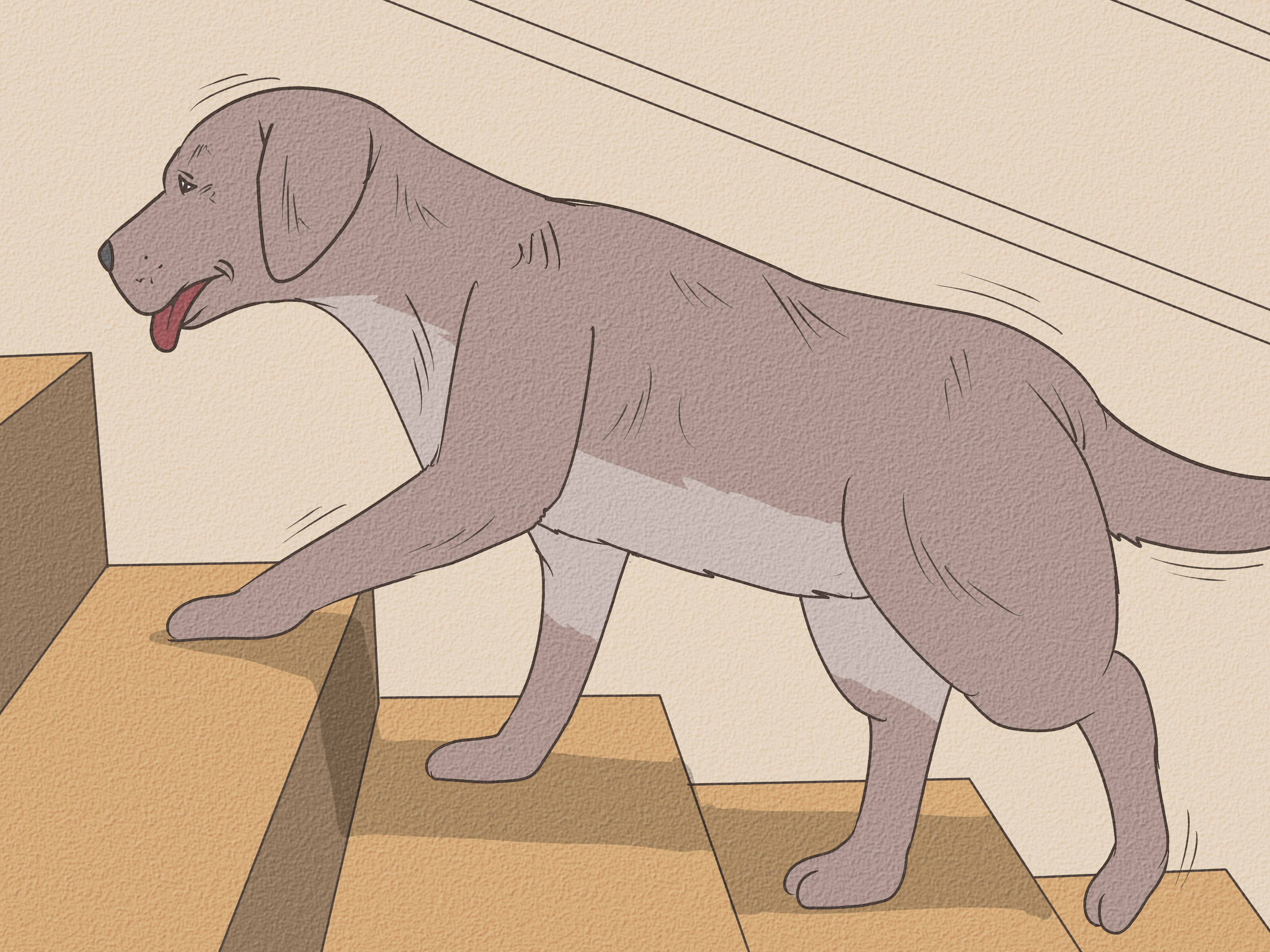
Senior dogs are basically furry philosophers: they’ve seen things, they’ve loved deeply, and they’ve perfected the art of suffering in silence.
Unfortunately, that “I’m fine” vibe can make pain hard to spotespecially when it’s chronic, subtle, and creeping in slowly.
The good news: you don’t need X-ray vision. You need patterns. Dogs broadcast discomfort through tiny changes in movement, habits, mood, and daily routines.
This guide gives you a practical, owner-friendly way to detect those signals earlybefore “slowing down” becomes “struggling.”
Important note: This article is educational and not a substitute for veterinary care. If you suspect pain, a vet visit is the fastest path to relief (and better naps for everyone).
Why pain in senior dogs is easy to miss (and why that’s not your fault)
Older dogs often show pain as “less dog, more loaf.” Instead of yelping dramatically like a daytime soap opera, many dogs simply do less:
shorter walks, fewer jumps, quieter greetings, and more time parked on the comfiest surface they can negotiate.
The tricky part is that chronic pain tends to look like normal aginguntil treatment reveals the plot twist: your dog wasn’t “just old,” they were uncomfortable.
That’s why your role as the person who knows their normal day-to-day behavior is so powerful.
Use the 11 steps below like a simple home “pain radar.” You’re not diagnosing. You’re collecting cluesthen bringing the evidence to your veterinarian like a very polite detective.
Step 1: Establish your dog’s “normal” (baseline beats guesswork)
Before you can spot change, you need a reference point. Pick 3–5 everyday behaviors and rate them once a week:
walk enthusiasm, ease of standing up, stair comfort, appetite, greeting energy.
What this looks like in real life
- “Used to follow me room-to-room; now stays put when I leave.”
- “Still eats, but takes longer and seems less excited.”
- “Gets up… eventually… with a dramatic stretch and a pause.”
Baselines help you avoid the biggest senior-dog myth: that every slowdown is “just age.” Sometimes it is. Often it’s pain.
Step 2: Watch the walk (gait changes are loud, even when dogs aren’t)
One of the clearest signs of pain in dogsespecially arthritis or orthopedic issuesis a change in how they move.
You might see limping, stiffness after rest, shorter strides, or a “warm-up” effect where they start stiff and loosen up slightly.
Quick at-home check (no equipment required)
- Observe a 30-second walk on a flat surface.
- Then observe a turn (tight turns often reveal discomfort).
- Then observe after a short rest (standing up can show stiffness).
If your senior dog is “fine” on carpet but looks like a baby deer on hardwood, that’s not clumsinessit can be pain plus instability.
Step 3: Notice the “nope list” (stairs, jumping, and getting into the car)
Pain often shows up as avoidance. Your dog isn’t being stubbornthey’re being strategic. If a movement hurts, they’ll skip it.
Classic examples include reluctance to climb stairs, jump onto furniture, or hop into the car.
Common senior-dog pain clues
- Hesitation before jumping (the pause is the giveaway).
- Needing a running start to get onto the couch.
- Refusing stairs they used to take daily.
- Asking to be liftedthen looking offended by gravity.
If your dog used to launch onto the bed like an athlete and now negotiates it like a rock-climbing expedition, pain deserves to be on the shortlist.
Step 4: Scan posture and weight-shifting (the body tries to protect itself)
Dogs reduce pain by changing posture: shifting weight off a sore limb, “lazy sitting” on one hip, tucking the tail, arching the back,
or keeping the head held lower than usual.
What to look for
- Standing “to one side” to unload a painful leg.
- Hunched back or head down while standing/walking.
- Sitting with rear legs kicked out to one side.
- Guarding behavior (protecting a body part by posture).
Posture changes can point to joint pain, back/neck pain, abdominal discomfort, or generalized soreness. You don’t have to know whichjust capture the change.
Step 5: Read the face (yes, dogs have “pain faces”)
Pain can affect facial expression: a tense mouth, “worried” look, droopy ears, squinting, glazed eyes, or a furrowed brow.
Some dogs look less bright or less engagedlike they’re physically present but mentally on airplane mode.
A simple comparison trick
Pull up a photo from 6–12 months ago where your dog looked relaxed. Compare it to a calm, resting face today.
Subtle differencesespecially around eyes and mouthcan be surprisingly informative.
Bonus clue: If your dog suddenly dislikes face touching, tooth brushing, or head collars, consider dental pain, neck pain, or ear discomfort.
Step 6: Track breathing and restlessness (pain can steal comfort)
When a dog can’t get comfortable, you’ll often see pacing, repeated getting up and lying down, whining, panting at rest,
trembling, or a general vibe of “I would like to unzip my body and step out of it.”
What’s normal vs. suspicious
- Normal: panting after exercise or excitement, then settling.
- Concerning: panting at rest in a cool room, repeated position changes, shaking/trembling without an obvious trigger.
Important: panting can also be stress, heat, heart/lung disease, or other medical issues. But when it’s new or paired with mobility changes, pain becomes likely.
Step 7: Watch appetite, drinking, and “food mood” (pain changes priorities)
Many dogs in discomfort eat less, eat slower, or act weirdly picky. Some will still eat (because food is life),
but you’ll notice a reduced “let’s GO!” energy at mealtimes.
Examples that matter
- Walking away mid-meal.
- Dropping kibble, chewing on one side, or avoiding crunchy food (possible dental pain).
- Drinking lessor drinking more due to unrelated conditions (either way: worth noting).
Sudden appetite loss is always a reason to contact your vet, pain or not. The cause matters, and older dogs deserve fast answers.
Step 8: Check grooming and coat changes (pain can make hygiene feel impossible)
Pain often reduces self-care. Dogs may stop grooming certain areas, develop mats, look “unkempt,” or show dandruff.
Others do the oppositeexcessively licking or chewing one spot (a classic “it hurts here” message).
Two different clues, same problem
- Less grooming: “I can’t bend/turn comfortably anymore.”
- More licking: “This spot bothers me and I’m trying to fix it with my tongue.”
If licking becomes intense or obsessiveespecially at paws, joints, or a surgical sitetalk to your vet. It can signal pain, skin disease, allergies, or anxiety.
Step 9: Notice mood, sociability, and touch tolerance (personality shifts are data)
A previously friendly dog who becomes withdrawn, grumpy, clingy, or reactive may be communicating discomfort.
Pain can lower patience. Think of it as having a bad headache: you can still love your family… but you’d prefer nobody breathe near you.
Behavior changes that can signal pain
- Stops greeting you at the door.
- Hides, avoids interaction, or seems “checked out.”
- Growls/snaps when touched in a certain area (especially new behavior).
- Reluctant to be brushed, picked up, or handled.
New irritability is not “being mean.” It’s often self-protection.
Step 10: Look at bathroom habits (pain can show up in surprising places)
Older dogs in pain may struggle to posture for urination/defecation, may take longer to squat, or may move while going.
Some develop accidents, not out of spite, but because it hurts to get up or hold a position.
Clues to note
- Difficulty squatting or “half-squats.”
- Stiffness right before/after elimination.
- Accidents that are new (especially in a previously house-trained dog).
Bathroom changes can also indicate urinary tract disease, neurological issues, or other medical problemsso this is a “call the vet” category, not a “wait and see.”
Step 11: Document, score, and bring receipts (your vet will love you)
Veterinarians assess pain using a mix of history, behavior, observation, palpation, and pain scales. But the most valuable information often comes from home:
what changed, when it changed, and how it affects daily life.
Your 7-day “Pain Clue Diary”
Once a day for a week, jot down quick notes (or use a notes app):
| Category | What to record | Example |
|---|---|---|
| Movement | Stiffness, limping, stairs, jumping | “Hesitated at stairs; slipped once on tile.” |
| Comfort | Pacing, restlessness, panting at rest | “Up/down 6 times before settling.” |
| Appetite | Interest in food, chewing, speed | “Ate half; dropped kibble; chose soft treats.” |
| Mood | Social behavior, irritability, clinginess | “Avoided petting near hips; moved away.” |
| Self-care | Licking/chewing, grooming, coat changes | “Licked right knee repeatedly.” |
Pro tip: video is worth a thousand words
Take short videos of the walk, stairs, and rising from rest. Many vets find that “home footage” reveals pain behaviors that don’t show up in the exam room.
Use a simple pain scale mindset
Pain scales often focus on behavior, responsiveness, and reactions to touch. You don’t need to score like a professionaljust notice trends:
“more stiff,” “more restless,” “less interactive,” “more protective of a limb.”
When to call the vet fast (don’t wait on these)
- Sudden inability to stand, walk, or use a limb
- Labored breathing, collapse, or extreme weakness
- Bloated or painfully distended abdomen
- Crying out repeatedly, especially when trying to move
- Refusing all food/water for a day (or any rapid decline in a senior dog)
- Straining to urinate or not urinating
If something feels urgently “off,” trust that instinct and contact an emergency vet. Seniors can decompensate faster, and early care can be lifesaving.
What not to do (a loving reminder from your dog’s liver)
Please don’t give human pain medications unless your veterinarian specifically instructs you to.
Several common over-the-counter drugs can be dangerous for dogs, even at doses that seem “small.”
The safest move is simple: document the signs, call your vet, and ask about appropriate pain relief and next steps.
Conclusion: your job isn’t to diagnoseit’s to notice
If you remember one thing, make it this: pain often looks like change. Less movement. Less joy in normal activities. Less tolerance for touch.
More restlessness. More licking. More “I’m not doing that anymore.”
The earlier you identify discomfort, the sooner your veterinarian can build a plan to improve quality of lifewhether the cause is arthritis,
dental disease, back pain, or something else. And yes, a comfortable senior dog can still be silly, playful, and gloriously snack-motivated.
500-word experiences section
Experiences pet owners commonly report (composite stories that may feel familiar)
The stories below are composite examples based on patterns many owners describe to veterinary teams. If you’re reading this and thinking,
“Wait… that’s my dog,” you’re not aloneand you’re not overreacting.
1) “He’s just getting older… right?” (The slow fade)
A family notices their 11-year-old Lab still loves walks, but the route gets shorter every month. At first it’s subtle: the dog lags behind
and stops to “sniff,” but the sniffing looks suspiciously like a rest break. Then the couch jump becomes a two-step process: front paws up,
pause, deep breath, then the rear end follows like it’s hauling a suitcase. Nobody panics because nothing is dramatic.
The turning point is usually something tiny: the dog hesitates at the porch step, or slips on the kitchen floor and looks embarrassed.
When the vet asks, “How long has this been going on?” the answer is often, “Uh… a while.” After pain is treated, owners frequently say,
“I didn’t realize how much he’d stopped doing until he started again.” That’s the chronic pain trap: it normalizes itself.
2) The “mystery grump” (Touch intolerance that’s actually pain)
Another common experience: a sweet senior dog begins to growl when brushed, especially near the hips or lower back.
The family worries it’s behavioral. But the pattern is consistenthandling certain areas triggers the reaction.
Sometimes the dog also avoids being picked up or stiffens when touched, like their body is bracing for discomfort.
Owners often describe it as a personality change: “He’s acting out of character.” That phrase is a giant neon sign that pain should be considered.
Dogs don’t wake up and choose chaos for fun. They protect what hurts. Once pain is addressed, many dogs become more affectionate again
not because they “learned manners,” but because being touched no longer feels like a threat.
3) The nighttime pacing saga (When comfort disappears)
Some seniors struggle most at night. Owners report a dog who used to sleep like a rock now pacing, changing spots, panting,
or repeatedly getting up and lying down as if the bed is made of LEGO bricks. The house is quiet. The room is cool.
There’s no obvious triggerjust a dog who can’t settle.
Night restlessness can be linked to pain (especially joint or spine discomfort), but it can also overlap with anxiety or medical conditions.
That’s why a short “sleep log” helps: note bed changes, panting at rest, trembling, and whether movement is stiff when rising.
Bringing that log to the vet speeds up the conversation dramatically and helps the team tailor solutionssometimes through pain control,
sometimes through a broader senior-health workup, often through both.
4) The bathroom clue nobody expected
Owners are often shocked that pain can affect potty habits. But squatting, posturing, and balance all require comfort and stability.
A dog with hip or back pain may avoid full squats, take longer, or “walk it out” while trying to go.
Sometimes accidents happen because getting up quickly hurtsso the dog waits too long.
When families notice this and seek help early, outcomes are better. Whether the root cause is joint pain, urinary disease, or neurological change,
the key is recognizing: new bathroom behavior in a senior dog is a medical signal, not a moral failing.
If any of these sound familiar, that doesn’t mean your dog is doomedit means you have actionable information.
Your awareness is the first step toward relief, and comfort is one of the greatest gifts you can give a senior dog.