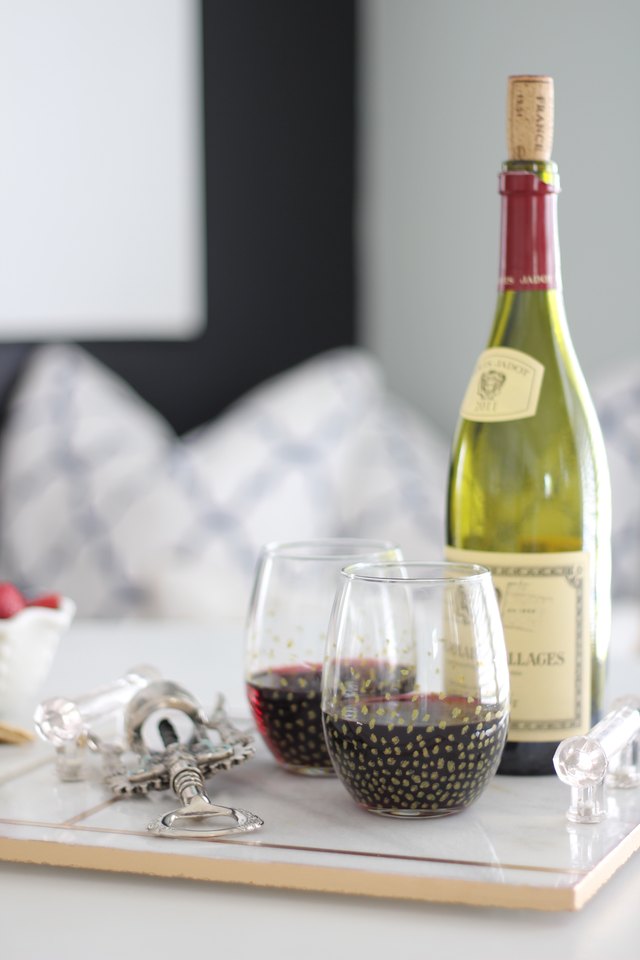
Want your coffee table to look like it has a publicist? A marble serving tray does that. It’s the kind of home accessory that whispers, “Yes, I decant my hand soap,” even if you absolutely do not.
The best part: you can DIY one in an afternoon using an inexpensive marble tile (or a marble board) and a couple of handles. Below is a practical, step-by-step guide with options for no-drill and drill-and-bolt builds, plus finishing tips so your tray looks expensiveeven if it was born in aisle 12 at the hardware store. [1][2][3][4]
Why Marble Works (and When It’s a Drama Queen)
Marble is heavy, smooth, and naturally elegant. That weight makes a tray feel “luxury,” and it helps keep things stable when you carry cups or a little charcuterie moment to the couch. [5]
But marble also has boundaries. It can stain and etchespecially from acidic stuff like lemon juice, vinegar, or wine. Think of marble like a fancy white shirt: gorgeous, but it prefers not to be splashed. [10][12][13]
Best uses for a marble tray
- Serving packaged snacks, pastries, cheeses (with parchment or a liner if you’re nervous)
- Corraling bottles on a bar cart
- Organizing countertop clutter (salt/pepper/oils, but keep acids in check)
- Bathroom vanity tray for soap, perfume, or candles
Choose Your Build Style
Option A: No-drill marble tile tray (fast and beginner-friendly)
You’ll attach handles with a strong adhesive and add bumpers or felt feet underneath. This is the classic “looks designer, costs lunch money” approach. [1][2][4]
Option B: Drill-and-bolt handle tray (most durable)
You’ll drill through the marble and secure the handles with screws/bolts and washers. It’s sturdier for frequent carrying and heavier loadsjust a little more tool-forward. [6][7][8][9]
Option C: Hybrid build (marble on a base or inside a frame)
If you want extra thickness or a warmer look, mount the marble to acrylic/wood or build a wood frame around it. This also helps if your tile edges are sharp. [3][5]
Tools & Materials Checklist
Materials
- Marble tile (popular sizes: 12" x 12", 12" x 24") or a marble cheese board [1][4]
- 2 cabinet pulls/handles (brass, matte black, nickelyour vibe)
- Felt pads or clear bumpers (for the underside) [1][4]
- Adhesive for no-drill builds (industrial adhesive or epoxysee notes below) [6]
- Optional: stone sealer (helps resist stains) [12]
Tools (depending on option)
- Measuring tape or ruler
- Pencil or washable marker
- Microfiber cloth
- Painter’s tape (especially for drilling)
- If drilling: drill + diamond tile bit/hole saw sized for your hardware; spray bottle of water; safety glasses; gloves [7][8][9]
Cost reality check
DIY marble trays are usually budget-friendly because the “expensive-looking” part is just a tile. A marble tile can be inexpensive, and hardware pulls range from bargain-bin to boutique. If you already have a drill, this can be a under-a-few-hours project with a big style payoff. [1][2][4]
Step-by-Step: The Fast No-Drill Marble Serving Tray
Time: 30–60 minutes active work, plus adhesive cure time.
Best for: decorative trays, light serving, bathroom/vanity use.
Step 1: Pick the right marble piece
Choose a tile or board that feels thick enough to handle. Look for a piece with minimal cracks, chips, or rough corners. If you’re using a tile, check the edgessome tiles have sharper edges than you want near hands or fabric. (We’ll fix that later.) [1][2]
Step 2: Clean it like you mean it
Handles and bumpers stick best to clean surfaces. Wipe both sides with a damp microfiber cloth and a gentle, pH-neutral cleaner (or mild soap and water). Avoid acidic cleaners. Dry thoroughly. [10][13]
Step 3: Plan handle placement (symmetry is your friend)
Flip the tile underside-up. Decide where your handles will go. A common look: centered on the short ends, inset about 1.5–3 inches from each end (depending on handle size). Measure both sides so the handles don’t end up doing the “one eyebrow higher” thing. [2][4]
Step 4: Protect surfaces before gluing
Use painter’s tape to mark the footprint of each handle on the underside. This gives you clean edges and helps you place the hardware precisely. [2]
Step 5: Attach the handles (no-drill method)
Apply adhesive to the handle bases according to the product directions. Press firmly into place. Clean any squeeze-out immediately (especially if it creeps toward the edges). Then let it cure fullyrushing cure time is how trays become “modern art” on the floor. [6]
Adhesive note: Many industrial adhesives bond strongly to stone and metal and remain flexible after curing. Follow the label for ventilation, cure time, and clamping/holding recommendations. [6]
Step 6: Add bumpers or felt pads
Once the handles are secure (or while they’re curing, if you’re careful), add felt pads or clear bumpers to the underside corners. This prevents scratching and keeps the tray from sliding like it’s late for a meeting. [1][4]
Step 7: Optionalseal for easier cleanup
Sealing isn’t mandatory for every tray, but it can help reduce staining. Make sure the marble is clean and dry. Apply sealer per instructions, then buff as directed (don’t let it haze on the surface). [12]
Step-by-Step: Drill-and-Bolt Handles (The “I Mean Business” Build)
Time: 60–120 minutes active work.
Best for: a tray you’ll carry often, heavier loads, maximum durability.
Step 1: Choose the right hardware (and confirm screw length)
Many cabinet pulls come with screws intended for wood cabinet doors. Marble is thicker than a cabinet door panel, so you may need longer machine screws/bolts with washers and nuts (or a handle set designed for thicker material). Test-fit everything before you drill. [4][7]
Step 2: Mark holes carefully
Measure your handle hole spacing (center-to-center). On the underside of the tile, mark hole centers with pencil or marker. Double-check the marks by holding the handle in place. This is the “measure twice, drill once” part that saves your soul. [2][7]
Step 3: Tape the drill area
Put painter’s tape over each drilling spot and remark the hole center on the tape. The tape helps reduce bit wandering and can reduce chipping. [7][8]
Step 4: Drill slowly with the right bit and cooling
Use a diamond tile bit/hole saw. Start slow, keep the drill steady, and use water to keep the bit cool. Don’t use hammer mode. Let the bit do the workforcing it increases cracking risk. If you feel heat building, pause and add water. [7][8][9]
Step 5: Smooth and clean the holes
When the holes are through, rinse away dust and dry the tile. If the hole edges feel sharp, lightly sand with fine wet/dry sandpaper (gentlymarble can chip). [5]
Step 6: Bolt on the handles (with washers for stability)
Insert screws/bolts through the handle and tile. Use washers (especially under the nut) to distribute pressure. Tighten until snugover-tightening can stress the stone. [7][8]
Step 7: Add bumpers/felt pads and seal if desired
Just like the no-drill method, finish with bumpers or felt pads. If you want extra stain resistance, seal the marble once everything is clean and dry. [1][12]
Finishing Touches That Make It Look Store-Bought
Soften sharp edges
If your tile edges are too sharp, gently sand them with fine-grit wet/dry sandpaper (wet sanding helps control dust). Go slowly and evenly. If you want a more finished profile, consider the hybrid approach with a wood frame. [5]
Add a liner when serving messy or acidic foods
Marble can etch from acids. For lemon wedges, tomatoes, pickles, or wine, use parchment paper, a small board, or a washable tray liner. This keeps the tray pretty and your blood pressure normal. [10][13]
Make it non-slip
Clear bumpers are great for a sleek look; felt pads are softer for delicate surfaces. Either way, use four points of contact near corners for stability. [1][4]
Care & Cleaning: Keep Marble from Getting Grumpy
- Use gentle cleaners: mild soap and water or pH-neutral stone cleaner. [10]
- Avoid acids and abrasives: vinegar, lemon-based cleaners, bleach, and scratchy pads can dull or etch marble. [10][13]
- Wipe spills quickly: especially wine, coffee, oil, and citrus. [12]
- Consider sealing: a penetrating sealer can help with stain resistance (follow product instructions carefully). [12]
Troubleshooting (Because DIY Is a Contact Sport)
“My handle shifted while curing.”
It happens. For adhesive builds, remove and reattach if the adhesive allows repositioning early. Otherwise, you may need to remove cured adhesive (carefully) and start over. The big lesson: use tape guides and respect cure times. [2][6]
“I chipped the marble while drilling.”
Small chips can sometimes be disguised with a washer under the handle base. Next time: tape the surface, drill slow, keep it cooled with water, and don’t push. [7][8][9]
“The tray stains easily.”
That’s marble being marble. Seal it, use coasters/liners, and wipe spills quickly. If you want a truly worry-free surface, consider a marble-look porcelain tile instead (similar look, generally tougher). [12]
Design Ideas: Make It Yours
- Minimalist: white marble + slim brass pulls + clear bumpers
- Modern: gray marble + matte black handles + square felt pads
- Glam: marble + arched gold pulls + mirrored acrylic base (hybrid build) [3]
- Warm + stone: marble tile inside a walnut frame (hybrid build) [5]
Conclusion
A DIY marble serving tray is one of those rare projects that’s low effort, high impact. Choose a sturdy marble piece, add handles (glue-on for speed or bolts for strength), protect your surfaces with bumpers, and treat the stone kindlyno vinegar baths, no lemon juice lounging. Done right, your tray will look like it belongs in a styled photo shoot… even if it mostly holds your TV remote and a candle you forgot to light.
Experiences & Lessons Learned from Making a Marble Serving Tray (500+ Words)
If you ask a handful of DIYers how their first marble tray build went, you’ll hear the same theme: it’s surprisingly easyright up until the moment you get confident. Confidence is great. Overconfidence is how you end up holding a slightly crooked handle and whispering, “It’s… artisanal.”
Experience #1: Picking the marble is half the project. People often assume any marble tile is basically the same. Then they bring one home and notice the edges are sharper than expected, or the veining is busier than their living room. The fix is simple: take your time in the store. Look at multiple tiles under good lighting, check corners for chips, and consider how it’ll look where you’ll actually use it. A tray that lives on a dark wood coffee table may look best with high-contrast veining; a bright kitchen might want a calmer pattern. This is also where many DIYers discover that a slightly larger tile feels more “luxury” because it has presence, while a smaller one is perfect for a bathroom vanity or nightstand.
Experience #2: The “handle decision” is a personality test. No-drill builders tend to value speed, simplicity, and the emotional stability that comes from not drilling through stone. Drill-and-bolt builders tend to value durability, load capacity, and the thrill of using a diamond bit like they’re on a home makeover show. Both camps are correct. The most common regret is choosing handles before measuring: gorgeous pulls that are too narrow look awkward on a big tile, and oversized pulls can feel cramped on a smaller one. A practical trick DIYers love is to cut two paper “handle footprints” and place them on the underside to preview spacing before committing.
Experience #3: Adhesive cure time will humble you. With glue-on handles, the biggest mistake is treating “seems stuck” as “fully cured.” Lots of people attach the handles, admire the tray, lift it immediately, and learn physics the hard way. The smarter move is to plan the project when you can leave it alone overnightlike a casserole. Also, DIYers who get the cleanest results usually tape off around the handle bases first, so any squeeze-out stays contained. It’s a small step that makes the finished tray look professionally made.
Experience #4: Drilling marble is mostly about patience, not power. For drill-and-bolt builds, the learning curve is realbut not scary. The most repeated “wish I knew” tip is that slow drilling with water cooling matters more than having a fancy drill. People who crack tile usually push too hard, drill too fast, or skip cooling. Those who succeed treat drilling like making good barbecue: low and slow, check often, and don’t rush the process. If a hole chips slightly, washers can often hide it, which is why many experienced DIYers keep a few washer sizes on hand.
Experience #5: Marble changes how you serve. Once you own a marble tray, you become the kind of person who thinks about acidity. Not constantlyjust enough to feel mildly sophisticated. Many DIYers end up using parchment paper for messy snacks, coasters for drinks, and quick wipe-downs after use. And honestly? That’s not a downside. It’s just the deal you make with marble: it’ll look incredible, and you’ll treat it with a tiny amount of respect in return.
The overall takeaway from real-world builds is simple: this project is beginner-friendly, but the best results come from slowing down at the key momentsmeasuring handle placement, prepping the surface, and letting materials cure or drilling patiently. Do that, and you’ll get a tray that looks expensive, works hard, and makes your space feel instantly more pulled together.