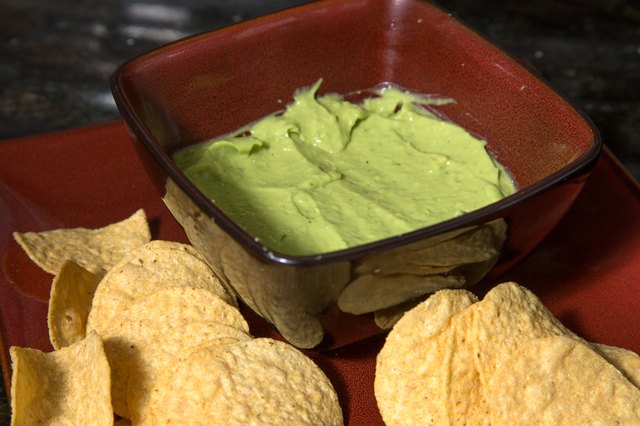
Some salad dressings whisper. This one shows up in a tiny green cape and announces, “I brought flavor.” Garlic avocado salad dressing is creamy, tangy, and ridiculously fastlike “I can do this while my lettuce is still pretending it’s crisp” fast. It’s the kind of homemade dressing that makes a plain bowl of greens feel like it has a plan for the weekend.
In this guide, you’ll get a foolproof base recipe, smart variations (dairy-free, yogurt-based, vegan, spicy), storage tips to keep it greener longer, and troubleshooting for the most common kitchen drama (too thick, too thin, too garlicky, too bland).
Why Garlic + Avocado Works (And Why It Tastes So “Restaurant”)
Avocado brings natural richness and bodybasically, it acts like a built-in “creaminess engine.” Garlic brings punch, while citrus (lemon or lime) adds brightness so the whole thing doesn’t taste like you blended a guacamole mood swing.
A good dressing balances four things: fat (avocado + oil), acid (citrus or vinegar), salt, and water (or another liquid) to get the texture right. Once those are in harmony, you can riff with herbs, heat, sweetness, or savory add-ins.
Ingredients for Garlic Avocado Salad Dressing
The Core Ingredients (The “Start Here” List)
- Ripe avocado: Soft with a gentle give. If it’s rock-hard, your blender will file a complaint.
- Garlic: Fresh cloves give the best flavor. Start smallgarlic is confident.
- Lemon or lime juice: Adds tang and helps keep the dressing from browning quickly.
- Olive oil or avocado oil: Optional but recommended for a silkier mouthfeel and better “cling” on greens.
- Water (or milk): Controls thickness. Add gradually.
- Salt + black pepper: The difference between “meh” and “make it again tomorrow.”
Flavor Boosters (Choose Your Adventure)
- Greek yogurt: Extra tang + protein, and a lighter feel while staying creamy.
- Fresh herbs: Cilantro, dill, parsley, basil, or chives for a green-goddess vibe.
- Heat: Jalapeño, hot sauce, red pepper flakes, or a pinch of cayenne.
- Sweetener: Honey or maple (just a touch) to round out sharp garlic/citrus.
- Umami: Nutritional yeast, a dab of Dijon mustard, or a tiny spoon of miso.
- Extra acid: A splash of apple cider vinegar or white wine vinegar for more zip.
Equipment Options (Blender, Food Processor, or “Bowl + Elbow Grease”)
A blender or food processor gives the smoothest, most pourable dressing in under two minutes. But if you don’t want to drag out appliances, you can mash everything in a bowl for a thicker, rustic texturegreat as a drizzle or spread.
- Best for ultra-smooth: High-speed blender
- Best all-around: Food processor / mini chopper
- Best no-appliance method: Bowl + fork + whisk
The Classic Recipe: Creamy Garlic Avocado Salad Dressing
Yield: About 1 cup (8 servings at 2 tablespoons each) | Time: 5–10 minutes
Ingredients
- 1 large ripe avocado (or 2 small), pitted and scooped
- 1–2 cloves garlic (start with 1, then taste)
- 3 tablespoons fresh lemon juice or lime juice (about 1 large lemon or 2 limes)
- 3 tablespoons extra-virgin olive oil (optional but tasty)
- 1/3 cup water, plus more as needed (up to 1/2 cup for thinner dressing)
- 1/2 teaspoon kosher salt (or to taste)
- 1/4 teaspoon black pepper (or to taste)
Instructions (Blender / Food Processor)
- Load it up: Add avocado, garlic, citrus juice, salt, pepper, and water to your blender or food processor. If using oil, add it too.
- Blend until creamy: Blend 30–60 seconds, stop to scrape down the sides, then blend again until smooth.
- Adjust texture: If it’s too thick, add water 1 tablespoon at a time and blend briefly. If it’s too thin, add a bit more avocado (or Greek yogurtsee variations).
- Taste like a chef: Add more salt for flavor, more citrus for brightness, or a tiny drizzle of sweetener if the garlic feels too sharp.
- Rest (optional, but smart): Let it sit 5 minutes so flavors settle and mellow, then taste again.
No-Blender Method (Thicker, Rustic, Still Delicious)
- Mash the avocado in a bowl until mostly smooth.
- Grate or finely mince the garlic (or use garlic paste), then mix it in.
- Whisk in citrus juice, salt, pepper, and a splash of water.
- Drizzle in oil while whisking for a smoother, more cohesive texture.
- Add water slowly until it’s the thickness you like.
Easy Variations (Same Base, Different Vibes)
1) Garlic Avocado Yogurt Dressing (Extra Tangy + Protein)
Replace half the water with 1/4 to 1/3 cup plain Greek yogurt. Start with 1/4 cup, blend, then thin as needed. This version is fantastic on hearty salads (kale, cabbage) because it clings like it means it.
2) Vegan Garlic Avocado Dressing (Creamy, Dairy-Free)
Skip yogurt. Use water or unsweetened almond milk, and add 1–2 tablespoons nutritional yeast for savory depth. Want it extra silky without dairy? Blend in 1 teaspoon Dijon mustard or a small spoon of tahini.
3) Cilantro-Lime Garlic Avocado Dressing (Taco Salad MVP)
Add 1/2 cup packed cilantro, 1/4 teaspoon cumin, and use lime instead of lemon. Optional: 1 small jalapeño (seeded) for heat. This is a dream on black bean salads, grilled chicken bowls, and roasted sweet potatoes.
4) Green Goddess-Inspired Avocado Garlic Dressing
Add a mix of soft herbs (dill + parsley + chives), and consider a spoon of yogurt (or a plant-based yogurt) to brighten it. It tastes like your salad joined a fancy gym and started drinking infused water.
5) Spicy Creamy Avocado Garlic Dressing
Add hot sauce or 1/8–1/4 teaspoon cayenne, plus an extra pinch of salt. Spicy versions pair especially well with crunchy salads (romaine, cabbage slaws) and anything grilled.
How to Get the Texture Right (Thick, Drizzly, or Dip-Level)
Avocado dressing thickens as it chills, so aim slightly thinner than your “final” texture if you’re making it ahead. Think in tiers:
- Pourable dressing: Use 1/2 cup liquid total, blend well.
- Drizzle consistency: Use about 1/3 cup liquid total.
- Dip/spread: Use 2–3 tablespoons liquid, mash or blend briefly.
If it tastes right but looks too thick, don’t panicadd water in tablespoon steps. If it tastes watery, add more avocado (or yogurt) and a pinch more salt.
Keeping It Green: Browning Prevention and Smart Storage
Avocado browns because of an enzyme-driven reaction that speeds up when the flesh meets oxygen. Acid helps slow that reaction, and limiting air contact helps even more. The goal is simple: less oxygen + a little acid.
Storage Tips That Actually Help
- Use enough citrus: Don’t “just add a squeeze.” Citrus is doing important work here.
- Go airtight: Store in a tightly sealed jar or container.
- Flatten the surface: Smooth the top so there are fewer air pockets.
- Use a citrus barrier: For best color, add a thin layer of lemon/lime juice on top before sealing. Stir it in before serving.
- Plastic wrap trick: Press plastic wrap directly onto the surface, then seal with a lid.
How Long Does It Last?
For best flavor and color, plan on 2–3 days. Many home cooks keep it up to 4–5 days in the fridge when stored airtight and acidified, but the color may darken a bit over time. If it darkens on top, stir or scrape the top layer; it’s usually still fine if it smells fresh and tastes normal.
Food safety note: Always refrigerate promptly. If the dressing has been sitting out for hours at room temperature, it’s safer to make a fresh batchluckily, this recipe is basically “five minutes and a ripe avocado.”
Serving Ideas (Beyond Basic Salad)
Garlic avocado dressing is one of those “multi-tool” sauces. Use it anywhere you’d want creamy tang plus a little garlic swagger:
- Green salads: Romaine, mixed greens, spinach, arugulaespecially with tomatoes and cucumbers.
- Grain bowls: Quinoa, brown rice, farro, or couscous with roasted veggies.
- Taco salads: Black beans, corn, salsa, crunchy romaine, tortilla stripsdone.
- Roasted vegetables: Drizzle over roasted broccoli, carrots, sweet potatoes, or cauliflower.
- As a dip: For veggies, baked fries, or tortilla chips (yes, it’s basically guacamole’s smoother cousin).
- As a spread: On sandwiches, wraps, burgers, or toast with sliced tomatoes.
Troubleshooting: Fixes for Common Dressing Problems
“It’s too thick.”
Add water 1 tablespoon at a time and blend briefly. If you want more flavor while thinning, use extra citrus juice or a splash of vinegar instead of plain water.
“It’s too thin.”
Blend in more avocado, or add 2–3 tablespoons Greek yogurt. If you need a dairy-free thickener, a spoon of tahini can help.
“It tastes too garlicky.”
Garlic intensity varies a lot. To soften it, add more avocado, a bit more oil, or a small drizzle of honey/maple. Herbs also “distract” the palate in a good way (cilantro and dill are great here).
“It’s bland.”
Add salt first. Most bland dressings are under-salted. Then add a little more citrus and pepper. A pinch of cumin or a teaspoon of Dijon can also wake things up.
“It’s too tangy.”
Balance acid with fat: add a little more oil, avocado, or yogurt. A tiny pinch of sweetener can also round sharp edges without making it “sweet.”
Nutrition Notes (Customize to Your Goals)
Avocado-based dressings bring healthy unsaturated fats and a satisfying texture that can make salads feel more filling. If you want a lighter dressing, use less oil and thin with water, or add Greek yogurt for creaminess with less fat. If you want a richer, more indulgent texture, keep the oil and go thicker.
For dietary preferences:
- Vegan/dairy-free: Use water or unsweetened plant milk; skip yogurt; try nutritional yeast for savory flavor.
- Gluten-free: This dressing is naturally gluten-free (just double-check any packaged add-ins like mustard).
- Keto-ish: Keep it low-sugar (skip sweetener) and use oil as desired.
Real-Life Kitchen Experiences (Add , No FluffJust the Stuff You Actually Notice)
Here’s what tends to happen when real people make garlic avocado salad dressing at homenot in a studio kitchen with perfect lighting, but in an actual Tuesday situation where someone is hungry and the blender lid is mysteriously missing. First: you learn fast that avocado ripeness is everything. When the avocado is perfectly ripe, the dressing blends into a glossy, spoon-coating cream in under a minute. When it’s under-ripe, you’ll see tiny green flecks and feel the blender working overtime. The fix is simple (more blending, more liquid), but you’ll notice the flavor can taste a bit “green” and less buttery. Many home cooks end up adding an extra squeeze of citrus and a pinch more salt to bring it back to life.
Second: garlic has moods. One clove can be friendly, two cloves can be a megaphone, and the difference depends on the size and age of your garlic. A common experience is tasting right after blending and thinking, “Oh wow, that’s a lot,” then tasting again five minutes later and realizing it settled into something more balanced. That tiny rest time is weirdly powerful. Another frequent trick people discover is that a small drizzle of honey or maple doesn’t make the dressing sweetit just smooths out the sharp edges and makes the garlic feel more “round” than “pointy.”
Third: texture preferences get personal quickly. Some people want a pourable dressing that runs through the salad like it owns the place; others want a thick drizzle that sits proudly on top of tomatoes and cucumber slices. The “aha” moment is realizing you’re in control: water makes it lighter and more pourable, oil makes it silkier and helps it cling, and yogurt makes it tangy and thick without being heavy. A lot of cooks end up making it thicker on purpose and using it as a sauce for grain bowls or roasted vegetablesthen thinning a portion later with a splash of water for salads. Same batch, two jobs.
Fourth: browning isn’t a moral failure. People often assume they “did it wrong” if the top darkens after a day. In reality, avocado oxidizes. Even a great dressing can pick up a darker shade, especially around the surface where it touches air. The practical experience is that it usually still tastes great. Stirring it can bring back the green look, and if there’s a darker top layer, scraping it off is easy. Many home cooks find that pressing plastic wrap directly onto the surface or adding a thin citrus layer makes a noticeable difference. It’s one of those low-effort moves that feels like a life upgrade.
Finally, the best “real life” moment: discovering it makes healthy food easier. People who struggle to enjoy salads often report that a creamy, flavorful dressing changes the whole experiencesuddenly they’re not forcing themselves to eat leaves; they’re eating something they actually want. And because the recipe is fast, it’s easier to make again than to buy another bottle that ends up forgotten in the fridge door. Once you’ve made garlic avocado dressing a few times, you start to freestylemore lime for taco night, more dill for a Mediterranean bowl, more water for a light drizzle, or more salt and pepper to make it taste like it belongs on everything. Which, honestly, it kind of does.
Wrap-Up
Garlic avocado salad dressing is the rare recipe that’s quick, flexible, and genuinely useful. Make it classic and creamy, go yogurt-tangy, keep it vegan, or add herbs and heat until it matches whatever you’re eating this week. The core formulaavocado + garlic + citrus + salt + water (plus optional oil)is the kind of kitchen skill that pays rent over and over.