Scars are basically your skin’s way of saying, “I survived.” Which is inspirational… until the “survival story” is
front-and-center in every mirror selfie. The good news: most scars do mellow out with time, and there are legit,
evidence-based ways to help them look flatter, smoother, and less noticeable. The not-as-fun news: there’s no
magic eraser (if someone promises that in 48 hours, they’re selling you hope in a jar).
This guide breaks down what actually helps (at home and in a dermatologist’s office), what’s mostly hype, and how
to pick the right approach based on the kind of scar you have. We’ll keep it practical, a little funny, and very
focused on results.
First, identify what kind of scar you’re dealing with (because scars are not one-size-fits-all)
The fastest way to waste money is to treat a scar you think you have instead of the scar you
actually have. Here’s the quick-and-useful cheat sheet:
- Flat, pale line scars: common after cuts/surgery once healed. Usually improve with time, sun protection, and gentle care.
- Red or dark scars: often “newer” scars or post-inflammatory marks. Color can improve with sun protection and targeted topicals.
- Raised scars (hypertrophic): thick, raised but stay within the original wound borders.
- Keloids: raised scars that grow beyond the original wound and may itch or feel tender.
- Depressed scars (atrophic): “pitted” scars (often acne or chickenpox scars), including rolling, boxcar, and ice-pick types.
- Contracture scars: tighten the skin (often after burns) and can limit movement.
If your scar is growing, becoming painful, changing quickly, restricting motion, or you’re not sure it’s “just a scar,”
that’s your cue to talk to a clinicianpreferably a board-certified dermatologist.
The golden rule: start with smart wound care (it affects how the scar forms)
If the injury is still fresh (or you’re caring for a surgical incision), the goal is to help the skin heal cleanly,
calmly, and evenly. That sets you up for a smaller, less dramatic scar later.
1) Keep it clean and comfortably moist (yes, moist)
Old-school advice said “let it dry out and scab.” Newer guidance favors keeping minor wounds clean and moist so the
skin can rebuild efficiently. Plain petroleum jelly is a classic for a reason: it helps prevent a hard scab,
reduces dryness/itch, and supports smoother healing.
2) Cover it, then change the dressing regularly
A simple bandage helps protect healing skin from friction, bacteria, and accidental re-injury. If you’re dealing with
a larger scrape or a spot that stays irritated, some people do well with hydrogel or silicone gel sheets once
appropriate.
3) Skip the “it stings so it must be working” liquids
Rubbing alcohol and hydrogen peroxide can irritate and damage healthy tissue around the wound, which can slow
healing. If you want fewer scar regrets later, be gentle now: mild soap + water is usually the main event for minor injuries.
Once the wound is closed: the best at-home ways to make scars less visible
Here’s where most people want the quick fixand where consistency matters more than fancy packaging.
Think of scar care like brushing your teeth: it’s boring, but it works when you actually do it.
1) Sunscreen is not optional (it’s the closest thing to “easy mode”)
UV exposure can make scars darker (hyperpigmentation) and keep them looking red or “angry” longer. Use a
broad-spectrum SPF 30+ on exposed scars once the skin has healed over. If you’re going to be outside for a while,
reapply and consider physical coverage (clothing, hats, or a bandage if appropriate).
Translation: if you do nothing else, do sunscreen. It’s the cheapest way to avoid turning a temporary color
difference into a long-term one.
2) Silicone sheets or silicone gel (the “most recommended boring answer”)
Silicone has the best track record among over-the-counter scar optionsespecially for raised scars or newer surgical scars.
It works like a breathable barrier that helps regulate hydration and may calm the overactive collagen response that
can make scars thick and raised.
- Best for: newer scars, hypertrophic scars, some keloid-prone situations (with clinician guidance).
- How to use: apply after the wound is fully closed. Aim for daily, long-wear use (often many hours/day) for weeks to months.
- Reality check: silicone is a commitment. It’s not glamorous, but it’s reliable.
- Watch for: irritation or rash (especially under occlusion). If you get irritation, take a break and consider a different formulation.
3) Scar massage (low-tech, surprisingly helpful)
Once your clinician says the incision is healed enough (especially after surgery), gentle massage with a bland
moisturizer can help soften scar tissue and improve pliability. It’s also a nice moment to practice patiencebecause
scars remodel slowly, and massage is a “tiny improvements add up” strategy.
A practical routine: 2–3 short sessions per day, a few minutes each, with light-to-moderate pressure. If the scar
becomes painful, inflamed, or starts breaking down, back off and get it checked.
4) Retinoids and exfoliating acids (best for texture + discoloration, not “raised ropey” scars)
For mild acne scarring or uneven texture, topical retinoids and certain acids (like salicylic acid) can make scars
less noticeable by improving cell turnover and smoothing the surface. These work best for shallow textural issues and
post-inflammatory discolorationnot for thick raised scars.
If you’re new to retinoids: start low, go slow, moisturize, and use sunscreen daily (retinoids can make skin more
sun-sensitive).
5) What to be cautious about: “scar miracle” oils and vitamin E
Some popular scar remedies are more folklore than science. Vitamin E, in particular, has mixed evidence for improving
scars and can trigger irritation or contact dermatitis in some people. If you love it, patch-test first. If you’re
trying to minimize a scar quickly, silicone + sunscreen is usually a better bet than experimenting with high-risk irritation.
Acne scars: the playbook is different (and usually combination-based)
Acne scars aren’t just “marks”many are structural changes from collagen loss and inflammation. That’s why acne scar
treatment often works best when it’s customized by scar type:
- Rolling scars: often respond well to subcision (releasing tethered bands) + collagen-stimulating treatments.
- Boxcar scars: can improve with resurfacing (laser/peels) or targeted procedures.
- Ice-pick scars: frequently need focused techniques (like chemical reconstruction methods) or minor surgical approaches.
At-home support for acne scars
At home, your goal is to prevent new acne (so you don’t add new scars) and improve surface texture and discoloration:
sunscreen, a retinoid, and gentle chemical exfoliation can help the “less visible” partespecially for mild scarring.
In-office treatments that commonly help acne scarring
Dermatology clinics often combine treatments because scars are multi-layered problems:
- Microneedling: stimulates collagen and elastin; generally considered safe across skin tones when performed properly.
- Laser resurfacing: can trigger new collagen as the skin heals, improving texture and blending edges.
- Chemical peels: can improve texture and discoloration (depth and type matter a lot).
- Scar surgery/minor procedures: selective approaches for individual scars (lift, excise, revise).
- Fillers: can temporarily elevate depressed scars and sometimes help collagen remodeling in select cases.
If you have a deeper mix of scars, don’t be surprised if the “best” plan looks like a combo meal rather than a single
silver bullet. That’s normaland often the reason results look natural rather than “over-treated.”
Raised scars and keloids: when you need heavier tools
Raised scars can itch, feel tight, and stay stubborn. The strategy here is to reduce excessive collagen activity and
flatten the scar.
Hypertrophic scars (raised, but within the wound borders)
- Silicone + pressure therapy: common first-line approaches, especially for prevention after surgery in higher-risk people.
- Corticosteroid injections: frequently used to flatten and calm symptoms (itch/pain).
- Laser therapy: can reduce redness and improve thickness/texture in the right hands.
Keloids (raised and expanding beyond the wound)
Keloids are more likely in people with brown or Black skin, those with a personal/family history of keloids, and
younger adults. They can form after acne, piercings, burns, injections, even minor scratches. Because keloids don’t
reliably fade on their own, early treatment can help keep them from getting bigger.
Common clinician-directed options include steroid injections, pressure strategies, laser/light treatments, and (in
select cases) procedures combined with follow-up therapy to reduce recurrence. If you’re keloid-prone, prevention is
huge: careful wound care and avoiding elective skin trauma (like certain piercings) can save you a lot of hassle.
Professional treatments that can make a big difference (especially for older or stubborn scars)
If you’ve been consistent for a few months and the scar is still very noticeable, a dermatologist can offer options
that go beyond what OTC products can do.
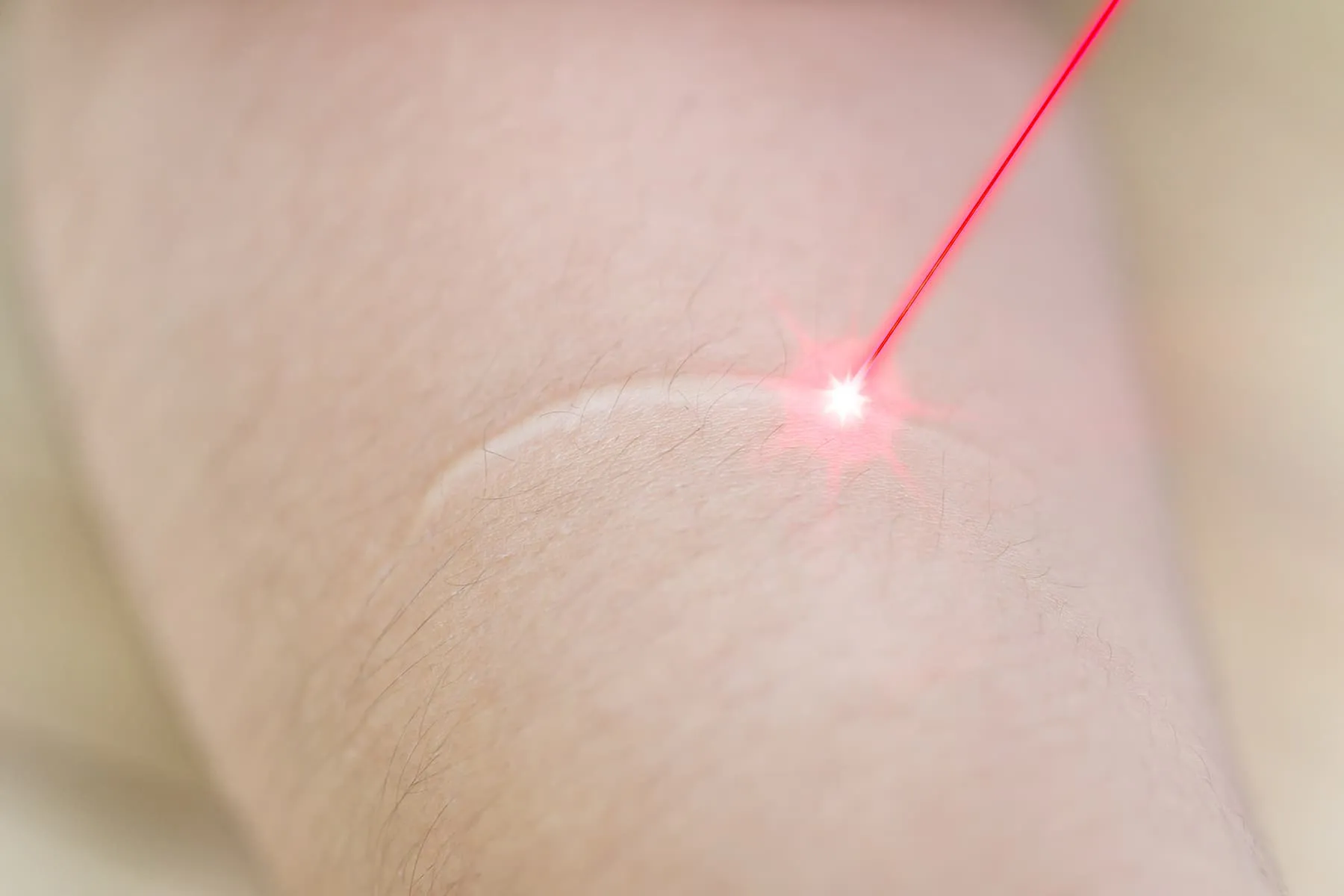
Laser and light treatments
Different lasers target different problems: some reduce redness by targeting blood vessels, others resurface texture,
and some stimulate collagen remodeling. Laser therapy has become a go-to option across multiple scar types, but results
depend heavily on the device, the scar, and the skill of the provider.
Injections
Steroid injections are commonly used for raised scars and keloids to flatten and soften them and reduce itch and
discomfort. Multiple sessions are often needed.
Microneedling and radiofrequency microneedling
These treatments create controlled micro-injuries that trigger collagen repair. For acne scars and some textural scars,
they can be a strong optionespecially when paired with other therapies (your dermatologist may combine them with peels,
PRP, or other modalities).
Scar revision surgery (when the line itself is the problem)
Scar revision can improve a scar’s appearance or restore function if a scar restricts movement. The key concept:
revision improves, it doesn’t erase. Many clinicians prefer waiting until the scar has matured (often many months) before
revising, because scars can soften and fade significantly over time.
A realistic timeline (so you don’t quit on day 12)
Scar remodeling is slow. Many scars change for months, and it’s common for final appearance to take a long time.
A helpful benchmark used in clinical aftercare is that scars may continue improving over roughly 6 to 18 months.
- Weeks 0–2: focus on clean, moist wound care and protection.
- Weeks 2–12: once closed, add silicone (if appropriate) and daily sunscreen; start gentle massage if cleared.
- Months 3–12+: evaluate progress; consider dermatology options for stubborn texture, pigment, or raised scars.
If your scar is still pink, raised, itchy, or “ropey” after many months, that’s a good time to ask about next-step treatments.
Scar camouflage: making it less visible today, not just “eventually”
While you’re working on long-term improvement, you can also reduce visibility right now:
- Color-correcting makeup: green tones can mute redness; peach/orange can neutralize bluish or dark areas (shade depends on skin tone).
- Silicone-based primers: can blur texture temporarily.
- Clothing strategy: if a scar is on the body, textured fabrics and darker colors can minimize contrast.
- Hair styling: for scars near the hairline, small changes in parting can reduce emphasis without “hiding.”
None of this is “giving up.” It’s just being practical while biology does its very slow renovation project.
Quick FAQ
Can you completely remove a scar?
Usually no. Most treatments aim to improve color, thickness, and texture so the scar blends better with surrounding skin.
Do scar creams work?
Some do, some don’t. Silicone-based products have stronger support than many “all-in-one” scar creams. For pigment or
acne-related marks, retinoids/appropriate acids may helpespecially alongside sunscreen.
When should I see a dermatologist?
If the scar is growing (especially beyond the original wound), raised and symptomatic, restricting motion, changing in a concerning way, or
causing distress that’s affecting your daily life. Also if you’re unsure what you’re looking at.
Conclusion
Making scars less visible is mostly about smart basics and steady follow-through: treat the wound gently, protect the area from sun,
use silicone consistently on appropriate scars, and consider professional treatments when the scar type calls for it.
The biggest “secret” is time plus consistencyand choosing the right strategy for the right scar.
Real-World Experiences: What the “Scar Fade” Journey Feels Like
If you’ve ever stared at a scar and thought, “Why does it look worse now than it did last month?”welcome to the club.
A very common experience is the emotional whiplash of scar healing. Early on, scars often look pink, red, or
darker than expected, and they can feel tight, itchy, or oddly sensitive. People frequently interpret that as “it’s
getting worse,” when it’s often just the normal remodeling phase doing its awkward thing.
Another common pattern is the “I tried one product for two weeks and nothing happened” disappointment. Scar care is
brutally unglamorous because improvement tends to show up in tiny increments: the redness softens, the edge looks a
little less sharp, the texture feels a bit smoother. It’s the kind of progress you don’t notice dailybut you do
notice when you compare a photo from three months ago.
People also tend to learn (sometimes the expensive way) that irritation is the enemy. A lot of scar frustration comes
from overdoing it: harsh scrubs, strong acids used too frequently, “tingly” essential oils, or aggressive massage
before the skin is ready. The irony is that the scar looks most cooperative when the routine is gentle and boring:
sunscreen, silicone (when appropriate), and a moisturizer that doesn’t start a drama club on your skin.
For acne scars specifically, many people describe a turning point when they stop searching for a single “best” treatment
and start thinking in combinations: controlling breakouts first, then improving texture with a retinoid, then deciding
whether in-office treatments are worth it for deeper pits. It’s also common for people with darker skin tones to be
especially cautiousbecause post-inflammatory hyperpigmentation can linger, and the goal becomes “improve scars without
triggering new discoloration.” That’s where careful provider selection and conservative treatment plans often feel
empowering, not limiting.
And finally, there’s the confidence piecesomething people don’t always admit out loud. Many discover that “less visible”
isn’t only about millimeters of height or shades of color; it’s also about regaining control. A practical routine can
reduce the mental load of constantly noticing the scar. Some people love makeup or camouflage techniques because it lets
them choose when the scar is part of the story and when it’s just… not the headline today.
If you take one “real-life” lesson from all of this, let it be this: the best scar plan is the one you can actually
stick with. Consistency beats intensity. And your future self will thank you for sunscreenprobably more than any
fancy bottle with the word “miracle” on it.