Smoothies are basically the “choose-your-own-adventure” book of breakfast: you pick the characters (fruit, greens, protein),
decide the plot twist (spices? nut butter? citrus?), and blend until it all becomes one surprisingly tasty ending.
The best part? When you build a smoothie around fresh ingredients you already love, it stops feeling like “health homework”
and starts feeling like something you’d happily pay $9.75 forexcept you made it at home in pajamas.
This guide walks you through a practical smoothie formula, how to prep and balance flavors, smart add-ins, food-safety basics,
and a bunch of specific examples so you can confidently freestyle with whatever’s in your fridge, fruit bowl, or farmers market haul.
We’ll keep it fun, but we’ll also keep it real: a smoothie can be nutrient-dense and delicious… or it can become a stealth milkshake
wearing a yoga headband.
The Smoothie “Blueprint” (So You Can Stop Measuring Like It’s Chemistry Lab)
Most great smoothies follow a simple structure. Think of it as a band:
the base is the drummer (keeps everything moving), the produce is the lead singer (flavor),
and protein/fiber are the bass and rhythm guitar (keeps you full so you don’t start snacking on the office stapler).
A reliable starting ratio
- 1 to 1.5 cups produce (fresh fruit + optional veg)
- 3/4 to 1 cup liquid base
- 1/2 to 1 cup creamy element (optional, but highly recommended)
- 1 “boost” (protein, fiber, healthy fats, or flavor)
- Ice or frozen fruit to thicken (as needed)
If you prefer thick, spoonable smoothies, use more frozen fruit and less liquid.
If you want sip-friendly, add liquid in small increments until it pours easily.
Step 1: Choose Fresh Ingredients That Actually Taste Good Together
“Healthy” doesn’t matter if it tastes like lawn clippings in a glass. Start with flavors you already enjoy.
Then upgrade nutrition with smart additions that don’t bully your taste buds.
Fresh fruit options (flavor-first)
- Berries (strawberries, blueberries, raspberries): bright, tangy, and great for balancing sweetness.
- Bananas: natural sweetness + creamy texture. (Also the unofficial mascot of smoothies.)
- Mango, pineapple, peaches: tropical sweetness that pairs well with greens and citrus.
- Apples, pears: mild sweetness; blend best when chopped small (or paired with stronger fruits).
- Citrus (orange segments, grapefruit): adds zinguse carefully so it doesn’t overpower.
Fresh veggie options (the “quiet heroes”)
- Spinach: mild flavor, blends smoothly, and plays well with fruit.
- Kale: stronger tastepair with pineapple/mango and a creamy base.
- Cucumber: refreshing, hydrating, and great with mint/citrus.
- Cooked beets: sweet-earthy; a little goes a long way (unless you’re committed to Barbie-core breakfast).
- Cooked carrots or sweet potato: adds sweetness and thickness without needing tons of fruit.
Step 2: Pick a Liquid Base (This Is Where “Smoothie Goals” Are Made)
Your liquid decides whether your smoothie is light and refreshing or rich and meal-like.
It also decides whether it tastes like dessert or like something you’d drink after a jog you didn’t want to go on.
Good everyday liquid options
- Water: clean, simple, and lets fruit flavor shine.
- Milk (dairy): adds protein and creaminess without extra steps.
- Unsweetened plant milk (almond, soy, oat): choose unsweetened to avoid surprise sugar.
- Kefir: tangy, drinkable, and adds protein (great for a “smoothie that eats like a meal”).
- Cold brewed tea (green, herbal): adds flavor with almost no calories.
A quick tip: if you’ve been using fruit juice as a base and your smoothies feel “too sweet,” that’s probably why.
Juice can make it easier to accidentally turn your smoothie into a sugar rocket.
Step 3: Add Creaminess (So It Feels Like a Treat, Not a Task)
Creaminess is the difference between “wow, I love this” and “I guess I’m drinking this because I said I would.”
You can get creaminess from dairy, fruit, or plant-based options.
Easy creamy additions
- Greek yogurt: thick, tangy, and protein-friendly.
- Plain yogurt: good all-purpose option; choose plain to control sweetness.
- Silken tofu: blends smooth and boosts protein with a mild flavor.
- Avocado: creamy texture + healthy fats; pairs well with chocolate, lime, and berries.
- Frozen banana: instant “milkshake energy,” especially with cocoa.
- Cottage cheese: surprisingly smooth when blended; adds a serious protein bump.
Step 4: Balance Nutrition (Without Turning It into a Science Fair Project)
A smoothie can be a snack, a light breakfast, or a full mealdepending on what you put in it.
For better staying power, aim for a mix of protein + fiber + healthy fats.
That combo supports fullness and steadier energy compared to a fruit-only blend.
Protein boosters
- Greek yogurt, kefir, milk, soy milk
- Protein powder (whey or plant-based): start small; some taste like flavored drywall.
- Nut butter (peanut, almond, cashew): protein + fats, very smoothie-friendly.
- Silken tofu or cottage cheese: neutral flavor, high payoff.
Fiber boosters
- Chia seeds: thicken the smoothie and add fiberlet it sit 3–5 minutes if you want extra thickness.
- Ground flaxseed: subtle nutty flavor and easy to blend.
- Oats: makes smoothies feel “breakfast-y” and more filling.
- Beans (yes, beans): white beans are mild and create a creamy texture when blended well.
Flavor boosters (aka the “make it taste expensive” section)
- Vanilla extract or almond extract (a tiny splash)
- Cinnamon, ginger, nutmeg for warmth and depth
- Unsweetened cocoa powder for a chocolate vibe without tons of sugar
- Mint + cucumber + lime for a spa-style smoothie
- Pinch of salt (seriously): it can make fruit taste brighter
Step 5: Food Safety and Fresh-Ingredient Prep (Because “Farm-to-Blender” Still Needs a Rinse)
Fresh produce is the heart of a smoothieso handle it well. Rinse fruits and vegetables under running water before cutting or blending.
Skip soap or “produce wash” solutions; plain running water is the standard recommendation.
For firm produce, a clean brush can help remove surface dirt. Cut away bruised spots.
Quick prep rules that keep things easy
- Wash right before using (not days ahead) to reduce spoilage issues.
- Peel thick rinds (like citrus or pineapple) and be mindful when cutting melons.
- Chop large fruits/veg so the blender doesn’t stage a protest.
- Freeze ripe fruit (banana slices, berries, mango chunks) to reduce waste and improve texture.
Step 6: The Blending Method That Prevents Chunky Sadness
If you’ve ever sipped a smoothie and met a surprise kale stem… you know what we’re trying to avoid.
The order of ingredients and a short blending strategy make a big difference.
Best blending order
- Liquids first (helps the blades catch and circulate)
- Soft items (yogurt, fresh greens, nut butter)
- Fresh fruit/veg (chopped)
- Frozen fruit and ice last (for best vortex action)
Blend like a pro (even if you’re wearing socks with sandals)
- Start low, then increase speed to fully break down greens and fiber add-ins.
- If it stalls, stop and stir or add a splash more liquid.
- Blend longer for leafy greens and seedssmoothness takes a moment.
Build-Your-Own Smoothie Combos (Fresh Ingredients, Specific Examples)
Below are combinations you can mix and match. Each one is designed around fresh ingredients, balanced flavor,
and easy customization.
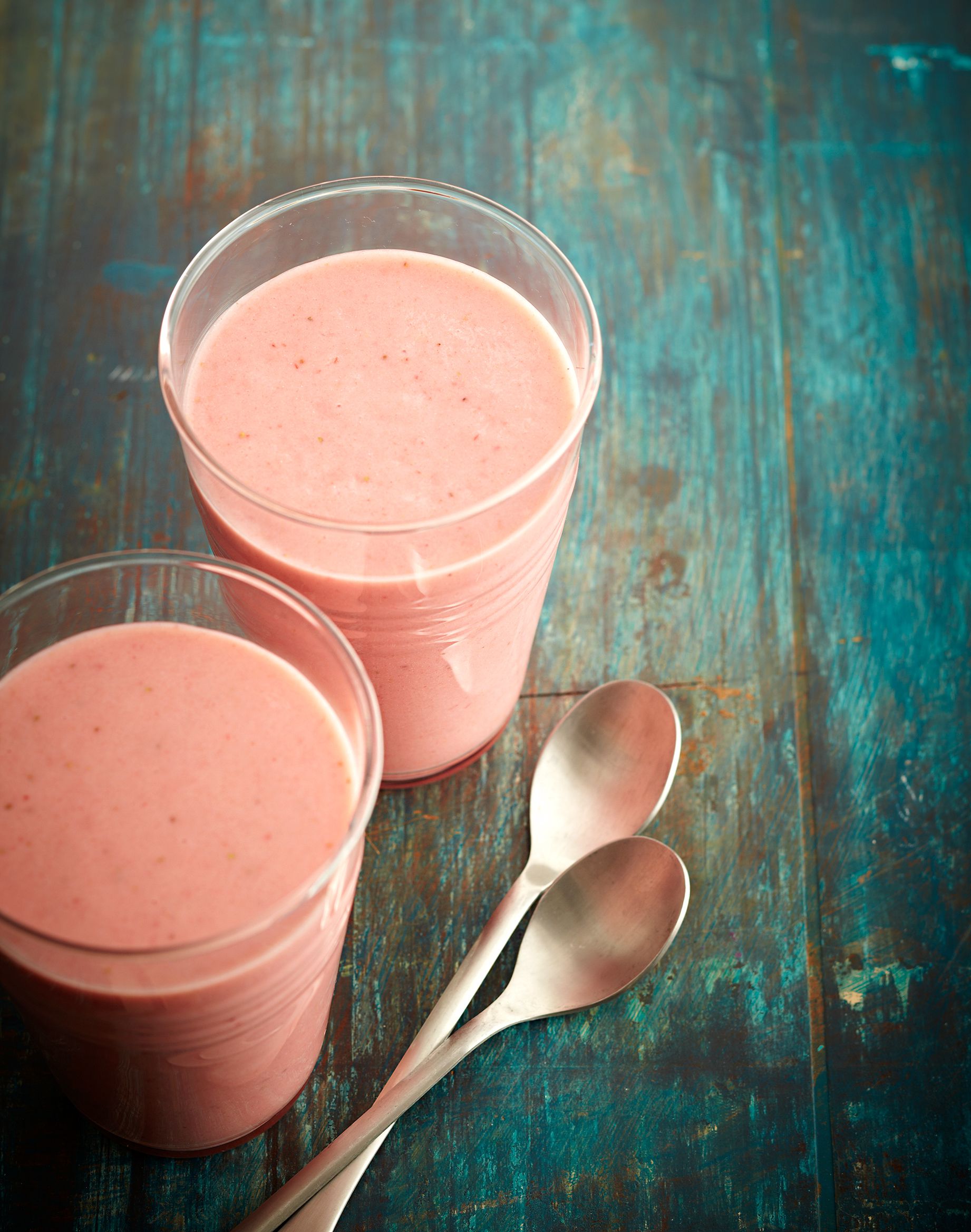
1) The “Farmer’s Market Berry” Smoothie
- Fresh strawberries + blueberries
- Plain Greek yogurt
- Milk or unsweetened almond milk
- Chia seeds
- Optional: lemon zest for brightness
Why it works: Berries bring tang; yogurt brings creaminess; chia adds thickness and fiber.
If it’s too tart, add half a banana instead of sweetener.
2) The “Green But Not Grassy” Smoothie
- Fresh spinach (a generous handful)
- Mango + pineapple (fresh or frozen)
- Kefir or yogurt
- Fresh ginger (a small piece)
- Optional: squeeze of lime
Why it works: Tropical fruit masks “green flavor,” ginger makes it feel bright and energizing.
3) The “Chocolate Peanut Butter Banana” Smoothie (Dessert Disguised as Breakfast)
- Banana (fresh or frozen)
- Milk or soy milk
- Peanut butter
- Unsweetened cocoa powder
- Optional: pinch of cinnamon
Why it works: It tastes like a treat while delivering protein and fats that help you stay full.
4) The “Creamy Citrus Sunrise” Smoothie
- Orange segments (fresh)
- Peach or mango
- Greek yogurt
- Water or light plant milk
- Optional: turmeric + black pepper pinch
Why it works: Fresh citrus perks everything up; yogurt keeps it from tasting like straight juice.
5) The “Oatmeal-in-a-Glass” Breakfast Smoothie
- Banana + apple
- Plain yogurt
- Oats
- Cinnamon
- Milk or unsweetened oat milk
Why it works: Oats add body, cinnamon makes it cozy, and it’s easy to drink on busy mornings.
Common Smoothie Problems (And How to Fix Them Fast)
Problem: It’s too thick
Add liquid one splash at a time. Blend again. Resist the urge to add half a cup at once unless you want fruit soup.
Problem: It’s too thin
Add frozen fruit, a few ice cubes, oats, chia, or a little more yogurt. Blend until smooth.
Problem: It tastes “flat”
Add a squeeze of citrus, a pinch of salt, or a spice (cinnamon/ginger). Sometimes it just needs a flavor “highlighter.”
Problem: It’s too sweet
Swap juice for water/unsweetened milk, add greens, or use tangy yogurt. Berries and citrus help balance sweetness.
Problem: It’s bitter
Bitter usually comes from too much kale or certain seeds. Add banana, mango, pineapple, or a creamy base to smooth it out.
Also: remove thick kale stems before blending.
Prep-Ahead Tricks (For People Who Want Smoothies but Not Morning Chaos)
If mornings are hectic, prep smoothie “packs.” You’ll save time, reduce food waste, and feel like the kind of person who has their life together.
(Even if your laundry is doing the backstroke in a basket.)
Freezer smoothie packs
- Portion fruit + greens into freezer bags or containers.
- Add extras that freeze well (ginger, chopped avocado, cooked sweet potato cubes).
- In the morning, dump into blender, add liquid + protein base, blend.
What not to prep too far ahead
Pre-blended smoothies can separate and lose their best texture. If you do make one ahead, store it cold, shake well,
and drink within about 24 hours for best taste and safety. When in doubt: blend fresh.
When Smoothies Don’t “Feel Good”: A Quick Reality Check
If smoothies upset your stomach, it’s often the ingredient mixnot smoothies as a concept.
Common triggers include large amounts of fiber all at once (hello, chia + kale + oats combo),
sugar alcohols in some powders, or too much dairy for people who are sensitive.
Try scaling back add-ins, switching the base, or keeping recipes simpler.
If you have specific medical conditions or dietary needs, consider checking in with a qualified clinician or dietitian.
Real-World Smoothie Experiences and Lessons Learned (Extra )
If there’s one universal smoothie truth, it’s this: everyone starts out thinking they’ll be a fearless smoothie artist,
tossing in “a little of this” and “a little of that,” and thenten seconds laterstaring into the blender like it just told a joke
no one else understood. The good news is that most smoothie mishaps are incredibly fixable, and the best lessons come from
the most chaotic blends.
One common pattern you’ll hear from home cooks and recipe testers is the “health halo overload.” It usually goes like this:
spinach, kale, chia, flax, oats, protein powder, almond butter, turmeric, ginger, andjust to be safehalf a raw beet.
Nutritionally impressive? Sure. Flavor-wise? It can end up tasting like a wellness podcast. The fix is simple: pick one main goal
for each smoothie. Want more protein? Choose Greek yogurt or cottage cheese and keep everything else basic. Want more fiber?
Add chia or oats (not both) and let fruit do the flavor work. The best smoothies don’t feel like they’re trying to win an award.
They feel like something you’d actually make again.
Another real-life lesson: fresh ingredients are amazing, but texture matters. Fresh berries taste bright and lively, but they don’t always
provide the thickness people expect from smoothie-shop blends. That’s why many experienced smoothie makers keep a “texture backup plan”:
a frozen banana, a cup of frozen mango, or even just a handful of ice. It’s not cheatingit’s engineering. If you want thick and creamy,
a little frozen fruit is usually the difference between “luxury smoothie” and “pleasant fruit drink.”
Then there’s the blender learning curve. People often assume they need the fanciest machine on earth, but what usually matters more is
technique: liquids first, frozen items last, and a little patience while it ramps up. If you blend greens with liquid and yogurt before adding frozen fruit,
you reduce leafy “confetti” and get a smoother result. Lots of smoothie fans also learn the hard way that tiny seeds (chia/flax) can thicken over time.
That’s great if you like pudding-thick smoothies, but if you’re making one to sip right away, start with a small amount and adjust next time.
Finally, flavor confidence builds fast once you learn a few dependable pairings. Tropical fruit + spinach is famously forgiving.
Berry + vanilla + yogurt is almost impossible to mess up. Banana + cocoa + peanut butter tastes like dessert even when it’s pretty balanced.
And citrus is powerfulsometimes a little squeeze of lime makes a whole smoothie taste brighter, but too much can bulldoze everything else.
The “experienced” move is to add strong flavors in tiny steps and taste as you go. Smoothies are one of the few things in life where
being a little indecisive actually works in your favor.
In other words: making smoothies from fresh ingredients isn’t about being perfect. It’s about having a solid formula, a couple of go-to fixes,
and the willingness to laugh when your “mint-cucumber masterpiece” tastes suspiciously like salad dressing. Adjust, blend again, and call it a day.
Your blender has seen worse. Probably.
Conclusion: Your Fresh-Ingredient Smoothie, Your Rules
Making smoothies from your favorite fresh ingredients is less about strict recipes and more about a flexible system:
choose produce you love, pick a smart base, add creaminess, then balance with protein and fiber so it actually satisfies you.
Keep your approach simple, use frozen fruit strategically for texture, and don’t underestimate small flavor boosts like cinnamon, ginger, or citrus.
The best smoothie is the one that tastes great, fits your day, and makes you feel like you nailed breakfasteven if you’re drinking it while answering emails.