Meeting someone new should feel charming, not like your brain just hit a pothole. Yet names and faces have a sneaky way of slipping out of memory right when you need them most. You remember the blazer, the laugh, the dog photos, and somehow not the actual name. Annoying? Yes. Permanent character flaw? Absolutely not.
The good news is that remembering names and faces is a skill, not a magic trick reserved for teachers, politicians, bartenders, and that one coworker who somehow knows every intern by day two. Once you understand how attention, association, and recall work together, name memory gets much easier. In other words, you do not need a “better brain.” You need a better system.
This guide breaks that system into 13 practical steps you can use at work, school, conferences, family events, neighborhood gatherings, and anywhere else humans insist on introducing themselves. Some of these techniques take five seconds. Some require a bit of practice. All of them are designed to help you turn a passing introduction into a name you can actually retrieve later, ideally before the awkward panic smile kicks in.
Why Remembering Names and Faces Feels So Hard
Before the step-by-step plan, it helps to know what usually goes wrong. Most name failures are not true “memory failures” in the dramatic movie sense. More often, the problem starts at encoding. You never fully took in the name in the first place because your attention was split between shaking hands, thinking of what to say next, scanning the room, worrying about your coffee, or trying not to trip over a folding chair.
Names are also weird little labels. A face gives you lots of visual information. A name gives you one short sound that can vanish in seconds if you do not attach it to anything meaningful. That is why the best strategies combine focused attention, a memorable cue, and spaced recall. Think of it like putting three locks on the same door. If one fails, the others still help you get back in.
How to Memorize Names and Faces: 13 Steps
1. Decide to remember the name before you hear it
Name memory begins before the introduction. Walk into the conversation with intention. Tell yourself, “I’m going to remember this person’s name.” That sounds almost too simple, but it matters. When you set a goal, your attention sharpens. When you do not, the name floats by like a receipt in a parking lot.
This step works especially well at networking events, weddings, classrooms, and meetings where you know you will meet several people in a row. Instead of mentally free-styling your way through introductions, treat each new name like a small assignment. That mindset alone makes the rest of the steps far more effective.
2. Listen to the name like it will be on a quiz later
When the person says, “Hi, I’m Jordan,” do not just wait for your turn to speak. Listen. Really listen. Look at the face, catch the sound of the name, and give the person your full attention for two or three seconds. Those seconds are doing heavy lifting.
If you miss the name, do not fake it. Ask again immediately. “I’m sorry, I didn’t catch your name.” That is far less awkward than avoiding the name for six months and calling them “buddy” like you are hiding from the truth. People usually appreciate honesty and effort more than smooth pretending.
3. Repeat the name naturally right away
One of the easiest ways to strengthen recall is to say the name soon after hearing it. “Nice to meet you, Jordan.” This gives your brain another pass at the information and helps shift the name from a fleeting sound into something more solid.
Keep it natural. You are trying to sound friendly, not like a malfunctioning parrot. Use the name once or twice in the opening minute, then move on like a normal person. A little repetition helps. Overdoing it makes you sound like you are either selling insurance or preparing a spell.
4. Ask a tiny follow-up question about the name
Want better encoding? Add meaning. A quick question can do that fast. Ask, “How do you spell that?” or “Is that short for anything?” or “That’s a cool name, does it have a story?” Now the name has context, and context is memory glue.
This also buys you a second listen. If the name is uncommon, this step is gold. Instead of letting a new sound evaporate, you are turning it into a mini conversation. The more deeply you process a name, the easier it is to retrieve later.
5. Notice one distinctive facial feature kindly, not critically
Faces become memorable when you stop treating them like generic thumbnails. Pick one feature that stands out: bright red glasses, silver curls, deep dimples, a strong jawline, a gap-toothed grin, bold eyebrows, a famous-movie-star voice, or a turquoise scarf they clearly committed to with confidence.
The key word is kindly. You are not roasting the person in your head. You are creating a respectful visual anchor. Memory experts often recommend linking a name to a visible feature because faces are rich in detail, while names are abstract and easy to lose. A clear visual cue gives the name somewhere to “stick.”
6. Build a simple association between the name and the feature
Now connect the name to the feature. If you meet Rose and she is wearing a floral blouse, picture a rose tucked into the pattern. If you meet Mark with very dark eyebrows, imagine a marker drawing those brows in comic-book detail. If you meet Lily and she has a water-lily green scarf, great, your brain just got a helpful shortcut.
This does not have to be clever enough to win a memory competition. It just has to be vivid enough to jog recall later. In fact, a slightly silly mental image usually works better than a bland one. Your brain likes distinctive, emotionally tinted, and unusual cues. Subtle is elegant in fashion; it is terrible in memory.
7. Attach one personal fact to the face-name pair
Names become easier to retrieve when they are tied to a real detail. Learn one thing: “Jordan works in HR,” “Maya runs marathons,” “Carlos just moved from Phoenix,” or “Nina has two golden retrievers and will absolutely show you pictures if encouraged.”
That one fact creates a retrieval path. Later, when you see the person again, you may remember the marathon, the city, or the dogs first. That personal detail can then pull the name back into reach. Instead of trying to remember a random label, you are remembering a small story. Stories stick better than loose fragments.
8. Use the name again before the conversation ends
Do not let the opening be the only rehearsal. Before you part, say the name one more time: “Great talking with you, Jordan.” That second or third use strengthens the trail while the interaction is still fresh. It also feels warm and attentive, which is a nice social bonus.
If the conversation lasts several minutes, try to space the uses naturally. Early, middle, end. That pattern is often better than cramming the name into three back-to-back sentences. Your goal is steady reinforcement, not suspicious enthusiasm.
9. Add a second sensory channel when possible
Memory improves when more than one pathway is involved. If you can see the name on a badge, email signature, Zoom tile, business card, seating chart, or class roster, use it. Say it, read it, and if appropriate, write it down. Hearing plus seeing plus producing the name is much stronger than hearing it once in a noisy room near a sad cheese platter.
In professional settings, this is especially useful. Read the name on the person’s badge, glance at it again after the conversation, and connect it to the face you just met. Small supports like that reduce mental friction and increase recall later.
10. Test yourself a few minutes later
Here is the step most people skip: retrieval practice. After the conversation, ask yourself, “Who was that?” Try to recall the name without looking. If you met three people, list them in your mind. If you forget one, reconstruct it using the feature and personal detail you noticed.
This matters because memory gets stronger when you retrieve, not only when you review. Even one quick self-test can help. It is like telling your brain, “This file matters. Stop treating it like disposable trivia.” No flash cards required. Just a tiny moment of active recall.
11. Space out your reviews instead of cramming them
If you are learning names for work, school, or a new group, review them later the same day, then the next day, then again a few days later. Spaced practice beats last-minute panic every time. This is especially helpful for teachers learning student names, managers learning a new team, and anyone starting a class, club, or volunteer role.
Even a 60-second review helps. Look at the roster, photo sheet, or notes and try to recall each name before checking. The spacing matters because it forces your brain to rebuild the memory after a delay. That effort is not a bug. It is the feature.
12. Use external memory aids without guilt
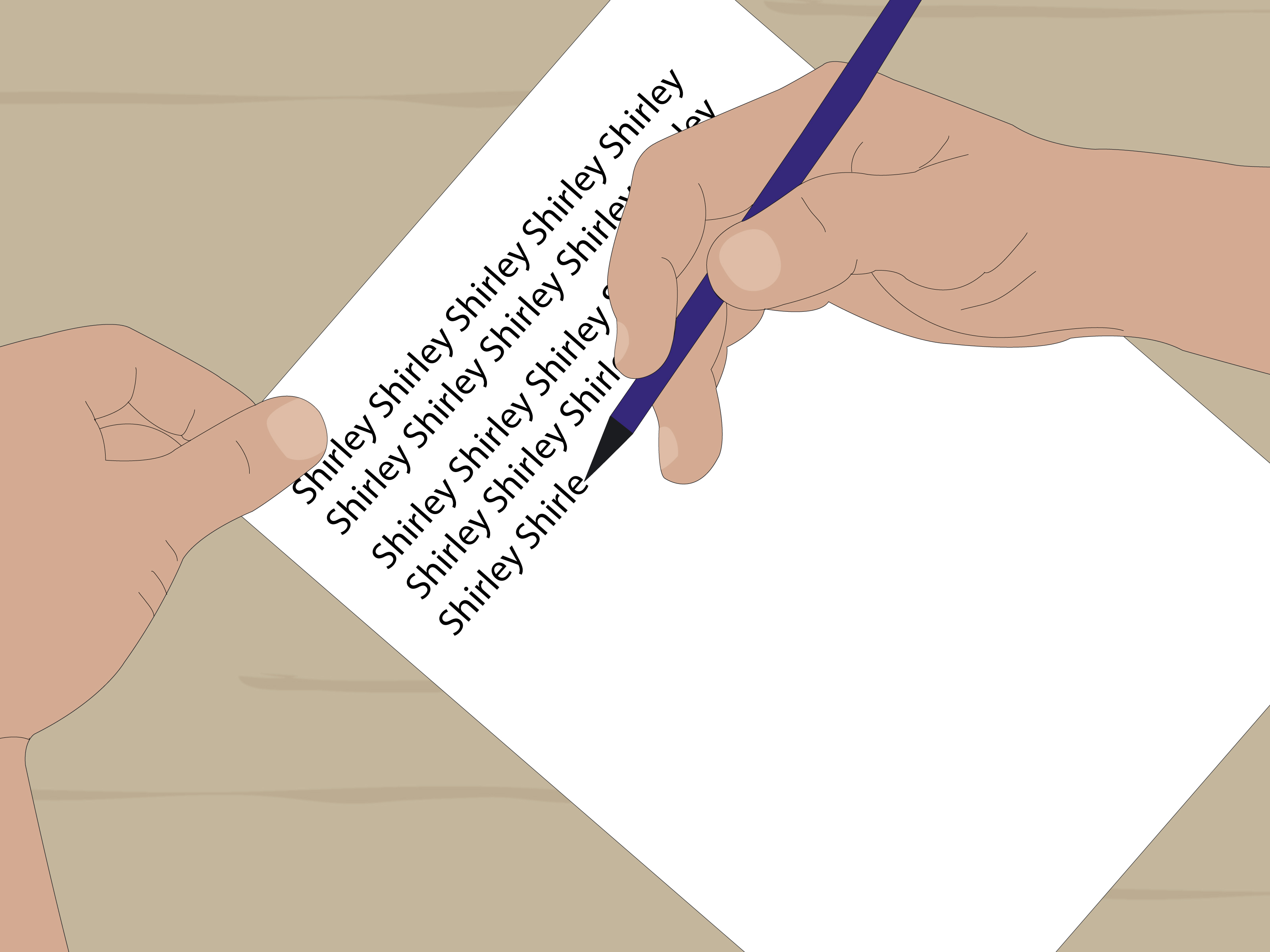
Writing names down is not cheating. It is smart. Jot a quick note in your phone, notebook, contact list, or event app: “Jordan HR black frames loves hiking.” That note gives you a chance to review before your next interaction, which is where memory starts to look almost magical from the outside.
Just be discreet and appropriate. In casual settings, mental notes may be enough. In professional settings, written notes can be a lifesaver. Many people who seem “naturally good with names” are simply good at creating systems. Talent is nice. Systems are repeatable.
13. Protect the brain habits that support memory
If you are chronically distracted, exhausted, or overloaded, name recall gets harder. Sleep, concentration, physical activity, and stress management all affect how well you take in and retrieve information. So yes, the glamorous secret to remembering names may partly be closing twelve browser tabs in your head and getting enough sleep.
If you notice broader memory trouble, not just the occasional “What was your name again?” moment, take it seriously. Ongoing issues can be tied to poor sleep, high stress, depression, medication effects, or other health concerns. When memory changes are new, worsening, or interfering with daily life, it is wise to check in with a healthcare professional.
Quick Recap: The Best Name Memory Formula
If you only remember one thing from this article, remember this formula: focus, connect, retrieve, repeat. Focus when you hear the name. Connect it to a face and one meaningful detail. Retrieve it after the conversation. Repeat the review later with spacing. That is the core system.
It is not flashy, but it works. Most people fail at names because they rely on hope instead of process. Hope is lovely for sunsets and lottery tickets. For names and faces, use a method.
Conclusion
Learning how to memorize names and faces is one of those small skills that creates outsized results. It helps you make stronger first impressions, build trust faster, feel more confident in social settings, and avoid that uniquely human panic of recognizing a face while your brain offers nothing but static.
You do not need to be perfect. You just need to be more intentional than you were yesterday. Start by using two or three of these steps the next time you meet someone: listen carefully, repeat the name, link it to a feature, and test yourself afterward. Once those become automatic, add spaced review and a simple note-taking system. Over time, remembering names stops feeling like luck and starts feeling like a superpower you quietly built on purpose.
Real-World Experiences With Remembering Names and Faces
In real life, this skill rarely develops in one dramatic movie montage. It usually grows through awkward little moments. A teacher walks into a classroom on the third day of school and realizes that knowing twenty-five names changes the whole room. Students sit up a little straighter. Participation improves. The atmosphere softens. Suddenly, “Good point, Elena,” lands very differently from “Yes, you in the blue hoodie.” That is not just memory at work. That is connection.
The same thing happens in offices. A manager who learns a new employee’s name quickly often seems warmer and more competent, even if the employee cannot explain why. The employee feels seen. At conferences, the effect can be even stronger. People expect to be forgotten in those giant badge-heavy environments, so when someone remembers both a name and one detail from a previous conversation, it stands out immediately. It feels generous. It feels professional. It feels rare.
Then there are the humbling moments, which are often the best teachers. Maybe you meet your neighbor three times and still blank on his name while remembering every detail about his beagle, his smoker grill, and his opinions on lawn fertilizer. Or maybe you recognize a parent from school pickup, smile with confidence, and realize you have no safe way to greet her without accidentally exposing the fact that her child’s name has somehow overwritten hers in your brain. Those moments are common. They are also useful because they show exactly where the system broke down.
Usually, the failure was not that the name was “too hard.” It was that attention was weak at the start, or the name was never tied to anything meaningful, or there was no review afterward. Once people practice on purpose, the improvement can be surprisingly fast. They begin noticing patterns. They realize that saying a name only once is not enough. They discover that a silly mental image works better than a serious one. They find that looking at a team photo for one minute before a meeting can save a mountain of stress.
People also learn that confidence grows alongside recall. When you stop fearing introductions, you become more present during them. You ask better questions. You listen more carefully. You make better eye contact. In other words, remembering names and faces is not just a memory trick. It can improve your social presence overall.
And perhaps the most encouraging experience of all is this: even people who swear they are “terrible with names” often get dramatically better once they use a repeatable method. Not perfect, not robotic, not eerily politician-level polished, just better. Better enough to remember the new coworker, the fellow volunteer, the parent from the soccer team, the client from last month, and the barista who always spells your name correctly while you are still out here forgetting everyone else’s. Progress counts. In the world of names and faces, progress is often what turns awkward encounters into easy ones.