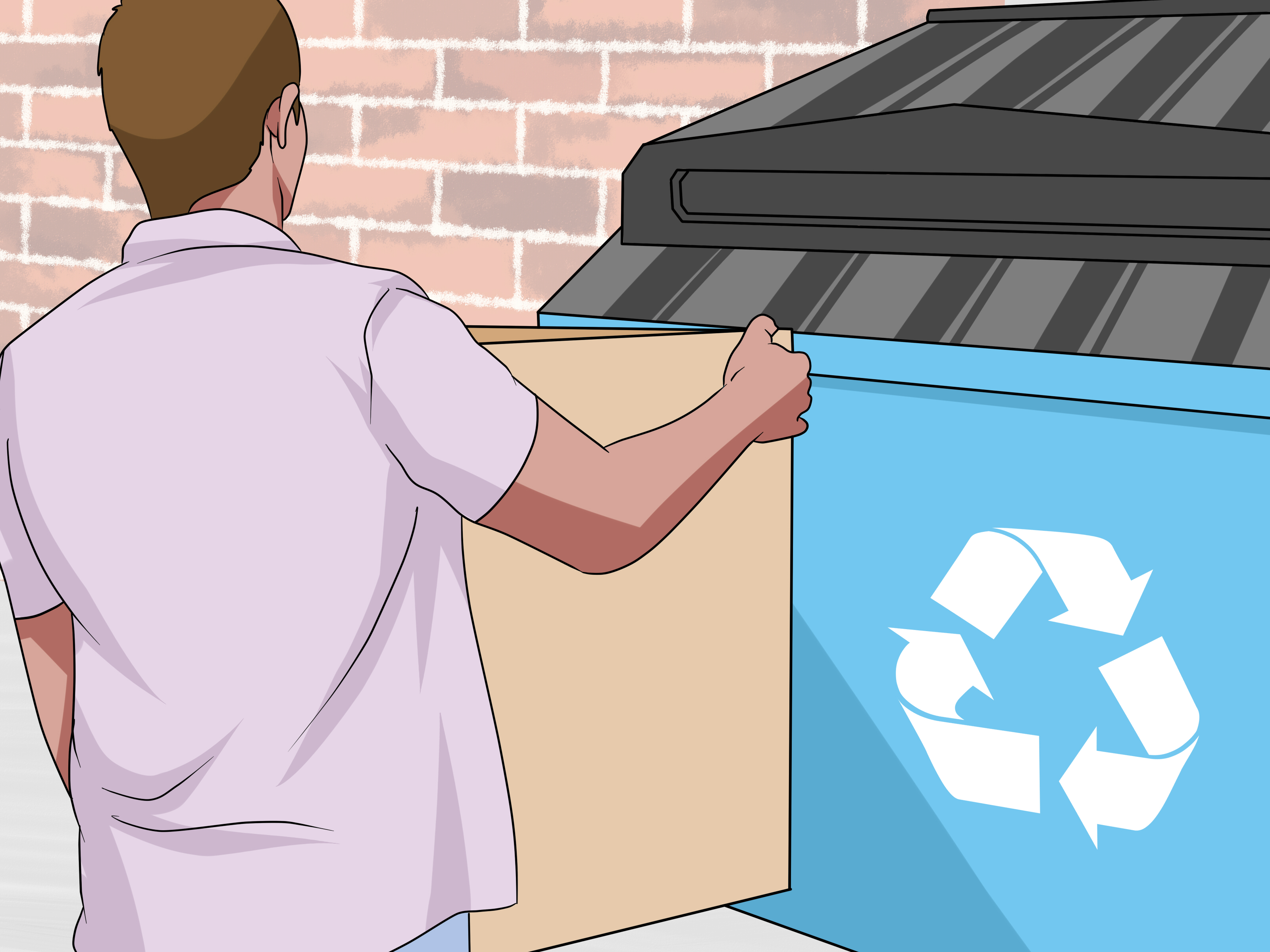
If you have ever moved apartments in New York City, you already know the plot twist: the move takes one day, but the cardboard boxes somehow linger like an uninvited roommate. They pile up in the hallway, lean against the radiator, and silently judge your life choices. The good news is that recycling cardboard boxes in NYC is not complicated once you understand the local rules. The better news is that you do not need a degree in sanitation science, a cargo bike, or a deep emotional bond with twine to do it right.
New York City has clear cardboard recycling rules, and following them matters. Do it properly, and your boxes are far more likely to be collected and processed instead of turning into soggy curbside chaos. Do it sloppily, and you risk creating a mess for neighbors, attracting pests, or having your materials left behind. This guide breaks down exactly how to recycle cardboard boxes in New York City, what counts as recyclable cardboard, what absolutely does not, and how to handle the mountain of boxes that shows up after online shopping season, moving week, or that one furniture order that arrived inside three other boxes for “protection.”
The Quick Answer: How to Recycle Cardboard in NYC
Here is the short version. If you want to recycle cardboard boxes in New York City, empty them, flatten them, and keep them separate from trash. Corrugated cardboard should be tied in bundles with twine if you are setting it out loose, or it can go out with mixed paper and cardboard in a labeled recycling bin or a clear plastic bag. Never use an old cardboard box as your recycling container. NYC wants the material set out neatly, not like a curbside reenactment of a warehouse collapse.
If your cardboard is clean and dry, it usually belongs in the paper-and-cardboard recycling stream. If it is soaked, heavily food-stained, or fused with non-paper junk like foam and plastic film, it needs different handling. That distinction is the difference between recycling right and accidentally building a contamination starter kit.
What Counts as Recyclable Cardboard in New York City?
In NYC, the recyclable paper-and-cardboard category includes most of the cardboard boxes people use every day. Think shipping boxes, shoe boxes, cereal boxes, gift boxes, and moving boxes. Corrugated cardboard, which has that wavy layer inside, is one of the most common recyclable materials in the city. Paperboard boxes, like cracker or pasta boxes, also count.
Examples of cardboard boxes that usually belong in recycling
- Online shopping and delivery boxes
- Moving boxes
- Shoe and apparel boxes
- Cereal, cracker, and pasta boxes
- Gift boxes without non-paper decorations attached
- Lightly soiled pizza boxes
That last one surprises people. A pizza box is not automatically doomed. If it is only lightly soiled, it can still go with paper and cardboard recycling. But if the bottom looks like it survived a cheese landslide, that greasy portion belongs in compost, not in paper recycling.
What does not belong with cardboard recycling
Some things look recyclable because they are box-shaped, brown, and vaguely paper-ish. Appearances can be deceptive. Do not put these in the cardboard stream:
- Greasy, heavily food-soiled pizza boxes
- Wax-coated or heavily treated paper products
- Foam peanuts and foam packaging blocks
- Plastic wrap, air pillows, and bubble wrap
- Milk cartons, soup cartons, and juice boxes
- Wet or moldy cardboard
Cartons deserve their own warning label because they confuse people constantly. Even though they feel papery, beverage and food cartons are not recycled with paper and cardboard in NYC. They belong in the metal, glass, plastic, and cartons stream. So yes, your oat milk carton and your moving box are not roommates.
Step-by-Step: How to Recycle Cardboard Boxes Properly
1. Empty the box completely
Before you recycle a cardboard box, remove everything inside it. That includes packing paper, plastic air pillows, bubble wrap, foam inserts, and any random mystery filler that looked useful for five seconds and then became clutter. Clean cardboard is the goal. If you leave a box half-full of packaging materials, you are not recycling. You are creating a problem in rectangular form.
2. Flatten every box
NYC expects corrugated cardboard boxes to be flattened. This saves space in storage areas, makes curbside setout neater, and helps collection crews handle the material more efficiently. A towering stack of unflattened boxes may look dramatic, but this is one of those moments when drama is not helpful. Break each box down so it lies flat.
3. Bundle or place in the correct container
You have a few acceptable options in New York City. Mixed paper and cardboard can go into a labeled recycling bin with a secure lid or into a clear plastic bag. Corrugated cardboard can also be flattened, tied with twine, and placed next to the recycling bins or bags. The key word here is neatly. Not “loosely tossed in a heap like the aftermath of a Black Friday stampede.”
One rule is especially important: do not use an old cardboard box as your recycling bin. It sounds logical, but NYC specifically says not to do that. A cardboard box set out as a container can get wet, rip open, blow around, and make the sidewalk look like it lost an argument.
4. Set it out at the right time
For residential recycling, NYC rules allow setout after 6:00 PM if you are using a labeled bin with a secure lid, or after 8:00 PM if you are putting recyclables in clear bags. Everything should be out by midnight before your collection day. If you put it out too early, too late, or on the wrong day, you are creating the sanitation equivalent of missing the train by three inches.
5. Check your building’s collection setup
If you live in a larger apartment building, the system may be slightly different from what a single-family home uses. Buildings with four or more residential units are supposed to provide a designated recycling storage area with clearly labeled bins. In other words, your cardboard recycling should not require a scavenger hunt through the basement.
Cardboard Recycling Rules for Apartments, Walk-Ups, and High-Rises
Most New Yorkers do not recycle from a cute suburban driveway. They recycle from apartment buildings, mixed-use properties, walk-ups with narrow hallways, or buildings where the storage room seems to have been designed by someone who actively disliked boxes.
If that sounds familiar, here is the practical approach: flatten boxes as soon as you unpack them. Do not let them accumulate in your apartment until they become furniture. Store them in one dry stack. If your building has labeled recycling bins or a designated area, use that space exactly as intended. If the building is poorly organized, cardboard still needs to be kept separate, flattened, and placed where management or staff can handle it for proper setout.
Good apartment recycling is really about reducing friction. If your boxes are flat, dry, and stacked neatly, the process works. If they are soggy, stuffed with foam, and wedged behind a stroller, the process gets very New York very fast.
What About Pizza Boxes, Takeout Boxes, and Food Delivery Packaging?
Welcome to the section where NYC food culture meets waste sorting anxiety.
Lightly soiled pizza boxes can go with paper and cardboard recycling. Heavily greasy pizza boxes belong in compost. That means you need to use your judgment. If there is a little oil stain, no big deal. If the box bottom looks translucent and could qualify as modern art, it is not paper recycling anymore.
Takeout packaging is trickier because it often mixes materials. A cardboard sleeve might be recyclable, while the plastic window, sauce cup, or liner is not. Separate what you can. Keep clean cardboard with paper. Put compostable food-soiled paper in the compost stream if accepted. Put non-recyclable plastic film, foam, and messy leftovers where they belong. Recycling works best when you stop expecting one container to solve every relationship problem in your kitchen.
Moving in NYC? Here’s How to Deal With a Mountain of Boxes
Moving day in New York City creates cardboard at an almost theatrical level. Suddenly you have wardrobe boxes, dish boxes, delivery cartons, and three suspicious mini-boxes that nobody remembers packing. The first smart move is not recycling. It is reuse.
If the boxes are still sturdy, reuse them for storage, offer them to neighbors, post them in community groups, or pass them along to someone else moving soon. Reuse comes before recycling for a reason. A box that gets a second life avoids becoming waste quite so quickly. Once the boxes are too beat up, then recycle them properly: flatten, bundle, and set them out the right way.
This is especially useful after a big move, when dozens of boxes can overwhelm a building’s storage area. Breaking them down immediately keeps common spaces safer, cleaner, and less likely to make everyone in the elevator hate you a little.
If You Run a Shop, Office, or Small Business
Businesses in New York City are also required to recycle, but the collection setup is different. Residential buildings get DSNY curbside service. Businesses generally use licensed private carters for waste and recycling collection. If you run a storefront, office, or restaurant, do not assume your cardboard follows the same routine as a residential brownstone. It usually does not.
Commercial cardboard should still be kept clean, flattened, and separated from trash. For businesses that generate a lot of boxes, simple routines make a huge difference: break down boxes at receiving time, keep a dry collection spot, and avoid mixing cardboard with food waste or plastic packaging. A small habit change in a back room can prevent a big messy problem at the curb.
Common Mistakes That Ruin Cardboard Recycling
Even people with good intentions mess this up. Here are the classic mistakes:
- Putting cardboard out while it is wet from rain or leaks
- Using a cardboard box as the recycling container
- Leaving foam, plastic wrap, and packing materials inside
- Mixing cartons with paper and cardboard
- Ignoring the difference between lightly soiled and greasy pizza boxes
- Setting out materials in a giant loose pile instead of bundling or bagging them correctly
These mistakes are common because they feel small. But recycling programs succeed or fail on small details. A clean, flat box is useful. A greasy, rain-soaked, plastic-stuffed box is basically just trash wearing a cardboard costume.
Why Recycling Cardboard Boxes in NYC Actually Matters
Cardboard is one of the most common materials generated by households, offices, and stores, especially in the era of online shopping and doorstep delivery. Recycling it correctly helps recover usable fiber, reduce contamination, and keep more material out of the trash stream. Reusing boxes when possible is even better, because it stretches the useful life of a product before it needs reprocessing.
There is also a very practical neighborhood benefit. Properly set out cardboard takes up less sidewalk space, creates fewer blowing-paper disasters, and reduces the chance that boxes become wet, dirty, or pest-friendly before collection. Recycling right in NYC is not just an environmental choice. It is also a curb-management survival skill.
Final Thoughts
Recycling cardboard boxes in New York City is simple once you know the rules: keep boxes clean and dry, flatten them, separate them from trash, and set them out the right way at the right time. Use labeled bins or clear bags for mixed paper and cardboard, bundle corrugated cardboard with twine if needed, and never use an old cardboard box as the container itself. Remember the pizza box rule, respect the carton rule, and your curbside performance will be much more “responsible city resident” and much less “chaotic warehouse raccoon.”
In a city where space is limited and waste moves fast, small habits matter. Flattening a box takes seconds. Sorting it correctly takes even less. But those tiny decisions add up to cleaner buildings, smoother collections, and a recycling system that works better for everyone. In New York, that counts as a win.
Real-World Experiences With Recycling Cardboard Boxes in New York City
Anyone who has lived in New York City for more than five minutes has probably had a cardboard moment. It usually starts innocently. You order a lamp, a coffee table, or one set of bath towels, and somehow the delivery arrives in a box big enough to house a graduate student. Then another package shows up. Then groceries. Then a shoe order. By the end of the week, your apartment looks like a startup warehouse with rent-controlled dreams.
One of the most common real-life lessons New Yorkers learn is that flattening boxes right away saves your sanity. The difference between “I’ll deal with that later” and “I broke it down immediately” is the difference between a calm apartment and a cardboard jungle. In small studios and one-bedrooms, unflattened boxes take over fast. They block closets, crowd the front door, and somehow make the room feel ten degrees more stressful.
Another very NYC experience is discovering that hallway etiquette matters. In a larger building, if everyone leaves giant boxes outside their doors, the floor starts to resemble a maze designed by a shipping company. The people who flatten and stack their boxes neatly are not just following recycling rules. They are doing a tiny public service for neighbors, porters, supers, dog walkers, delivery workers, and anyone else trying to move through the building without body-checking a mattress box.
Rain is another character in the story. Many residents learn the hard way that cardboard and bad weather are mortal enemies. A neat stack can become a pulpy sidewalk pancake overnight if it sits out in the rain. That is why so many experienced New Yorkers pay attention to setout timing. They wait until the allowed window, keep boxes indoors until then, and do not send cardboard out early just because they are tired of looking at it. Impatience is understandable. Mush is not helpful.
Moving creates the biggest cardboard reality check of all. After a city move, people often start with noble intentions to save every box for reuse. Then the stack reaches the ceiling and the dream dies. The smartest movers usually sort boxes into two piles: the sturdy ones worth reusing and the tired ones ready for recycling. That simple decision keeps the process manageable. It also prevents the classic post-move mistake of dragging damaged boxes around for months like emotional support packaging.
There is also something satisfying about learning the rules well enough that the whole thing stops feeling annoying. Once you know that clean, flat cardboard goes with paper, greasy pizza box bottoms go with compost, and cartons belong elsewhere, the confusion fades. Recycling becomes less of a chore and more of a routine. In a city built on routines, that is probably the highest compliment possible.