Model: GPT-5.2 Thinking
There are few household surprises as oddly personal as finding chewing gum stuck to your table.
It’s like the gum is saying, “I live here now.” The good news: you can evict it without turning
your table into a crime scene (or sanding your dining room down to the studs).
Quick answer: Freeze the gum until it’s brittle, gently scrape with plastic, then remove any film with a safe “bridge” (oil/petroleum jelly) or a surface-appropriate remover. Finish with mild soap and dry thoroughly.
Before You Start: Know Your Table (So You Don’t Ruin It)
Gum removal is 50% technique and 50% not accidentally stripping your finish. Take 10 seconds to
identify what you’re working with:
- Finished wood (most dining tables): Tough, but finishes can dull if you get aggressive with solvents.
- Unfinished/untreated wood: Porous and dramatic. Liquids soak in fastgo gentle and minimal.
- Laminate/veneer: Usually easier than wood, but edges can swell if flooded with liquid.
- Glass: The easiestscrape safely with the right tool and angle.
- Painted tables: Scraping and strong solvents can chip paint. Patience wins.
- Stone (marble/granite): Avoid acids (hello, vinegar) and harsh solvents that can dull sealers.
Whatever the surface: spot-test any product (oil, alcohol, adhesive remover) on a hidden area first.
Also: ventilate if you use solvents, and keep them away from heat or flames.
Grab These Supplies (No Need to Buy a Chemistry Set)
- Ice cubes or a reusable ice pack
- Zip-top bag or thin towel (to keep meltwater under control)
- Plastic scraper, old gift card, or plastic putty knife
- Microfiber cloths or soft rags
- Mild dish soap + warm water
- Optional “helpers”: peanut butter or cooking oil, petroleum jelly, white vinegar, isopropyl alcohol (use carefully), commercial adhesive remover (surface-safe)
The 12-Step Gum Eviction Plan
-
Step 1: Stop the smear (hands off the panic-rub).
If the gum is warm or soft, don’t scrub. Scrubbing turns one gum blob into a modern art installation.
Let it sit for a minute or move straight to freezing. -
Step 2: Clear the area and protect what you can.
Move placemats, decor, and anything you don’t want wet. If the gum is on the underside of a table,
slide a towel underneath to catch drips and falling crumbs of gum. -
Step 3: Choose your strategy: cold first, heat only if the surface allows.
For most tables, cold is the safest starting point because it hardens gum without pushing
it deeper into grain or softening finishes. Heat can help on glass/metal, but it can also spread gum
and stress finishes on wood. -
Step 4: Freeze the gum until it turns brittle.
Put ice in a zip-top bag (or wrap an ice cube in a thin cloth) and press it onto the gum for
2–5 minutes. Bigger blobs may need 10 minutes. You’re aiming for “hard candy” texture, not “taffy.”
Keep a towel handy to catch condensation. -
Step 5: Gently pry with plastic (not metal).
Use a plastic scraper or an old gift card. Slide under an edge and lift slowly. On wood, follow the
grain so you don’t create new scratches while you’re trying to fix the old problem.Pro tip: If you’re working on a finished tabletop, angle the scraper low and let the brittle gum
pop off. If you feel resistance, don’t muscle itfreeze again. -
Step 6: Repeat the freeze-and-scrape cycle (yes, again).
Gum is stubborn because it’s designed to be. If it doesn’t lift cleanly, refreeze for another minute or two
and try again. This is faster than repairing a scratched finish later. -
Step 7: Deal with the leftover “ghost film” using a safe lubricant.
After the bulk is gone, you may see a sticky haze. On many sealed surfaces, a tiny amount of
cooking oil, peanut butter (creamy), or petroleum jelly can help “bridge” the stickiness so it wipes away.
Apply a small dab, wait 1–2 minutes, then wipe gently.If you use peanut butter or petroleum jelly, you’ll need a follow-up wash step to remove the oily residue.
-
Step 8: Wash the spot with mild dish soap and warm water.
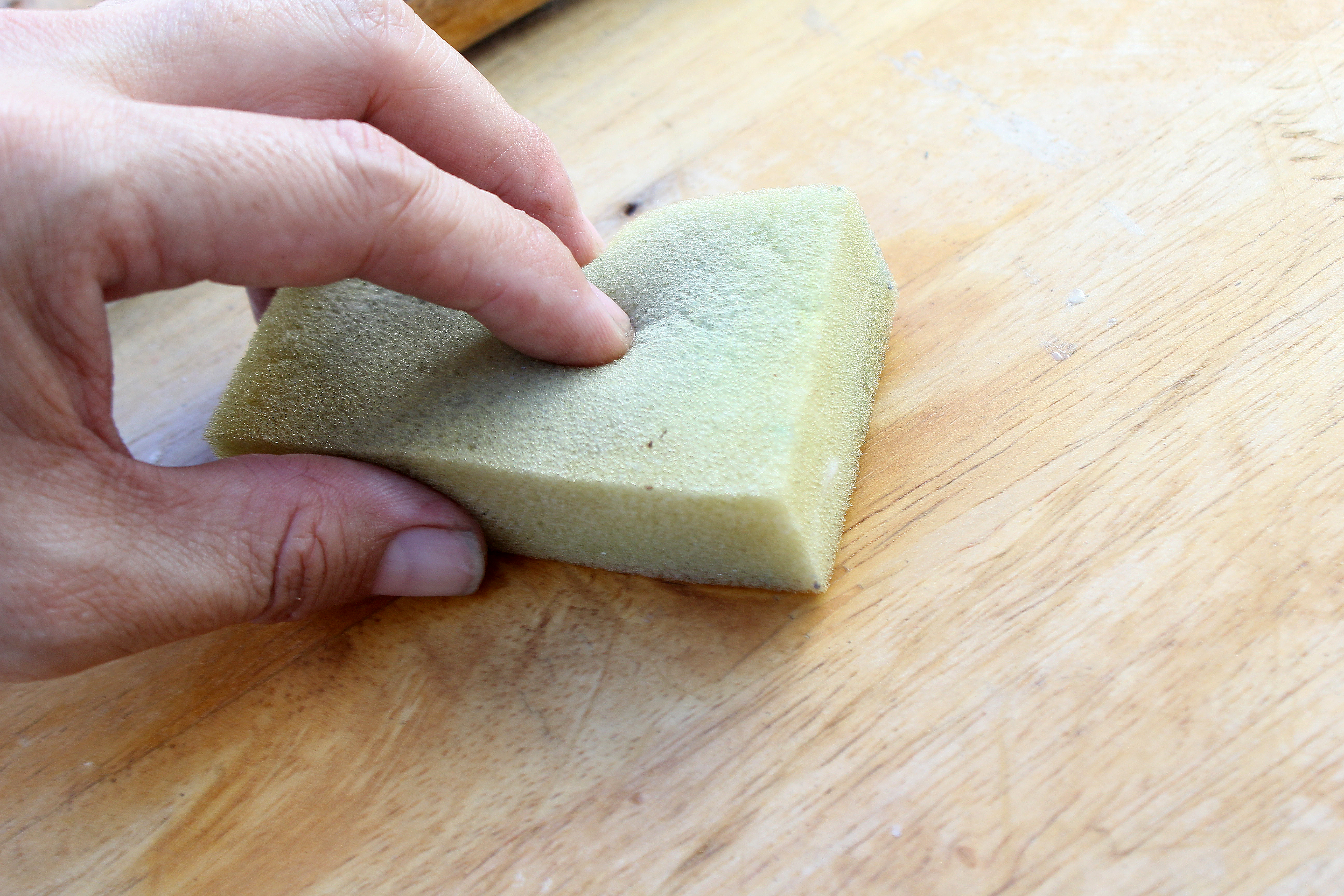
Mix a few drops of dish soap into warm water, dampen a cloth (not dripping), and wipe the area.
This removes oils and reduces the chance of a slippery, dust-magnet finish. Then wipe again with a clean,
slightly damp cloth and dry immediately. -
Step 9: If it’s still sticky, try warm vinegar (only on vinegar-friendly surfaces).
Vinegar can help loosen residue on many non-porous surfaces (like some laminates and glass).
Warm a small amount (warm, not boiling), dampen a cloth, and rub lightlyno soaking.Avoid vinegar on natural stone (like marble) and be cautious on wood finishes. When in doubt, skip
to a surface-safe commercial remover instead. -
Step 10: Use rubbing alcohol sparinglyand only if your finish can handle it.
Isopropyl alcohol can lift sticky residue on some hard surfaces, but it can also dull or strip certain wood
finishes and painted surfaces if left on too long. If you choose to try it:- Spot-test first in a hidden area.
- Apply to a cloth (never pour on the table).
- Wipe quickly, then immediately follow with a damp cloth and dry.
If you have a varnished, shellacked, lacquered, or painted table and you’re unsureskip alcohol and use cold + gentle scraping + a labeled surface-safe remover instead.
-
Step 11: Bring in a commercial adhesive remover for stubborn residue.
If the gum has been living there long enough to pay rent, a commercial adhesive remover can help.
Follow the label exactly. Many removers recommend applying to a cloth, letting it sit briefly (often a few minutes),
then wiping and finishing with hot soapy water.Important: some products warn against use on unfinished wood or unsealed stone. If your table is porous or antique, test carefully or consider professional help.
-
Step 12: Finish like a pro: dry, restore, and protect.
Dry the area thoroughly. For wood tables, buff gently with a clean microfiber cloth. If the spot looks dull,
use a wood-appropriate polish or conditioner (sparingly) and buff. For glass, finish with glass cleaner.
Then celebrate your victory over a substance engineered to stick to molars.
Surface-Specific Tips (Because Tables Are Not All the Same Diva)
Finished Wood Tables
- Start with freezing and plastic scraping. It’s the least risky path.
- Use minimal liquidno soaking the grain or seams.
- Be cautious with rubbing alcohol and avoid harsh solvents unless you’ve tested and you know your finish.
- If residue remains, a tiny amount of oil/petroleum jelly plus a careful soap wipe often does the job.
Unfinished Wood
- Avoid oils that can stain and avoid liquids that soak in.
- Freeze and scrape gently. If a stain remains, you may need light sanding and refinishing in that area.
Laminate or Veneer
- Usually gum lifts well with ice + plastic scraping.
- Don’t flood edges; moisture can swell seams.
- Mild solvents (used carefully) can help with residuespot-test first.
Glass Tables
- Freeze, then lift with a plastic scraper or a razor scraper designed for glass (low angle, gentle pressure).
- Finish with glass cleaner for a streak-free win.
Painted Tables
- Freeze thoroughly so you can lift gum without pulling paint.
- Avoid aggressive solvents; they can soften or discolor paint.
- If paint chips, touch-up paint may be needed after removal.
Troubleshooting: When the Gum Won’t Budge
- It keeps smearing: It’s not frozen enough. Re-ice it longer.
- It’s flaking but residue remains: Switch to the “ghost film” steps (oil/petroleum jelly + soap).
- It’s in cracks/wood grain: Use a soft toothbrush with suds (not a wet scrub) and wipe dry immediately.
- You’re afraid of damaging an expensive table: Stop while you’re ahead. A pro can remove residue without stripping a valuable finish.
How to Prevent Future Gum Incidents (Without Becoming the Gum Police)
- Use placemats and coasterssticky things love bare surfaces.
- Keep a small “sticky mess kit” handy: zip bag, plastic card, microfiber cloth.
- If kids are involved, designate a “gum zone” (trash can nearby, napkins within reach). You don’t need rulesjust logistics.
- Do a quick underside-of-table check occasionally. Gum is sneaky and loves hidden real estate.
Real-World Experiences: Gum Removal Lessons From the Wild (About )
Gum on a table rarely happens during calm, well-lit moments when you have unlimited free time and a helpful soundtrack.
It shows up during birthday parties, hurried homework sessions, or that one meeting where someone thought “I’ll just set this here for a second.”
So let’s talk about what actually plays out in real lifeand what tends to work when you’re not trying to earn a PhD in Sticky Substances.
Scenario 1: The “Under-the-Table Surprise.” You’re wiping crumbs and your fingers meet gum. The instinct is to scrape hard because the gum feels like it’s mocking you.
In practice, the easiest path is to freeze it with a bag of ice pressed upward (yes, your arm will get tired), then pry with a plastic card.
The lesson: under-table gum is often older and dirtier, so expect a second round of freezing and a final wipe to remove film.
Scenario 2: The “Antique Wood Panic.” Someone discovers gum on a table with a delicate finish. This is where people reach for random “strong stuff” and accidentally turn a small gum problem into a finish-repair problem.
The safer play is boring-but-effective: cold, gentle lift, then minimal moisture. If you need help with residue, use a tiny dab of a lubricant (petroleum jelly or oil) and wipe it off promptly with mild soap water.
The lesson: when the table has value (money or memories), slow is fast.
Scenario 3: The “Laminate Desk at Work.” Office desks are often laminate, which usually tolerates careful solvents better than finished wood.
People have luck with ice + scrape, then a small amount of rubbing alcohol on a cloth for the last sticky halofollowed immediately by a damp wipe and dry.
The lesson: even when a surface is tougher, your best results come from using the smallest amount of product that works, not the strongest product you can find.
Scenario 4: The “Glass Table Victory Lap.” Gum on glass can feel like a giftbecause it kind of is.
Freeze it, slide a scraper under it, and it usually lifts like a sticker that finally got tired of clinging to its dreams.
The lesson: the right angle matters more than force. Low angle, gentle pressure, clean lift.
Scenario 5: The “I Tried Everything and Now It’s Worse.” This is what happens when gum got warmed, smeared, and then “cleaned” with too much liquid.
If you’re here, reset: freeze again to re-harden what you can, remove bulk, then address residue like adhesiveshort contact time, spot-tested products, and immediate cleanup.
The lesson: gum removal is a sequence, not a wrestling match. Cold → lift → de-stick → wash → dry. In that order. Always in that order.
Conclusion
Gum on a table is annoying, but it’s not forever. Freeze it, lift it gently with plastic, and treat the leftover residue like the clingy ex it is:
a little patience, the right product, and firm boundaries. Finish with a mild clean and a thorough dry, and your table can go back to being a tablerather than a sticky monument to someone’s poor life choices.