Mole crickets are the tiny underground construction crew you never hired: they tunnel, they uproot, they leave your lawn looking like it lost a wrestling match
with a miniature backhoe. The good news is you don’t have to “nuke the yard from orbit” to get your turf back. The best mole cricket control is a smart mix of
identification, timing, and targeted treatmentsbecause going after the wrong pest at the wrong time is basically just expensive lawn perfume.
This guide walks you through how to find mole crickets, confirm they’re the real culprit, and remove them using an integrated approach: cultural fixes,
biological help, and (when needed) carefully chosen, label-following insecticides. Expect practical steps, a little humor, and zero “just manifest a better lawn”
nonsense.
First: Make Sure It’s Actually Mole Crickets
What mole cricket damage looks like
Mole crickets damage lawns in two main ways: tunneling and feeding. Tunneling loosens soil and breaks grass roots, so turf dries out and lifts easily.
Feeding can thin grass, create dead patches, and invite weeds to throw a house party in the bare spots.
- Raised, squishy turf that feels spongy when you walk on it
- Meandering surface tunnels (especially visible in early morning or after irrigation)
- Irregular brown patches that don’t improve with watering
- Birds, armadillos, or skunks digging (they’re not helping, but they’re “confirming”)
Do the “soapy water flush” test
Before you treat, confirm you’ve got mole cricketsand how many. Mix a small amount of lemon-scented dish soap with water and pour it over a suspect area.
The soap irritates insects and drives them to the surface. Watch for mole crickets popping up within a few minutes.
- Pick a 2-by-2-foot patch (or several patches if the damage is spread out).
- Mix your flush: a common extension-style recipe is about 1 tablespoon per gallon (some guides use roughly 1 ounce per gallon).
- Slowly pour the solution over the patch.
- Count how many mole crickets appear in 2–5 minutes.
If you’re seeing multiple crickets in a small area, that’s your sign to act. Some turf programs use an action threshold around
two mole crickets per square foot (your tolerance may vary depending on whether this is a backyard lawn or a golf green).
Know Your Enemy: Timing Is 80% of the Battle
Mole crickets often have one generation per year in much of the South. Adults are great at survival (and sometimes flying),
while young nymphs are smaller, more vulnerable, and easier to control. Translation: you’ll get better results if you time treatments for the
“teenage” phase, not the fully armored adults.
General seasonal rhythm in many warm-season states
- Spring: Adults become active; mating/egg-laying ramps up (often April–May in parts of the Southeast).
- Late spring/early summer: Eggs hatch; small nymphs start tunneling and feeding.
- Summer (often June–July): Nymphs grow but are still easier to control than adultsthis is a prime treatment window in many extension guides.
- Late summer/fall: Damage may spike again; adults may be more active; some regions see heavy damage late August to early October.
- Winter: Adults and older nymphs stay in soil, feeding during warm spells.
Your exact timing depends on your climate, grass type, and which mole cricket species you’re dealing withso scouting with the soapy flush is your best “calendar.”
Treat what you find, not what the month on your phone claims is happening.
Step-by-Step: How To Remove Mole Crickets (Without Losing Your Mind)
Step 1: Reduce the “welcome mat”
Mole crickets thrive in lawns that are stressed, thatch-heavy, or watered like a tropical resort. The goal isn’t to make your yard harsh and joyless;
it’s to make it less perfect for burrowing pests.
- Fix thatch and compaction: Dethatch if the layer is thick; core-aerate compacted soil so grass roots recover and water moves correctly.
- Water smart: Avoid frequent shallow watering. Deep, infrequent irrigation encourages deeper roots and reduces constantly moist surface soil.
- Mow at the right height: Scalping weakens turf and invites problems. Keep your grass in its recommended range for your species.
- Don’t over-fertilize: Excess nitrogen can push lush growth that’s more vulnerable to pests and stress.
Step 2: Spot-treat when possible
If damage is limited to a few hot spots (and it often ismole crickets love repeat neighborhoods), you can treat those areas instead of the entire lawn.
Spot treatment saves money, reduces environmental impact, and keeps you from feeling like you’re hosting a chemical convention.
Step 3: Use biological controls for a long-game advantage
If you want a more eco-forward approach (or just enjoy the idea of microscopic allies doing the work while you sip iced tea), biological control can help.
Some regionsespecially in the Southeasthave documented long-term suppression from introduced natural enemies like a parasitic wasp and an insect-parasitic nematode.
Beneficial nematodes (especially mole cricket–specific options)
Certain entomopathogenic nematodes can infect and kill mole crickets. One well-known mole cricket specialist is
Steinernema scapterisci, which has been used in parts of the Southeast and can persist under favorable conditions.
Nematodes generally work best when soil is moist (but not flooded), temperatures are appropriate, and you protect them from UV light by applying near dusk
and watering them in as directed.
- Best use case: Repeated problem lawns in warm climates where mole crickets are chronic.
- Best timing: When nymphs are present and soil conditions support nematode survival.
- Reality check: Biological control is rarely instant. Think “improving next month and next year,” not “fixed by Saturday.”
Encourage helpful insects and predators
Healthy lawns support beneficial insects and natural predators. Birds will absolutely hunt mole crickets (though some birds also treat your lawn like a buffet line).
The aim is balanced turf healthnot turning your yard into a sterile green carpet that needs constant rescue.
Step 4: Choose chemical control wisely (and time it like a pro)
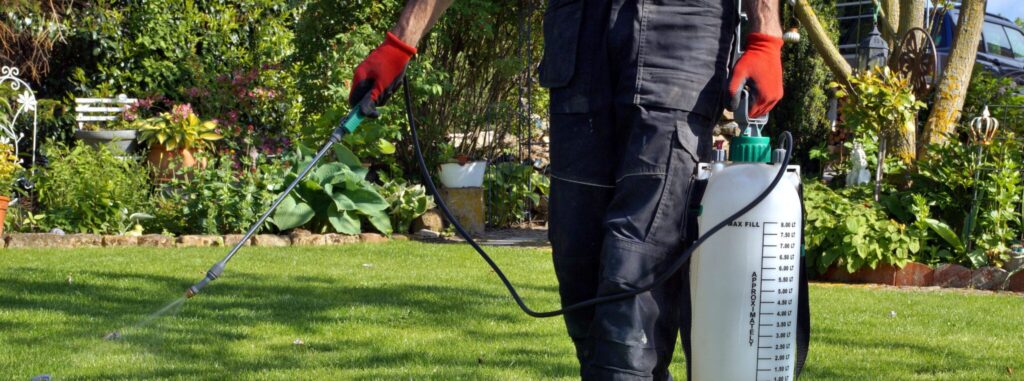
Sometimes, you need insecticidesespecially when populations are high or turf is at risk. The trick is to use the right type, applied at the right time,
and moved into the soil where mole crickets actually live. Broadcast-spraying randomly is the lawn-care version of yelling at your car because it won’t start.
What typically works best: baits and properly watered-in treatments
Mole crickets are often controlled using baits or granular/liquid insecticides labeled for turf. Baits can be effective because
crickets forage at the surface, especially during evening and nighttime hours. Granular or spray treatments often need to be watered in so the active ingredient
reaches the upper soil where crickets tunnel.
Best treatment window: small nymphs
Multiple university turf programs emphasize treating when nymphs are still smalloften in early to mid-summer in many southern states.
That’s when control tends to be more effective and turf damage may still be manageable.
Practical application tips that improve results
- Scout first: Use the soapy water flush to confirm activity and find hot spots.
- Apply when soil is moist: Many products perform better when the top layer of soil isn’t bone-dry.
- Time for evening: Baits especially can perform best when crickets are active near the surface.
- Water-in if the label says so: A light irrigation after application is often critical for soil-active products.
- Recheck in 10–14 days: If you still flush out significant numbers, follow label guidance for any repeat application intervals.
Important safety note: In the U.S., pesticide labels are legally enforceableusing a product in a way that conflicts with the label is not just unsafe,
it’s unlawful. Follow directions for rates, watering, protective equipment, and where the product can be used.
What About “Natural” Home Remedies?
You’ll see plenty of suggestions onlineneem oil, soap sprays, diatomaceous earth, and so on. Here’s the honest truth:
mole crickets spend most of their time underground, so many surface-applied “natural” remedies struggle to reach them consistently.
If you prefer lower-impact control, you’ll typically get better results from:
scouting + spot treatment, beneficial nematodes suited to your conditions,
and lawn health improvements that help turf tolerate and recover from damage.
How To Repair Your Lawn After You Remove Mole Crickets
Even successful control can leave your lawn looking like it went through a rough breakup. Recovery is where you win long-term.
Quick recovery checklist
- Rake and level: Break up tunnels, press lifted sod back into contact with soil, and topdress low spots if needed.
- Overseed or plug: Use grass types suited to your region (cool-season vs. warm-season).
- Water correctly: Keep new seed moist while establishing, then transition to deeper, less frequent watering.
- Feed lightly: Use appropriate fertilizer timingavoid heavy nitrogen during heat stress.
- Watch for reinfestation: Re-scout the same hot spotsmole crickets love a sequel.
Prevention: Keep Mole Crickets From Coming Back
Total “never again” guarantees are rare (mole crickets can fly, and nature is persistent). But you can reduce repeat damage by staying consistent with
monitoring and turf resilience.
A simple seasonal plan
- Spring: Watch for early tunneling; flush-test if you see damage. Decide if you need action or can wait for nymph timing.
- Early summer: Flush-test and treat small nymphs if counts justify it. Spot-treat historical trouble zones.
- Late summer/fall: Monitor for renewed activity; address localized outbreaks and repair turf before cooler weather.
- Year-round: Maintain correct mowing, irrigation, and thatch control so grass can outcompete pests and stress.
Troubleshooting: Common Reasons Treatments “Don’t Work”
You treated too late
If you’re going after large adults after major damage is already obvious, results can be slower and turf recovery takes longer. Catching nymphs is usually easier.
You didn’t move the product into the soil
Many turf insecticides need to be watered in to reach the zone where mole crickets tunnel. If the label calls for irrigation, skipping it can reduce performance.
You treated the whole yard instead of the hot spots
This sounds backward, but it matters: spreading your effort across a huge area can dilute attention from the places where the population is actually concentrated.
Scout and focus.
It wasn’t mole crickets
Grubs, drought stress, fungal issues, and irrigation problems can mimic mole cricket damage. The flush test keeps you honestand saves you from accidental lawn drama.
Experience Corner: What It’s Like to Actually Battle Mole Crickets (500+ Words)
Here’s what most guides don’t tell you: the hardest part of removing mole crickets isn’t the product choiceit’s the emotional journey of realizing your lawn has
been quietly undermined by an insect with shovel-hands. The first time you notice the “spongy” feel, you assume it’s just soggy soil. Then you see the little
ridges and think, “Maybe the grass is… growing enthusiastically?” That’s optimism. Cherish it. It won’t last.
In real life, a mole cricket problem tends to show up in the same places like an uninvited relative: the strip along the driveway, the sunny patch near the patio,
the side yard where your sprinkler slightly overachieves. You’ll often hear people say, “My whole lawn is ruined,” but when you actually do the soapy flush test,
the crickets pop up in clusters. That moment is both disgusting and weirdly satisfyinglike catching the culprit on security footage. You finally have proof.
The next experience lesson is timing. Homeowners often treat when they’re mad, not when the pest is vulnerable. That usually means late summer, when the lawn looks
rough and frustration is peaking. But the better play is earlier: you catch nymphs when they’re small, and you’re not trying to rescue grass that’s already
half-detached from the planet. A lot of people discover this the hard way: they apply something once, see modest improvement, then the tunnels return and morale
collapses. What’s happening is usually some combination of “you hit some crickets but not the life stage at peak susceptibility,” plus “the lawn still needs
recovery work.”
Another very real factor: watering. People either overwater out of panic (“Maybe the brown spots are thirsty!”) or under-water because they’re afraid irrigation will
“help the crickets.” The truth is more annoying: you need moisture for healthy turf, and you often need moisture to make treatments workespecially if you’re using
beneficial nematodes or products that must move into the soil. The trick is not more water; it’s better water. Deep, infrequent irrigation for established
turf, and label-guided watering-in when you apply a treatment. That balance is what separates “I tried everything” from “I fixed it.”
If you go the biological route, you learn patience. Beneficial nematodes don’t give you the instant gratification of a dramatic “pest apocalypse” the way some
people imagine pesticides do. Instead, you might notice less tunneling over a few weeks, fewer crickets coming up in flush tests, and fewer new problem areas next
season. It feels subtleuntil you compare your current summer to last summer and realize you’re no longer losing turf in sheets.
Finally, there’s the recovery phasewhere you stop thinking like a firefighter and start thinking like a lawn coach. Level the tunnels. Reseat lifted sod. Fill low
spots. Overseed where you can. And don’t underestimate how much psychological comfort you get from seeing new green growth in the damaged areas. That’s when the
whole battle flips: you’re not just removing mole crickets; you’re rebuilding a yard that can handle future stress without falling apart. And yes, you absolutely
deserve to brag about it at the next cookout.