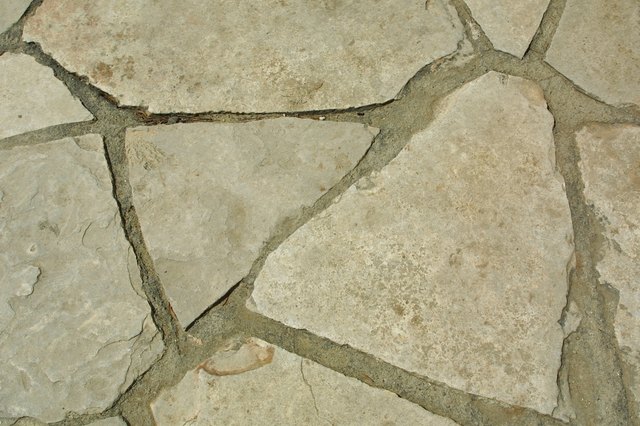
If you’ve ever carried a greasy grill pan outside, parked a leaky mower too close to the back door, or dropped a slice of pizza face-down on the patio (we’ve all been there), you already know: oil and slate are not best friends. The good news? An ugly oil stain on your slate patio is usually fixable. The even better news? You can often remove it with things you already have under your kitchen sink.
This guide walks you step-by-step through how to remove an oil stain from a slate patio, from fresh spills to stubborn old marks that seem permanently baked in. We’ll talk about safe cleaners for natural stone, when to use a poultice, and how to keep your patio looking good going forwardwithout turning it into a science experiment.
Why Oil Stains Are Tricky on Slate
Slate is a natural stone, which means it’s slightly porous. When oil hits the surface, it doesn’t just sit on top; it can slowly seep down into those tiny pores. That’s why wiping once with a paper towel doesn’t always cut it.
Two things determine how stubborn the stain will be:
- How long the oil has been there. Fresh spill? Easy. A dark ring from last summer’s barbecue? That’s “poultice” territory.
- Whether your slate is sealed. A sealed slate patio gives you more time to act. On unsealed slate, oil can soak in faster and deeper.
The trick is to pull the oil back out of the stone instead of just scrubbing the surface. That’s where absorbent materials and poultices come in.
Before You Start: Safety and Prep
Before grabbing the nearest cleaner, a few quick checks will save your slate (and your lungs):
1. Check what kind of slate and finish you have
Most outdoor slate patios have a natural cleft, slightly textured surface. Some might be honed smoother or even coated with a gloss sealer. In general:
- Natural, textured slate is fairly tough but still doesn’t love harsh acids.
- Honed or polished slate can show etching and dull spots more easily if you use the wrong cleaner.
2. Gather basic tools and supplies
You won’t need all of these for every method, but having them ready makes the job easier:
- Paper towels or clean rags
- Absorbent material: baking soda, cat litter, sand, or cornstarch
- Mild dish soap (a grease-cutting kind)
- Warm water and a bucket
- Soft nylon brush or stiff nylon scrub brush (no metal bristles)
- Plastic scraper or old plastic putty knife
- White absorbent powder (baking soda, diatomaceous earth, or powdered chalk) for a poultice
- Mineral spirits, acetone, or a stone-safe oil stain remover (for deep stains)
- Plastic wrap or a plastic bag and painter’s tape (for poultice method)
- Rubber gloves and eye protection for stronger cleaners
3. Test a small, hidden spot first
Whatever cleaner or solvent you use, always test it in an inconspicuous corner of the patio first. Slate colors can vary wildly, and you want to be sure your method won’t darken, dull, or bleach the surface.
Step-by-Step: How to Remove a Fresh Oil Stain from Slate
If the spill is recentmotor oil, cooking oil, salad dressing, or any greasy dripyou’re in the “best case” situation. Act fast and you might erase it almost completely.
Step 1: Blot, don’t wipe
Lay down paper towels or a clean cloth and press gently to soak up as much liquid as possible. Don’t scrub or smear, because that can spread the oil across more of the slate.
Step 2: Cover with an absorbent
Next, sprinkle a generous layer of an absorbent material directly over the stain:
- Baking soda
- Unscented cat litter
- Sand
- Cornstarch
Make a small “mound” over the stain and let it sit for at least 15–30 minutes. For a heavier spill, leaving it a few hours is even better.
Step 3: Sweep and inspect
Sweep up the absorbent and check the slate. You may notice:
- The stain is almost gone – nice, you’re nearly done.
- The stain is lighter but still visible – keep going with cleaning.
- The stain looks unchanged – you’ll probably need a poultice.
Step 4: Wash with a mild degreasing soap
Mix a few drops of grease-cutting dish soap into a bucket of warm water. Use a nylon brush to scrub the stained area gently in small circles. Rinse well with clean water and let the slate dry completely.
Sometimes this combination of absorbent + soapy scrub is enough to remove a fresh oil stain entirely. If a faint shadow remains, it’s time to bring in the heavy artillery: poultices and stone-safe oil removers.
Deep Cleaning: Removing Old or Stubborn Oil Stains
If your slate patio has a dark, greasy stain that has been sitting for days, weeks, or longer, the oil has likely soaked into the stone. At this point, simple scrubbing won’t pull it out. You need something that can draw the oil up from below the surface.
Option 1: Dish Soap & Hot Water (Enhanced Version)
This is the simplest “upgrade” before you move on to solvents:
- Mix a strong solution of hot (not boiling) water and grease-cutting dish soap in a bucket.
- Apply generously to the stained area and let it sit for 5–10 minutes so it can break down the oil.
- Scrub with a stiff nylon brush, working in several directions.
- Rinse thoroughly with clean water and allow the stone to dry.
If the stain has lightened but is still visible, repeat once or twice. If it’s barely budging, it’s time for a poultice.
Option 2: DIY Poultice for Oil Stains
A poultice is basically a thick, pasty stain magnet. It works by combining a solvent that dissolves the oil with an absorbent powder that pulls the dissolved oil out of the stone as it dries.
What you’ll need
- Absorbent powder: baking soda, powdered chalk, or diatomaceous earth
- Solvent: mineral spirits or acetone (stone-safe and common for oil-based stains)
- Plastic wrap or plastic bag
- Painter’s tape
- Plastic scraper
How to make and use the poultice
- Pre-clean the area. Remove loose dirt and do a quick soap-and-water scrub so you’re working directly on the stain.
- Mix the poultice. In a small container, combine the absorbent powder with just enough solvent to form a thick, peanut-butter-like paste. It should be spreadable, not runny.
- Apply to the stain. Spread the paste over the stain, extending it about ½ inch beyond the edges.
- Cover and seal. Place plastic wrap over the poultice and tape down the edges. This slows evaporation and gives the solvent time to dissolve the oil inside the stone.
- Let it sit. Leave the poultice in place for 24–48 hours. As it dries, it will draw the oil up into the powder.
- Remove and rinse. Peel off the plastic, scrape up the dried poultice with a plastic scraper, and rinse the area thoroughly with clean water. Allow it to dry completely.
Once dry, check the slate in natural light. If the stain is still visible but lighter, you can repeat the poultice process. Deep or very old stains may take two or three rounds to fade significantly.
Option 3: Stone-Safe Commercial Oil Stain Removers
If you’d rather not experiment with solvents, or the stain laughs in the face of your DIY poultice, consider a commercial product labeled specifically for natural stone and oil stains. These are often poultice-style pastes or gel degreasers formulated to be safe on materials like slate, granite, and limestone.
When using a commercial cleaner:
- Confirm it says “safe for natural stone” or specifically mentions slate.
- Follow the manufacturer’s directions for dwell time and rinsing.
- Still test in a hidden corner firstbrands differ, and slate finishes vary.
These products can be especially helpful if your patio has multiple stains or if you’re prepping the patio for resealing and want a uniform, clean surface.
What NOT to Use on Slate
When you’re staring at a dark, greasy stain, it’s tempting to throw every cleaner in the garage at it. Resist. Certain products can permanently damage or discolor your slate patio.
- No vinegar or strong acids. Acidic cleaners can etch natural stone, dulling the surface and leaving light spots.
- Avoid harsh bleach mixes. Occasional diluted bleach may be used on some outdoor surfaces, but it’s generally not recommended on slateespecially not in strong concentrations or repeated applications.
- No wire brushes or metal scrapers. These can scratch the slate and make it harder to clean in the future.
- Don’t mix cleaners. Never combine bleach and ammonia, or bleach and acidic cleanersthis can create toxic fumes.
Stick to pH-neutral or stone-safe cleaners, mild dish soap, and tested stone-safe solvents/degreasers. Gentle but persistent usually wins the battle with natural stone.
How to Prevent Future Oil Stains on Your Slate Patio
Once you’ve dealt with an oil stain, you’ll probably be motivated to keep it from happening again. A few simple habits can dramatically reduce your risk of future stains:
1. Seal the slate patio
A good-quality penetrating stone sealer designed for natural stone helps repel oil and water, giving you more time to wipe up spills before they soak in. Follow the sealer manufacturer’s directions for:
- Surface prep (thorough cleaning and complete drying)
- Number of coats
- Reapplication schedule (often every 1–3 years outdoors)
2. Use mats and trays in “high-risk” areas
Place a heavy-duty outdoor mat:
- Under your grill or smoker
- Where vehicles or lawn equipment might drip oil
- Near outdoor kitchens or food prep zones
Drips and splatters land on the mat instead of your stone, which is a trade most slate would gladly make.
3. Clean spills immediately
The fastest way to avoid a serious oil stain is to treat every spill like an emergency. Blot, cover with absorbent, and wash with soapy water right away. An extra five minutes now can save you hours of poultice duty later.
4. Maintain a basic cleaning routine
Even when there’s no dramatic spill, keep your slate patio in good shape by:
- Sweeping regularly to remove grit and debris
- Washing occasionally with a pH-neutral stone cleaner or mild soap
- Rinsing thoroughly so no soapy residue attracts new grime
Quick Troubleshooting: Common Questions
“The stain is lighter but still there after a poultice. Should I keep going?”
Yes, within reason. Deep stains often respond gradually. If each round of poultice makes a noticeable improvement, another application can be worthwhile. If nothing changes after two rounds, consider a different solvent, a commercial stone-safe oil remover, or a professional stone care specialist.
“The area looks darker after cleaning. Did I make it worse?”
Sometimes slate looks darker while it’s still damp or if the surface is temporarily more saturated from cleaning. Let it dry completelyideally overnightbefore deciding whether the stain is truly worse. If it’s still darker when fully dry, it may mean the oil is still present and you’ll need a stronger poultice treatment.
“Can pressure washing fix an oil stain?”
Pressure washing can remove surface grime and lighten some stains, but it usually can’t pull oil out of the pores of the stone. Used too aggressively, it can also damage the slate’s surface or disturb mortar joints. If you pressure wash, use a moderate setting and treat it as a finishing step, not the main stain-removal method.
Real-World Experiences Removing Oil From Slate Patios
It’s one thing to read a list of steps; it’s another to stare down a big, black oil blotch on your favorite patio and wonder if you’ve ruined everything. Here are a few “field-tested” experiences that show how this really plays out in everyday life.
The Grill Grease Incident
Imagine this: you’re hosting a cookout, carrying a pan of grilled burgers across the patio. The pan tilts, grease sloshes over the edge, and suddenly your beautiful slate has a shiny, spreading puddle of oil. Everyone gasps. You seriously consider throwing a rug over it and pretending nothing happened.
The homeowner in this story did two smart things:
- Immediate blotting. They grabbed a stack of paper towels and gently pressed them into the spill, swapping out sheets until very little oil transferred.
- Absorbent + soap. Then they poured baking soda over the whole area and left it for about an hour before sweeping it up and scrubbing with hot soapy water.
The result? The next day, the stain was barely visible. A week later, after sun and rain, it had blended in with the natural color variation of the stone. No poultice needed, just quick action and basic kitchen supplies.
The Mystery Motor Oil Shadow
Another homeowner noticed a dark, round stain near the edge of their slate patio. After some detective work, they realized the culprit was a lawn mower that had been parked there for a weekend, slowly dripping oil.
Because the stain was already several days old by the time they noticed, simple soap and water barely touched it. Here’s what finally worked:
- First, a light scrub with dish soap and warm water to remove surface grime.
- Then, a DIY poultice made from diatomaceous earth and mineral spirits, applied thickly and covered with plastic for 48 hours.
- After scraping and rinsing, the stain was dramatically lighter, but still faintly visible.
- A second poultice treatment finished the job to the point where the stain was only noticeable if you knew exactly where to look.
The key takeaway from this case was patience. The slate looked patchy and odd while the poultice was drying, and for a day or two afterward the stone color seemed uneven. But as the stone fully dried and weathered, the cleaned area blended back in.
The “I Tried Everything in the Garage” Lesson
Not every experiment goes smoothly. One DIYer, desperate to erase a stubborn oil spot, made the mistake of testing a harsh concrete cleaner designed for plain, unsealed concretenot natural stone. The product did lighten the stain, but it also left a dull, etched patch on what had been a nicely textured slate surface.
To blend the damage, they ended up needing professional help: a stone care pro to clean the whole patio, lightly hone the damaged area, and apply a penetrating sealer to even out the appearance. It looked good in the end, but it cost a lot more than a stone-safe cleaner would have.
The moral of that story is simple: if you’re working on slate or any natural stone, you cannot treat it like basic concrete. What works on a driveway or a garage floor may be far too aggressive for a patio made of slate.
What These Stories Have in Common
Across all these experiences, a few themes repeat:
- Fast action beats fancy products. Blotting and absorbing early can prevent the need for stronger chemicals later.
- Poultices really do workslowly. They’re not instant, but they’re one of the most effective ways to draw oil out of porous stone.
- Stone-safe products matter. The right cleaner is boring and gentle, which is exactly what your slate needs.
- Sealing after cleaning is worth it. Once you’ve put in the effort to remove an oil stain, a good sealer gives you a protective “buffer time” for future spills.
The bottom line: that oil stain on your slate patio is annoying, but it’s rarely a disaster. With the right combination of blotting, absorbents, soap, and (if needed) a poultice or stone-safe degreaser, you can usually restore your patio and get back to enjoying itpreferably with non-greasy snacks this time.
Conclusion
Removing an oil stain from a slate patio comes down to three main moves: act fast, use absorbents, and pull the oil out of the stone instead of just scrubbing the surface. Fresh spills often respond to simple blotting, baking soda or cat litter, and a good dish-soap scrub. Older, deeper stains may need a poultice or a commercial stone-safe oil remover and a bit of patience.
Once the stain is goneor at least faded into the natural color variation of your slateprotect your hard work with a quality penetrating sealer and some simple habits like using mats under grills and cleaning spills right away. Your slate patio will thank you by looking good for years, instead of reminding you of “that one time with the burger grease.”