If your neck feels like it has been carrying the emotional weight of your inbox, your trapezius muscles may be begging for a little attention. The trapezius is the large muscle that runs from the base of your skull across your shoulders and down your upper back. When it gets tight, you may feel neck stiffness, upper back tension, shoulder soreness, headaches, or that charming sensation of wearing an invisible backpack full of bricks.
The good news is that a smart trapezius stretch routine can help. The even better news is that it does not require incense, a mountaintop, or the flexibility of a house cat. What it does require is patience, good form, and the ability to stop before your body says, “Absolutely not.”
This guide walks you through 13 steps to stretch trapezius muscles safely, plus practical advice on posture, desk habits, recovery, and common real-world experiences people have when their traps tighten up. It is written for routine muscle tightness, not serious injury. If you have pain after an accident, numbness, tingling, arm weakness, balance problems, fever, or pain shooting down the arm, skip the DIY heroics and get checked by a healthcare professional.
Why trapezius muscles get tight in the first place
Your trapezius muscles work all day, even when you are not thinking about them. They help move and stabilize your shoulders, support your neck, and assist with posture. That means they tend to get cranky when you spend hours hunched over a laptop, hold tension in your shoulders, carry heavy bags, sleep in awkward positions, or do workouts with more enthusiasm than form.
Tight upper trapezius muscles often show up alongside forward head posture, rounded shoulders, stiff chest muscles, and weak upper back support muscles. In other words, the issue is not always just the trap itself. Sometimes the trapezius is the loud coworker complaining because the rest of the team is not pulling its weight.
How to stretch trapezius muscles: 13 steps
Step 1: Do a quick symptom check before you start
Before stretching, pause for a ten-second reality check. Mild tightness, stiffness, and muscular soreness usually respond well to gentle movement. Sharp pain, severe pain, numbness, tingling, weakness, dizziness, or pain after a fall are a different story. Stretching should feel relieving or mildly intense, never scary, electric, or “I may regret this by dinner.”
Step 2: Warm up the area first
Cold, irritated muscles are not always eager to cooperate. Spend five to ten minutes doing a light warm-up before your first upper trapezius stretch. A warm shower works beautifully. So does a heating pad on a low setting, a brisk walk, or a few minutes of gentle shoulder movement. Warm tissue tends to move more comfortably, and that can make your stretching session feel less like a negotiation with stubborn spaghetti.
Step 3: Set your posture before every stretch
Stand or sit tall with your feet grounded. Let your shoulders drop down and slightly back. Keep your chest relaxed, not puffed out like you are auditioning to play a superhero. Imagine a string gently lifting the top of your head toward the ceiling. This neutral setup matters because if you start from a slumped or twisted position, you may miss the stretch or dump more strain into the wrong area.
Step 4: Do a gentle chin tuck
A chin tuck helps line up your head over your shoulders and reduces the “tech neck” position that often keeps the traps tense. Pull your chin straight back as if you are making a subtle double chin. Do not tip your head up or down. Hold for five seconds, then relax. Repeat five times. It is a tiny movement, but it often makes every stretch that follows feel cleaner and more effective.
Step 5: Begin the basic side-bend stretch
Now for the classic move. Keep your shoulders level and slowly bring your right ear toward your right shoulder. Do not raise the shoulder to meet the ear. The goal is to lengthen the left upper trapezius, not create a neck-and-shoulder reunion. Hold for 15 to 30 seconds, then come back to center. Repeat on the other side. Do two to three rounds per side.
Step 6: Add light hand assistance for a deeper upper trapezius stretch
Once the basic version feels comfortable, place your right hand lightly on the top of your head as your right ear moves toward your right shoulder. The word here is lightly. You are guiding, not yanking. Let the weight of your hand add a little extra stretch to the left side of your neck and upper shoulder. If your face tightens up or you find yourself holding your breath, back off a notch.
Step 7: Anchor the opposite arm
To increase the stretch without forcing your neck, let the arm on the stretching side reach toward the floor. Example: if your head bends to the right, reach your left fingertips down. You can also tuck that hand behind your back if it feels comfortable. This small adjustment often helps you feel the stretch farther down into the upper trapezius instead of only along the side of the neck.
Step 8: Turn your nose slightly toward your armpit
If the side-bend stretch gets the upper trapezius, this tweak can help nearby fibers and surrounding tissue that also contribute to neck tightness. From the side-bent position, rotate your nose slightly toward your right armpit if you are stretching the left side. The sensation may shift from the side of the neck to the back corner of the neck and shoulder. Hold 15 to 30 seconds and breathe normally.
Step 9: Use slow shoulder rolls between sides
Come back to center and do five slow shoulder rolls up, back, and down. Then reverse for five more. This is not just filler. Shoulder rolls help your upper back and shoulder girdle move together, and they can reduce the “stuck” feeling that makes neck stretching less effective. Keep the movement smooth and controlled. Save the dramatic shrugging for bad customer service, not rehab.
Step 10: Add scapular squeezes
Sit or stand tall and gently squeeze your shoulder blades back and slightly down, as if you are trying to hold a thin envelope between them. Hold for five seconds and repeat eight to ten times. Why include this in a trapezius stretching routine? Because the traps often tighten when your shoulder blades live too far forward all day. Teaching the upper back to support posture can help the stretch “stick” longer.
Step 11: Stretch across the chest
Bring one arm across your body and use the other hand to support the upper arm, not the elbow. Pull gently until you feel a stretch in the back of the shoulder and upper back. Hold for 20 to 30 seconds per side. This move does not isolate the trapezius, but it can relieve surrounding shoulder tension that feeds into upper trap discomfort, especially if you have been typing, driving, or doing upper-body workouts.
Step 12: Open your chest with a doorway stretch
Place your forearms on a doorway or wall corner and gently lean forward until you feel a stretch across the front of your chest and shoulders. Hold for 20 to 30 seconds. Tight chest muscles and rounded shoulders often pull your posture forward, which means your upper trapezius has to work harder to hold your head and shoulders in place. Stretching the front of the body can take pressure off the back of the body. The traps appreciate that kind of teamwork.
Step 13: Finish with calm breathing and a recheck
After your last stretch, stand or sit quietly and take five slow breaths. Notice whether your shoulders sit lower, your neck turns more easily, or your tension headache feels less bossy. A successful trapezius stretching session should leave you feeling looser, not fried. Most people do well with this routine once or twice a day during tight periods, then a few times a week for maintenance.
How long should you hold trapezius stretches?
For most routine tightness, a hold of 15 to 30 seconds works well, repeated 2 to 4 times per side. Move slowly into the stretch and back out of it. No bouncing. No jerking. No competitive stretching with yourself. Gentle consistency beats heroic intensity every time.
Common mistakes that make trap stretching less effective
- Lifting the shoulder toward the ear: This shortens the muscle you are trying to lengthen.
- Pulling too hard with the top hand: More force does not automatically mean more relief.
- Holding your breath: Tense breathing keeps tense muscles tense. Rude, but true.
- Skipping posture work: Stretching helps, but if you go right back to slumping over your phone like a question mark, tightness often returns.
- Ignoring surrounding muscles: Chest tightness, weak upper back muscles, and poor desk setup often contribute to trapezius pain.
How to keep trapezius muscles from tightening again
Fix your desk setup
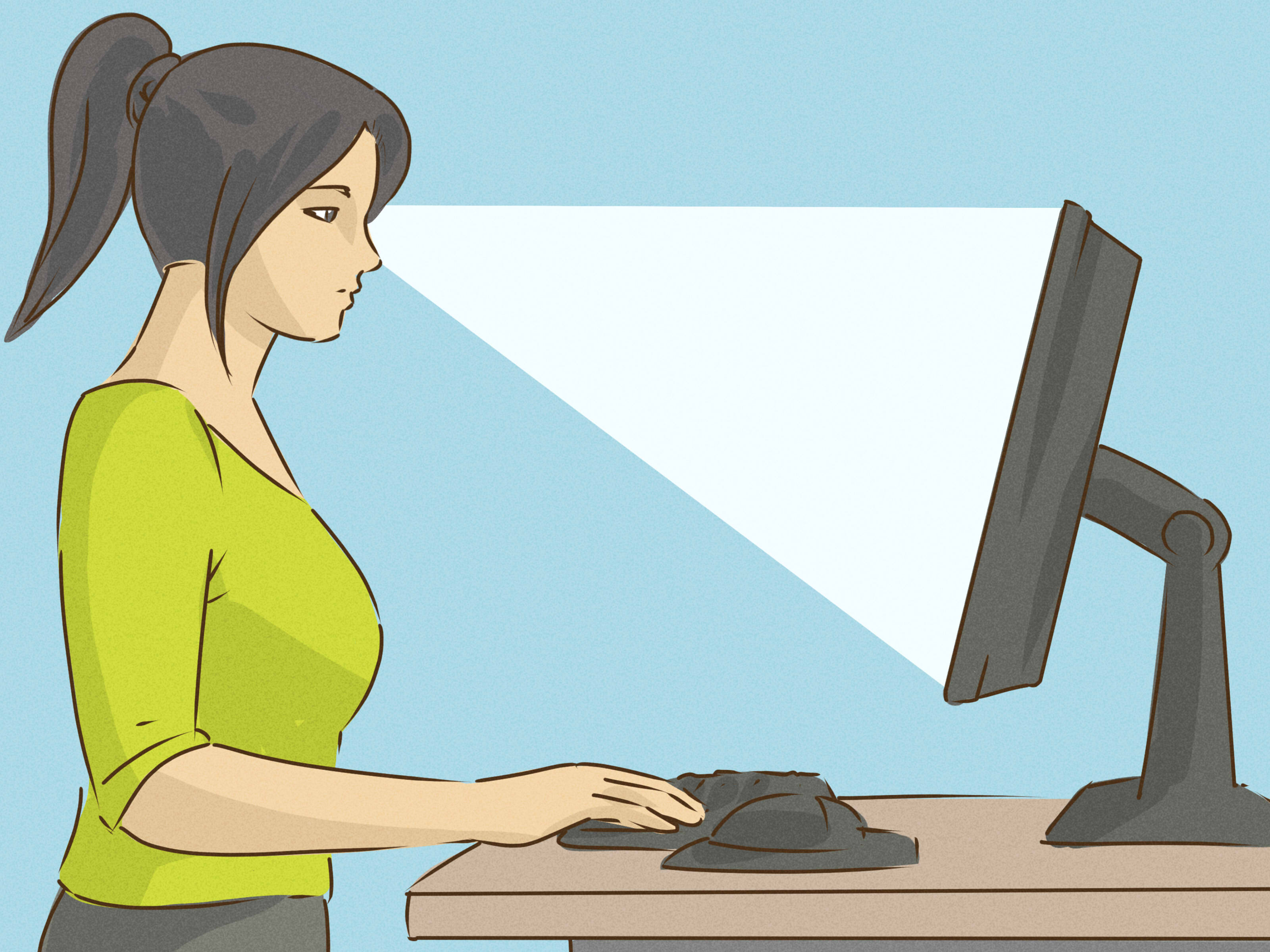
Keep your screen closer to eye level, your elbows around 90 degrees, and your shoulders relaxed. If you use a laptop all day, an external keyboard can help a lot. Looking down for hours is one of the fastest ways to irritate the neck and upper trapezius.
Take movement breaks
Get up every 30 to 60 minutes. Walk, stretch, roll your shoulders, or do a few chin tucks. Your body likes variety. Remaining frozen in one position, even a “good” position, can still make muscles stiff.
Train, do not just stretch
Stretching feels good, but long-term relief often comes from balancing mobility with strength. Exercises for the mid-back, lower trapezius, rotator cuff, and deep neck flexors can improve posture and reduce strain on the upper traps. Think rows, band pull-aparts, light scapular retraction work, and controlled chin tucks.
Watch how you carry stress
Some people furrow their brow when stressed. Others elevate their shoulders until they are practically wearing them as earrings. If that sounds familiar, set reminders during the day to unclench your jaw, relax your shoulders, and breathe.
Check your sleep habits
A pillow that cranks your head sideways all night can leave your trapezius muscles furious by morning. Aim for a neutral neck position whether you sleep on your back or side. If you wake up feeling twisted like a pretzel, your sleep setup may deserve some attention.
When to stop stretching and get medical advice
Home stretching is best for mild muscular tightness. It is not the right move for every symptom. Stop and seek medical care if you have pain after an injury, arm weakness, numbness, tingling, severe headache, fever, trouble walking, balance problems, or pain that shoots down the arm. Also get checked if symptoms are not improving after a week or two of good self-care, or if your pain keeps waking you up at night.
Real-world experiences people often have with tight trapezius muscles
One of the most common experiences is the “desk-day trap lock.” Someone starts the morning feeling normal, sits through meetings, answers emails for hours, and by late afternoon the neck feels stiff, the shoulders creep upward, and turning the head while backing out of a parking spot suddenly feels like a major athletic event. In these cases, the problem usually is not one dramatic injury. It is the slow build of poor posture, low movement, and tension that accumulates hour by hour.
Another familiar pattern is the “stress shrug.” During deadlines, exams, family chaos, or plain old life overload, people unconsciously hold their shoulders elevated. They do not notice it until they finally try to relax and realize the muscles along the neck and upper shoulder feel hard as rope. A short stretch routine can help, but what often makes the biggest difference is learning to notice the habit in real time. When people pair stretching with deep breathing and posture resets, they often get more lasting relief.
Gym-goers have their own trapezius story. Sometimes it shows up after heavy shrugs, deadlifts, overhead pressing, or upper-body days where the neck muscles quietly take over work that should have been shared by the shoulders and upper back. In that situation, stretching can calm the area, but people often notice the tightness keeps returning until they clean up form, reduce load temporarily, and improve mobility in the chest and upper back.
Side sleepers also report a very specific morning version of trapezius tension. They wake up with one side tighter than the other, usually because the pillow height pushes the neck into a tilted position for hours. A good stretch session helps them feel better, but the real breakthrough often comes when they adjust the pillow so the head stays more neutral. It is not glamorous advice, but neither is waking up feeling like you slept in a folding chair.
Then there is the “phone neck” crowd, which is a very large crowd because, well, modern life. People spend more time looking down than they realize. The upper trapezius ends up helping support a forward head posture, and over time that can create a cycle of stiffness, soreness, and headaches. Many people are surprised that the biggest relief does not come from a single magic stretch. It comes from a combination of short stretching sessions, lifting screens to eye level, taking breaks, and strengthening the upper back.
People who get tension headaches often notice that their trapezius and neck muscles feel tight at the same time. They describe it as a band of pressure, a heavy neck, or soreness that creeps from the shoulders upward. Gentle stretching can be part of relief, especially when combined with hydration, movement, rest, and stress management. But if headaches are severe, unusual, or paired with neurological symptoms, it is important not to shrug those off as “just tight traps.”
What these experiences have in common is simple: trapezius tightness usually responds best when stretching is part of a bigger picture. People feel the best results when they stretch gently, improve posture, move more often, and stop waiting until their shoulders feel like concrete before doing something about it. In other words, the trapezius likes regular care, not emergency negotiations.
Conclusion
If you want to know how to stretch trapezius muscles effectively, start with the basics: warm up first, use gentle side-bending, keep your shoulders down, add light assistance only when it feels good, and support the results with posture, shoulder blade control, and regular movement breaks. The goal is not to force the muscle into submission. The goal is to teach it that it no longer has to work overtime. Treat your trapezius like a hardworking employee that deserves better management, and it may finally stop filing daily complaints.