Taking your first shower after surgery can feel oddly dramatic. One minute you are simply trying to wash your hair; the next, you are negotiating with medical tape, a tender incision, and a showerhead that suddenly seems as powerful as a fire hose. The good news is that showering after surgery is often safe when your surgeon says it is safe, and it can even help you feel more human again. The important part is knowing how to protect your incision, avoid soaking the wound, and spot signs that something needs medical attention.
This guide explains how to take a shower after surgery, how to care for an incision, what to do with dressings, staples, stitches, Steri-Strips, or surgical glue, and when to call your healthcare provider. Think of it as your calm, practical post-op bathroom buddyminus the awkward small talk.
Why Showering After Surgery Requires Extra Care
A surgical incision is a controlled cut made through the skin during an operation. After surgery, the body immediately begins repairing that area. New tissue forms, the edges of the wound seal, and the skin barrier slowly regains strength. During this healing period, your incision is more vulnerable to irritation, infection, and reopening if it is scrubbed, soaked, pulled, or handled roughly.
That does not mean you need to avoid water forever. In many cases, patients are allowed to shower within 24 to 48 hours after surgery, depending on the procedure, the type of closure, the dressing, drainage, and the surgeon’s instructions. A shower is usually safer than a bath because water runs off the body instead of letting the incision sit in moisture. Soaking in a bathtub, hot tub, swimming pool, or lake is usually off-limits until your incision is fully healed and your doctor clears it.
First Rule: Follow Your Surgeon’s Instructions
The most important rule for showering after surgery is simple: your own discharge instructions outrank general advice. Different procedures have different timelines. A small laparoscopic incision covered with surgical glue may be handled differently from a spine incision, a graft site, a drain site, or a wound left open to heal from the inside out.
Before showering, check your paperwork or call your surgical team if you are unsure. Look for details such as when you may shower, whether the dressing should stay on or come off, whether the incision must remain dry, and whether you should cover the wound with plastic wrap or a waterproof dressing. If the instructions say sponge baths only, do not try to outsmart them. Your incision is not a contestant on a survival show.
When Can You Shower After Surgery?
Many closed surgical wounds may tolerate a gentle shower after 24 to 48 hours, but timing depends on the surgery and closure method. Some surgeons allow showering the next day. Others recommend waiting longer, especially if there is drainage, a drain tube, a large dressing, a graft, a complex wound, or a high-risk incision.
General Timing Guidelines
For a typical closed incision, showering may be allowed once bleeding has stopped, the dressing plan is clear, and the surgeon has approved it. If you have a waterproof dressing, you may be told to shower while keeping it sealed. If the dressing edges are lifting or wet, call your care team because moisture trapped under a loose dressing can irritate the skin and increase infection risk.
If your incision is open, packed, draining heavily, or being treated with special dressings, the shower plan may be different. Some wounds can be gently rinsed in the shower, while others must be kept dry. This is why “ask your surgeon” is not a lazy answerit is the medically correct one.
How to Prepare Before Your First Post-Surgery Shower
A safe shower after surgery begins before you turn on the water. Post-op showers are not the moment for acrobatics, slippery floors, or heroic independence. Set yourself up for success.
Gather Supplies First
Place everything within reach before you undress. You may need a clean towel, mild unscented soap, clean gauze, a fresh dressing, medical tape, plastic wrap or a waterproof cover if instructed, and a small trash bag for the old bandage. If you feel weak, dizzy, or unsteady, ask someone to stay nearby. They do not need to supervise like a lifeguard at the Olympics, but having help within shouting distance is wise.
Make the Bathroom Safer
Use a non-slip bath mat, keep the floor dry, and consider a shower chair if standing is tiring. Avoid very hot water because heat can make some people lightheaded after surgery. Warm water is enough. Your goal is clean and comfortable, not steamed dumpling.
Step-by-Step: How to Take a Shower After Surgery
1. Wash Your Hands Before Touching Anything
Before removing a dressing or touching the skin around your incision, wash your hands thoroughly with soap and water. Hand hygiene is one of the easiest ways to lower infection risk. Dry your hands with a clean towel.
2. Handle the Dressing Exactly as Directed
If your instructions say to remove the dressing before showering, remove it carefully and throw it away. If the dressing is stuck, do not yank it off. You may need guidance from your care team. If your instructions say to keep the dressing dry, cover it with a waterproof barrier, such as plastic wrap taped around the edges, only if your provider told you this is appropriate.
3. Let Water Run Gently Over the Incision
Once you are in the shower, let clean water run gently over the incision. Avoid direct, forceful spray. If the incision is on the front of your body, turning your back toward the showerhead can soften the pressure. A handheld showerhead can help you control the direction of water, but do not aim a strong stream directly at the wound.
4. Use Mild Soap Around the Area
Use mild, fragrance-free soap unless your surgeon gave you a specific cleanser. Let soapy water run over the incision rather than scrubbing it. Do not use harsh products such as hydrogen peroxide, rubbing alcohol, iodine, scented body wash, exfoliating scrubs, or antibacterial chemicals unless your doctor specifically prescribed them. These products can irritate healing tissue and may slow recovery.
5. Do Not Scrub, Rub, Pick, or Peel
This is the golden rule of incision care after surgery: be boringly gentle. Do not scrub the incision with a washcloth. Do not pick at scabs. Do not peel off surgical glue. Do not pull Steri-Strips unless your provider told you to remove them. Healing skin may look uneven, crusty, or strange for a while. That does not mean it needs a makeover.
6. Keep the Shower Short
A quick shower is usually better than a long one. Too much moisture can soften the skin around the incision. If your fingers are starting to prune, your incision is probably not enjoying spa day either.
7. Pat the Incision Dry
After showering, gently pat the incision dry with a clean towel or clean gauze. Do not rub. Allow the area to air-dry briefly before applying a new dressing if one is required. Moisture trapped under a bandage can irritate the skin.
8. Apply a Fresh Dressing If Needed
If your surgeon told you to cover the incision, apply a clean dressing exactly as instructed. If your incision can be left open to air, do not cover it “just in case” unless advised. Some wounds heal best uncovered once the initial dressing period has passed.
What If You Have Stitches, Staples, Steri-Strips, or Surgical Glue?
Stitches or Sutures
Stitches may be absorbable or non-absorbable. Some dissolve on their own, while others must be removed at a follow-up visit. Showering may be allowed once your surgeon approves it, but avoid rubbing the suture line. If a stitch breaks, the incision opens, or the area bleeds more than expected, contact your care team.
Staples
Staples are commonly used for larger incisions. They do not rust in the shower, but the incision still needs gentle care. Let water run over the area, pat dry, and avoid pulling at scabs around the staples.
Steri-Strips
Steri-Strips are small adhesive strips that help hold the incision edges together. In many cases, they are left in place until they loosen and fall off naturally. Do not tug them off early unless your surgeon tells you to. If the strips curl at the edges, you may be told to trim the loose ends, but do not cut near the incision.
Surgical Glue
Surgical glue forms a protective layer over the incision. It usually peels away on its own as the skin heals. Do not scratch, rub, or apply ointment over glue unless instructed, because ointments can loosen it. Avoid soaking until your provider says it is safe.
What Not to Do When Showering After Surgery
Avoid baths, swimming pools, hot tubs, lakes, and oceans until your surgeon clears you. Soaking can soften the incision and expose it to germs. Avoid powders, lotions, creams, oils, deodorants, or perfumes directly on the incision unless prescribed. Avoid shaving near the incision until the skin is healed. Also avoid tight clothing that rubs the wound after showering.
Do not let pets lick, sniff, or investigate your incision. Your dog may believe they are a licensed nurse, but their credentials are questionable. Keep bedding, towels, and clothing clean during recovery.
Signs Your Incision May Be Infected
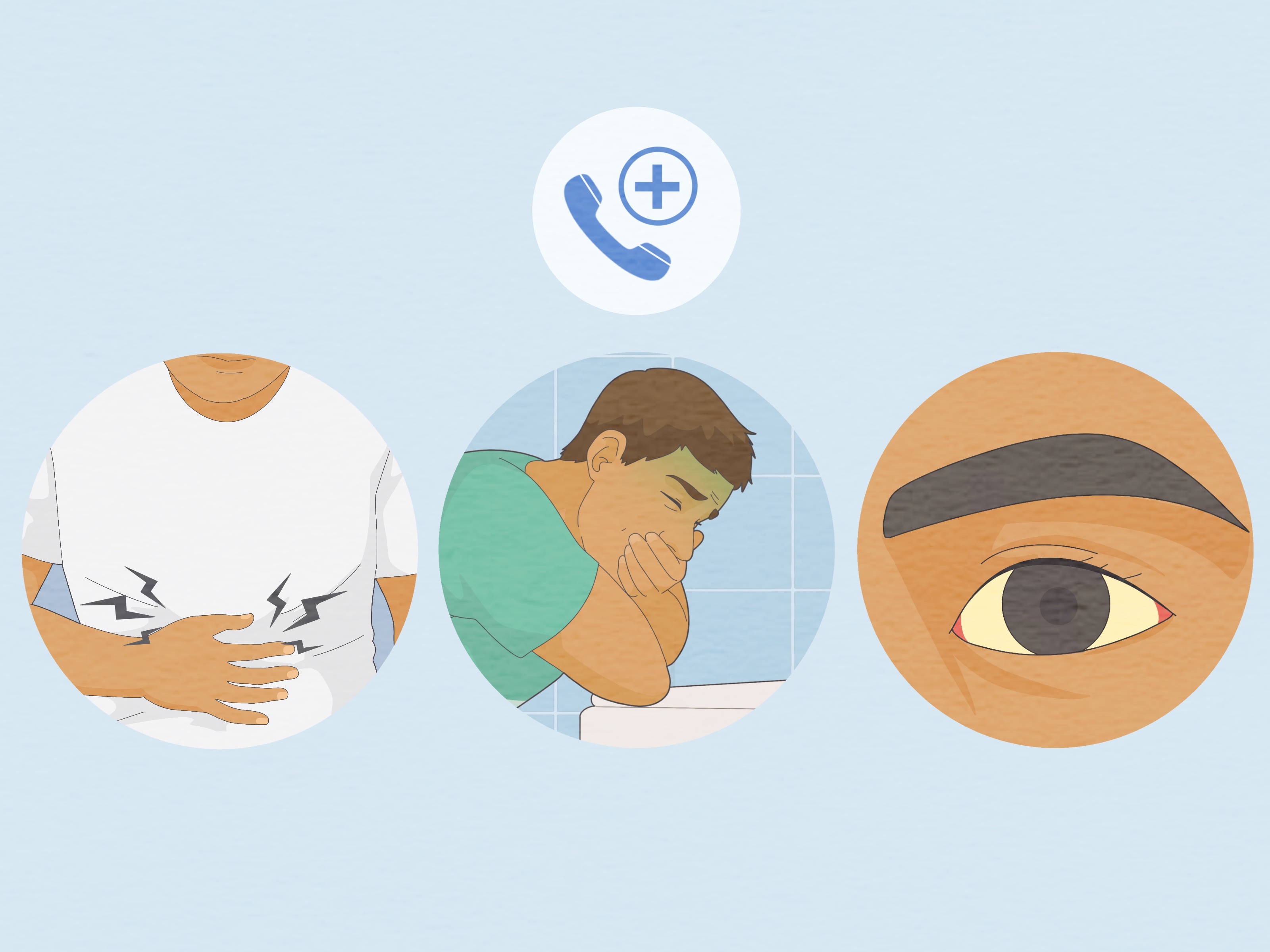
Check your incision every day, ideally after showering when the area is clean and visible. A little bruising, mild swelling, or slight clear drainage may be normal early on, depending on the procedure. However, certain signs should prompt a call to your surgeon.
Call Your Doctor If You Notice:
- Increasing redness, warmth, swelling, or tenderness around the incision
- Pus, cloudy fluid, foul-smelling drainage, or green or yellow discharge
- Fever, chills, or feeling suddenly worse
- Bleeding that soaks through the dressing
- Wound edges separating or the incision opening
- Severe pain that is getting worse instead of better
- Red streaks spreading from the incision
If the incision opens widely, internal tissue is visible, or anything appears to bulge through the wound, seek urgent medical care. That is not a “wait and see” situation.
Special Situations: Drains, Large Dressings, and High-Risk Wounds
If you have a surgical drain, such as a Jackson-Pratt drain, follow your care team’s exact instructions. Some patients are allowed to shower with a drain secured in place, while others must wait until the drain is removed. Keep the drain from dangling, pulling, or swinging like an unwanted shower accessory.
If you have a large waterproof dressing, make sure the edges are sealed before showering. If the dressing becomes wet underneath, loose, dirty, or soaked with drainage, contact your healthcare provider. If you had a skin graft, flap, spine surgery, vascular surgery, or an incision in a skin fold such as the groin, your shower instructions may be more cautious.
How to Make Showering Easier During Recovery
Plan your shower around your energy level and pain medication schedule. Many people feel better showering when pain is controlled, but avoid showering when medication makes you dizzy or sleepy. Keep the bathroom warm, move slowly, and sit down if needed.
Wear loose, clean clothing afterward. Choose soft fabrics that do not rub the incision. If your incision is on your abdomen, chest, hip, or shoulder, button-front shirts, loose sweatpants, or elastic waistbands can make life easier. Fashion may briefly become “hospital chic,” and that is perfectly acceptable.
How Long Until You Can Bathe or Swim?
Most patients are told to avoid soaking until the incision is fully healed and the surgeon approves it. This can take days to weeks, depending on the surgery. Swimming pools and hot tubs add extra infection risk because they expose the incision to shared water and chemicals. Natural water, such as lakes or oceans, can carry bacteria. Even if the water looks clean, your healing incision does not need to audition for a travel commercial.
Common Showering Mistakes After Surgery
One common mistake is assuming “waterproof” means invincible. A waterproof dressing may handle a brief shower, but it should not be submerged. Another mistake is scrubbing dried blood or scabs because they look messy. Scabs are part of healing. Let your care team decide what should be removed.
Some patients also overuse ointments. Unless your provider recommends petroleum jelly, antibiotic ointment, or another product, leave the incision alone. More product does not always mean more healing. Sometimes it just means more irritation and a bandage that refuses to stick.
Real-Life Experience: What the First Shower After Surgery Often Feels Like
The first shower after surgery is rarely glamorous. Many people expect it to feel like a refreshing reset, and sometimes it doesbut it can also feel slow, awkward, and a little intimidating. You may find yourself staring at the incision as if it might announce its plans. You may worry that one drop of water will undo everything. In most routine cases, gentle water is not the enemy. Rushing, scrubbing, slipping, and ignoring instructions are the real troublemakers.
A helpful experience-based approach is to treat the first shower like a small recovery project. Before stepping in, lay out your towel, clean clothes, fresh dressing supplies, and any covering your surgeon recommended. Put your phone nearby in case you need help. If you live alone, consider telling someone you are about to shower, especially after major surgery. That may sound dramatic, but post-op dizziness is sneaky. It likes to arrive right when you are wet, cold, and wearing the confidence level of a newborn giraffe.
Many patients also discover that fatigue is the biggest surprise. A five-minute shower can feel like a gym session when your body is busy healing. That does not mean you are failing. Surgery is controlled trauma, and recovery takes energy. Sit if you need to. Use a shower chair if standing feels risky. Wash the important areas and save the full hair-conditioning concert for another day. Clean enough is a legitimate milestone.
Emotionally, showering can also make the surgery feel real. Seeing bruising, swelling, tape, staples, or glue may be unsettling. The incision may look more dramatic than it feels, or it may feel tender even when it looks calm. Take a slow breath and inspect the area without poking it. Look for changes rather than perfection. Is redness spreading? Is drainage increasing? Is the pain suddenly worse? Those details matter more than whether the incision looks “pretty.” Healing skin often looks like it is going through an awkward teenage phase.
Another practical lesson: patting dry is harder to remember than it sounds. Most of us towel off on autopilot, rubbing quickly without thinking. After surgery, slow down. Pat the incision and the nearby skin gently. Let it air-dry for a moment before dressing. If you need to apply a new bandage, make sure your hands are clean and the skin is dry enough for tape to stick. Wet tape is a tiny comedy of errors, except nobody laughs when it peels off immediately.
Clothing matters too. After a shower, choose something soft and loose. Waistbands, bra bands, tight sleeves, and rough seams can irritate a fresh incision. If the incision is on your belly, a loose shirt and soft pants may feel better than jeans. If it is on your shoulder or chest, front-opening clothes can reduce stretching and twisting. Recovery is not the time to wrestle with a tight sweater unless you enjoy unnecessary plot twists.
The best experience-based tip is to respect the “less is more” principle. Use mild soap. Let water run gently. Do not scrub. Do not soak. Do not pick. Do not turn your incision into a skincare experiment. Most surgical wounds want cleanliness, dryness, protection, and patience. If something seems wrong, call your care team. They would rather answer a simple question early than treat a bigger problem later.
Conclusion
Learning how to take a shower after surgery is really about learning how to protect healing skin. In most routine cases, showering is allowed once your surgeon says it is safe, often within 24 to 48 hours. The safest approach is gentle: use warm water, mild soap, light water flow, careful drying, and clean dressings when needed. Avoid baths, pools, hot tubs, scrubbing, harsh chemicals, and any enthusiastic towel-rubbing that belongs in a laundry commercial.
Your incision does not need perfection. It needs patience, clean hands, careful observation, and respect for your surgeon’s instructions. When in doubt, ask your healthcare team. A quick call can save worry, protect healing, and keep your recovery moving in the right directionone careful shower at a time.