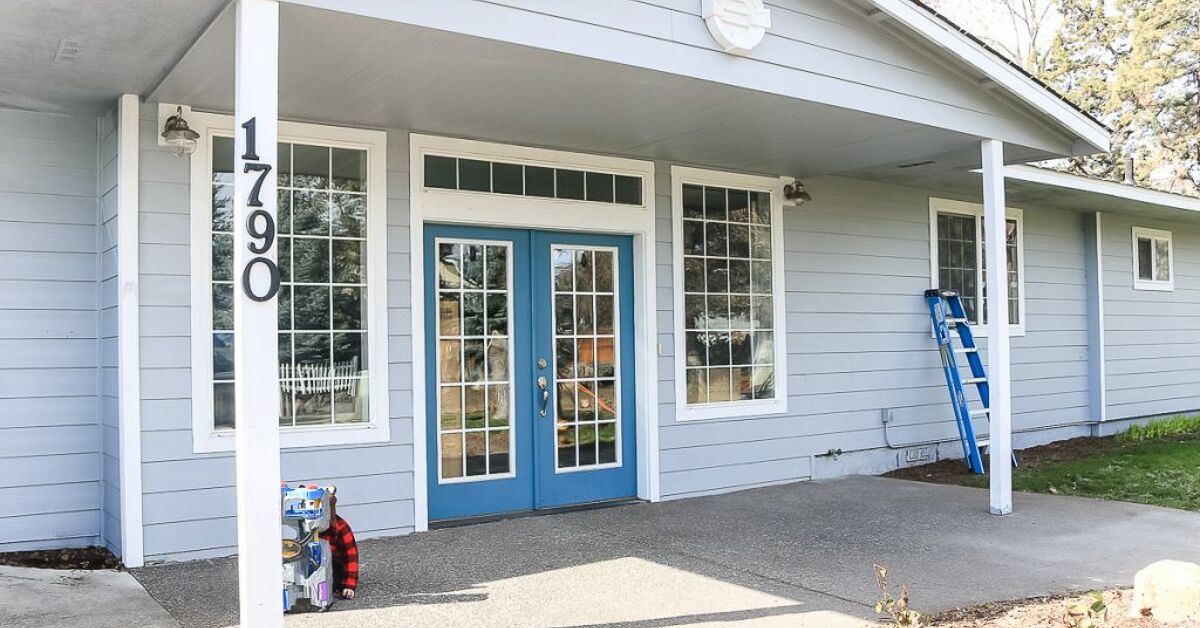
If your front porch is long, narrow, and roughly the width of a determined yoga mat, congratulations: you do not have a design problem. You have a styling challenge with excellent dramatic potential. A skinny porch can look elegant, welcoming, and surprisingly expensive without demanding a full renovation, a celebrity contractor, or a second mortgage disguised as “just one more trip to the hardware store.”
The trick is to stop treating a narrow porch like a failed outdoor living room and start treating it like what it really is: the visual handshake of your home. This is where guests pause, packages land, neighbors judge lovingly, and your house either says “come on in” or “we gave up after the holiday wreath.” With the right DIY updates, even a compact porch can boost curb appeal, improve function, and make the whole front elevation look more finished.
In this guide, you’ll learn how to update a skinny porch with paint, lighting, planters, slim furniture, hardware, flooring accents, and styling tricks that work in real life. No fluffy nonsense. No giant sectional furniture recommended for a porch the size of a bookmark. Just practical ideas that make a small entry look polished, intentional, and charming.
Why a Skinny Porch Has More Potential Than You Think
A narrow porch forces you to edit. That is not a punishment. That is design clarity wearing work boots. When square footage is limited, every visible choice matters more: the front door color, the porch light, the doormat, the planters, and the way the hardware works together. On a big porch, weak styling can hide in the corners. On a skinny porch, every mistake is practically wearing a name tag.
That also means every smart upgrade has more impact. A fresh coat of paint reads cleaner. Updated house numbers stand out faster. A slim bench feels intentional instead of cramped. Matching metal finishes instantly make the entry look coordinated. Even a new outdoor rug can transform a plain slab into a space that feels styled instead of accidental.
Think of your porch as a narrow stage. You do not need more props. You need better props.
Step 1: Clean, Repair, and Declutter Before You Decorate
Before you buy anything cute, handle the boring stuff first. This is the least glamorous step and the one that usually makes the biggest difference. Sweep away leaves, spiderwebs, and mystery debris. Power-wash the floor if needed. Wipe down the front door, trim, railing, storm door, mailbox, and light fixture. Clean the glass. Straighten the mat. Remove broken décor, faded seasonal items, and anything that has been “temporarily” living on the porch since the previous presidential administration.
Then inspect the porch like a picky buyer would. Is there peeling paint? Rusty hardware? A crooked light fixture? Cracked caulk? Loose railings? A tired threshold? Small repairs are easy to ignore when you live there every day, but they jump out from the curb. The goal is to make the porch feel maintained before it feels decorated.
If your porch is especially narrow, clutter is public enemy number one. One oversized basket, three pairs of shoes, two delivery boxes, and a rogue citronella candle can make the whole entry feel chaotic. Keep only what earns its square inches.
Step 2: Give the Front Door a Fresh Color and a Better Presence
If you only do one project, make it the front door. The door is the focal point of the porch, and on a skinny porch it carries even more visual weight. A fresh coat of paint instantly makes the space look cleaner and more cared for, even if you do not change anything else.
Classic colors work because they play nicely with many home styles. Black looks crisp and tailored. Navy feels timeless and grounded. Deep green adds richness without screaming for attention. Red can be cheerful and traditional. If your home exterior is neutral, the front door is your chance to add personality without repainting the entire façade and questioning your life choices halfway through.
When choosing a color, think about your siding, trim, roof tone, and the style of your house. A moody charcoal may look perfect on a modern farmhouse and totally confused on a sweet cottage with warm brick. Skinny porches look best when the palette feels intentional, not random. The door can stand out, but it still needs to belong.
For a DIY finish that does not look streaky, remove or tape hardware carefully, sand rough spots, clean the surface well, use an exterior primer if needed, and apply paint in thin coats. This is not the time for “that seems good enough.” Front doors are close-up design.
Step 3: Upgrade the Light Fixture Like You Mean It
A bad porch light is the exterior version of bad overhead office lighting. It makes everything less flattering. An outdated, too-small, or builder-grade fixture can drag down an otherwise lovely entry. Replacing it is one of the easiest DIY curb appeal upgrades because it improves both style and function.
On a skinny porch, scale matters. A fixture that is too tiny looks apologetic. A fixture that is too large can overwhelm the doorway and make the porch feel squeezed. Choose a light that suits the size of the front door and the architecture of the house. A modern lantern, classic carriage light, or simple flush-mount can all work beautifully, depending on your exterior style.
Warm lighting creates a more inviting look than harsh bluish bulbs. If your porch is dim, consider adding layered lighting with solar path lights near the walk or subtle uplighting on nearby plants. Lighting should help visitors find the door safely, but it should also flatter the space after sunset. A porch that looks good only at noon is not pulling its full weight.
Step 4: Use Slim Furniture, Not Bulky Furniture
This is where many narrow porches go off the rails. People see “porch” and immediately imagine two chunky rockers, a side table, a giant planter, and enough accessories to host a garden-themed tea party. On a skinny porch, bulk is the enemy. Choose pieces with a smaller footprint and visible legs so the floor still shows.
Best furniture choices for a narrow porch
- A slim bench tucked against the wall
- A single rocking chair with a small cushion
- A narrow bistro chair set if the porch is longer than it is deep
- A compact stool that can hold a drink or a plant
- A wall-mounted shelf or hanging basket instead of a floor piece
The goal is not to cram in seating just because porches are “supposed” to have seating. The goal is to make the porch feel welcoming and balanced. One well-scaled bench often does more for curb appeal than a whole crowd of mismatched furniture auditioning for a yard sale.
Step 5: Add Height With Planters Instead of Sprawl
Plants are the miracle workers of curb appeal, especially on narrow porches. They soften hard edges, add life, bring color, and make even a simple entry look intentional. But on a skinny porch, the key is to build upward, not outward.
Use tall, narrow planters to frame the door instead of wide pots that eat up walking space. Choose one pair for symmetry if your entry is formal, or use an asymmetrical arrangement if your house is more casual. Hanging baskets, wall planters, and window boxes also add greenery without cluttering the floor.
For a low-maintenance look, use a “thriller, filler, spiller” approach in each planter: one taller plant for height, one mounding plant for fullness, and one trailing plant to soften the edge. If your thumb is less green and more theoretical, use hardy evergreens, snake plant in a warm climate, or good-quality faux stems sparingly. No one needs your porch plants to become a full-time emotional burden.
Seasonal swaps also help the porch look current without a full redesign. Ferns and bright annuals in spring, tropical or leafy textures in summer, mums in fall, and evergreen branches in winter can all keep the entry lively.
Step 6: Ground the Porch With a Rug, Mat, or Painted Floor
Because skinny porches do not have much room for furniture, the floor becomes a bigger visual player. That means the easiest way to add style may be under your feet. Start with a quality doormat that fits the scale of the entry. A mat that is too tiny looks like an afterthought. One that is too large makes the porch feel crowded.
If your porch is covered, you can layer a welcome mat over a larger outdoor rug to create texture and define the doorway. Stripes or subtle patterns can visually widen a narrow porch, while neutral woven textures add warmth without feeling busy. Another smart DIY move is painting the porch floor a fresh solid color or stencil pattern. This works especially well on old concrete or worn wood that needs cosmetic help.
Painted floors can be charming, but keep the pattern appropriate to the home. A wild geometric statement floor might be perfect on a cheerful bungalow and completely absurd on a stately colonial. The porch should feel refreshed, not like it lost a bet.
Step 7: Replace the Small Stuff That Quietly Dates the Porch
Some of the most effective curb appeal upgrades are tiny, affordable, and criminally overlooked. If the porch still has faded brass numbers from 1998, a tired mailbox, a scratched lockset, and three different metal finishes having a disagreement, that is where your polish is leaking out.
High-impact mini upgrades
- New house numbers that are easy to read from the street
- A coordinated door handle and deadbolt
- A mailbox that matches the home’s style
- A door knocker or bell plate if it suits the architecture
- Fresh screws, caulk, and paint around trim and fixtures
Try to keep finishes coordinated. Matte black, aged bronze, polished nickel, or satin brass can all work, but the porch looks more expensive when the hardware appears chosen as a set instead of collected through a series of unrelated life events.
Step 8: Use Vertical Styling to Make a Skinny Porch Feel Bigger
When floor space is limited, the wall, door, and ceiling need to do more of the design work. This is one of the smartest ways to update a skinny porch without adding clutter. Hang a simple wreath, install a narrow wall-mounted planter, paint the ceiling a soft color, or add a taller lantern that draws the eye upward.
If your porch has columns or railings, treat them as design features rather than obstacles. Fresh paint on railings and trim creates crisp definition. A subtle contrast color on the ceiling can add depth. Even the line of the doorframe matters more on a small porch because there are fewer other elements competing for attention.
Vertical styling is also useful when you want seasonal charm without tripping over pumpkins, lanterns, and decorative objects every time you bring in groceries. Think wreaths, hanging baskets, slim signs, ribbon, or garlands used with restraint. Restraint is doing a lot of heavy lifting here.
Step 9: Stick to a Tight Color Palette
A skinny porch benefits from discipline. Too many colors make it feel busy. Too many materials make it feel confused. Instead, aim for a simple palette built around your house exterior. A strong formula is one main neutral, one accent color, and one natural green from plants. That is enough to create depth without chaos.
Here are a few combinations that tend to work well:
- White trim, black door, terracotta or green planters
- Warm beige siding, navy door, natural wood accents
- Gray exterior, sage green door, matte black hardware
- Brick exterior, cream trim, deep charcoal accessories
If you love decorating, channel that enthusiasm into layers of texture instead of more colors. Use woven planters, a coir mat, a striped rug, and leafy plants. That way the porch feels rich, not noisy.
A Simple Weekend DIY Plan for a Skinny Porch Refresh
- Friday evening: Remove clutter, sweep, and make a shopping list.
- Saturday morning: Clean surfaces, power-wash if needed, and prep repairs.
- Saturday afternoon: Paint the front door and touch up trim or railing.
- Sunday morning: Install new light fixture, house numbers, or hardware.
- Sunday afternoon: Add planters, rug, and one slim furniture piece.
- Sunday evening: Step into the street, look back at the house, and remove anything that feels like “one thing too many.”
That last step matters. Skinny porches are often improved more by editing than by adding. When in doubt, remove one item and see if the porch breathes easier.
Common Mistakes to Avoid
- Using oversized furniture that blocks the walkway
- Mixing too many metal finishes or décor styles
- Buying planters that are wide instead of tall
- Choosing a tiny light fixture that looks lost
- Ignoring peeling paint, dirty glass, or worn trim
- Adding too many seasonal decorations at once
- Forgetting nighttime curb appeal and safety lighting
The best skinny porch updates feel intentional, clean, and easy to maintain. If your new setup takes forty minutes to rearrange every time a package arrives, it is not a glow-up. It is a puzzle.
Real-Life Experience and Lessons From Updating a Skinny Porch
One of the biggest lessons people learn from updating a narrow porch is that the transformation rarely comes from one huge purchase. It usually comes from a string of modest decisions that finally work together. A porch that once felt cramped and forgettable suddenly looks finished because the door color is richer, the hardware matches, the lighting is warmer, and the plants stop blocking the entrance like leafy bouncers.
A common experience goes like this: the homeowner starts by shopping for décor, then realizes the porch still looks tired because the foundation is off. The old light is too small. The trim is chipped. The mat is faded. The mailbox looks like it has survived several emotional eras. After those basics are fixed, even a simple bench and two planters look ten times better. That is the power of sequence. Styling cannot outrun maintenance.
Another real-world lesson is that skinny porches are less forgiving than larger ones, but they reward consistency. On a broad porch, you can get away with a little randomness. On a narrow porch, every item is in the spotlight. Matching the black light fixture with black house numbers and a black door handle creates a visual rhythm that makes the whole entry feel elevated. It is not flashy, but it reads as thoughtful. That is often what people mean when they say a home has “good curb appeal.” They are responding to coherence.
People also discover that comfort matters, even on a porch that is mostly decorative. A slim bench with one outdoor pillow can make the house feel friendlier. A layered mat and rug can make a concrete stoop feel softer. A pair of planters can turn a flat entry into something with shape and life. These details may seem small when viewed one at a time, but together they change the mood. The front of the house starts to feel welcoming rather than merely functional.
There is also a practical side to the experience. Better lighting means guests can actually see the lock. Clearer house numbers help with deliveries. A less cluttered porch is easier to sweep and maintain. Durable planters and weather-friendly materials mean less seasonal frustration. In other words, a porch refresh is not just for looks. It can make daily life easier in tiny, satisfying ways.
And perhaps the most relatable lesson of all: restraint wins. Many homeowners begin with grand ideas and end with the humble realization that the porch looked best after they removed two extra lanterns, one unnecessary sign, and a decorative stool nobody liked but everyone politely tolerated. A skinny porch does not need to prove anything. It just needs to look clean, inviting, and appropriately dressed for the architecture of the home.
When the update is done well, the house feels different before you even open the door. That is the magic of a good porch refresh. It changes the first impression, yes, but it also changes how you feel coming home. And that is a pretty great return on a few cans of paint, a smarter light fixture, and the courage to stop buying giant chairs for very small spaces.
Conclusion
Updating a skinny porch for added curb appeal is not about squeezing in more stuff. It is about making sharper choices. Start with cleaning and repairs, then focus on the front door, lighting, hardware, planters, and a few well-scaled accessories. Use vertical space, keep the palette tight, and let each item earn its place. A narrow porch can absolutely look stylish, functional, and memorable. In fact, when it is done right, it often looks more deliberate than a larger porch filled with filler.
So if your porch has been looking a little tired, a little cluttered, or a little like it gave up halfway through its own introduction, now is the time. A skinny porch does not need more width to make a better first impression. It just needs better decisions.