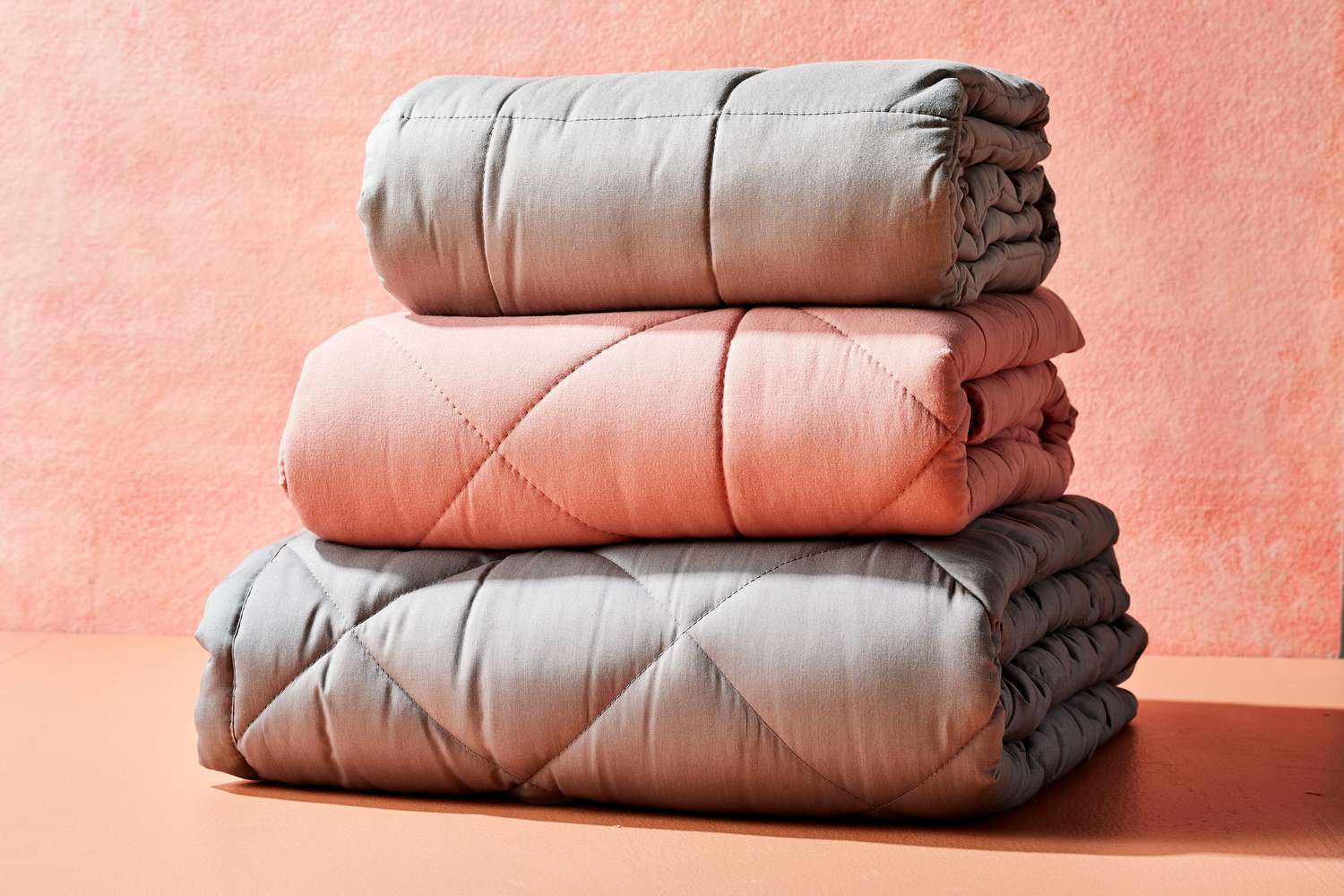
If you’ve ever tried to shove a 20-pound weighted blanket into a regular washing machine, you already know: this is not just “doing laundry.” This is a full-body workout plus a mild anxiety episode about breaking your washer. The good news? With the right technique (and a little insider knowledge from bedding pros), you can safely wash your weighted blanket without turning it into a lumpy, ruined mess.
In this guide, we’ll walk through how to wash a weighted blanket step by step, whether you’re using a washing machine or washing by hand, how to dry it, and how often you really need to clean it. We’ll also cover different materials, fillers, and common mistakes to avoid, so you can keep that soothing, heavy hug feeling for years.
Step One: Treat the Care Label Like a Legal Document
Before you touch the washer controls, find the care label on your blanket. That little tag is your personalized instruction manual. Because weighted blankets vary in fabric, filler, and construction, there’s no single “one-size-fits-all” cleaning method.
Most care labels will tell you:
- Whether the entire blanket is machine-washable, or only the cover.
- The maximum water temperature (usually cold or warm, never hot).
- Whether you can tumble dry and at what heat setting.
- If the blanket is dry-clean only or spot clean only.
Ignore the label and you risk melted beads, clumped filling, shrinkage, or a blanket that never feels quite right again. Think of the label as your “do not ruin this expensive thing” cheat sheet.
Know Your Weighted Blanket: Fabric, Filler & Weight
The best way to wash a weighted blanket depends on three key details: the outer fabric, the type of filling, and how heavy it is.
Common Outer Fabrics
- Cotton or cotton blends: Generally the easiest to care for. They usually tolerate machine washing on a gentle cycle with cold water.
- Minky, fleece, or microfiber: Soft and cozy but can pill or lose texture with harsh detergents or high heat. Stick to gentle detergent and low or no heat when drying.
- Bamboo or Tencel: Often more delicate and prone to shrinkage. Cold water and a gentle cycle or hand washing are usually recommended.
- Chunky knit weighted blankets: These are often made of thick, looped yarn. They can stretch badly if hung when wet, so they need extra care when drying.
Types of Fillers
- Glass beads: Very common in modern weighted blankets. They’re typically safe in water, but the blanket can get extremely heavy when wet, so you must be careful not to overload your washer.
- Plastic poly pellets: Also machine-washable in many cases, but they can warp or deform in high heat. Always use low or no heat for drying.
- Natural fillers (rice, beans, sand, grains): These should not be fully submerged in water. They swell, break down, and can grow mold. Spot clean only or follow the maker’s instructions.
Weight & Washer Capacity
A key question: Can your home washer safely handle the blanket’s weight?
- Many bedding experts say blankets up to about 15–20 pounds can go into most residential front-load washers, as long as the drum is large and you don’t add other items.
- Heavier blankets (20+ pounds) or king-size ones are usually better off in a commercial washer at a laundromat or handled by a professional laundry service.
If your washer groans, shakes, or looks like it’s about to walk out of the laundry room, stop the cycle. An overloaded machine can damage both the blanket and the appliance.
How to Machine Wash a Weighted Blanket (Safely)
If your care label gives the green light and your washer can handle the weight, here’s how to machine wash a weighted blanket without drama.
Step-by-Step Machine Washing Instructions
- Check the cover first. If the blanket has a removable duvet-style cover, unzip it and wash the cover separately. Often, the inner weighted insert only needs occasional cleaning.
- Load the blanket evenly. Place the blanket loosely in the drum. Don’t cram in other heavy itemsthis is a solo wash moment.
- Use a gentle detergent. Choose a mild, bleach-free laundry detergent. Skip products with brighteners, bleach, or strong fragrances, which can break down fibers or irritate sensitive skin.
- Select a gentle cycle. Use delicate or gentle with cold water. Some blankets allow cool or warm water, but cold is safest for most fabrics and beads.
- Avoid fabric softener. Traditional fabric softener and dryer sheets can coat fibers, making them feel stiff or less breathable. If you want extra softness, a splash of white vinegar in the rinse cycle is usually safer than softener.
- Run an extra rinse if needed. Weighted blankets are thick, so detergent can get trapped. An extra rinse helps remove residue and keeps the blanket feeling soft.
When the cycle ends, your blanket will feel even heavier from the absorbed water. Support its weight with both arms as you lift it out so seams don’t get stressed.
How to Hand Wash a Weighted Blanket
If your blanket is too heavy for your washer or the label recommends hand washing, don’t panic. It’s more time-consuming, but not complicated.
Hand Washing Instructions
- Fill a bathtub or large basin with cold water and a small amount of mild detergent. Swish the water to distribute the soap.
- Submerge the blanket and gently press it down to get it fully saturated. Avoid twisting or bunching it aggressively.
- Gently agitate by hand. Use your hands to move the water through the fabric, focusing on especially dirty areas. Think “soft massage,” not “angry kneading.”
- Drain the tub and press out water. Push the water out with your hands or feet (clean feet only, obviously), pressing the blanket against the tub floor. Do not wring or twist, which can damage the inner channels or seams.
- Rinse thoroughly. Refill with clean water, then repeat the gentle pressing and draining until the water runs clear and no soapy bubbles remain.
Once most of the water is pressed out, you’re ready to dry.
How to Dry a Weighted Blanket
Drying is where many people accidentally ruin their weighted blanket. The weight plus heat can be a dangerous combo if you’re not careful.
Air Drying
Air drying is usually the gentlest and safest option for both fabric and filler.
- Lay flat on a drying rack, clean floor with towels, or a sturdy bed frame. Spread the weight out as evenly as possible.
- Flip and redistribute every few hours so the filling doesn’t settle into one corner and to help it dry faster.
- Avoid hanging a heavy or knit-weighted blanket over one thin line or rod. The weight can stretch the fabric and distort the shape.
Tumble Drying
If the care label says tumble drying is allowed, you still need to treat it kindly:
- Use a low-heat or no-heat setting (air fluff). High heat can warp plastic pellets or damage glass beads and fabric.
- Add a few dryer balls or clean tennis balls to help redistribute the filling and prevent clumps.
- Check the blanket periodically. If it feels very hot to the touch, stop the cycle and let it air dry the rest of the way.
For chunky knit weighted blankets, air drying flat is usually best. Hanging them, even briefly, can stretch the loops and change how the blanket fits and feels.
How Often Should You Wash a Weighted Blanket?
Weighted blankets don’t need to be washed as often as your sheets, but they also shouldn’t be washed only “when it’s an emergency.” Frequency depends on how you use it:
- Used nightly with a top sheet and cover: Wash the duvet cover every 1–2 weeks, and the inner weighted blanket about once a month or every few months, depending on sweat, spills, and personal preference.
- Used occasionally (nap blanket, couch throw): Washing every 3–4 months is usually enough, plus spot cleaning between washes.
- Used without a cover: You may need to wash the entire blanket every few weeks, but remember that frequent full washes can shorten its lifespan. A cover is your best friend here.
Between washes, you can keep things fresh by shaking the blanket out, airing it near an open window, and using a lint roller or upholstery attachment to remove pet hair and dust.
Spot Cleaning & Stain Emergencies
Spilled coffee during a Netflix binge? It happens. For small stains, spot cleaning lets you avoid a full wash.
- Blot, don’t scrub. Use a clean, dry cloth or paper towel to blot up as much liquid as you can.
- Mix a gentle cleaning solution. Combine a bit of mild detergent with cold water, or use an enzyme-based stain remover if your fabric allows it.
- Test in a hidden area. Dab the solution on a seam or underside first to make sure it doesn’t discolor the fabric.
- Gently treat the stain. Use a soft cloth to work the solution into the stain with light, circular motions.
- Rinse with a damp cloth to remove cleaner, then blot dry and let the area air dry completely before use.
For tough stains like blood, wine, or pet accidents, an enzyme cleaner can help, but always confirm it’s safe for your blanket’s fabric and color.
Common Weighted Blanket Washing Mistakes to Avoid
Even with the best intentions, it’s easy to accidentally shorten your blanket’s lifespan. Steer clear of these classic mistakes:
- Using hot water. Hot water can shrink fabrics and weaken stitching, and it’s especially risky for synthetic materials and plastic beads.
- Adding bleach or harsh chemicals. These can break down fibers, fade colors, and damage the filler.
- Overloading the washer. A too-heavy blanket can strain the motor, bearings, and suspension on your machine.
- High-heat drying. High heat is one of the fastest ways to ruin the filling and warp the blanket’s shape.
- Twisting or wringing. This torques the inner channels and can cause leaks, clumps, or broken seams.
When in doubt, treat your weighted blanket the way you’d treat a cashmere sweater: gently, patiently, and never in a hurry.
When to Call in the Pros (or Retire Your Blanket)
If your blanket is labeled dry-clean only, is extremely heavy, or has delicate fabrics like velvet or silk, it’s often safer to take it to a professional cleaner or a wash-and-fold service that understands specialty bedding.
You may also want to retire or replace your weighted blanket when you notice:
- Beads or pellets leaking from seams.
- Persistent lumps or dead spots that don’t redistribute even after washing and drying.
- Fabric that’s become thin, torn, or rough against your skin.
A well-made weighted blanket can last many years with proper care, but when its structure is compromised, it won’t provide that even, comforting pressure it’s designed for.
Real-Life Expert Tips & Experiences with Washing Weighted Blankets
After helping countless people rehab their bedding, there are a few “from the trenches” lessons that don’t always make it onto the care tag.
The 20-Pound Surprise
One of the most common stories I hear goes something like this: “I tossed my 20-pound blanket into the washer like a normal comforter. Halfway through the spin cycle, the machine started hopping across the floor.” That’s because weighted blankets get even heavier when soaked. The weight pulls to one side of the drum, throwing it off balance.
If your machine is on the smaller side or tends to vibrate even with a normal load, your weighted blanket may be better off in a laundromat’s oversized front-loader. Those machines are designed to handle bulkier, heavier items, and the extra drum space helps distribute the weight.
Apartment Living Hacks
If you live in a small apartment, washing and air-drying a weighted blanket can feel like a logistical puzzle. Here are a few tricks that actually work:
- Use the tub as your “dryer base.” After washing, spread a large towel or two over the bottom of the tub and lay the blanket flat. Press out extra water, then drape it over a folding rack perched partly in the tub to catch drips.
- Open windows and run a fan. Good airflow is your best friend. Point a small fan at the blanket to help moisture evaporate faster.
- Plan ahead. Start the washing and drying process early in the day so your blanket isn’t still damp at bedtime.
Pet Parents, Take Note
Weighted blankets + pets = lots of hair and the occasional “oops.” If your blanket is a magnet for pet fur:
- Use a lint roller or pet hair remover before washing to take off the worst of it.
- Consider a removable, washable cover that can handle more frequent laundering than the inner weighted insert.
- If the blanket sees frequent pet accidents, it may be worth choosing a fabric that tolerates more regular washes, like cotton or a durable microfiber.
Managing Allergies & Dust Mites
Because weighted blankets are thick and dense, they can trap dust, skin cells, and allergens more than your average throw. If you have allergies or asthma, washing matters even more.
In addition to regular washing, try:
- Using an allergy-proof cover over your weighted blanket.
- Airing it outside on a dry, breezy day to refresh the fibers.
- Keeping pets off the blanket you use closest to your face if allergens are a problem.
The Emotional Side of the “First Wash”
Weighted blankets often become comfort objectspart sleep aid, part emotional support. People worry that washing them will change how they feel. The truth is, if you follow the label instructions and treat the blanket gently, it can come out cleaner, fresher, and just as cozy as before.
What does change after that first wash is your confidence. Once you’ve done it successfully, the blanket stops feeling so “fragile,” and caring for it becomes just another part of your sleep routine. You’ll get a better night’s sleep knowing it’s fresh and clean, and your blanket will last longer, too.
Bottom Line: Clean Blanket, Better Sleep
Washing a weighted blanket doesn’t have to be scary. Start by reading the care label, get familiar with your blanket’s materials and weight, and then choose the methodmachine wash or hand washthat matches both the label’s instructions and your washer’s capacity. Use cold water, gentle detergent, avoid harsh chemicals and high heat, and give yourself extra time for drying.
With a little planning and patience, you’ll keep your weighted blanket soft, evenly filled, and ready to deliver that calm, comforting pressure you count on every night.