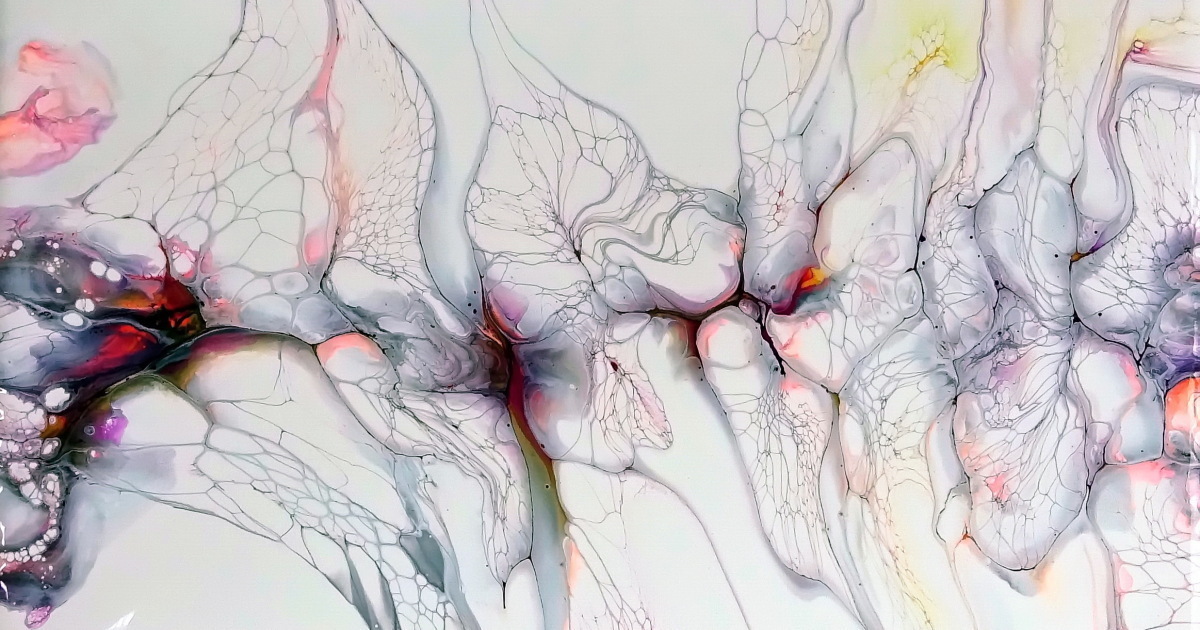
Acrylic pour painting has taken the art world by storm, captivating both novice and experienced artists alike. It allows for a vibrant explosion of color and texture, offering endless possibilities for creativity. One of the most intriguing effects that can be achieved through this technique is the “webbing” effect, which creates delicate, intricate patterns reminiscent of spider webs. In this article, I’ll walk you through how I achieved the stunning webbing effect using satin varnish, a secret ingredient that has completely transformed my acrylic pour paintings.
What is Acrylic Pour Painting?
Acrylic pour painting, also known as fluid art, involves mixing acrylic paint with a pouring medium to create fluid colors that can be poured onto a canvas. The colors blend and move on their own, creating beautiful, unpredictable patterns and textures. Artists use different pouring techniquessuch as the dirty pour, swipe, and puddle pourto manipulate the flow of the paint and achieve various results. Acrylic pouring is popular because it requires no brushes or fine motor skills, making it an accessible medium for anyone looking to experiment with abstract art.
While the pour itself is a simple process, it’s the added elements and techniques that elevate acrylic pours to another level. One such technique is the webbing effect, which can be created using satin varnish. Satin varnish is a clear, non-glossy finish that enhances the colors in your painting while adding depth and texture. By combining satin varnish with acrylic pour painting, you can create dynamic visual effects that are both eye-catching and intricate.
The Magic of Satin Varnish in Acrylic Pouring
Satin varnish may seem like a simple finishing touch, but it has the potential to produce stunning results when used in acrylic pour painting. Unlike gloss varnish, which creates a shiny, reflective finish, satin varnish offers a more subdued, elegant sheen. The key to creating the webbing effect lies in its interaction with the paint layers. When satin varnish is applied over the poured paint while it’s still wet, it reacts with the paint in a way that causes the colors to separate and form web-like patterns.
The chemical makeup of satin varnish allows it to create these delicate webbing patterns by pulling the paint together and forcing certain pigments to separate. The result is a mesmerizing, almost organic look, where the webbed lines appear to stretch and twist across the surface of the painting. This effect adds an extra layer of complexity and intrigue to an otherwise flat acrylic pour, drawing the viewer’s eye to the intricate patterns and subtle contrasts between the colors.
How to Achieve the Webbing Effect
To create the webbing effect with satin varnish, you’ll need to follow a few simple steps. Here’s a breakdown of the process:
1. Gather Your Supplies
- Acrylic paints in your preferred colors
- Pouring medium
- Satin varnish (make sure it’s a clear satin varnish, not a gloss varnish)
- Acrylic pour painting surface (canvas, wood panel, etc.)
- Cup for mixing your paint and pouring medium
- Stir sticks or a palette knife
- Plastic cups or other containers for your paint pours
- Gloves and protective covering for your work area
2. Prepare Your Paints
Mix your acrylic paints with a pouring medium to achieve the right consistency for pouring. You’ll want the paint to be smooth and fluid, similar to the consistency of heavy cream. The pouring medium helps the paint flow without affecting the vibrancy of the colors. Mix each color individually in separate cups and ensure they are properly blended before proceeding.
3. Pour the Paint
Once your paints are ready, it’s time to start pouring. You can use different pouring techniques, but for this effect, I recommend starting with a dirty pour. To do this, layer the different colored paints into one cup, one on top of the other, without stirring. Once the colors are layered, pour them onto your canvas in a central area. Allow the paint to flow and spread naturally, creating the base of your artwork.
4. Apply Satin Varnish
After you’ve poured your paints and they’ve started to spread, it’s time to add the satin varnish. While the paint is still wet, use a clean brush or your fingers to lightly apply the satin varnish over the surface of the painting. Be gentlethis step is all about creating subtle reactions, not completely coating the surface. The varnish will cause the paint to interact, creating the webbing effect. You can add more varnish in some areas and less in others to vary the patterns.
5. Let it Dry
Allow your painting to dry completely before handling it. The drying process can take anywhere from a few hours to a day, depending on the thickness of the paint and the humidity in the air. Once dry, your painting will have a smooth, satin finish with beautiful webbing effects that add texture and depth.
Why Satin Varnish Makes a Difference
The beauty of satin varnish lies in its ability to enhance the natural fluidity of acrylic pour painting. The varnish doesn’t overpower the colors, but rather brings out the subtle variations between different pigments. It also gives the painting a slight sheen that catches the light, adding dimension to the finished piece. Furthermore, satin varnish helps protect the painting, providing a durable and non-glossy finish that resists dust and dirt.
Unlike gloss varnish, which can sometimes make colors look overly shiny or artificial, satin varnish provides a more organic, understated sheen. This effect is perfect for those who want their acrylic pour paintings to feel polished but not overdone. It’s a great way to achieve a more natural, sophisticated look without sacrificing the vibrancy of the paint.
Challenges and Tips for Success
While the webbing effect can be stunning, it can also be tricky to master. Here are a few tips to help you achieve the best results:
- Experiment with different varnish amounts: The key to the webbing effect is finding the right balance between the paint and varnish. Too much varnish can cause the paint to become muddy, while too little won’t create the desired patterns. Start with a small amount and adjust as needed.
- Be patient: The webbing effect doesn’t always happen instantly. It may take some time for the varnish to interact with the paint and create the desired pattern. Give your painting time to breathe and develop.
- Work in a well-ventilated area: Satin varnish can have a strong odor, so it’s important to work in a space with good ventilation to ensure safety and comfort.
Personal Experience with the Webbing Effect
When I first attempted the webbing effect with satin varnish, I was both excited and a bit nervous. I had seen this technique in various art communities, but I wasn’t sure how it would turn out. The results, however, were beyond what I expected. The varnish really did create the web-like lines, and the painting had a mesmerizing, almost ethereal quality to it.
It’s an effect that grows on you the more you look at it. Each time I revisit my paintings, I notice new details and subtle shifts in the webbing. The satin finish gives everything a polished yet natural look, which I really appreciate. I also find that the webbing effect adds a sense of movement to the painting, as if the paint is constantly shifting and evolving.
One of the things I love about this technique is how each painting is unique. Even if you use the same colors and varnish, the way the webbing forms will always differ. This is part of the fun and appeal of acrylic pour paintingit’s a spontaneous, unpredictable process that results in one-of-a-kind artwork every time.
Conclusion
Creating the webbing effect with satin varnish using acrylic pour painting techniques is an exciting and rewarding experience. It’s an easy way to add depth, texture, and a touch of sophistication to your paintings. Whether you’re a beginner or a seasoned artist, experimenting with this technique will allow you to discover new ways to push the boundaries of fluid art.
If you’re ready to try this out for yourself, just remember to have fun with the process and enjoy the beautiful, spontaneous results that acrylic pour painting offers. The webbing effect with satin varnish will undoubtedly bring an elegant and mesmerizing touch to your next painting.