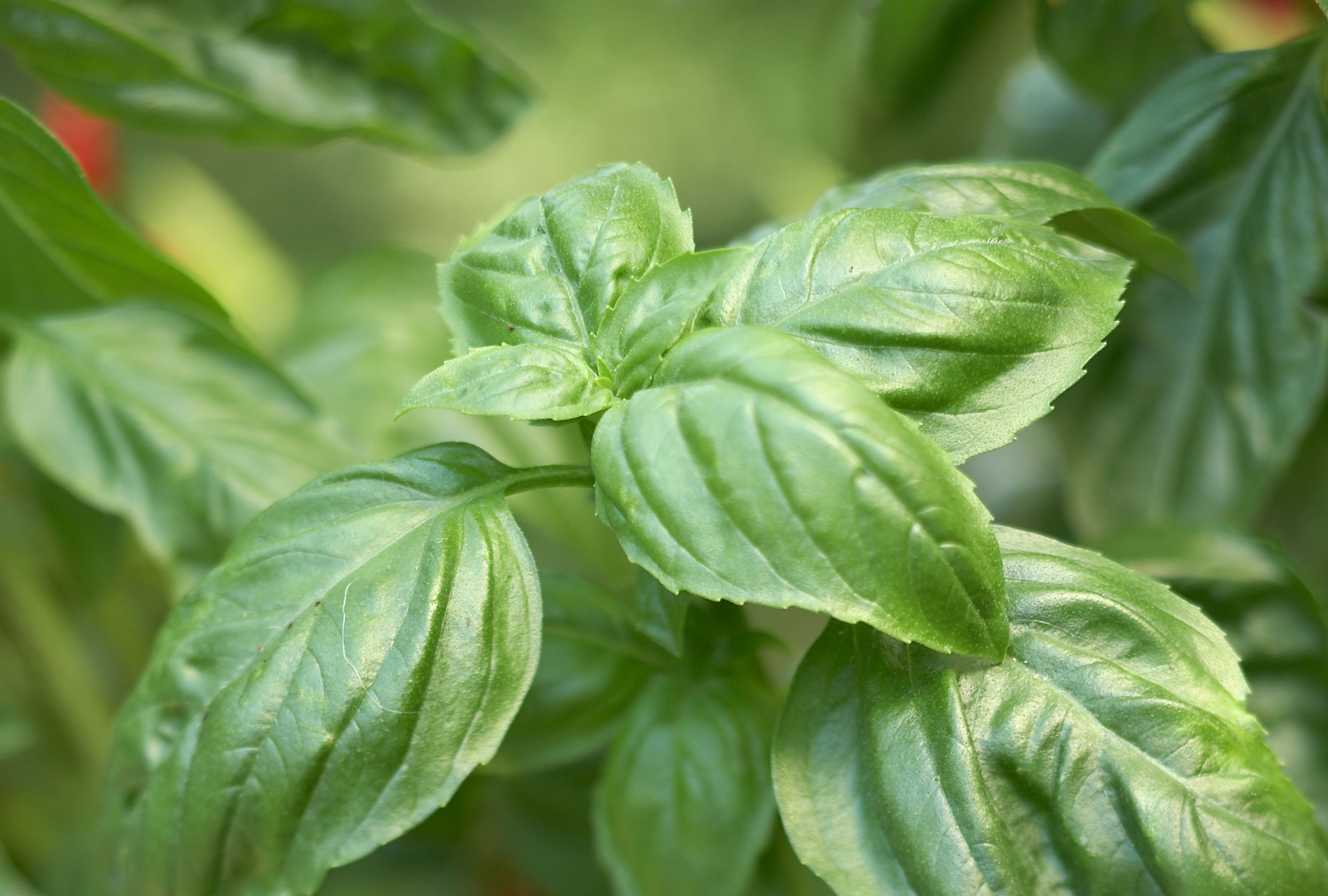
Short answer: In most of the United States, basil is not a perennialit’s a frost-tender annual that dies when cold arrives. In reliably frost-free climates (think USDA Zones 10–11), some basils behave like short-lived perennials and can keep going for multiple seasons. The trick is knowing your hardiness zone, your basil type, and a couple of smart overwintering methods.
The One-Minute Answer (So You Can Get Back to Your Pesto)
- Most places: Basil behaves as an annual. Once temps flirt with the 40s °F, leaves blacken; a frost ends the party.
- Frost-free zones (10–11): Some basils can persist as short-lived perennials outdoors.
- Anywhere: You can “make it come back” by overwintering indoors or rooting cuttings before the first cold snap.
Why Basil “Doesn’t Come Back”: Biology & Temperature
Common or sweet basil (Ocimum basilicum) originates from warm, tropical regions. It loves heat, light, and consistent warmth at night. When temperatures dip, basil sulks; when frost hits, it dies. That’s not because you’re a bad plant parentit’s because basil is physiologically a warm-season herb and highly sensitive to chilling injury. Even cool nights (low 50s °F and below) can cause leaf damage; by the 40s °F, blackened foliage is common, and a light frost wipes plants out completely.
USDA Zones: The Map That Predicts Basil’s Fate
The USDA Plant Hardiness Zone Map divides the country by average winter lows. If you garden in Zones 10–11 (e.g., parts of South Florida, coastal Southern California, Hawaii), basil can act like a short-lived perennial outdoors. In Zones 2–9, treat it as an annual outside and plan for indoor protection if you want plants (or their clones) to survive winter.
Annual vs. Perennial: Does Basil Type Matter?
Sweet/Genovese basil (the classic pesto star) is almost always grown as an annual in the U.S. Thai basil and holy basil (tulsi) are also warm-loving and frost-tender; in true tropical or frost-free areas they can behave as short-lived perennials but are usually annuals elsewhere. Some hybrids, like African Blue basil (O. kilimandscharicum × O. basilicum), are noted as tender perennials in the warmest U.S. zones and can persist for multiple seasons outdoors where frost is rare. Translation: cultivar choice tweaks your odds, but cold is still the ultimate deciding factor.
Three Proven Ways to Have Basil Again Next Year
1) Live inor simulateZones 10–11
If you’re already in a frost-free climate, you can maintain basil outside through winter, especially vigorous types like African Blue. Elsewhere, you can “fake it” by growing in large containers that spend summer outside and winter inside near a bright, south-facing window or under a grow light. Keep nighttime temps above ~60–65 °F, aim for 6–8 hours of bright light daily, and avoid cold drafts. With this setup, an individual plant can chug along for many months, even over a year, though flavor and vigor eventually wane with age.
2) Take cuttings before the cold
This is the basil hacker’s favorite. About 4–6 weeks before your first expected frost, snip 4–6 inch tips from your healthiest stems, strip the lower leaves, and root the cuttings in water or directly in a moist, sterile potting mix. Basil roots fast. Pot them up, give bright light, and you’ll carry genetically identical “clones” through winter. In spring, up-pot and move them back outside after frost. It’s like saving your best plant’s DNA on a cozy vacation.
3) Let it reseed (where it’s warm enough)
In warm regions, basil that’s allowed to flower may drop viable seed that germinates the following warm season. Results vary: many modern basils are hybrids, so seedlings might not “come true” to the parent, and in cooler zones, cold kills the seed or the seedlings. But if you’re zone-blessed and laissez-faire, a few volunteers may pop up next year.
Overwintering Indoors: A Simple Step-by-Step
- Beat the clock: Before nights regularly drop below the low 50s °F, bring container plants inside or take cuttings.
- Light it right: Park basil in a bright, south or southwest window, or use an LED grow light 12–14 inches above the canopy for ~12–14 hours/day.
- Warm & steady: Keep room temps 65–75 °F. Basil pouts below ~60 °F and really hates cold windowsills and drafts.
- Water wisely: Water when the top inch of mix dries. Don’t let pots sit in saucers of waterbasil loves moisture, not soggy roots.
- Pinch for bushiness: Regularly remove growing tips and any flower buds to keep plants compact and leafy.
- Go easy on fertilizer: A half-strength, balanced liquid feed every 3–4 weeks is plenty. Overfeeding can dull flavor.
Good Culture = Good Comeback: A Quick Care Cheat Sheet
- Sun: Full sun outdoors; indoors, 6–8 hours of very bright light or a quality grow light.
- Soil: Well-drained, fertile potting mix; outdoor beds amended with compost, pH roughly 6.0–7.5.
- Spacing: 10–18 inches apart (variety dependent) for airflow and fewer diseases.
- Water: Keep evenly moist; morning watering helps leaves dry sooner.
- Pruning: Pinch early and often; remove flowers to maintain flavor.
Downy Mildew & Other “Basil Bummers”
Basil downy mildew (BDM) shows up as yellowing leaves and grayish-purple fuzz underneath. Choose downy-mildew-resistant varieties (often labeled “DMR”) such as Rutgers Devotion/Obsession/Passion/Thunderstruck, Prospera lines, or ‘Amazel’ for better odds. Even then, vigilance matters: pathogens evolve, so rotate plants, space for airflow, water the soil (not the leaves), and remove infected foliage quickly. If BDM is common where you live, grow a couple of different resistant cultivars at once to spread risk.
FAQ: Basil, Perennial or Annual?
Will my basil come back after winter?
Outdoors in zones with frost: no. Indoors with good light and warmth: yes, a plant or its cuttings can bridge the seasons. In frost-free zones: often yes, though plants may decline after a year or two and benefit from periodic renewal.
Can I cut basil to the ground and expect a rebound?
During the growing season, a hard pinch back to a lower node often sparks fresh side shoots. After frost damage, the plant is usually toast outdoors; rescue by taking viable cuttings before the cold arrives.
Is Thai or holy basil hardier than sweet basil?
All are warm-season, frost-tender herbs. In the true tropics they may act perennial; in temperate zones they’re functionally annual without protection. Some hybrids (e.g., African Blue) are especially vigorous in warm climates.
If You Remember Just Three Things
- Know your zone. Outside of Zones 10–11, basil is annual outdoors.
- Cold is the enemy. Protect from nights below the low 50s °F; frost is fatal.
- Clone it. Take cuttings before cold to keep your favorite basil “alive” over winter.
Conclusion
So, is basil a perennial that will come back each year? Usually no outdoorsunless you garden where winter never bites. But with a little planning (cuttings, containers, indoor light), you can enjoy a continuous supply from the same lineage season after season. It’s less “will it come back?” and more “will you bring it back?”and now you know exactly how.
SEO Goodies
sapo: Is basil a perennial or an annual? Here’s the definitive, grower-backed guide to whether basil returns each year, what hardiness zones change the rules, and the foolproof ways to overwinter or clone your favorite varieties so you never run out of fresh leaves again.
Real-World Experiences & Practical Scenarios
Zone 5–6 balcony grower: You harvest like crazy from June through September. The first week your nightly lows drop below ~50 °F, your basil looks unhappy: leaves flop, flavor fades, and a gray morning gives them a sad, translucent cast. By the time the season’s first frost advisory arrives, you’ve already snipped ten tip cuttings from your best plant and rooted them in a jar on the kitchen counter. Within a week, ivory roots are visible; within two, you’ve potted them in 4-inch containers under a simple clamp light with an LED grow bulb. Through winter, you pinch lightly each week to keep them compact, giving a steady trickle of leaves for omelets and pho. Come May, you up-pot the best two clones, harden them off, andvoilàinstant head start compared to neighbors sowing fresh seed.
Zone 8 raised-bed enthusiast: Fall nights are kinder, and a warm microclimate against a south-facing fence buys your basil extra weeks. You mulch lightly to buffer soil temps and keep roots even. Some seasons, volunteers appear where last year’s basil dropped seed, but vigor is hit-or-miss because many named basils are hybrids. You still start a fresh sowing in spring for reliability, but you also experiment with varieties: a downy-mildew-resistant sweet basil for pesto, a Thai basil for stir-fries, and a robust, near-evergreen African Blue basil near your pollinator bed. The African Blue swarms with bees and shrugs off cooler snaps that make sweet basil pout; most winters it gets nipped, but in unusually mild ones it surprises you by flushing back from woody stems.
Zone 10 patio cook: You plant in large, breathable containersone each of ‘Genovese,’ Thai, and African Blueand keep them in bright, filtered sun to avoid the stress of blazing heat on reflective concrete. With no frost to fear, sweet basil can last many months, though you renew it when stems turn woody and leaves shrink. African Blue becomes a two-to-three-foot fountain of purple blooms that butterflies love, and it truly behaves “perennial” in your climate. Every so often you take cuttings anyway, because it’s easy insuranceand friends never refuse a rooted basil gift.
Indoor winter grower anywhere: The secret to happy indoor basil is enough light and warmth. A bright window in December at higher latitudes delivers a fraction of summer sun. A small LED grow light (set to ~12–14 hours/day) plus a warm room (65–75 °F) keeps plants compact and flavorful. You’ll notice that overwatered basil indoors sulks quicklyso you bottom-water or irrigate in the morning, then let excess drain. You remove every flower bud you see. The result is not a July jungle, but it’s a steady, fresh handful of leaves when supermarket bunches look tired.
Dealing with disease: In humid summers, you learn to space plants generously and water the soilnot the leavesto reduce basil downy mildew. A resistant variety buys peace of mind, but you still rotate where basil grows each year and remove the odd suspect leaf early. If downy mildew is chronic in your area, you hedge by growing two different resistant cultivars. When one strains, the other often keeps trucking.
Cut-and-come-again rhythm: Whether indoors or out, the “rule of two pairs” pays off: you always pinch above a node that has at least two healthy leaf pairs below it. The plant responds with two new shoots, doubling your future harvest points. You never strip a stem bald; you harvest a little from many stems, keeping plants balanced and leafy. That rhythm is what turns a single plant into a months-long herb machineand what makes “basil that comes back” less about winter magic and more about smart, steady care.