If you’ve ever said, “Just one more match,” and then looked up to discover it’s somehow tomorrow, you’re not alone.
Gaming is designed to be fun, immersive, andlet’s be honestvery good at making time do that weird “vanish” thing.
But does that mean you (or your kid, your roommate, your partner, your inner 2 a.m. self) are “addicted”?
Here’s the grown-up, evidence-based answer: gaming addiction can be a real health issue for a small number of people,
but most gamers aren’t addicted. The tricky part is knowing the difference between
“I’m really into this game” and “my life is quietly being eaten by my console.”
This article breaks down what professionals mean by “gaming addiction,” what signs actually matter,
why the topic is still debated, and what to do if gaming is starting to crowd out sleep, school/work, relationships,
or mental health.
What “Gaming Addiction” Means (and Why the Name Gets Messy)
Two official frameworks you’ll hear about
The phrase “gaming addiction” is common online, but clinicians usually use more specific terms:
Internet Gaming Disorder (IGD) and Gaming Disorder.
They’re related, but not identical.
-
DSM-5-TR (American Psychiatric Association): Internet Gaming Disorder appears as a
condition for further study, meaning it’s recognized as clinically important, but research is still evolving. -
ICD-11 (World Health Organization): Gaming disorder is included as a diagnosable condition and focuses on
impaired control, increased priority, and continuing despite negative consequences, typically for about 12 months.
Translation: the medical world isn’t pretending the problem doesn’t existbut it’s also careful about labeling
passionate gaming as a disorder. That “careful” part matters because gaming is incredibly common, often social,
and can even have benefits.
So… is it “a thing”?
Yesfor a minority of people, gaming can become compulsive and harmful in a way that looks like other addictive behaviors.
But “a lot of gaming” by itself is not the diagnosis. The core issue is loss of control + real-life impairment.
Gaming a Lot vs. Gaming Disorder: The 3-Question Reality Check
If you want a fast, practical filter, start here. Ask these three questions (about yourself or someone you care about):
- Control: Can you stop when you decide to stopor does “I’ll stop after this” keep stretching into hours?
- Priority: Is gaming consistently outranking basics like sleep, hygiene, school/work, meals, exercise, or in-person relationships?
-
Consequences: Is gaming continuing despite clear negative results (grades dropping, work warnings, fights at home,
missed obligations, worsening mood, isolation)?
A “yes” once in a while doesn’t automatically mean trouble. Life happensbig releases, friend tournaments, school breaks.
The red flag is when this becomes the default pattern, not the occasional weekend binge.
Signs and Symptoms That Actually Matter
Common IGD-style warning signs
Clinician-facing criteria and patient-friendly guidance often overlap. The patterns below show up repeatedly in major
medical and mental health references:
- Preoccupation: gaming dominates thoughtseven when you’re not playing.
- Withdrawal-like mood changes: irritability, anxiety, sadness, or agitation when you can’t play.
- Tolerance: needing more time to get the same satisfaction.
- Unsuccessful attempts to cut back: repeated “I’ll reduce” plans that don’t stick.
- Loss of interest in other activities: hobbies and friends fade because gaming takes over.
- Continuing despite problems: you keep playing even after consequences pile up.
- Deception: lying or minimizing how much you play.
- Escape: using gaming primarily to avoid negative moods or stress.
- Jeopardized opportunities: relationships, school, or jobs are harmed or at risk.
What this can look like in everyday life
In real households, it often shows up as a constellation of small “huh, that’s weird” moments that turn into a pattern:
- Sleep slips later and later because “nights are when my team is online.”
- Meals become optional side quests (“I ate chips. That counts as dinner, right?”).
- Schoolwork/work tasks become emergency sprints right before deadlinesif they happen at all.
- Family time becomes conflict time because the only interruption that feels acceptable is a power outage.
- In-person social plans shrink; gaming becomes the main (or only) social outlet.
One especially important point from teen-focused clinical programs: it’s not just about hours playedit’s
about whether gaming is causing functional impairment in sleep, school, family life, and relationships.
Why Games Can Be So Hard to Put Down
It’s not “weak willpower”it’s design + brain chemistry
Many experts compare problematic gaming to other behavioral addictions because games can heavily stimulate the brain’s
reward system. Wins, progress bars, rare drops, rank-ups, and social rewards can function like tiny bursts of reinforcement.
Think of it as dopamine confettifun in moderation, distracting when it becomes the main source of reward.
Some clinical explanations highlight that the reward pathway mechanisms involved in addictive behaviors
can be activated by highly immersive, reinforcing digital experiencesespecially for teens, whose brains are still developing.
The “perfect storm” factors
- Infinite gameplay loops: no natural stopping point (unlike a 2-hour movie).
- Social obligation: teammates depending on you can make quitting feel like abandoning friends.
- Escalating challenge and mastery: your brain loves progress and competence.
- Stress relief: gaming can temporarily reduce anxiety or lonelinessmaking it an easy coping tool.
None of these features are automatically “bad.” They’re why gaming can be joyful and meaningful. The problem begins when
gaming becomes the only reliable way someone feels okay.
How Common Is Gaming Addiction?
You’ll see wildly different statistics because researchers don’t always use the same definitions, surveys, or thresholds.
Some medical references cite a broad estimated range in the U.S., explicitly noting disagreement about criteria and measurement.
The most honest summary is: problematic gaming exists, but it affects a relatively small slice of gamers.
If you’re looking for a gut-check: the average person who enjoys games, even daily, is not automatically in clinical territory.
Risk Factors: Who’s More Vulnerable?
Risk isn’t destiny, but patterns show up consistently in clinical guidance:
- Age: teens and young adults may be more vulnerable because of brain development, stress, and social dynamics.
- Mental health: anxiety, depression, ADHD, and impulsivity can raise risk.
- Low self-control or high stress: gaming can become an all-purpose coping strategy.
- Social isolation: if gaming is the main place someone feels competent or connected, leaving it can feel scary.
- Family and environment: inconsistent rules, constant conflict, or lack of routines can make balance harder.
Important nuance: sometimes excessive gaming is the “visible behavior,” but the underlying driver is something else
(untreated anxiety, depression, learning struggles, bullying, grief, loneliness). Treating the driver often reduces the gaming problem.
What to Do If Gaming Is Taking Over
Step 1: Stop arguing about “hours” and look at “impact”
Hours can matter, but they don’t tell the full story. Two people can play the same number of hours and have totally different outcomes.
Focus on whether gaming is displacing essentials: sleep, school/work, relationships, physical health, and basic responsibilities.
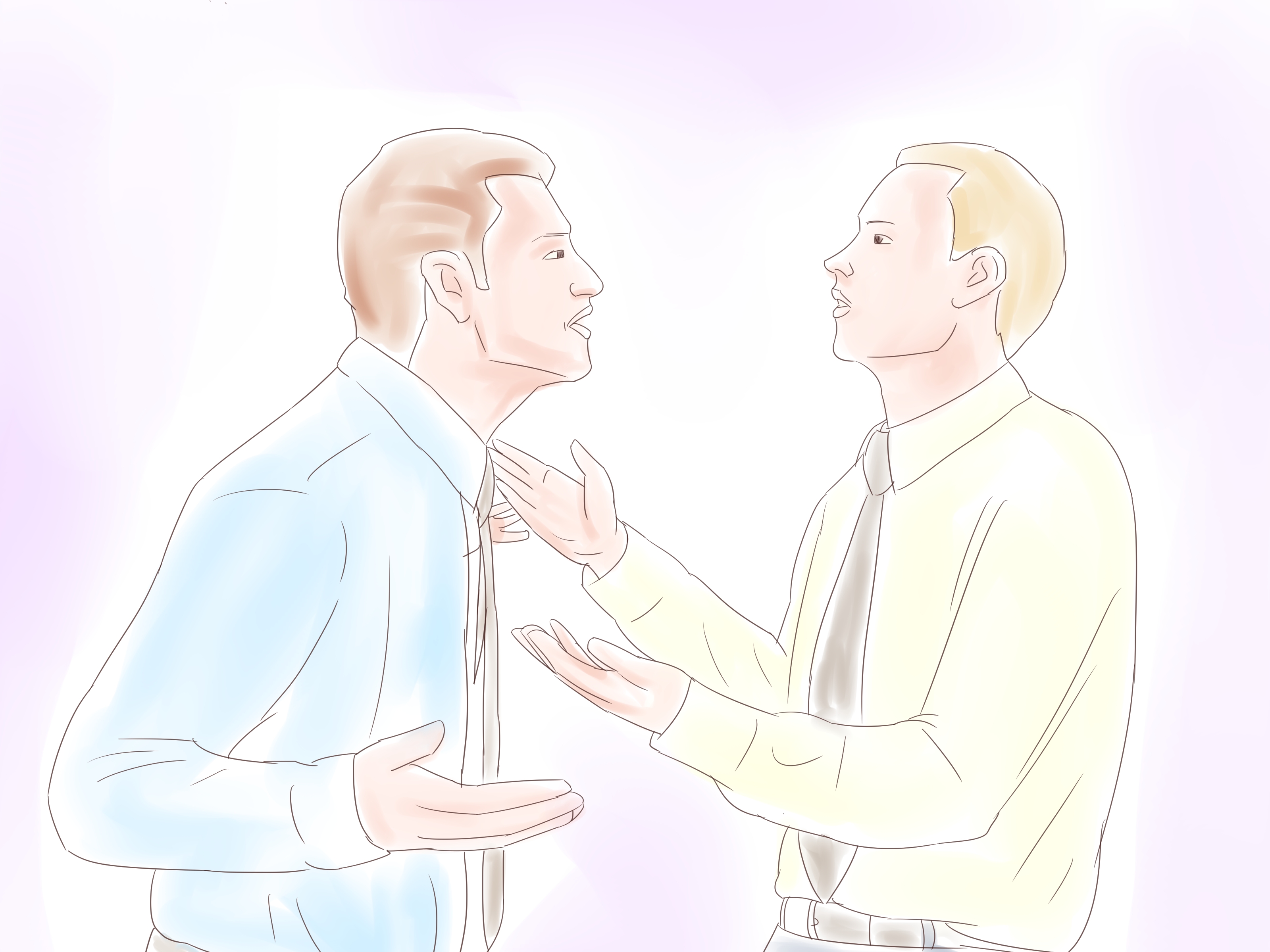
Step 2: Use a calm, specific conversation (not a gaming trial in court)
Try this framework:
- Observation: “I’ve noticed you’ve been gaming until 3 a.m. a few nights a week.”
- Impact: “Your mornings are brutal, and school/work is getting tougher.”
- Curiosity: “What’s gaming doing for you right nowstress relief, friends, escape?”
- Plan: “Let’s build a schedule that protects sleep and responsibilities and still leaves time to play.”
For teens especially, many clinicians emphasize building trust and working collaborativelybecause “Stop playing!”
is rarely a magical spell that works on modern Wi-Fi.
Step 3: Consider professional help when red flags persist
If the pattern is severe, escalating, or tied to depression/anxiety, it’s worth involving a pediatrician, primary care clinician,
or mental health professional. You’re not “making it a big deal.” You’re doing what you’d do for any behavior that’s harming daily life.
Treatment Options: What Actually Helps
There isn’t a single one-size-fits-all cure, but several approaches show up repeatedly across clinical guidance:
Talk therapy (especially CBT)
Cognitive Behavioral Therapy (CBT) is commonly recommended to help people identify triggers, challenge unhelpful thinking,
build coping skills, and replace compulsive patterns with healthier routines.
Family-based strategies
When a teen is involved, family counseling and structured household plans can reduce conflict and create consistent boundaries.
The goal isn’t to “ban fun.” It’s to rebuild balance.
Group support and accountability
For some people, group therapy or peer support reduces isolation and helps with motivationespecially if gaming replaced friendships.
Treating underlying conditions
If anxiety, depression, or ADHD are part of the picture, treating those conditions can reduce the need to escape into games.
Clinicians may use therapy, skills training, school supports, andwhen appropriatemedication for the underlying diagnosis
(not “a pill for gaming,” but treatment for the real co-occurring issue).
Healthy Gaming: Practical Boundaries That Don’t Feel Like Punishment
For gamers (teens or adults)
- Protect sleep like it’s a ranked season reward: set a hard stop 60–90 minutes before bed.
- Build a “stop ritual”: end after a match, a quest, or a timernot “whenever I feel done.”
- Make offline dopamine easy: keep a quick alternative nearby (music, shower, snack, short walk, texting a friend).
- Watch your “mood bargain”: if you only play when stressed, plan a second coping tool so gaming isn’t the only exit.
- Track impact for two weeks: sleep, grades/work, mood, relationships. Patterns become obvious fast.
For parents/caregivers
- Use a family media plan: set rules that protect sleep, homework, and responsibilitiesthen apply them consistently.
- Keep gaming visible when possible: common areas reduce secrecy and reduce “all-night stealth gaming.”
- Play sometimes: you learn what the game is, why it matters, and you lower the temperature of conflict.
- Don’t make gaming the villain: focus on behavior and health, not shame.
- Get help early if needed: pediatricians and mental health providers can guide next steps.
Bonus perspective worth remembering: heavy gaming can sometimes be part of a healthy social lifeespecially when it’s balanced,
not displacing sleep, school, or relationships. The goal is healthy engagement, not panic.
The Debate: Are We Over-Labeling Normal Behavior?
Not everyone agrees on where to draw the line. Some researchers and clinicians worry that labeling gaming as an “addiction”
could stigmatize a common hobby and confuse high engagement with disorder. Others argue that official recognition helps people
access treatment and gives clinicians a shared language for severe cases.
You don’t have to pick a team to make a smart decision for your life: if gaming is causing real impairment and you can’t cut back,
it deserves attentionno matter what label you use.
Bonus Section: Real-Life Experiences with Problematic Gaming (About )
The stories below are composite experiencesthe kinds of patterns commonly described by teens, parents, and clinicians.
They’re not about blaming games. They’re about what it feels like when gaming shifts from “fun” to “stuck.”
1) “I didn’t notice it was taking overuntil Monday happened.”
A high school student starts gaming more during a stressful semester. At first it’s harmless: a way to relax after homework,
a place to joke with friends, a way to feel good at something when school feels hard. Then the stopping point disappears.
One late night turns into “every night.” Sleep drops to five hours. Mornings become battles. Grades slipnot because the student
suddenly “doesn’t care,” but because attention is shot and exhaustion is constant.
What finally changes isn’t a dramatic intervention. It’s a practical one: the student and parent agree on a plan that protects sleep,
with gaming ending earlier on school nights and a clear routine for winding down. The student also talks with a counselor about anxiety,
because gaming wasn’t just entertainmentit was escape. When anxiety is treated and sleep returns, gaming becomes enjoyable again
instead of compulsive.
2) “Gaming was my social life… and then it became my only life.”
A young adult moves to a new place and feels lonely. Online games become a lifelineinstant community, shared goals, and a sense of belonging.
Over time, real-world friendships feel harder because gaming friendships are always available. Meals become “whenever,” exercise disappears,
and weekends blur into marathon sessions. The person feels worse physically and more anxious socially, which pushes them deeper into the game.
It’s a loop: the less real life works, the more gaming feels necessary.
The turning point comes from realizing the goal isn’t quitting foreverit’s rebuilding options. They start with one non-gaming activity a week
(a class, a gym session, volunteering, anything consistent). They also set a rule: no gaming before essential tasks are done. As real life becomes
less stressful, gaming becomes less urgent. The game stays in the picture, but it’s no longer the whole frame.
3) “We fought about games every day… until we changed the fight.”
Parents often describe feeling like the “fun police,” while the teen feels controlled and misunderstood. The home becomes a cycle of arguments,
sneaking, and punishment. In many families, the breakthrough happens when the conversation shifts from “screens are bad” to “we need a healthier routine.”
Instead of debating whether games are evil, everyone agrees on concrete targets: adequate sleep, school participation, basic responsibilities,
and respectful communication. Gaming time is planned, not begged for. Devices charge outside bedrooms. Weekends include something offline.
The result isn’t perfect. But the emotional temperature drops. And when conflict drops, it becomes easier to notice the real issue underneath
stress, sadness, social anxiety, or attention problems. Addressing that underlying issue is often what makes balance possible.
Conclusion
Yes, gaming addiction can be a real thingbut it’s best understood as a pattern of impaired control and real-world impairment,
not a simple tally of hours. If gaming is stealing sleep, damaging school/work, shrinking relationships, or acting like the only way to feel okay,
it’s time to take it seriously. The good news: help exists, and many people improve with practical routines, family support, and therapy that targets
the underlying drivers.