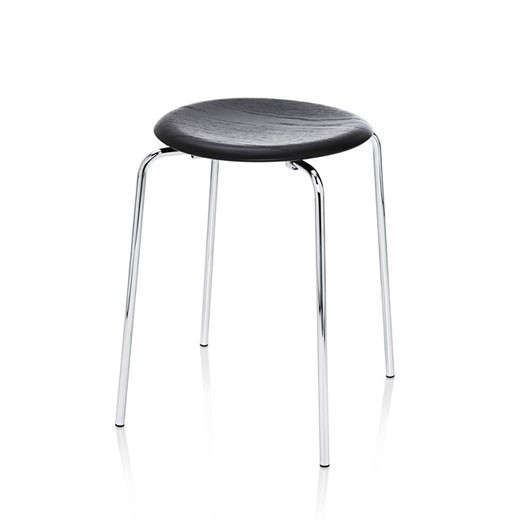
Some furniture shouts. Some whispers. The Jacobsen Dot Stool is the design equivalent of a perfectly timed eyebrow raise:
small, calm, and somehow the most confident thing in the room. It’s also proof that a “simple” stool can have a résumé longer than most of us
(and better posture, frankly).
In this guide, we’ll unpack what the Dot Stool is, why it became a modern classic, how to choose the right version (low vs. high), and how to style it
so it looks intentionalnot like you panic-bought seating before friends came over.
What Is the Jacobsen Dot Stool, Exactly?
The Dot Stool (often referred to by its classic model number, 3170) is a minimalist Danish stool associated with
architect-designer Arne Jacobsen and produced by Fritz Hansen. It’s been around since the mid-1950s, born in the same era
as Jacobsen’s famous molded plywood experimentsthink the Ant Chair and other “how is this so light?” Scandinavian icons.
The origin story is refreshingly practical: Jacobsen spent serious time at the manufacturer’s workshop refining furniture meant for real public spaces.
The Dot was part of that ecosystemcompact, stackable, and easy to deploy wherever people suddenly need to sit (waiting areas, canteens, meeting rooms,
kitchens, kids’ rooms, you name it).
Fun historical footnote: Dot stools were used in Jacobsen’s architectural projects, including Rødovre Town Hall (inaugurated in the mid-1950s),
where their quiet efficiency matched the building’s crisp modernism.
Why the Dot Stool Looks So “Easy” (and Why That’s the Hard Part)
1) It’s basically a masterclass in proportion
The Dot Stool’s seat is a simple circle with a gentle curveno flashy angles, no gimmicks. But that’s exactly why it works. When a design strips itself down
to the essentials, everything has to be right: diameter, edge profile, seat contour, leg placement, and the visual balance between top and base.
Bad proportions on a stool are loud. Great proportions are… silently addictive.
2) The materials do the talking
Most Dot stools pair a refined seat (commonly veneer or upholstered leather/textile) with a slender metal base. Many specs describe a
chromed tubular steel base or a powder-coated alternative, depending on the finish and version. The result:
a stool that can read warm (wood/leather) or crisp (black-on-black, chrome + walnut) without changing its basic silhouette.
3) It’s designed to move
The Dot’s “little helper” reputation comes from the fact that it doesn’t demand a permanent address. It’s light enough to pull into action and
small enough to tuck away. If your home has ever hosted a “we need one more seat” moment, you already understand the Dot’s entire philosophy.
Dot Stool Sizes and Versions: Low, High, Counter, Bar
“Jacobsen Dot Stool” can mean a few closely related things, so here’s the cheat sheet. (No pop quiz. You’re safe.)
The classic low Dot (everyday height)
Many retailer specs list the low Dot at about 17.9 inches high with a footprint around 13–13.5 inches wide/deep and a
seat diameter in that same neighborhood. In metric terms, you’ll often see roughly 46 cm tall and about 34 cm diameter.
Translation: it’s compact, nimble, and works like a spare dining perch, entry stool, or “I’m putting my shoes on like an adult” station.
The High Dot (counter-friendly height)
The High Dot stretches the same idea upward for counters and taller work surfaces. You’ll typically see heights around
25–26 inches (about 65 cm in many catalogs). This version often adds a footrest for comfort and stability
because dangling your feet for 20 minutes feels cute until your legs file a formal complaint.
3-legged vs. 4-legged versions (a quick history note)
Early Dot stools were introduced as a three-legged plywood version in the 1950s, and later iterations became the four-legged version most shoppers recognize
today. Both exist in the wild: the 3-leg tends to show up in vintage listings and certain High Dot variants, while the 4-leg version is the common “daily driver.”
Quick “Which height do I need?” rule
- Standard tables (around 28–30″): the low Dot can work as a flexible extra seat.
- Kitchen counters (around 36″): a counter stool around 24–26″ is usually most comfortablehello, High Dot.
- Bar height (around 40–42″): you’ll typically want a taller bar stool (often 28–30″). Some Dot-family bar options exist, but verify exact seat height before buying.
Where the Jacobsen Dot Stool Works Best
Kitchen: the “extra seat” MVP
The Dot shines in kitchens because it’s easy to pull up, easy to clean, and visually light. If you have an eat-in kitchen that occasionally turns into a
buffet line, homework zone, or “everyone stands around the island for no reason” social hub, the Dot is exactly the kind of flexible seating that earns its keep.
Entryway: a small luxury that feels like a life upgrade
An entryway stool is one of those grown-up moves that makes daily life smoother: putting on shoes, setting down a bag, or staging a “things I must not forget”
pile. The Dot’s small footprint makes it ideal for tight spaces where a bench would bully the room.
Home office: a perch, a side table, a sanity saver
The Dot isn’t an ergonomic task chair, and it’s not pretending to be. But as a quick perch for brainstorming, a spot to stack reference books, or a clean landing
place for a laptop bag, it’s incredibly useful. In minimalist offices, it also reads like a design choicenot a random piece of furniture you’re trying to hide
on Zoom.
Commercial spaces: practical, stackable, and quietly upscale
The Dot’s public-space DNA is real. Stackability and durability matter in cafés, studios, waiting rooms, and retail settings. It’s the kind of stool that looks
composed even when it’s being used for the hundredth time that day.
Styling the Dot Stool Without Overthinking It
Pair it with other Jacobsen icons for an “of course this works” look
The Dot plays especially well with other Jacobsen-adjacent silhouettescurved plywood chairs, slender metal legs, clean Scandinavian lines. If you already have
molded plywood seating, the Dot feels like part of the same visual language.
Pick your vibe: warm classic vs. modern graphic
- Warm classic: walnut veneer or warm leather + chrome base = cozy, timeless, slightly “architect’s office in a good way.”
- Modern graphic: black seat + black base = crisp, contemporary, and surprisingly forgiving with busy interiors.
- Soft + tactile: upholstered textile versions bring comfort and a quieter, lounge-like mood.
Use it as an accent table (yes, really)
Design people love a stool that moonlights as a side table. A tray on top turns the Dot into a neat little landing pad for keys, coffee, or a plant you
promise you’ll water this time. The circular seat makes it look deliberatelike you planned this, not like you ran out of surfaces.
Comfort and Ergonomics: What the Dot Is (and Isn’t)
The Dot Stool is a backless stoolso it’s best for short sits, casual perching, and flexible seating. For long sessions (especially at a counter),
the High Dot’s footrest makes a meaningful difference because it gives your legs a stable place to land.
If you want a little extra comfort, look for upholstered tops or add a thin seat pad. (Just don’t turn it into a marshmallow. The Dot’s charm is its clean shape,
not its ability to impersonate a recliner.)
Buying Guide: How to Choose the Right Jacobsen Dot Stool
Start with height and use case
Decide whether you need the low Dot (flexible, table-adjacent, easy to tuck away) or the High Dot (counter height, more “daily seat” energy). Measure your surface
height and aim for a comfortable gap between seat and countertopyour knees will thank you.
Choose materials like you choose shoes: match your lifestyle
- Veneer seat: classic, warm, and easy to style.
- Leather upholstery: elevated and durable; often ages beautifully with normal use.
- Textile upholstery: softer look, comfortable feel, and great for cozy interiors.
- Chrome base: bright, clean, timeless.
- Powder-coated base: modern, matte, and great for hiding scuffs.
New vs. vintage (and why the “leg count” matters)
Vintage Dot stools can be especially appealing if you’re hunting the older three-legged version or a specific wood tone. New production tends to be easier for
consistency, finish options, and availability. Either way, buy from reputable sellers, verify dimensions, and confirm conditionespecially for vintage listings
where “patina” can sometimes mean “survived three decades of parties.”
Price reality check (without the drama)
The Dot is a design classic from a premium manufacturer, so it generally sits in the “investment stool” category. Prices vary by finish, upholstery, and retailer,
and vintage pricing can fluctuate wildly based on rarity and condition. The best value comes from buying the version that truly fits your spacebecause the wrong
height is the only “deal” that costs you every day.
Care and Maintenance: Keep It Looking Sharp
Veneer seats
Dust regularly, wipe spills promptly, and avoid harsh cleaners. A soft, slightly damp cloth is usually your best friend. Use coasters or a tray if you’re treating
it like a side tablerings are not a design feature.
Leather upholstery
Vacuum gently with a soft brush attachment and wipe with a clean, dry cloth. Condition occasionally if the manufacturer recommends it, and keep leather away from
harsh sunlight if you want the color to stay consistent.
Metal bases (chrome or powder coat)
Wipe with a soft cloth and mild soap solution when needed. Avoid abrasive pads that can scratch chrome or dull powder-coated finishes. Felt pads under the feet can
help protect floors and reduce the chance of accidental scraping.
Dot Stool Alternatives (If You Love the Idea, Not the Price)
If you’re drawn to the Dot because it’s minimal, stackable, and versatile, you might also like other Scandinavian or mid-century-inspired stools with similar
“quiet design” energy. Look for:
- Other stackable stools with tubular steel bases (great for small spaces and occasional seating).
- Round-seat wooden stools if warmth is your main goal (especially for kitchens and entryways).
- Counter stools with footrests if you’ll sit for longer stretches (comfort wins, every time).
But if you want the specific Jacobsen feelthe clean curve, the restrained footprint, the “I belong in a museum but I’m fine in your kitchen” vibethen the Dot
really is its own thing.
Real-Life Experiences With the Jacobsen Dot Stool (The 500-Word Truth)
Here’s what people tend to discover after actually living with a Dot Stoolnot in a glossy, “nobody owns cables” fantasy house, but in real homes where shoes
pile up and someone always needs an extra seat right now.
First: the Dot becomes a roamer. Owners often buy it for one specific spotsay, a kitchen cornerand then catch themselves dragging it everywhere. It starts as
“extra seating,” then becomes “the thing I stand on to reach the top shelf,” then “the stool I use while I’m half-cooking, half-talking,” then “why is this
in the bedroom?” The Dot’s small size and light feel invite movement, which is exactly the point. It behaves more like a tool than a throne.
Second: the height decision matters more than people expect. The low Dot is wonderfully flexible, but it’s not a magical counter stool just because you wish it
hard enough. If you plan to sit at a kitchen island often, a higher version with a footrest tends to feel dramatically more comfortable. The footrest isn’t a
minor detailit changes how your body settles. Without it, you may find yourself perching and fidgeting. With it, you can actually linger.
Third: the finish determines the “daily relationship.” A veneer seat reads warm and classic, and it’s easy to integrate with wood floors and dining furniture.
Leather feels more luxe and tends to handle regular use well, but it also makes you notice the rest of the room: suddenly you care whether your belt buckle is
about to scratch something. Upholstered textile versions can be the coziest, though people with pets or messy-eating toddlers often prefer materials that wipe
down quickly. (This is not judgment. This is survival strategy.)
Fourth: the Dot is a design chameleon. In a minimalist space, it looks purposeful and almost architectural. In a more eclectic room, it acts like a visual
“pause” between louder pieces. People often use it as a small side table with a tray, and it worksbecause a round seat naturally frames whatever sits on it.
Keys look tidier. Coffee looks more intentional. A plant looks like you’ve got your life together (even if you’re googling “how often to water” every week).
Finally: the Dot’s biggest surprise is how much it disappears. Not in a boring wayin a “why does this always look right here?” way. It doesn’t fight your space,
it supports it. And in furniture, that’s the rare kind of helpful that feels like a superpower.