Introduction
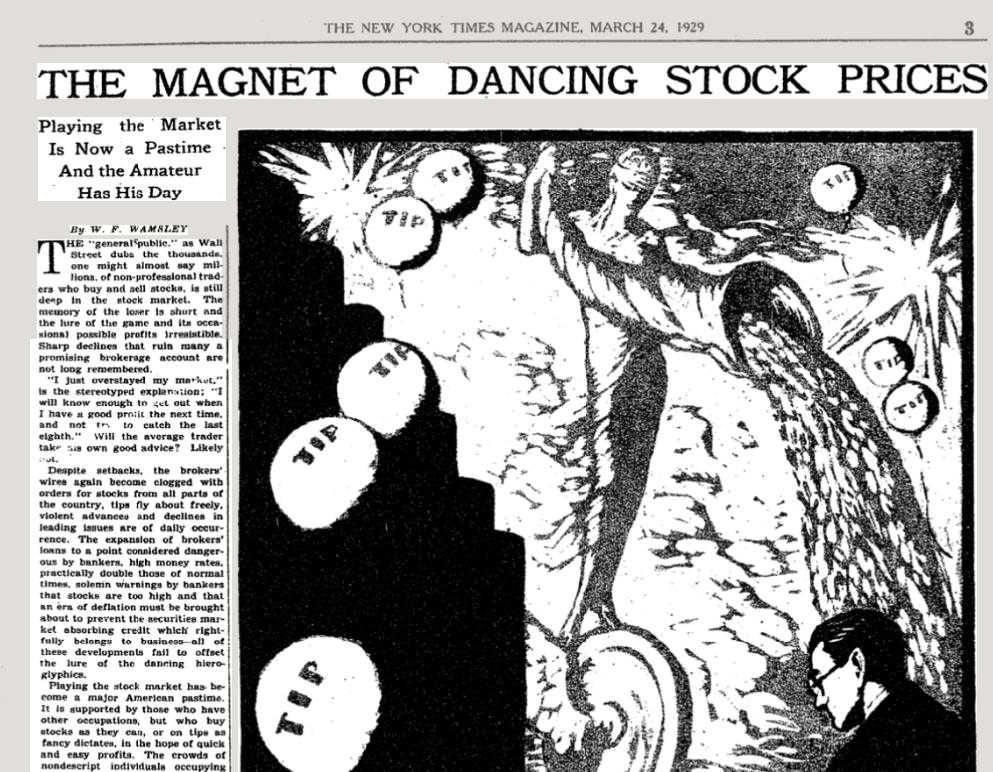
Jesse Livermore is one of the most revered figures in the world of stock trading, having earned a reputation as a market genius whose strategies have inspired generations of traders and investors. Known for his aggressive, yet calculated trading style, Livermore became famous for his ability to profit from both bull and bear markets. One of the key principles that guided his trading was his deep understanding of the “magnet of dancing stock prices,” a concept that relates to the constant, unpredictable fluctuations in stock prices and the human emotions that drive them. This article will explore Livermore’s approach to the stock market, focusing on his insights into the behavior of stock prices and the psychology behind market movements.
The Early Years of Jesse Livermore
Jesse Livermore’s journey into the world of stock trading began at an early age. Born in 1877, Livermore entered the stock market at just 14 years old, working as a quotation boy in a Boston brokerage firm. He quickly became fascinated with the fluctuations in stock prices and the patterns they followed. Despite a rocky start, Livermore’s ability to spot trends and anticipate price movements led him to take a more active role in trading. By the age of 20, he had already made a fortune shorting stocks during a market correction.
The Magnet of Dancing Stock Prices
One of Livermore’s core beliefs was that stock prices were influenced by a variety of factors, including market sentiment, news, and the behavior of other traders. He referred to the constant movements of stock prices as the “magnet of dancing stock prices,” a metaphor that captured the seemingly erratic nature of the market. According to Livermore, stock prices were always in motion, constantly pulling traders in different directions. The key to success, he argued, was learning how to navigate these fluctuations and use them to one’s advantage.
Livermore’s understanding of the “magnet” came from his observation of market psychology. He recognized that stock prices were driven by human emotions such as fear, greed, and hope, which created waves of buying and selling activity. This constant ebb and flow of emotions caused stock prices to move in patterns, creating opportunities for traders who could identify these trends. Livermore believed that understanding these patterns and timing his trades accordingly was the key to achieving long-term success in the market.
Livermore’s Trading Strategy: Following the Trend
At the heart of Livermore’s trading strategy was his emphasis on following the trend. He was one of the earliest proponents of the idea that “the trend is your friend,” and he believed that the market would always follow a predictable direction over time. Livermore’s approach was to wait for a clear trend to emerge and then enter the market in the direction of that trend. He would ride the trend as long as it continued and then exit the market once the trend showed signs of reversing.
One of the key insights Livermore had was his ability to identify “pivot points” in the market. These were moments when a stock’s price would either break out of a trading range or reverse direction entirely. Livermore would enter a position when the stock broke out of a range, and he would cut his losses quickly if the trend reversed. This strategy helped him to profit from both short-term price movements and long-term trends.
The Role of Market Psychology in Livermore’s Strategy
Livermore’s success in the stock market was not just due to his technical analysis skills; it was also a product of his understanding of market psychology. He recognized that the market was driven by a collective psychology, where emotions such as fear, greed, and euphoria could cause irrational price movements. Livermore was a master of controlling his emotions, which allowed him to remain calm in the face of volatility and take advantage of opportunities when others were panicking.
Livermore’s famous quote, “The stock market is filled with individuals who know the price of everything, but the value of nothing,” captures his disdain for traders who focused solely on short-term price movements without considering the underlying psychological factors driving those movements. He believed that successful traders needed to understand not only the technical aspects of the market but also the human emotions that influenced market behavior.
Examples of Livermore’s Success
Livermore’s ability to read the “magnet of dancing stock prices” led to several remarkable successes throughout his career. One of his most famous trades occurred during the 1907 panic, when he shorted stocks at the height of the market crash and made a fortune as prices plummeted. He also famously made millions during the 1929 stock market crash, correctly predicting the collapse of the stock market and profiting from his short positions.
Despite these successes, Livermore’s career was not without its setbacks. He experienced several periods of significant losses, often due to his failure to control his emotions during times of market volatility. Livermore’s story is a testament to the fact that even the most successful traders are subject to the whims of the market and the psychological pressures that come with it.
Livermore’s Legacy and Influence on Modern Traders
Jesse Livermore’s influence on modern traders cannot be overstated. His trading strategies, particularly his emphasis on following trends and understanding market psychology, have been adopted by countless investors and traders over the years. The concept of “momentum trading,” which involves buying stocks that are trending upward and selling those that are trending downward, is rooted in Livermore’s approach to the market. Additionally, his focus on controlling emotions and managing risk has become a fundamental part of modern trading psychology.
Livermore’s work also laid the groundwork for the development of technical analysis, a method of analyzing stock prices based on historical data and price patterns. His use of charts to track price movements and identify trends was revolutionary at the time and is still widely used by traders today.
Conclusion
Jesse Livermore’s understanding of the “magnet of dancing stock prices” and his ability to navigate the ever-changing market environment make him one of the most influential traders in history. His insights into market psychology, trend following, and risk management have had a lasting impact on the world of stock trading. While Livermore’s career was marked by both triumphs and failures, his legacy continues to inspire traders and investors who seek to understand the complexities of the market and the human emotions that drive it.
Experiences and Reflections on Livermore’s Principles
Having spent years studying Jesse Livermore’s strategies and observing the market, I can personally relate to his experiences. The concept of the “magnet of dancing stock prices” resonates deeply with me, as I have witnessed how market trends can shift suddenly, often in unpredictable ways. Livermore’s ability to remain calm in the face of market fluctuations is something that every trader should strive for. During my own trading experiences, I’ve realized that emotional control is just as important as technical analysis. Livermore’s advice to cut losses quickly has been invaluable to me, as I’ve often found that the best trades are the ones where I limit my losses and let my winners run.
Moreover, Livermore’s ability to spot trends and identify pivot points in the market is something I continue to strive for. By closely monitoring price movements and understanding the psychological forces behind them, I have been able to make more informed trading decisions. The key takeaway from Livermore’s life and career is that success in the stock market requires not only technical knowledge but also a deep understanding of human behavior and the ability to remain disciplined under pressure.
Livermore’s life story serves as a reminder that the stock market is not just a place for technical analysis and charts, but a reflection of the human emotions that shape our decisions. Whether you’re a seasoned trader or just starting, the lessons from Livermore’s approach to the market can offer valuable insights into how to navigate the complexities of trading and investing in a world where the “magnet of dancing stock prices” is always in motion.