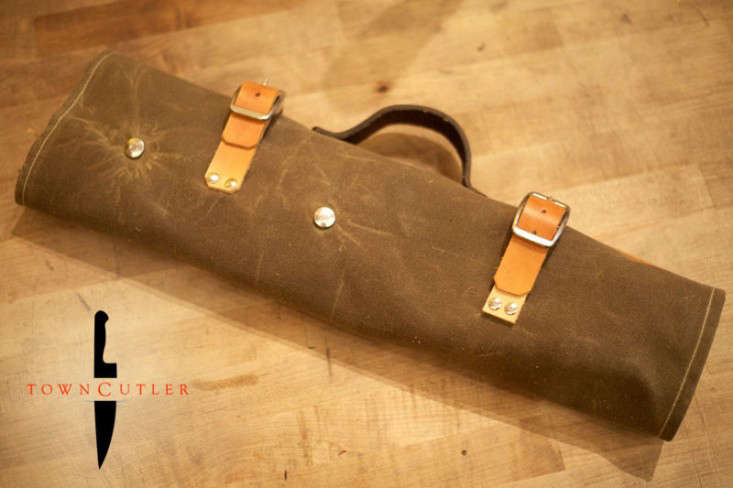
A brown knife roll is the culinary equivalent of a good pair of boots: it’s practical, it gets better with age,
and it quietly tells the world, “Yes, I brought my own tools.” Whether you’re a culinary student sprinting to class,
a line cook commuting before the sun’s up, or a home cook who’s tired of playing “Where did my paring knife go?”,
a brown knife roll is one of the easiest upgrades you can make for organization, protection, and peace of mind.
In this guide, we’ll break down what makes a great knife roll, why brown is a surprisingly smart choice, and how to pick
a roll that fits your kit (and your lifestyle). No fluff, no weird “knife roll aura cleansing,” just real-world details,
practical examples, and a little humorbecause you deserve to enjoy your gear.
What Is a Knife Roll (and Why Brown Is Having a Moment)?
A chef knife roll is a fold-and-roll carrying case designed to keep knives and kitchen tools separated,
protected, and portable. It typically has stitched or elastic pockets for blades, plus extra space for tools like a honing rod,
peeler, thermometer, tweezers, plating spoons, or pensbecause kitchens run on sharp edges and permanent markers.
“Brown” isn’t just a color choice; it’s often a clue about the material. Many brown knife rolls are made from
waxed canvas, oil-finish fabrics, or leather (or a mix), all of which are popular in pro kitchens because
they’re tough, wipeable, and age with character. Brown also hides the inevitable scuffs, flour fingerprints, and “mystery smudge”
that shows up after a busy shift. If a black roll is a tuxedo, a brown roll is a well-loved denim jacketstill presentable,
just more honest.
The Non-Negotiables: What Makes a Great Brown Knife Roll
Knife rolls can look similar in photos, but in real life the difference between “chef-worthy” and “why is my strap unraveling?”
comes down to a handful of features. Here’s what matters most.
1) Blade Protection That’s Actually Protective
The best rolls don’t just provide pocketsthey reduce blade-to-blade contact and help prevent edges from getting dinged or dulled.
Look for a roll with snug slots, reinforced seams, and ideally a protective flap that covers the tops of the pockets before you roll it up.
Pairing the roll with knife guards (or sayas) is a big win, especially for thinner or higher-end blades.
2) Pocket Layout That Keeps the Roll Balanced
A classic frustration: all the knives end up on one side, and when you roll it up you get one “fat end” and one “skinny end,”
which makes carrying awkward. Better designs distribute pockets thoughtfully (sometimes on both sides) so weight sits more evenly
and the roll stays comfortable in-hand or on a shoulder strap.
3) Capacity That Matches Your Real Kit (Not Your Fantasy Kit)
Be honest: if you carry three knives and a honing rod, don’t buy a giant roll made for an entire brigade.
Bigger rolls (8–12 pockets or more) are great for professionals and students with full kits.
Smaller rolls are perfect for minimalists and home cooks who want “grab-and-go” organization.
4) Closures That Stay Closed
Straps, buckles, snaps, or heavy-duty zipperswhatever the style, the closure should feel secure.
You want a roll that doesn’t loosen and unspool mid-carry like it’s auditioning for a slapstick comedy.
5) Comfort Features You’ll Appreciate on a Long Walk
If you commute with your roll, details matter: a padded handle, a shoulder strap, and hardware that doesn’t dig into your hand.
These features sound small until you’re walking across a parking lot in the rain thinking,
“I would trade three perfectly laminated croissants for a better strap right now.”
Materials That Make Brown Knife Rolls Popular
Brown knife rolls tend to cluster around a few materials, each with its own vibe and benefits.
If you’re shopping for a waxed canvas knife roll or a leather knife roll, this section is your cheat sheet.
Waxed Canvas: Tough, Water-Resistant, and Built for “Real Life”
Waxed canvas is famous for durability and a naturally water-resistant finish. It’s a favorite for gear that needs to take a beating,
and a brown waxed canvas roll can develop a handsome patina over time. It’s also more forgiving than leather in busy kitchen environments:
it can handle light splashes and wipes welljust don’t treat it like a bath towel.
- Pros: Rugged, water-resistant, hides scuffs, develops patina, usually lighter than full leather.
- Cons: Needs spot-cleaning (not machine washing), may require rewaxing over time to maintain performance.
Leather: Classic, Durable, and Seriously Good-Looking
A brown leather knife roll is classic for a reason: it’s durable, protective, and looks professional without trying too hard.
Leather can also feel more structured, which helps a roll keep its shape. The tradeoff is care: leather dislikes soaking wet situations,
and it benefits from occasional conditioning.
- Pros: Long-lasting, structured feel, premium look, beautiful aging/patina.
- Cons: More sensitive to water saturation, usually heavier and pricier, needs conditioning.
Hybrid Builds: Canvas + Leather Trim = “Best of Both Worlds”
Many popular brown rolls combine waxed canvas with leather accents (handles, straps, reinforcement panels).
This can add strength where it’s neededlike stress pointswithout making the whole roll heavy.
Hardware and Stitching: The Quiet Dealbreakers
Strong stitching, reinforced pocket edges, and reliable hardware (zippers, buckles, rivets) are what separate a roll that lasts
from one that fails right when you’re already late. If you’re evaluating options, pay attention to build details:
double-stitching, reinforced seams, and brand reputation matter.
How to Load a Knife Roll Safely (Without Overthinking It)
A knife roll is about safe storage and tool protection. The goal: keep blades from knocking into each other, keep edges from rubbing,
and keep everything contained while you move from place to place.
- Start clean and dry: Moisture is the enemy of both steel and roll materials. Wipe tools dry before storing.
- Use blade guards when possible: They help protect edges and reduce wear on pocket seams.
- Handle-first into pockets: This helps keep sharp edges oriented safely and makes tools easier to grab consistently.
- Don’t overstuff: If pockets strain or bulge, you’ll stress seams and risk tools shifting.
- Close it like you mean it: Secure straps or zippers fully so the roll stays rolled.
If you ever travel by air: kitchen knives generally aren’t allowed in carry-on bags. If you’re flying, always check current rules
and pack sharp tools according to official guidance (and local regulations).
Choosing the Right Size: The “Knife Roll Lifestyle” Test
Here’s a quick way to pick the right knife roll size: match it to your actual routine.
A great roll should feel like an extension of your workflow, not an awkward suitcase for objects you don’t use.
The Minimalist (3–5 knives + a couple tools)
Best for: home cooks, weekend caterers, pop-ups, and anyone who prefers a tight, simple kit.
Look for 5–8 pockets, a slim silhouette, and a compact tie closure. Brown waxed canvas is perfect here:
durable, understated, and easy to stash in a backpack.
The Student or Working Line Cook (7–10 tools + “just in case” extras)
Best for: culinary programs and pro kitchens where you carry a core knife set plus accessories.
Look for 8–12 pockets, a protective flap, a zippered tool pouch, and a shoulder strap.
A brown roll with reinforced seams is idealbecause your schedule won’t be gentle.
The Heavy Kit (big capacity, more compartments)
Best for: professionals carrying multiple knives, specialty tools, and maybe even notebooks and plating tweezers.
Consider a larger roll or a knife backpack-style carrier. These often prioritize comfort, organization, and lots of storage.
Why Brown Is a Smart (and Stylish) Choice
Brown gets underrated, but it’s quietly brilliant for kitchen gear:
- It hides wear: Scuffs and stains blend instead of screaming for attention.
- It looks professional without being flashy: “I care about my tools” energy, not “I’m here for a photoshoot.”
- It ages well: Waxed canvas and leather develop character over timeespecially in warm brown tones.
- It matches everything: Aprons, clogs, chef coats, denim, you name it.
If you want a roll that still looks good after months of real use, brown is the low-maintenance MVP.
Care Tips: Keep Your Brown Knife Roll Looking Good (and Smelling Normal)
Knife rolls live a hard life: heat, humidity, spills, and the occasional “Why does this smell like onions?”
A little maintenance goes a long way.
Waxed Canvas Care
- Spot-clean only: Wipe with a damp cloth or use a spot cleaner designed for waxed fabrics.
- Avoid machine washing: It can strip wax and change the fabric’s performance.
- Dry fully before storage: Damp fabric can lead to odors or mildew.
- Rewax when needed: If the fabric looks dry or loses water resistance, rewaxing can refresh it.
Leather Care
- Wipe after use: A clean, slightly damp cloth handles most surface grime.
- Condition occasionally: A thin, even coat helps prevent dryness and cracking.
- Don’t soak it: If it gets wet, let it dry naturallyaway from direct heat.
Odor Control That Doesn’t Get Weird
If your roll picks up smells, start with airflow. Open it up at home, let it dry, and wipe down the interior.
Most odor problems begin with moisture trapped after a shift.
Common Mistakes (and How to Avoid Them)
- Storing knives wet: This invites rust and odors. Dry tools before rolling.
- Bare blades in tight pockets: It can stress seams and nick edges. Guards help.
- Overstuffing: A roll isn’t a magic bag of holding. If it’s bulging, scale back or size up.
- Ignoring closure quality: A loose tie is an invitation for chaos. Choose secure closures.
- No organization plan: Put the same tools in the same spots every time. Your future self will say thank you.
Quick FAQ: Brown Knife Roll Edition
Is a knife roll better than a knife bag?
It depends. Rolls are compact and classic, while bag or backpack styles can carry more tools and feel easier for long commutes.
If you carry a moderate kit and want a slim profile, a roll is great. If you carry everything including the kitchen sink,
look at larger carriers.
Will a knife roll dull my knives?
A good roll shouldn’t. The risk comes from blades rubbing against hard surfaces or each other.
Use proper pockets, keep tools separated, and consider blade guards to protect edges.
Waxed canvas or leather for a brown knife roll?
Waxed canvas is lighter and more “wipe-and-go.” Leather is structured and premium but needs a little more care.
Hybrids are a strong middle ground.
How many pockets do I need?
Count your essential tools and add one or two “growth pockets.” If you’re buying a roll with 12 slots but you own 4 knives,
you may be paying for empty real estate.
Can I use a knife roll at home for storage?
Yesespecially if you lack drawer space or want to keep a set of knives organized. Just make sure knives are clean and dry
before storing long-term, and keep the roll somewhere cool and dry.
Conclusion: The Best Brown Knife Roll Is the One You’ll Actually Use
A Knife Roll – Brown isn’t just a fashionable tube of fabricit’s a practical system for protecting your tools,
speeding up your workflow, and making transport safer and easier. Focus on the fundamentals:
solid stitching, protective pocket design, secure closures, and a size that fits your real kit.
If you want a roll that looks better with age, hides daily wear, and feels right at home in a busy kitchen,
brown is an excellent choiceespecially in waxed canvas, leather, or a hybrid build.
Pick one with thoughtful details, treat it like the piece of gear it is, and it’ll return the favor every shift.
: experiences related to “Knife Roll – Brown”
Real-World Experiences with a “Knife Roll – Brown” (What People Notice After Using One)
People often buy a knife roll for one reason“I need to carry my knives”and then keep using it for a dozen reasons they didn’t expect.
One of the first things many cooks notice with a brown knife roll is how quickly it becomes part of a routine. You stop thinking
about “packing” and start thinking about “resetting.” After a shift or a cooking session, the roll becomes the checkpoint:
wipe, dry, slot, close. It’s the same satisfying feeling as setting out your clothes the night beforeyour future self is going
to have a better day because present-you did the small responsible thing.
Another common experience is realizing that brown is basically camouflage for real life. A brand-new roll (any color) looks pristine
for about seven minutes. Then it meets flour dust, a smudge of paprika, or that one drop of sauce that appears out of nowhere like
it teleported. Brown rollsespecially waxed canvastend to wear those marks gracefully. Instead of looking “dirty,” they look “used,”
and in kitchens, “used” is often a compliment. It’s the difference between a cutting board that looks like it’s been loved and a cutting board
that looks like it’s been living under a museum spotlight.
Comfort surprises people too. The first time someone carries a loaded roll across a parking lot or up apartment stairs, they notice
whether the handle is padded, whether the strap bites into the shoulder, and whether the roll stays balanced. Rolls with better weight
distribution feel calmerless awkward swing, less “fat end / skinny end” wobble. That balance becomes especially appreciated in the winter,
when you’re juggling a bag, a coat, and the feeling that you should’ve left five minutes earlier.
Cooks also talk about the “quiet confidence” factor. Walking into a new kitchen, class, or event with your own tools organized in a neat roll
feels different than tossing items into a random tote. It’s not about showing offit’s about not having to hunt for a peeler while everyone else
is already prepping. Many people find that a knife roll subtly improves their speed because everything has a place. The thermometers stop disappearing.
The pens stop vanishing. The plating tweezers stop playing hide-and-seek. It’s not magic; it’s just organization that travels with you.
Finally, there’s the long-term experience: patina. Leather darkens slightly, waxed canvas softens and creases in familiar places, and the roll starts
to look uniquely yours. For some cooks, that evolution is part of the joy. A brown knife roll doesn’t stay “new,” and that’s kind of the point.
It becomes the record of your workminus the drama. Just remember the most consistent lesson people learn: if you dry your tools before rolling them up,
everything (knives and roll included) stays happier for longer. It’s a tiny habit with a big payoff, and it’s one that brown rollssturdy, forgiving,
and built for daily usetend to encourage.