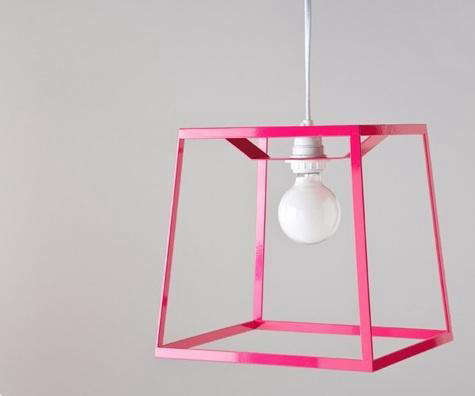
Some pendant lights whisper. Some shout. The Frame Light Pendant by Iacoli & McAllister does something far more interesting: it draws a perfect little box around the idea of light and says, “Look at this.” No shade drama, no crystal waterfall, no chandelier trying to win a regional theater award. Just a clean geometric frame, a glowing globe, and enough architectural confidence to make a kitchen island feel like it has its own gallery opening.
The Frame Light is one of those modern lighting designs that looks simple until you try to ignore it. Then you realize the entire charm is in the restraint. Designed by Seattle-based studio Iacoli & McAllister, the pendant combines powder-coated or plated steel, visible structure, and a globe bulb into a fixture that feels industrial, nautical, Art Deco, and minimalist all at once. That is a lot of personality for something shaped like a cube, but here we are.
This article explores what makes the Frame Light Pendant memorable, where it works best, how to style it, and why it remains a smart reference point for anyone interested in modern pendant lighting, geometric lighting, kitchen island pendants, and handcrafted American design.
What Is the Frame Light Pendant?
The Frame Light Pendant is a geometric ceiling fixture built around a simple idea: expose the bulb, frame the glow, and let proportion do the decorating. Instead of hiding the light source behind a heavy shade, the fixture presents the bulb as part of the design. The steel frame gives the pendant its shape, while the round globe bulb softens the geometry with a friendly visual contrast.
The most recognizable version is the Large Frame Light, a 16-inch cube made with powder-coated steel and brass hardware. Current finish options include restrained colors such as black, white, and sand, while earlier versions appeared in playful powder-coated shades including pink, green, and yellow. The design has also been offered in metallic finishes such as brass, copper, and chrome through select retailers and design platforms.
The pendant’s visual DNA is easy to read. It has the practical bones of an old lantern, the crisp outline of a modern sculpture, and the polished personality of a boutique hotel lobby that definitely has better soap than your house. Yet it is not fussy. That is the whole point. The Frame Light works because it is architectural without feeling cold.
The Design Language: A Box, a Bulb, and a Very Good Attitude
Minimalism Without the Monastery Vibe
Minimalist lighting can sometimes feel like it was designed by someone who considers beige a hobby. The Frame Light avoids that trap. Its minimalism is active, not empty. The cube creates a clear boundary, the bulb provides softness, and the cord becomes part of the line work. It is simple, yes, but not silent.
The pendant’s open frame also makes it visually lighter than a solid metal shade. In a compact kitchen, dining nook, or office, that matters. You get the presence of a sculptural fixture without the bulky visual weight. The eye can pass through it, which keeps the room feeling open.
A Nod to Nautical and Art Deco Lighting
Design writers have often compared the Frame Light to nautical lanterns and Art Deco pendants. That comparison makes sense. The exposed structure recalls protective cage lights found in practical marine or industrial settings, while the balanced geometry feels decorative in the way Art Deco loves symmetry, line, and glamour. The difference is that Iacoli & McAllister stripped the references down to their cleanest form.
The result is not retro cosplay. It does not look like it escaped from a shipyard or a 1920s train station. It simply borrows the strongest ideas: durability, outline, proportion, and a glowing center.
Materials and Finishes: Why the Frame Matters
The Frame Light is built from steel, with powder-coated or plated finishes depending on the version. Powder coating gives the frame a smooth, durable surface and allows the fixture to hold color beautifully. Black feels graphic and modern. White almost disappears into a pale ceiling while keeping the geometry visible. Sand warms the look and plays nicely with natural wood, limewash walls, stone counters, and soft neutral interiors.
Metallic versions add a different mood. Brass brings warmth and a quiet luxury. Copper develops character over time, especially when left uncoated. Chrome sharpens the pendant into something cooler and more reflective. Each finish changes the personality of the same basic shape, which is one reason the design has remained versatile.
The white cord used in many versions is another important detail. A black cord would make the pendant feel more industrial. A white cord softens the object and helps it float. That may sound like a tiny decision, but lighting is made of tiny decisions. One wrong cord and suddenly your elegant kitchen looks like it is charging a lawn mower.
Where the Frame Light Pendant Works Best
Kitchen Islands
The kitchen island is the natural habitat for a pendant like this. The cube shape creates rhythm when used in pairs or trios, and the open frame keeps sightlines clear. Because the fixture has strong geometry, it works especially well above long rectangular islands, where the repeated shape can echo the counter below.
For placement, a common guideline is to hang pendants roughly 28 to 36 inches above the countertop, adjusting for ceiling height, fixture size, and the eye level of the people who actually live there. Tall family members deserve lighting too, preferably lighting they do not headbutt before coffee.
Dining Rooms
Over a dining table, the Frame Light can act like a compact chandelier. A single large pendant creates a clean focal point above a round or square table. Multiple smaller versions can stretch across a rectangular table for a more dramatic installation.
The exposed globe bulb should be chosen carefully in dining spaces. A warm color temperature, a dimmable bulb, and a soft white globe will create a more flattering atmosphere. Nobody wants dinner guests lit like suspects in a police interview.
Bedrooms and Bedside Corners
The Frame Light can also replace a bedside table lamp, especially in small bedrooms where surface space is precious. Hanging pendants on both sides of the bed gives a room a custom, hotel-inspired look. The open shape keeps the mood casual enough for everyday living, while the geometric outline adds polish.
Entryways and Hallways
In an entry, the Frame Light offers a strong first impression without becoming oversized. It is particularly effective in homes with clean architectural lines, black-framed windows, concrete floors, pale oak, or simple white walls. The fixture says “designed” without saying “please remove your shoes and admire my pendant.”
Home Offices and Creative Studios
In a home office, the Frame Light feels appropriate because it has the clarity of a drawing tool. It looks measured, thoughtful, and slightly technical. Paired with a wood desk, metal shelving, or a minimal task lamp, it can make a workspace feel more intentional.
How to Style the Frame Light Pendant
Pair It With Natural Materials
The clean steel frame looks especially good beside tactile materials. Think oak cabinets, walnut dining tables, leather seating, handmade tile, concrete, stone, linen curtains, and ceramic accessories. The pendant’s geometry brings order, while natural materials keep the space from feeling too strict.
Use Repetition for Impact
One Frame Light is a statement. Three Frame Lights are a sentence. A cluster is a paragraph with excellent punctuation. The design lends itself beautifully to repetition because the cube is easy for the eye to understand. Multiple pendants can create a chandelier effect while still feeling airy.
Choose the Finish Based on Contrast
In a white kitchen, a black Frame Light gives crisp contrast. In a darker room, a white or sand finish can keep the fixture from feeling too heavy. Brass or copper works well when a room already includes warm metals, such as cabinet pulls, faucets, mirror frames, or furniture details.
Bulbs, Brightness, and the Case for Dimmers
Because the bulb is visible, bulb choice is not a technical afterthought. It is part of the design. A white globe bulb preserves the pendant’s soft, modern look and helps diffuse glare. Clear bulbs can look stylish, but they may feel harsher depending on placement and wattage.
Some product specifications note that the Frame Light can accept higher-wattage bulbs when used with a dimmer, but for everyday comfort, a lower-output bulb or dimmable LED is often the better choice. Modern LED bulbs use significantly less energy than incandescent bulbs and can last much longer, making them a practical option for a fixture that may be used daily.
A dimmer is strongly recommended. It gives the pendant range: bright for chopping vegetables, soft for dinner, lower still for late-night tea, existential scrolling, or pretending you are not eating shredded cheese directly from the bag.
What Makes It Different From Other Modern Pendant Lights?
Many modern pendants rely on surface: glass, ceramic, fabric, metal shade, or sculpted volume. The Frame Light relies on outline. That makes it unusually adaptable. It does not compete heavily with artwork, tile, or furniture. Instead, it frames negative space.
This is also why it photographs well. In interior design, strong silhouettes matter. A pendant with a clear outline can organize a room visually, especially in open-plan spaces where the kitchen, dining area, and living room all need gentle boundaries. The Frame Light can mark a zone without building a wall. Walls, as everyone who has watched a renovation show knows, are very dramatic and usually hiding something expensive.
Buying Considerations Before You Commit
Scale
Measure first. The 16-inch large version has enough presence for an island, dining nook, or entry, but it may overpower a very narrow counter. Smaller or medium versions can work better in multiples. When in doubt, use painter’s tape or a cardboard mockup to visualize the size in the actual room.
Lead Time
Handcrafted and made-to-order lighting often requires patience. Current listings may show multi-week lead times, and design marketplace listings can vary. Plan ahead if the pendant is part of a renovation schedule. Electricians are wonderful people, but they do not enjoy arriving before the fixture does.
Installation
Hardwired versions should be installed by a qualified electrician. If you are replacing an existing pendant, confirm canopy size, ceiling box condition, cord length, voltage, bulb base, and dimmer compatibility. Good lighting is part beauty, part math, and part not shocking yourself.
Maintenance
Open-frame pendants are easier to dust than many enclosed shades, but visible bulbs and frames do collect airborne kitchen residue over time. A microfiber cloth and gentle cleaning routine will keep the frame sharp. Metallic finishes may age naturally, especially brass and copper, so embrace patina or polish according to your taste.
Pros and Cons of the Frame Light Pendant
Pros
The biggest advantage is visual clarity. The Frame Light is distinctive without being loud. It works in modern, industrial, Scandinavian, transitional, and eclectic interiors. It can stand alone or repeat beautifully in a group. It is also a strong choice for people who want artisan lighting that feels designed, not mass-produced.
Cons
The exposed bulb means glare control matters. The open frame will not hide a bad bulb, so you must choose carefully. The price is also higher than basic retail pendants, especially for current made-in-U.S. versions. Finally, the geometric shape is not for every room. In a highly traditional interior full of curvy antiques, the Frame Light may look like it wandered in from a very stylish geometry class.
Experience Notes: Living With a Frame Light Pendant
The first thing you notice about a Frame Light-style pendant in a real room is not the light itself, but the shadow of intention it casts over everything else. That may sound dramatic, but good lighting has a way of making nearby choices look more deliberate. A plain white wall suddenly feels gallery-like. A wood table looks more sculptural. Even a bowl of lemons appears to have been curated by someone wearing excellent glasses.
In a kitchen, the experience is practical and visual at the same time. The open cube does not block conversation across the island, which is important because kitchens are where people gather to discuss dinner, schedules, and why there are seven jars of mustard in the refrigerator. With the right globe bulb, the pendant gives enough focused light for daily tasks while still feeling warm. Add a dimmer, and the fixture becomes flexible enough for morning coffee, evening prep, and late-night snack negotiations.
Over a dining table, the pendant changes the mood by creating a defined center. Unlike a drum shade or traditional chandelier, the Frame Light does not spread a heavy visual canopy over the table. Instead, it outlines the air above it. That makes small dining rooms feel less crowded and larger rooms feel more organized. Guests may not immediately say, “What a beautifully proportioned pendant,” because most guests are normal. But they will often notice that the room feels finished.
The fixture also teaches a useful design lesson: statement pieces do not have to be huge. The Frame Light makes its point through proportion, contrast, and restraint. It is not trying to be the biggest object in the room. It is trying to be the sharpest idea. That is why it works well with quiet interiors and with more colorful ones. In a neutral room, it adds structure. In a bold room, it adds discipline.
The only real adjustment is learning to respect the bulb. Because the globe is visible, a poor bulb choice can ruin the effect. Too cool, and the room feels clinical. Too bright, and everyone looks like they are being interrogated about missing leftovers. A warm, dimmable LED globe usually gives the best everyday experience. It keeps the pendant efficient, comfortable, and visually clean.
After living with a pendant like this, you may start judging other lights a little unfairly. Some fixtures suddenly seem overdressed. Others feel undercooked. The Frame Light sits in that satisfying middle place: designed but not precious, bold but not bossy, simple but not boring. It is the rare fixture that can make a ceiling feel considered, which is impressive because ceilings are usually just where we put smoke detectors and regret.
Conclusion: A Modern Pendant With Staying Power
The Frame Light Pendant by Iacoli & McAllister remains compelling because it understands the power of outline. It does not need elaborate ornament, oversized scale, or trendy materials to make an impact. Its cube frame, globe bulb, and handcrafted finish create a fixture that feels architectural, useful, and quietly playful.
For homeowners, designers, and lighting lovers, it is a smart example of how modern pendant lighting can be both functional and expressive. Use it over a kitchen island, dining table, entry, bedside zone, or studio space. Pair it with natural materials, choose the finish with care, add a dimmer, and let the geometry do its thing. Sometimes the best lighting design is not about covering the bulb. Sometimes it is about framing the glow.