Some light fixtures simply brighten a room. Moroccan pendant lanterns, on the other hand, walk in like they own the place, throw lace-like shadows on the walls, and turn a perfectly normal Tuesday night into something that feels a little more cinematic. If your home has ever looked at you and whispered, “I could use more personality,” this is the category of lighting that answers back with brass, cutouts, glass, and unapologetic charm.
Moroccan pendant lanterns have become a favorite in American homes because they do two jobs at once. First, they provide real illumination. Second, they act like jewelry for the ceiling. That double duty matters. In a design era where people want rooms to feel layered, collected, and warm rather than flat and showroom-stiff, these lanterns bring texture, mood, and a handcrafted look that instantly softens a space.
Whether you lean bohemian, Mediterranean, modern eclectic, desert-inspired, or somewhere between “quiet luxury” and “my living room has a passport,” Moroccan pendant lanterns can work surprisingly well. The trick is knowing what they are, why they look so captivating, and how to use them without making your house feel like a theme restaurant with excellent hummus.
What Makes Moroccan Pendant Lanterns So Distinctive?
Moroccan pendant lanterns are known for their sculptural shapes, pierced metalwork, and atmospheric glow. Many feature hand-cut patterns, geometric motifs, filigree details, arches, teardrop silhouettes, or star-inspired forms. Others incorporate clear, frosted, or colored glass panels that scatter light in a softer, jewel-toned way. Even when the lantern is off, it brings strong decorative value. When it is on, that is when the magic starts.
The most recognizable versions are made in warm metals like brass, bronze, blackened iron, or antique silver finishes. Some are sleek and minimal, while others lean fully into ornate craftsmanship. You will also find styles with open metal cutwork, mixed glass inserts, and aged patinas that look as though they have seen a few dramatic sunsets over a tiled courtyard.
That balance of utility and artistry is exactly why Moroccan pendant lanterns stand out in the broader world of pendant lighting. A plain dome pendant says, “I light the island.” A Moroccan lantern says, “I light the island, set the mood, and make your backsplash look more expensive.”
Why Homeowners and Designers Keep Coming Back to Them
They Create Ambient Light with Personality
A lot of fixtures produce light. Fewer produce atmosphere. Moroccan pendant lanterns are beloved because the cut metal and patterned surfaces create dappled shadows that move across walls and ceilings. That effect adds visual depth, especially at night. In a room with otherwise simple finishes, one lantern can make the entire space feel layered and intentional.
They Add Handcrafted Texture
Homes today can easily slide into smooth, flat, and overly polished territory. Moroccan lighting pushes back against that. The irregularity of hand-finished metal, etched details, or imperfect glass is part of the appeal. These fixtures feel human. They do not look mass-produced in spirit, even when sold through mainstream retailers.
They Work Across Multiple Styles
One of the best things about Moroccan pendant lanterns is that they are surprisingly flexible. In a boho room, they feel natural. In a Spanish or Mediterranean interior, they feel right at home. In a modern white kitchen, they add contrast and warmth. In a collected traditional interior, they introduce global flair without shouting. They are proof that one good fixture can bridge old-world craft and modern decorating.
Popular Types of Moroccan Pendant Lanterns
Teardrop Lanterns
These are among the most iconic. Their elongated silhouette feels elegant and slightly dramatic, making them ideal for entryways, reading corners, and small dining areas. A single teardrop lantern can transform an underwhelming corner into a design moment.
Star and Geometric Lanterns
Geometric lanterns lean more playful and architectural. They are especially effective in eclectic and globally inspired spaces. If you want a fixture that reads more artistic than traditional, these shapes can be a strong choice.
Drum or Rounded Lantern Pendants
Rounder Moroccan pendant lights are often easier to integrate into transitional homes. They still offer perforated patterns and metal detailing, but the softer profile feels less formal. These work well over dining tables or kitchen nooks where you want atmosphere without too much visual complexity.
Colored Glass Lanterns
Some Moroccan pendants feature stained or colored glass panels in amber, blue, green, or ruby tones. These are gorgeous for mood lighting, especially in bedrooms or lounges, but they can read more decorative than task-oriented. If you choose colored glass, think of it as lighting plus ambiance rather than a spotlight for detailed chopping, homework, or a 900-piece puzzle.
How to Use Moroccan Pendant Lanterns in Different Rooms
Entryway
If you want a memorable first impression, start here. A Moroccan lantern in an entryway instantly sets a warm, collected tone. In taller foyers, choose a longer lantern with vertical presence. In smaller entryways, use a compact pendant that still offers pattern without overwhelming the ceiling plane. The goal is to greet people with glow, not make them duck.
Kitchen
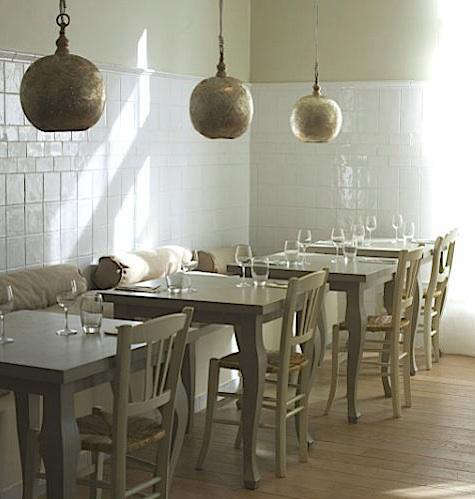
Moroccan pendant lanterns can look stunning above a kitchen island, especially in brass or aged black finishes. They pair beautifully with white cabinetry, wood stools, plaster-like walls, zellige-style tile, and natural stone countertops. For a long island, a row of two or three smaller lanterns usually works better than one giant fixture that looks like it landed there by accident.
If your kitchen does real work and not just photogenic lemon displays, make sure the lanterns support task lighting too. Choose fixtures with enough output, use warm dimmable bulbs, and combine them with recessed lights or under-cabinet lighting for balance.
Dining Room
This may be the room where Moroccan pendant lanterns shine brightest, figuratively and literally. Over a dining table, they create intimacy and visual drama at the same time. A single large lantern works beautifully over a round table, while paired pendants or an elongated composition suit long rectangular tables.
The vibe here is dinner party with excellent olives, even if dinner is takeout and the olives are missing in action.
Living Room
In living rooms, Moroccan lanterns function best as a statement fixture or accent source rather than the only light in the room. Layer them with floor lamps, sconces, or table lamps to keep the room adaptable. A lantern overhead can make the space feel more intimate, especially when used with dimmers and warm bulbs.
Bedroom
A Moroccan pendant lantern in a bedroom feels romantic without being fussy. It can replace a standard flush mount, hang above a seating corner, or act as one side of an asymmetrical bedside lighting scheme. Brass and soft black finishes tend to feel the most grounded here. Colored glass can be beautiful too, as long as the overall palette stays restful.
Covered Patio or Outdoor Lounge
On a covered patio, Moroccan pendant lanterns create resort energy in the best possible way. They look especially good with textured walls, terracotta pots, wood furniture, linen cushions, and climbing greenery. Just make sure the fixture is rated for the environment. Beauty is wonderful. Rain-soaked regret is less wonderful.
How to Style Moroccan Pendant Lanterns Without Overdoing It
The easiest mistake is trying to make every single item in the room compete for attention. Moroccan pendant lanterns already have strong visual character, so they usually look best when surrounded by supporting elements rather than rival performers.
Pair Them with Natural Materials
Wood, linen, leather, plaster, rattan, clay, and woven textiles help Moroccan lanterns feel grounded. These materials echo the lanterns’ handcrafted sensibility and prevent the room from feeling cold.
Let the Fixture Be the Pattern Hero
If your lantern has intricate cutwork, go easier on loud wallpaper or chaotic textiles nearby. A few patterned pillows are fine. An entire room fighting for the spotlight is not. Think curated, not costume party.
Use Warm Metals Thoughtfully
Brass and bronze Moroccan lanterns look especially rich when repeated in small ways through cabinet hardware, picture frames, mirrors, or side tables. The repetition helps the fixture feel intentional instead of random.
Mix Global Influences Carefully
Moroccan lighting pairs beautifully with Mediterranean, Spanish, bohemian, and even modern organic interiors. The key is restraint. A room can reference multiple influences, but it still needs one clear visual language. Otherwise, it starts to feel less “collected traveler” and more “airport gift shop with really good dimming.”
Practical Buying Tips Before You Click “Add to Cart”
Measure for Scale
Moroccan lanterns often look airy in photos, but some are visually dense in real life because of their pattern and shape. Measure ceiling height, room width, and table or island size before choosing. A lantern that is too small disappears. One that is too large can dominate the whole room like an overenthusiastic wedding centerpiece.
Think About Light Output
Openwork metal lanterns cast lovely shadows, but that also means light may be more atmospheric than direct. If you need task lighting, check bulb type, shade openness, and whether the fixture works with dimmable bulbs. Moroccan style is not an excuse to chop vegetables in mysterious lighting.
Check Hanging Height
Placement matters as much as style. In an entryway, keep enough clearance so the fixture does not hang too low. Over dining tables, the lantern should feel close enough to define the table but not block sightlines. Over islands, spacing between fixtures matters just as much as the fixture itself.
Look at Finish and Maintenance
Aged brass and patinated finishes usually hide fingerprints better than polished surfaces. If your lantern has many cutouts or glass inserts, expect occasional dusting. These fixtures reward maintenance. They just do it in a glamorous, mildly bossy way.
Smart Placement Guidelines for a More Polished Look
Good design is often invisible. People may not compliment your hanging height specifically, but they will absolutely feel when it is right. As a general rule, pendants over dining tables usually look best when the bottom of the fixture sits about 30 to 36 inches above the tabletop. Over kitchen islands, spacing pendants evenly and leaving breathing room at each end creates a cleaner, more professional look. In entryways, hanging fixtures should stay high enough to maintain comfortable clearance.
These guidelines are not rigid commandments, but they are useful guardrails. Adjust for ceiling height, fixture size, and how much visual weight the lantern carries. A delicate openwork fixture can usually hang a bit lower than a bulky lantern with dense metal framing.
Are Moroccan Pendant Lanterns Worth It?
If you want a light fixture that feels decorative, atmospheric, and timelessly expressive, yes. Moroccan pendant lanterns offer something many standard fixtures do not: emotional texture. They can make a clean modern room feel warmer, a traditional room feel fresher, and a bland room feel like someone finally had an excellent idea.
They are especially worth considering if you love layered interiors, artisanal finishes, warm metallics, and lighting that changes the feeling of a room rather than merely increasing visibility. The best versions do not just fill empty ceiling space. They create mood, shape the room, and make the ordinary feel a little more transportive.
Experiences of Living with Moroccan Pendant Lanterns
Living with Moroccan pendant lanterns is less about owning a fixture and more about living inside an effect. During the day, the lantern often reads like sculpture. It hangs quietly, catching natural light on its metal edges, adding shape above a table or in a hallway. At night, though, it changes personality. Turn it on, dim the rest of the room, and suddenly the walls participate. The ceiling becomes part of the design. Corners feel softer. Even a simple apartment starts acting like it has stories.
One of the most memorable experiences people describe with Moroccan pendant lighting is how it changes everyday rituals. A kitchen island becomes more inviting for slow breakfasts. A dining table feels more intimate, even on weekdays. A bedroom corner becomes the place where you actually want to read instead of merely storing books and good intentions. The fixture has presence, but it also changes behavior. Rooms get used differently when they feel warmer.
There is also a strong sensory quality to these lights. The perforated metal patterns create movement, especially when you walk past the fixture or view it from another room. It is subtle, but it gives the space energy. With clear or frosted glass, the glow can feel mellow and grounded. With colored glass, the experience becomes more expressive and a little theatrical in the best way. Not Broadway theatrical. More like “my home suddenly knows how to host.”
Moroccan pendant lanterns are also deeply tied to memory-making. They tend to show up in the moments people remember later: a late dinner with friends, a quiet conversation in the kitchen after everyone else has gone to bed, a rainy afternoon in a reading nook, or that one holiday gathering where the room somehow looked better than anyone expected. Great lighting does not ask for applause, but it absolutely steals scenes.
Of course, living with them is not just romance and dramatic shadows. There are practical realities too. Dust will find intricate cutouts because dust is committed to the bit. If the fixture has many glass panels, you may need a patient hand during cleaning. If the lantern is more decorative than bright, you will probably want layered lighting in the room. But these are fair trade-offs for what the fixture gives back.
Another experience worth mentioning is how Moroccan pendant lanterns evolve with the room. They do not feel locked to one season. In summer, they pair beautifully with linen, pale wood, and airy curtains. In fall and winter, they become moodier and richer against velvet, leather, wool, and candlelight. Few fixtures transition this well. They can feel breezy or dramatic depending on what surrounds them.
They also tend to age well visually. A trendy acrylic pendant might feel dated after a few years. A Moroccan lantern, especially in brass, bronze, or blackened metal, often looks even better once a space around it develops more character. It rewards collected interiors. It likes books, rugs, textured walls, handmade ceramics, and chairs that look better after being lived in.
Perhaps the strongest experience tied to Moroccan pendant lanterns is the feeling that a home becomes more personal. These fixtures do not look generic. They suggest intention. Even when used sparingly, they signal that someone thought about mood, craftsmanship, and atmosphere, not just function. That is a big reason they remain so appealing. In a world full of fast décor and instantly forgettable rooms, Moroccan pendant lanterns still know how to leave an impression.
And maybe that is the whole point. Good lighting helps you see. Great lighting helps you feel something. Moroccan pendant lanterns do both, and they do it with style, warmth, and just enough drama to make the room a little more unforgettable.
Conclusion
Moroccan pendant lanterns are more than decorative light fixtures. They are mood-makers, conversation starters, and one of the easiest ways to add handcrafted character to a room. Whether you use one above a dining table, cluster them over a kitchen island, or hang a single lantern in a quiet entryway, they bring depth, warmth, and visual storytelling. Choose the right scale, hang them thoughtfully, and let their glow do what it does best: make your space feel layered, welcoming, and wonderfully alive.