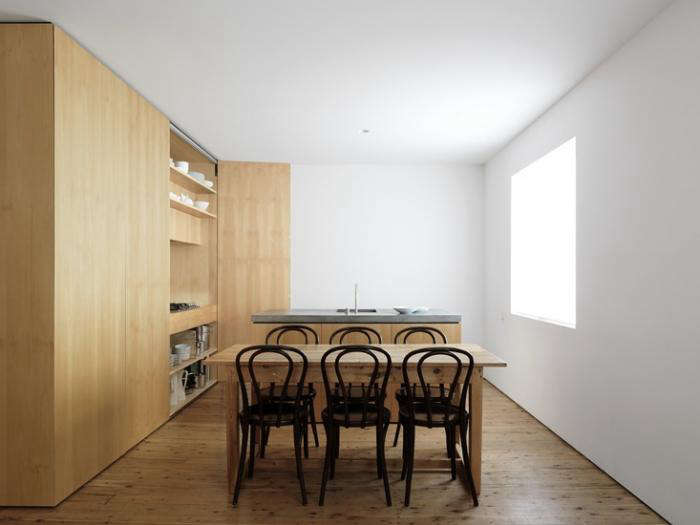
A thousand square feet sounds tiny… until you remember that your family can lose 900 square feet of “usable space”
just by leaving one backpack on the floor. The good news: a 1,000-square-foot home can feel surprisingly roomy,
even with kids, pets, and the mysterious pile of “important papers” that keeps reproducing on the kitchen counter.
The secret isn’t magic. It’s layout, storage that behaves, and a few household rules that don’t require a whistle.
This guide breaks down how families make small homes work without living like minimalist monks. We’ll talk smart
floor plans, real-life storage, noise and privacy fixes, and the habits that keep a compact home from turning into
a clutter-themed escape room.
Why 1,000 Square Feet Can Feel Big (If You Stop Treating It Like a Big House)
In a larger home, you can “hide” mess in a spare room and pretend it doesn’t exist. In a smaller home, your clutter
is basically a roommate. That’s why the goal isn’t to squeeze a big-house lifestyle into a small footprintit’s to
design a small-house lifestyle that still feels generous.
- Generous isn’t about sizeit’s about flow, light, and fewer daily annoyances.
- Every item needs a job (including the awkward ones, like the air fryer).
- Space is a system: routines + storage + layout beat “pretty decor” every time.
The Layout Rule: Build a “Core,” Then Protect the “Quiet Corners”
Most families thrive when the home has a social centerthe “core”and at least two quiet corners for work, sleep,
decompression, or the occasional dramatic teen sigh. In about 1,000 square feet, that often means:
an open-ish living/kitchen/dining core, plus bedrooms (or flex spaces) that can close off.
The “Core + Quiet Corners” Plan (That Doesn’t Feel Like a Studio Apartment)
Picture the home as three zones:
- Active Zone: kitchen + dining + living (the “core”).
- Sleep Zone: bedrooms grouped together, ideally away from the front door.
- Flex/Utility Zone: bath, laundry, pantry, plus one adaptable nook.
The magic ingredient is the flex nook: a tiny office corner, homework station, reading bench,
or a closet-turned “command center.” It’s the difference between “cozy” and “we’re all yelling because nobody
can find a charger.”
Open Floor Plan: Friend, Foe, or Frenemy?
Open concepts can make a small home feel larger, brighter, and more social. They can also make it feel like you’re
living inside a drum set during a birthday party. If you go open, design it with boundaries that don’t require walls:
- Define zones with rugs, lighting, and furniture placement (not random furniture parking).
- Use a “visual stop”: a bookshelf, half wall, or kitchen island to create structure.
- Plan for noise: soft surfaces (rugs, curtains, upholstered seating) are your acoustic besties.
Storage That Doesn’t Look Like Storage (So Your Home Feels Calm, Not Cramped)
In small-house living, the storage conversation is not optional. It’s like taxes. But unlike taxes, it can actually
make you happier.
Go Vertical Until You Run Out of Wall (Then Go Higher)
Floors are precious. Walls are underpaid. Use tall shelving, cabinets to the ceiling, wall hooks, pegboards,
and over-the-door organizers to reclaim “invisible” square footage. In family homes, vertical storage works best
when the lowest level is kid-friendly and the highest level holds grown-up-only items
(or the holiday decorations you swear you’ll label this year).
Built-Ins Beat Bulky Furniture
Freestanding furniture eats walking space. Built-ins can hug the perimeter and store more with less visual clutter.
Even “semi built-ins”like a wall of cabinets, a bench with drawers, or shelves under the stairscan add serious
breathing room. If you’re remodeling, prioritize:
- Entry storage (shoes, bags, coats): the mess starts here, so stop it here.
- Kitchen pantry solutions: pull-outs, door racks, and high shelves for backstock.
- Window-seat storage: cozy + functional = small-house gold.
Hidden Storage: The “Out of Sight, Still Yours” Strategy
Look for storage that disappears:
- Ottomans with lift tops
- Beds with drawers (or bins that slide under)
- Benches with compartments
- Shallow cabinets behind doors
- Under-stair cubbies (if you have stairs)
The goal isn’t to hide everything forever. It’s to keep daily life from looking like a yard sale.
Furniture: Buy Fewer Pieces, Choose Smarter Ones
Here’s the weird truth: small rooms often look better with fewer, slightly bigger,
well-chosen piecesrather than lots of tiny items that create visual noise. Think “one great sofa” instead of
“four sad chairs.”
Use Double-Duty Furniture Like It’s Your Side Hustle
- Storage coffee tables for games, cords, remotes, and the random LEGO that always finds bare feet.
- Drop-leaf or extendable tables for hosting without dedicating permanent square footage.
- Daybeds and trundles for guest space that doesn’t steal a whole room.
- Wall-mounted desks or fold-down tables for work and homework.
Stop Shoving Everything Against the Wall
It feels logical, but it can make rooms feel smaller and less functional. Give key pieces a little breathing room,
even if it’s just a few inches. Create a clear walkway, and let the furniture form “zones.”
Your home will feel more intentionallike you planned itrather than like you lost a fight with gravity.
Make It Feel Bigger: Light, Color, and “Optical Illusions That Are Actually Useful”
You don’t need to paint everything blinding white. But you do want consistency and light bounce.
- Layer lighting: overhead + task + accent. One ceiling light alone is a vibe, but not a good one.
- Use mirrors strategically to reflect windows and extend sightlines (not to watch yourself snack).
- Keep flooring consistent where possible to visually stretch the space.
- Choose calm wall colors and add personality with textiles, art, and movable decor.
Family Systems That Make Small Homes Work (Without Turning You Into a Drill Sergeant)
If you live small, you don’t need perfectionyou need repeatable routines.
Think of them as “autopilot” for your home.
The 10-Minute Nightly Reset
A small home can go from “peaceful” to “disaster” fast, but it also resets fast. Try a nightly closeout:
- Clear surfaces (kitchen counters, coffee table)
- Return items to their “home base” bins
- Start a small laundry load if your setup allows
- Prep one thing for tomorrow (lunches, backpacks, outfits)
Ten minutes prevents the “Saturday catastrophe clean” that steals your weekend and your will to live.
Toy Control Without Being the Fun Police
In 1,000 square feet, toys need boundaries or they’ll annex the living room and declare independence.
A few tactics that work for real families:
- Rotation bins: keep only a portion out, swap weekly.
- One-in, one-out: new toy arrives, one leaves (donate, store, or “mysteriously disappears”).
- Closeable storage: baskets with lids, cabinets, and bins that make cleanup fast.
Privacy Hacks for When Everyone Is Home
Small homes can feel loud because everyone shares the same air. You can’t always add walls, but you can add
boundaries:
- Soft dividers: curtains, sliding panels, tall bookcases.
- Sound strategies: rugs, fabric shades, and even a simple white-noise machine.
- Scheduling: yes, even for the bathroom. A family calendar saves marriages.
Room-by-Room Blueprint for a 1,000-Square-Foot Family Home
Entry: The “Drop Zone” That Prevents Instant Chaos
If your entry is small (or basically a hallway pretending to be an entry), give it structure:
wall hooks at kid height, a shoe bench, and a basket for each person’s daily essentials.
Your future self will thank you every morning.
Kitchen: Keep Counters Clear or Accept Your Fate
Small kitchens work best when your counters aren’t doing the job of cabinets.
Store small appliances you don’t use daily, add door racks, and consider a rolling cart that can move
wherever the action is. If you have space for a compact islandgreat. If not, a narrow prep table can still
add function without blocking traffic.
Living/Dining: One Space, Multiple Modes
This is where families win or lose small-house comfort. Aim for flexible seating and a dining setup that adapts:
an extendable table, bench seating that tucks in, and a coffee table that can hide toys in 12 seconds flat.
Bedrooms: Small Can Still Feel Special
For a family of four in ~1,000 square feet, common setups include two bedrooms (with shared kids’ room) or
a second bedroom plus flex space. Tips that help:
- Bunk beds or loft beds to free floor space for play and homework.
- Closet systems that use vertical space and adjustable shelves.
- Under-bed bins for seasonal clothes and extra linens.
- Wall-mounted nightstands when floor space is tight.
Bathroom: Stop Storing Everything in the Shower Caddy
Add a recessed cabinet (if possible), shelves over the toilet, and labeled bins under the sink.
For families, a simple “morning kit” basket (hair stuff, toothpaste backups, bandages) prevents the daily
scavenger hunt.
Outdoor Space: Your Bonus Room (Even If It’s Tiny)
A small patio, porch, or balcony can function like a seasonal living room. Add weather-safe storage, a compact
table, and lighting. When your interior is small, the outdoors isn’t “extra”it’s strategy.
Renovation Priorities That Deliver the Biggest Payoff
If you’re upgrading a small home, focus on changes that increase function without stealing space:
- Add storage before adding decor (built-ins, pantry improvements, closet systems).
- Improve lighting (layered fixtures, under-cabinet lights, better bulbs).
- Upgrade doors (pocket doors or barn-style sliders where appropriate) to reclaim swing space.
- Create a real laundry solution (stacked units, shelving, and a folding surface).
Small-Home Mistakes That Make 1,000 Square Feet Feel Smaller
- Too many tiny storage containers (they multiply; you’ll lose items anyway).
- No “landing spot” for daily clutter (mail, bags, shoes, sports gear).
- Ignoring acoustics (hard surfaces everywhere = echo chamber).
- Keeping everything visible (open shelves are cute until real life happens).
- Buying furniture first instead of mapping walkways and zones.
Conclusion: Big Living Is a Habit, Not a Square Footage
Living large in 1,000 square feet is absolutely doable for a familyif you treat space like a resource and
design your home around how you actually live. A strong layout gives you flow. Smart storage gives you calm.
Routines keep it all from collapsing by Wednesday.
And when it still gets messy (because you live with humans), remember: small homes reset faster. Ten minutes,
one good basket, and a little laughter can get you back to “we’ve got this.”
of Experiences That Families Commonly Have in 1,000 Square Feet
The first “experience” most families report is the moment they realize a small home has a personality.
In a larger place, you can ignore problems for a while. In a 1,000-square-foot home, the house is like,
“Hey. I saw that sock. I’m going to make it everyone’s problem.” At first, that feels annoyinguntil you notice
the upside: you spend less time wandering around looking for things and more time actually living.
A common week-one discovery is that traffic patterns matter. If the trash can blocks the pantry
door even a little, it will feel like a personal insult every single day. Families often start “editing” furniture
just to make walking easier. That’s also when people learn a surprisingly emotional truth: you can love a chair
and still let it go. (If it helps, you can take a photo. Then you can move on with your life.)
Another shared experience: the sound. In small homes, the blender sounds like a jet engine, and
the TV can be heard in every corner. Many families end up adding a rug, curtains, and soft seating not because
they’re decorating geniuses, but because they’d like to have one phone call without announcing it to the entire
household. Some even adopt “quiet-hour” blocksespecially for homework or work-from-home daysbecause a little
structure beats arguing about who’s being too loud.
Then there’s the “stuff equilibrium.” Families often find they hit a point where adding one more thingone more
craft kit, one more pair of shoes, one more random giveaway water bottlecreates a chain reaction. It’s not that
small-home families own nothing. It’s that they become more intentional about what earns a permanent spot.
That’s where toy rotation and seasonal bins usually show up: not as Pinterest perfection, but as survival.
One of the most positive experiences people describe is how a compact home can pull a family together in a good way.
Shared spaces encourage shared moments: cooking while kids do homework nearby, quick games at the table, spontaneous
conversations because you’re not separated by three hallways and a bonus room. Families often say the home feels
“cozier,” but what they mean is: it’s easier to connect.
Finally, there’s the “reset superpower.” Big houses can take all day to clean. A small home can look dramatically
better in 15 minutesespecially if you’ve built simple habits like a nightly reset and real drop zones.
Over time, many families describe a shift: they stop chasing the idea of “more space” and start enjoying the space
they havebecause it works. And honestly? That’s living large.