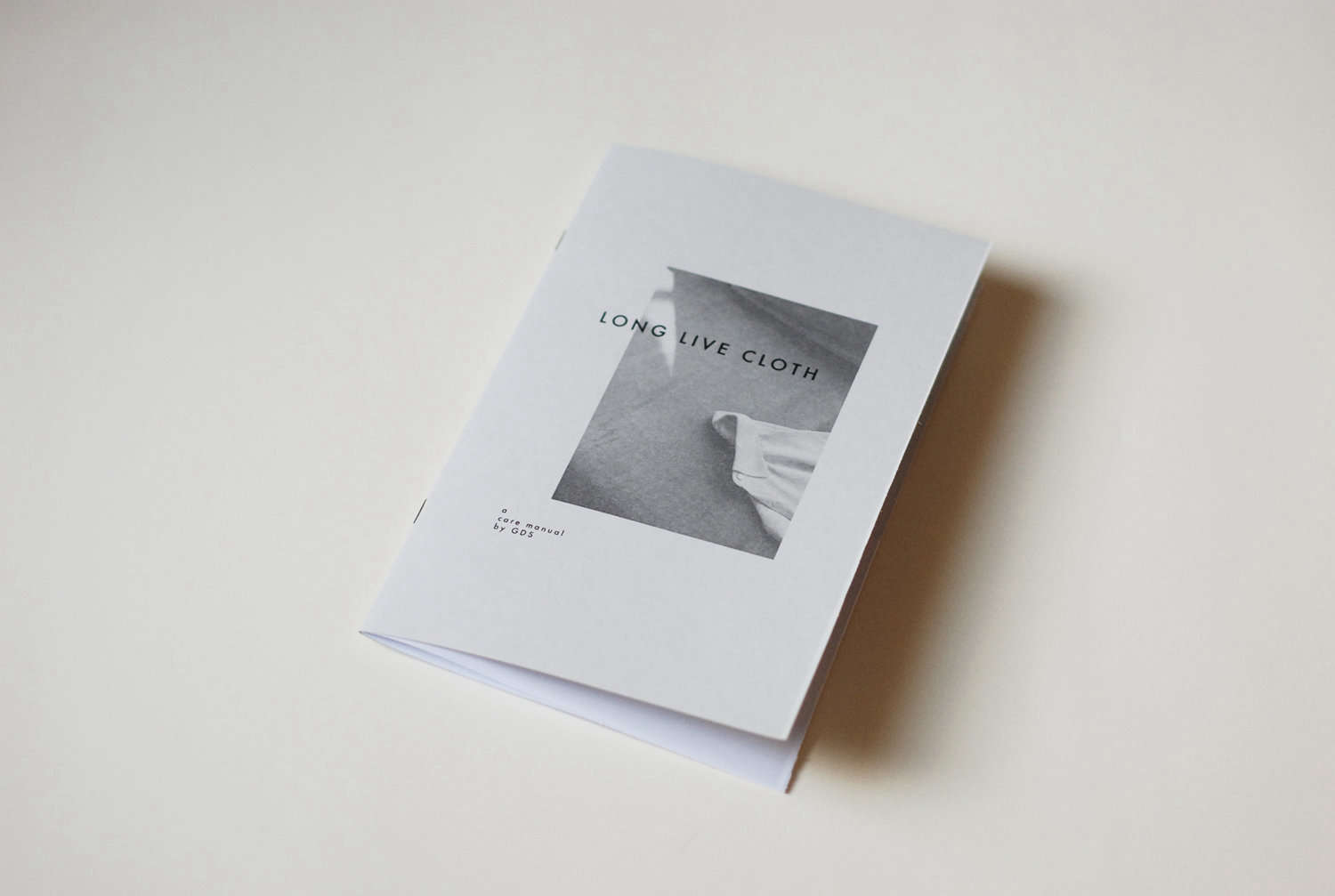
Cloth is basically the quiet roommate of your life: always there, absorbing your sweat, your spills, your stress,
and occasionally your questionable fashion phases. And if you treat it well, it returns the favor by looking good,
feeling comfy, and sticking around way longer than that trend you swore was “timeless.”
This is a practical, no-nonsense (okay, some nonsense) care manual for making fabric lastclothes, towels,
bedding, denim, delicate blouses, and the hoodie you’d rescue first in a fire. You’ll learn how to read care labels,
wash smarter, dry gentler, fight stains like a pro, store without sadness, and repair the stuff you’d rather not replace.
1) Start With the Tag: The Tiny Manual You’ve Been Ignoring
Before you do anything dramaticlike tossing a wool sweater into a hot dryercheck the care label. In the U.S.,
clothing and many textile goods are required to provide “regular care” instructions, because fabric manufacturers know
we can’t be trusted with heat settings.
Care labels usually give guidance on five main categories: washing, bleaching, drying, ironing, and professional cleaning.
Even when they use symbols instead of words, those symbols are meant to be consistent and readable. Translation:
you don’t have to guess. (You can guess. You just shouldn’t.)
Quick decoding tips
- Water temperature and cycle matter more than people think (heat + agitation = wear).
- “Do not tumble dry” is not a suggestion. It’s a prophecy.
- “Line dry” or “dry flat” is fabric’s way of asking for a spa day.
- When in doubt, choose colder water and gentler motionand air dry.
2) The Three Enemies of Fabric: Heat, Friction, and Chemistry
If cloth had a villain origin story, it would be these three:
- Heat: Shrinkage, fading, fiber damage, and “why does this feel like cardboard now?”
- Friction: Pilling, thinning, stretched seams, and snags from zippers/buttons.
- Chemistry: Too much detergent, the wrong detergent, over-bleaching, and buildup that makes fabric stiff.
Your goal isn’t “maximum punishment per load.” It’s “minimum force for maximum clean.” Fabric care is basically
the art of doing lessstrategically.
3) Sorting Like You Mean It (Not Like You’re Late for the Bus)
Sorting isn’t just about preventing your white tees from turning “mystery blush.” It’s also about reducing friction and
matching the wash cycle to the fabric. The simplest system that still works:
- By color: whites/lights, darks, brights, and “newly dyed or suspicious.”
- By fabric weight: heavy (towels, jeans, sweatshirts) vs. light/delicate (tees, blouses, lingerie).
- By soil level: lightly worn office clothes vs. muddy soccer shorts vs. “who fought a pizza?”
Bonus rule: close zippers, hook bras, and turn items with prints or denim inside out. Less abrasion = longer life.
4) Washing Fundamentals: Clean Clothes Without Beating Them Up
Choose the right cycle (aka: match the vibe)
- Normal: sturdy cottons and everyday items.
- Permanent press: synthetics and blendsless wrinkling, moderate motion.
- Delicate/hand-wash: lingerie, lace, sweaters (if the label allows), and anything you’d cry over if ruined.
- Heavy duty: towels, sheets, and tough stains (use sparinglygreat cleaning, more wear).
Cold water: the default setting for fabric longevity
Cold water is often your best friend for preserving color, preventing shrinkage, and keeping fibers from aging faster.
Modern detergents are generally designed to clean well in cooler temperatures. Hot water still has a placelike heavily soiled loads,
certain household textiles, or situations where sanitizing is necessarybut it’s not the everyday hero.
Use less detergent than your instincts want
Detergent is concentrated, and more isn’t “extra clean.” Too much can leave residue that attracts dirt, dulls color, and makes towels less absorbent.
A smart approach: follow the bottle, then consider whether your load is truly large and truly filthy. If your washer smells like “soap cologne,” you’re overdosing.
Mesh laundry bags are tiny miracles
Use mesh bags for bras, hosiery, lace, activewear, items with straps, and anything with hardware that likes to snag.
Mesh bags reduce friction, tangling, and “how did this become a knot sculpture?”
5) Fabric-by-Fabric Playbook: What Your Clothes Actually Need
Cotton (tees, underwear, sheets)
- Best practice: cold or warm water; normal cycle for sturdy items; gentle for lightweight knits.
- Avoid: high heat drying for everythingsave it for occasional deep cleaning towels/sheets if needed.
- Example: Your favorite graphic tee lasts longer if you wash it inside out on cold and line dry.
Linen (shirts, summer pants, tablecloths)
- Best practice: cool to warm water; gentle to normal cycle depending on weight.
- Drying: line dry for longevity; remove promptly to reduce wrinkles.
- Reality check: linen wrinkles because it’s linen. That’s not a defect; that’s a personality.
Wool (sweaters, blankets, socks)
- Golden rules: cold water, minimal agitation, and dry flat.
- Detergent: use a wool-safe, gentle detergent.
- Why: heat + agitation can cause felting and shrinkage.
- Pro move: reshape while damp, then let it dry flat on a towel or drying rack.
Silk (blouses, scarves, slips)
- Best practice: gentle hand wash or delicate cycle if label allows, in cool water.
- Test first: check colorfastness on an inside seam.
- Drying: air dry away from direct sun; avoid wringing (silk hates drama).
Denim (jeans, jackets)
- Wash less often: spot clean and air out when possible.
- When you wash: inside out, cold water, gentle cycle.
- Drying: air dry to reduce fading and shrink; brief low tumble can soften if it dries too stiff.
Synthetics & activewear (polyester, nylon, spandex)
- Best practice: cold or warm water; avoid high heat to protect stretch fibers.
- Avoid: fabric softener and dryer sheetsthese can coat performance fabrics and reduce wicking.
- Odor tip: wash soon after heavy sweat; don’t let gym clothes marinate in a bag like a science project.
Down & insulated gear (puffers, comforters)
- Wash: follow the label; use a gentle cycle and rinse thoroughly.
- Dry: low heat, patience, and dryer balls or clean tennis balls to break up clumps.
- Important: dry completely to prevent musty odors or mildew.
Towels & bedding (the heavy hitters)
- Wash: warm to hot as appropriate; don’t overloadthese need room to move.
- Avoid: fabric softener if you want towels to stay absorbent.
- Drying: medium heat for routine loads; high heat occasionally, not every time.
6) Drying Without Drama: Air, Flat, or Tumble (Strategically)
Dryers are convenient, but they’re also like a tiny fabric aging machine. Heat and tumbling cause wear over time.
Use the dryer as a toolnot a default.
Best drying choices by item
- Dry flat: wool sweaters, knits, anything that stretches easily.
- Line dry: delicate fabrics, activewear, dark colors, and clothes you want to keep fitting the same way.
- Low tumble: towels, sheets, sturdy cottonremove promptly to avoid wrinkles.
Dryer balls: less chemical, more fluff
Wool dryer balls can help reduce static and soften items by improving airflow, without coating fibers the way many dryer sheets can.
Translation: your towels stay towel-y.
7) Stain First Aid: Treat It Like a Tiny Emergency
Stains are easier to remove when they’re fresh. The best universal advice:
blot, don’t rub. Rubbing pushes the stain deeper and roughs up fibers.
Grease stains (pizza, salad dressing, “oops I hugged a fryer”)
- Blot excess oil gently.
- Apply a little dish soap or a stain pretreat to break down grease.
- Rinse with cool water, then wash per the care label.
- Don’t dry until you’re sure it’s goneheat can set the stain permanently.
Protein stains (blood, sweat, dairy)
- Use cold water first (hot can set protein stains).
- Use an enzyme-based detergent or stain remover.
- Let it soak briefly if needed, then wash gently.
Tannin stains (coffee, tea, wine)
- Blot, then rinse from the back of the fabric with cool water.
- Pretreat with stain remover; wash with a cycle appropriate for the fabric.
- Air dry to check results before using heat.
Mud and dirt (the outdoors calling)
- Let mud dry, then brush off the excess.
- Pretreat the remaining stain and wash normally.
- For heavy soil, choose a longer wash (but avoid punishing delicate fabrics).
8) Pressing and Ironing: Optional, but Sometimes Worth It
Ironing isn’t mandatory for fabric survival, but it can improve appearance and reduce the need for frequent rewashing (because you’ll actually want to wear the item).
Check the label for heat settings. When in doubt, start low. Your iron should never be the most dramatic thing in your day.
9) Storage: Keep Cloth Safe Between Seasons
Storage mistakes can quietly ruin textiles: moth damage, yellowing, musty smells, and creases that feel permanent.
Do this instead:
- Clean before storing: invisible stains (like deodorant or body oils) can oxidize and set over time.
- Use breathable storage: cotton garment bags or clean bins; avoid sealing damp items in plastic.
- Fold heavy knits: hanging can stretch shoulders and warp shape.
- Protect from pests: keep storage areas dry; consider cedar or other moth deterrents for wool.
10) Repair and Revival: The Real Secret to “Long Live Cloth”
The most sustainable garment is the one you already ownespecially if a tiny fix keeps it in rotation.
Repair doesn’t have to be couture-level tailoring. It can be quick, functional, and even kind of satisfying.
Easy wins
- Depill sweaters: use a fabric shaver or sweater comb gently to remove fuzz balls.
- Reattach buttons: keep spare buttons in a small envelope; sew them on before the “buttonless era” begins.
- Patch small tears: iron-on patches or adhesive fabric patches can extend life fastespecially for outerwear.
- Reinforce seams: a simple stitch along a weakening seam can stop a small issue from becoming a wardrobe emergency.
When to call in the pros
- Structured items (suits, lined coats)
- Delicate fabrics with complex construction
- Anything where the cost of a mistake is heartbreak
11) A Smarter Laundry Routine: Less Work, Better Results
Fabric longevity isn’t about doing laundry “perfectly.” It’s about building a routine that reduces damage:
- Wash less when possible: air out items, spot clean, and rotate.
- Wash cold for most loads: preserve color and reduce wear.
- Use the right dose of detergent: prevent residue and maintain softness.
- Dry gently: line dry or low tumble; avoid over-drying.
- Maintain your washer: run cleaning cycles as recommended so “clean clothes” don’t pick up old buildup.
Conclusion: Make Fabric a Long-Term Relationship
“Long live cloth” isn’t just a cute sloganit’s a strategy. Read the label, reduce heat and friction, use the right detergent (in the right amount),
treat stains early, dry gently, store smart, and repair what you can. You’ll save money, reduce waste, and keep your favorite pieces looking like themselves
for yearsbecause nothing says “I have my life together” like a sweater that still fits after winter.
of Real-Life Fabric Experiences (So You Don’t Have to Learn the Hard Way)
Imagine a thrifted blazerperfect cut, great buttons, somehow makes a plain tee look like an intentional outfit. The new owner wears it everywhere,
then does what many people do with “dry clean only” labels: they treat it like a dare. One normal wash later, the blazer comes out looking like it just
survived a tiny hurricane. The lining twists, the shoulders bubble, and the sleeves develop that weird crinkly texture that says, “I used to be structured.”
The lesson isn’t that thrifting is risky (it’s not). The lesson is that care labels exist because fabric has boundaries.
Now picture a beloved hoodie. It’s not fancy. It’s not rare. But it’s the one that feels rightsoft inside, broken-in, the kind of hoodie you’d pack first
for a trip. One day it gets washed with towels and jeans because the laundry basket was full and optimism was high. When it comes out, it’s covered in lint,
the drawstring is tied into a knot worthy of a sailing class, and the surface looks slightly roughed up. Nothing is “ruined,” but the hoodie has clearly aged
a year in one afternoon. That’s friction at work. If that hoodie had been washed with similar-weight items (or in a mesh bag, or inside out), it would’ve kept
its original softness longer.
Another common scenario: gym clothes. Someone works out hard, stuffs leggings and a performance shirt into a bag, then forgets them overnight. The next day,
the smell is… ambitious. They wash it on hot with a big dose of detergent, then add fabric softener like a peace offering. The clothes come out “clean,” but
the odor returns faster next time. Why? Performance fabrics can hold onto oils and buildup, and softener can coat fibers, trapping stink instead of helping it
leave. The fix is surprisingly simple: wash sooner, use the right amount of detergent, skip softener, and make sure the items dry fully.
Then there’s the classic towel mystery: “Why are my towels not absorbent anymore?” Often, it’s not the towel’s fault. It’s product builduptoo much detergent,
too much softener, too many dryer sheets. When people switch to using less detergent and ditch softener for towels, they’re shocked by how towel-like towels can
be again. It’s like watching a sponge remember its purpose.
Finally, think about a puffer jacket. It gets washed, comes out clumpy, and panic sets in. But with low heat, patience, and dryer balls (or clean tennis balls),
the insulation fluffs back up and the jacket returns to form. That momentwhen something you thought you “ruined” becomes wearable againis the heart of this
whole manual. Cloth lasts when you treat it like it’s worth keeping. And most of it is.